


Irish Aid Annual Report 2025
Ireland’s Official Development Assistance (ODA) programme works to create a more equal, peaceful and sustainable world.
For 51 years, we have assisted people experiencing the most acute levels of need. This support is delivered primarily through our embassy network and trusted partners, including multilateral organisations and Civil Society Organisations (CSOs) operating in some of the poorest, most climate vulnerable, and conflict affected regions in the world. In all areas, we strive to reach the furthest behind first, focusing on the most vulnerable and marginalised.
Guided by A Better World: Ireland’s Policy for International Development, our four priority areas are:
- Gender Equality
- Reducing Humanitarian Need
- Climate Action
- Strengthening Governance.
Ireland's ODA in 2025 amounted to a total of €1.88 billion, or 0.44% of Gross National Income (GNI).
Read the full Annual Report 2025
Highlights from Irish Aid 2025
Key facts - 2025
Reaching the furthest behind first

"Irish Aid has grown from a small relief fund into one of the most respected development and humanitarian programmes of its size in the world."
Neale Richmond TD
Minister of State for International Development and Diaspora


The year in review
Reducing humanitarian need

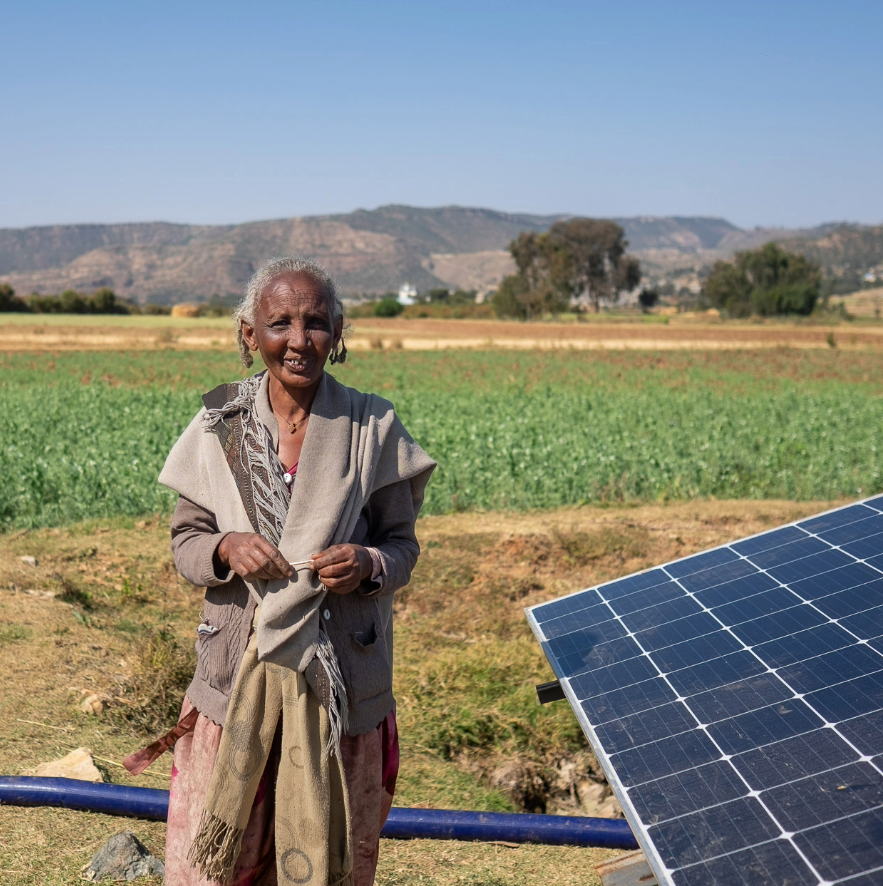
Working with at-risk communities to build their preparedness before crisis hits plays a vital role in minimising the impacts of shocks on lives and livelihoods. In 2025, Ireland supported partners to activate anticipatory action frameworks during crises in a range of countries, including Cuba, Guatemala, Haiti, Mozambique, Nigeria, and the Philippines, allowing proactive and cost-effective responses that save lives.

Top recipient countries in 2025
The five countries which received the highest amounts of bilateral ODA from Ireland in 2025 were:
- Ukraine €44.9m
- Ethiopia €42.3m
- Palestine (including support to Palestinian people across the Middle East region) €37.1m
- Mozambique €27.6m
- Tanzania €26m.

Top recipient countries in 2025
The five countries which received the highest amounts of bilateral ODA from Ireland in 2025 were:
- Ukraine €44.9m
- Ethiopia €42.3m
- Palestine (including support to Palestinian people across the Middle East region) €37.1m
- Mozambique €27.6m
- Tanzania €26m.
Ireland’s funding to civil society
Ireland supports civil society through a number of funding mechanisms, which allows for flexibility of approach and impact at scale.
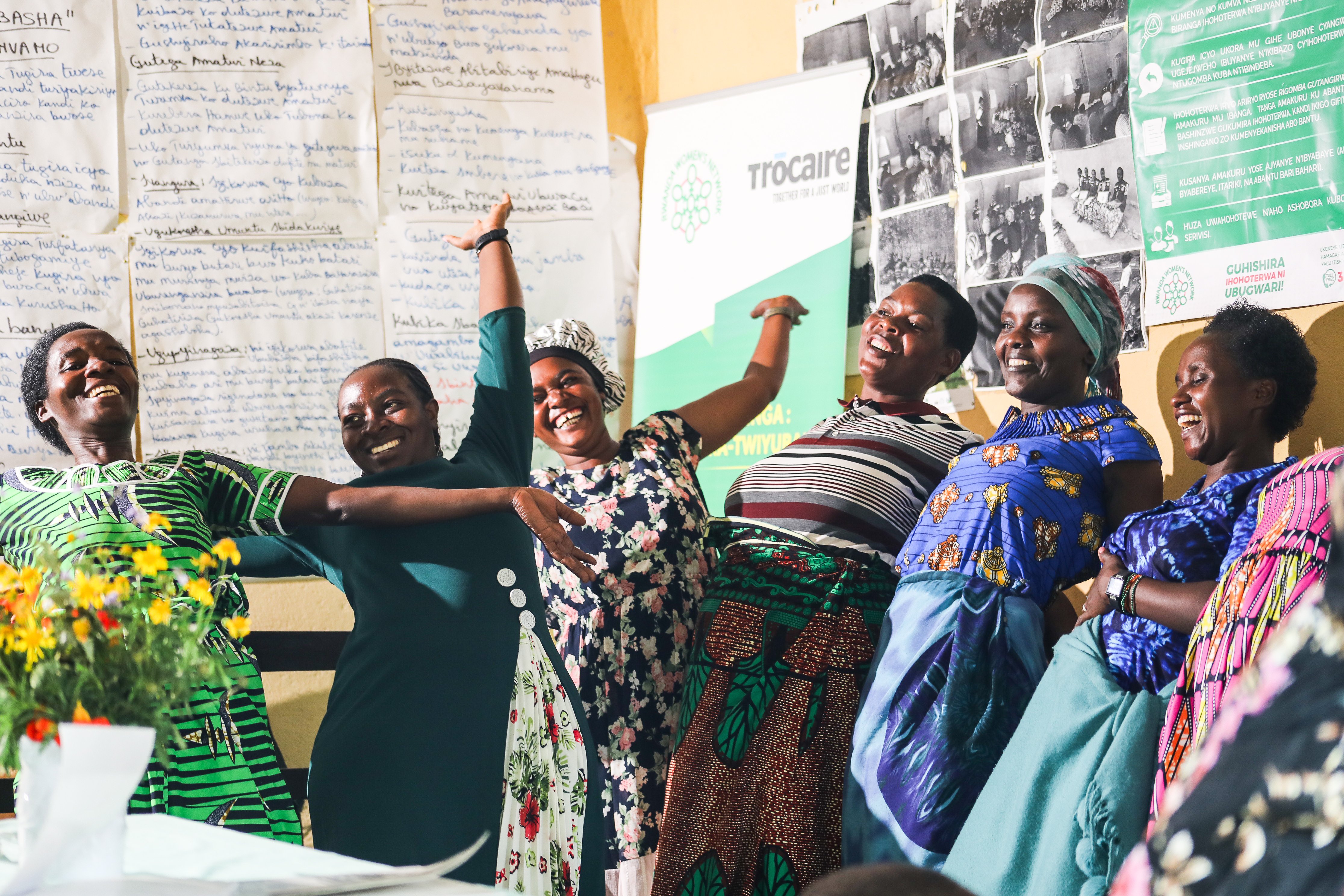
Ireland’s Civil Society Partnership for A Better World (ICSP) is Irish Aid’s €100 million flagship funding scheme for large international civil society partners. It supports partners to deliver long-term development and humanitarian programmes around the world, alongside Global Citizenship Education initiatives here in Ireland. In 2025, ICSP partners worked in 43 countries and have directly improved the lives of over 5.5 million people.
Stories of impact from 2025 Irish Aid programmes

Read the full Annual Report
Download and save the Annual Report or read it through the flipbook: