


From Lusaka to Ireland: 2025/2026 Zambian Fellows Reflect on Life, Learning and Growth
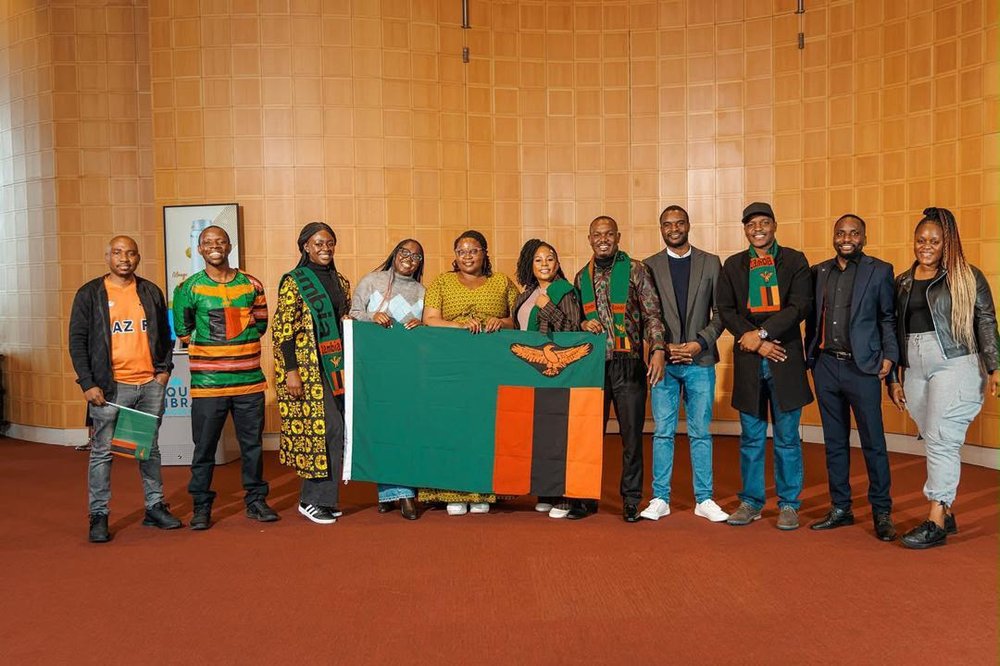
Now fully settled into life in Ireland and approaching the final stretch of their programmes, some of the11 Zambian 2025/2026 Fellows are reflecting on their transformative academic journey.
Through their individual stories shared from universities across Ireland, the fellows offer insight into how they have navigated new academic systems, adapted to a different cultural environment, and grown both personally and professionally. With some expected to return home as early as September upon completion of their master’s degrees, the cohort share their insights and reflect on an experience made possible through fully funded scholarships by the Government of Ireland under the Ireland-Africa Fellows Programme.
Through their individual stories shared from universities across Ireland, the fellows offer insight into how they have navigated new academic systems, adapted to a different cultural environment, and grown both personally and professionally. With some expected to return home as early as September upon completion of their master’s degrees, the cohort share their insights and reflect on an experience made possible through fully funded scholarships by the Government of Ireland under the Ireland-Africa Fellows Programme.
Bwalya Salamu: Adapting, Engaging, and Growing in Human Rights Studies
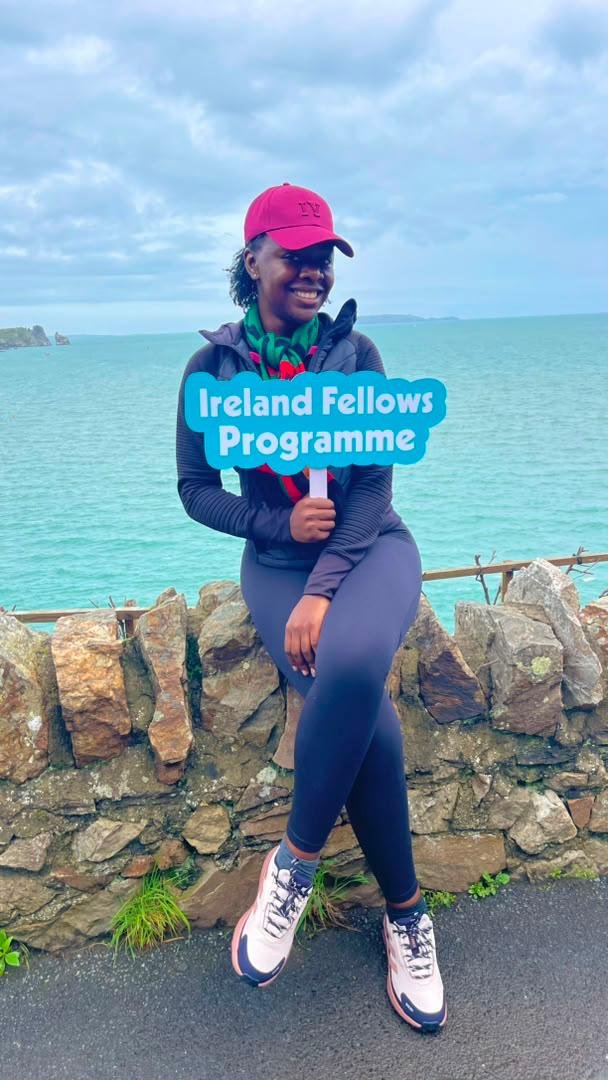
Studying International Human Rights Law and Public Policy at University College Cork, Bwalya describes her academic journey as both engaging and rewarding. “I’m faring very well in my studies. The teaching style is very accommodative, and the school provides all the materials needed”.
While the initial adjustment required getting used to a new education system and Ireland’s weather, she notes that “with time everything fell into place.” Bwalya particularly values the interactive nature of her classes, highlighting how hands-on learning has helped her apply theoretical concepts more effectively.
She also points to significant personal and professional growth. “This fellowship has broadened my worldview and exposed me to countless opportunities,” she reflects, citing improved research, writing, and analytical skills. She adds,
I found it interesting how big a deal Halloween is in Ireland. Of course, it all makes sense since it started here with the ancient Celtic festival of Samhain - they are basically the original party planners.
Stanley Mpumba Masaku: Advancing AI Research with Purpose
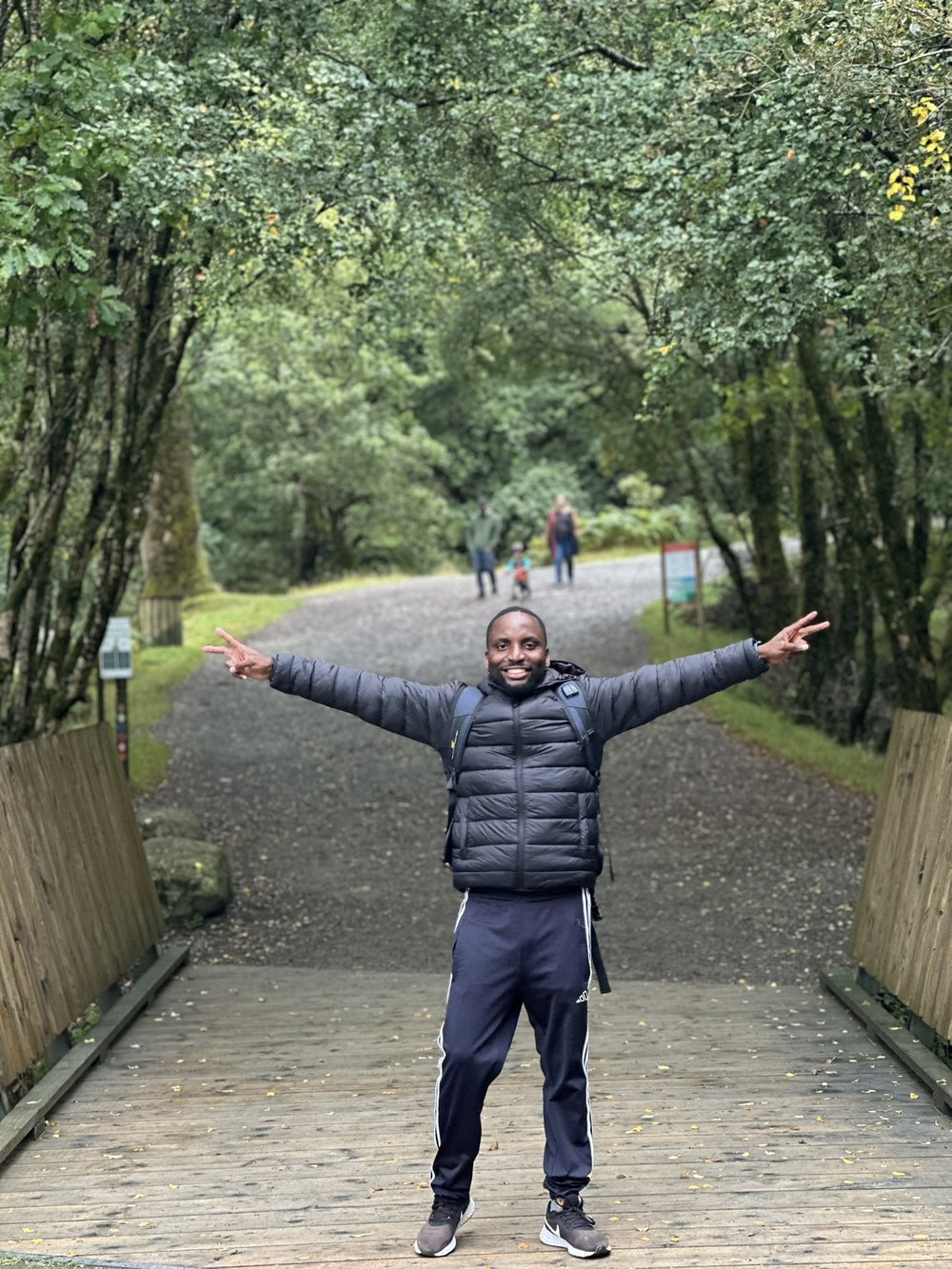
At Dublin City University, pursuing MSc in Artificial Intelligence (Natural Language Processing) Stanley describes his academic experience as “intensive but intellectually rewarding,” noting that he has grown more confident in engaging with advanced research.
He is particularly inspired by the real-world application of his studies, “Working with diverse classmates on real-world AI problems has helped me connect theory with practice,”. His work includes exploring AI solutions for low-resource languages, with the potential to support over 70 languages spoken across Zambia.
Beyond academics, he highlights the broader impact of the fellowship:
It has given me a clearer vision of how AI can meaningfully contribute to development in Africa.
Tiyese Japhet Chirwa: Building Confidence and Competence in Law and Policy
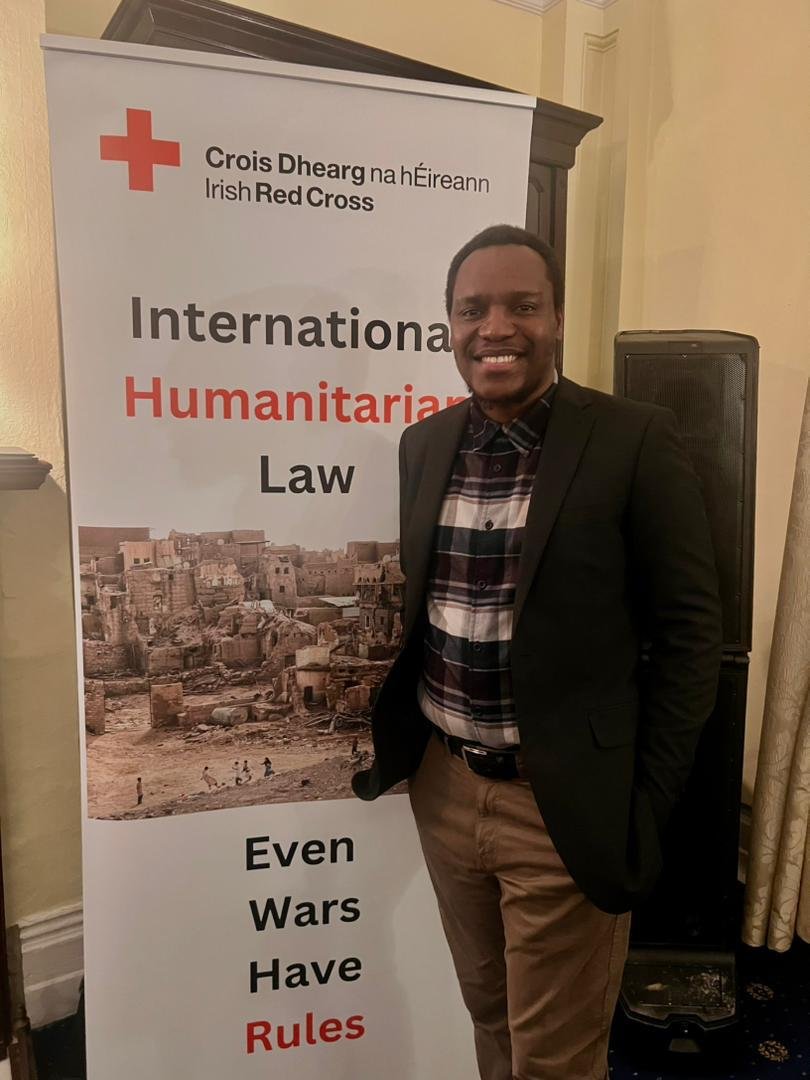
Also at University College Cork, Tiyese reflects on a journey marked by adaptation and achievement during his study of LLM International Human Rights Law & Public Policy. Although the early weeks were challenging, he navigated this by actively engaging with peers and lecturers.
Tiyese values the practical and flexible learning approach, noting that it allows him to draw from his professional experience in Zambia. His growth is also evident beyond the classroom, having been nominated to represent his university in the Irish Red Cross International Humanitarian Law competition early this year in March.
Personally, the fellowship has shaped me to appreciate cultural diversity and to build friendships
he says, while also highlighting increased confidence in public speaking and academic communication.
Maambo Chibolya: Strengthening Policy and Analytical Expertise
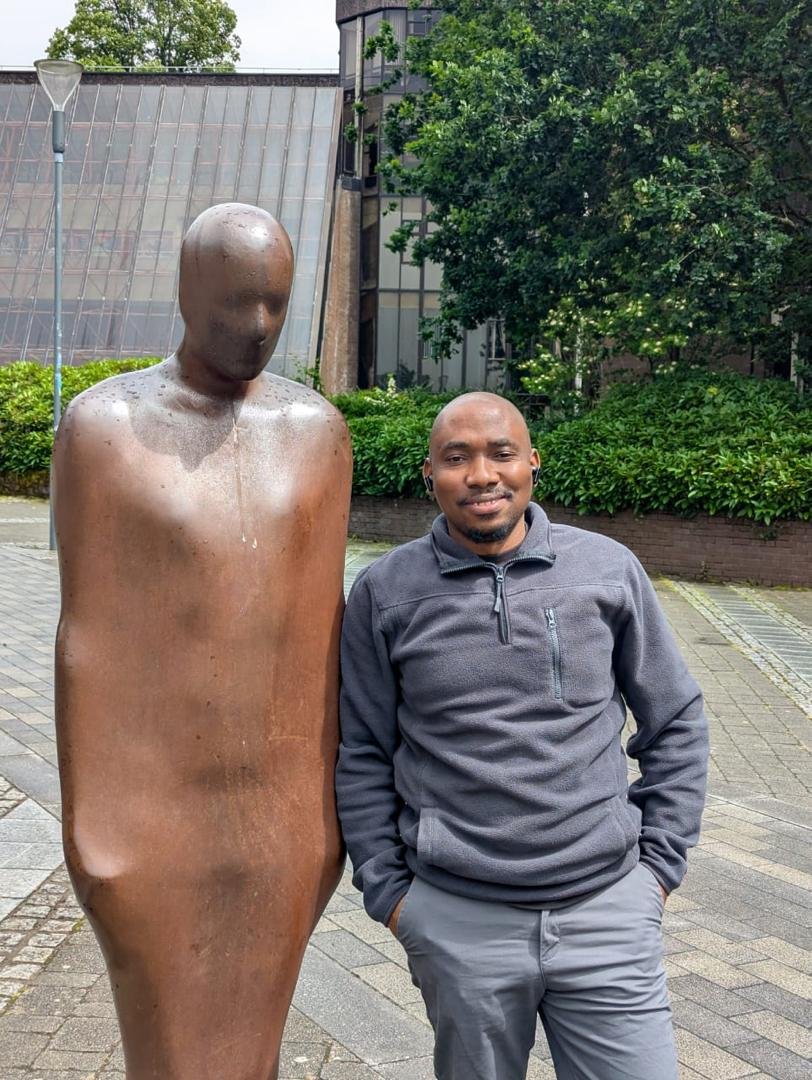
Pursuing an MSc in Economics and Policy Analysis at the University of Limerick, Maambo describes his experience as both challenging and motivating. “From hundreds or thousands of applicants, I was privileged with this opportunity, which fuels me to carry on”.
His studies have enhanced his quantitative and policy analysis skills, reinforcing his commitment to evidence-based decision-making. Outside the classroom, he finds value in quieter moments.
A walk along the Shannon River and across the Living Bridge provides a great moment for reflection.
Maambo sees his experience as preparation for contributing to stronger public systems in Zambia, particularly in areas of financial accountability and legislative analysis.
Mathews Bwalya: Driving Sustainable Finance and Energy Solutions
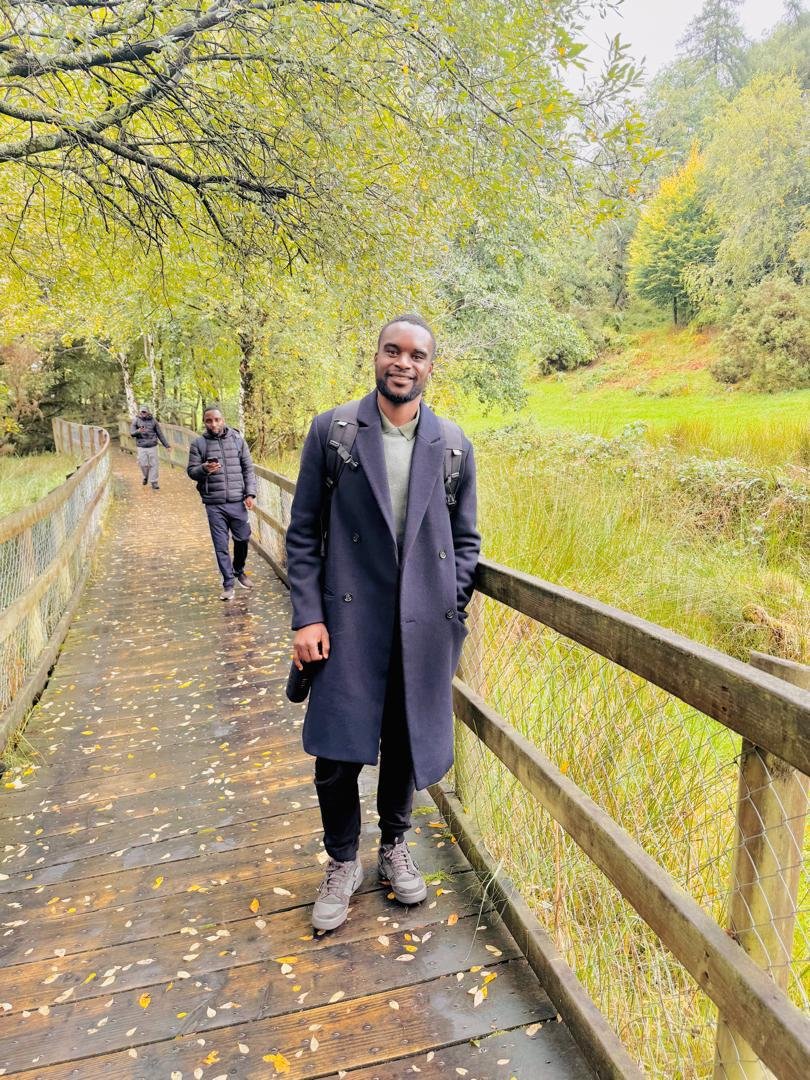
At University College Dublin, Mathews is focused on studying sustainable finance, with a strong interest in renewable energy and policy. He describes his experience as “life changing,” noting both academic and personal growth.
“The biggest challenge was the fast pace of the modules,” he explains, adding that improved time management has helped him stay on track. His studies are equipping him with skills in energy financing and policy tools he hopes to use to address Zambia’s energy challenges.
Alongside his academic adjustment, he shares how he’s getting used to life in Ireland:
I still find it amusing how Irish weather can give you all four seasons in one afternoon. I’ve left the library in sunshine and arrived home in rain, hail, and then sunshine again within 20 minutes. People just carry on here. Back in Zambia, when it rains, everything stops. I’ve learned to accept it and keep walking.
Looking ahead, he aims to influence legislation in renewable energy and sustainability, with long-term aspirations in global climate and energy initiatives.
Shared Experiences: Adjustment, Community, and Academic Growth
Despite studying in different fields and institutions, the fellows share several common experiences. Many describe an initial adjustment period adapting to new academic systems, fast-paced coursework, and unfamiliar environments. However, strong institutional support and peer networks have played a key role in easing the transition.
Interactive and practical learning approaches stand out across the cohort, with fellows highlighting group work, research projects, and real-world applications as central to their studies. These experiences have strengthened critical thinking, analytical skills, and independence.
Life beyond academics has also been significant. Fellows speak of welcoming communities, cultural exchange, and opportunities to connect with people from around the world. From exploring Ireland’s natural landscapes to engaging with its social and cultural life, these experiences have contributed to a well-rounded journey.
Importantly, the fellowship has provided not only financial support but also the space to focus fully on academic and personal development. As one fellow noted, not having to worry about basic needs has allowed them to “focus one hundred percent” on their studies.
Future Perspectives: Applying Knowledge Back Home
As the fellows near the completion of their programmes, their focus is increasingly on returning home and applying what they have learned. Across disciplines, there is a strong emphasis on contributing to national development.
For those in law and policy, this includes supporting legal reform and strengthening institutional frameworks. In technology, there is a focus on developing inclusive digital solutions tailored to local contexts. Others are looking to influence policy in areas such as energy, sustainability, and economic development.
“I’m looking forward to reconnecting with my community and applying the knowledge and skills I’ve gained,” says Bwalya. Similarly, Stanley aims to contribute to AI-driven innovations, while Mathews plans to support policy reforms in the energy sector.
Collectively, the fellows’ experiences reflect a commitment to translating global exposure into local impact bringing back not only academic knowledge, but also new perspectives, skills, and networks.
For those who would like to apply to become a Fellow, applications for the 2027/2028 Cohort will open next month July 2026. Information will be available on the Embassy website as well as via our social media channels.
You may also be interested in these articles
26 May 2026
Looking Back: Zambians in Ireland Celebrate Africa Day 2026 in Dublin
The aroma of traditional dishes, the vibrant colours of cultural fashion, coupled with music and dance, once again came alive this May as African communities and friends across Ireland marked Africa Day 2026.
Read more
31 March 2026
St. Patrick’s Day 2026 Celebrations in Lusaka
On 17 March 2026, the Embassy hosted a St. Patrick’s Day reception in Lusaka, bringing together 400 Irish citizens and friends to join in the global celebration of Ireland’s national day.
Read more
9 March 2026
2026 St Patrick’s Day Events in Lusaka
The Wild Geese Society of Lusaka will be hosting exciting events to celebrate St. Patrick’s Day this year — celebrating Irish heritage, friendship, and community spirit right here in Zambia.
Read more
7 March 2026
A Life of Quiet Courage: Sr. Mary Lucey’s Journey of Service in Zambia
Sr. Mary Lucey never planned to become a missionary. Yet for more than three decades, her life became deeply rooted in Zambia, shaped by partnership, perseverance, and an unwavering belief in the dignity and potential of local communities.
Read more