
The Embassy of Ireland’s Development Programme in Senegal
Ireland’s international development cooperation programme, Irish Aid, works with partners around the world to tackle poverty, hunger and humanitarian need and achieve the Sustainable Development Goals (SDGs) and in line with our international development policy, A Better World.
Ireland believes in creating a more equal, peaceful and sustainable world. We support long-term development programmes to help bring about positive change in the lives of people around the world. We also fund humanitarian relief to provide targeted aid to people experiencing crisis.
Ireland is continuing to grow our humanitarian and development support around the world in 2026, with the Department of Foreign Affairs and Trade’s Official Development Assistance (ODA) budget increasing a record €840 million. An overarching focus for Ireland’s international development programmes is targeting in the furthest behind first and working in world’s most fragile and conflict affected contexts.
Key priorities for Ireland’s international development programme include addressing climate change, promoting gender equality, strengthening governance and reducing humanitarian need. As a country that has historically experienced famine, Ireland has been a long-standing champion of global efforts to reduce hunger and starvation.
Ireland’s own story of development has given us first-hand experience of the importance of investing in health systems, quality education and social protection for the most vulnerable people. Our experience of conflict and reconciliation on the island of Ireland underpins are commitment to support peace and stability globally.
Partnering for development: Senegal Vision 2050
Since the opening of our new Embassy in Dakar in 2023, we have initiated a number of development cooperation partnerships in Senegal with a particular focus on food security, climate and gender equality. Partnerships also target support for citizen engagement and inclusive governance with a focus on youth empowerment.
Our approach has been to identify a number of programme partnerships that give expression to Ireland’s development priorities and support the government of Senegal’s national development plan Senegal Vision 2050, with a focus on meeting the needs of those furthest behind.
Ireland works with a host of UN agency, bilateral and multilateral partners, NGOs and civil society to support positive change in the lives of people in Senegal. A key priority for Ireland’s development finance in Senegal is the empowerment of women and girls and 90% of our development finance targets gender equality as a principal or significant objective.
Food security and support for sustainable food systems
Key priorities for Ireland’s development cooperation programme in Senegal include support for food security, sustainable food systems and climate action with a focus on women and youth.
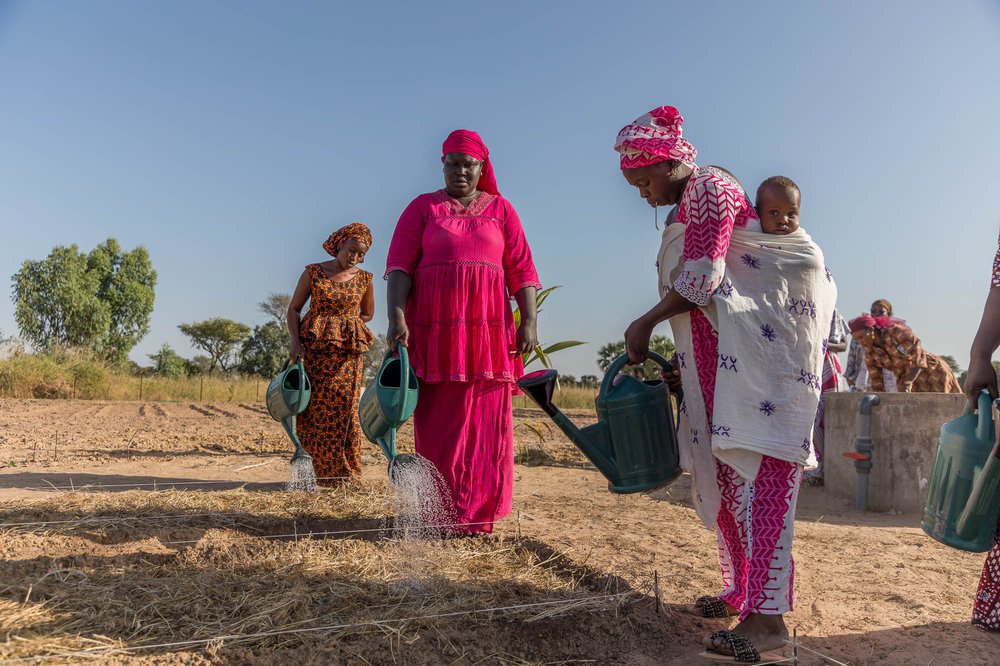
Ireland’s development budget directly supports agricultural production and food security in Senegal’s rural regions most impacted by climate change and food insecurity. Embassy Dakar’s engagement on food security and climate resilient agriculture includes support to UN Agencies. Ireland partners with IFAD and FAO in the sylvo-pastoral zone in the north of the country to strengthen household food security, increase soil fertility, and improve access to markets for locally grown produce.
Ireland also supports food security through food for assets activities and community capacity building on natural resource management under WFP’s 4R Rural Resilience Initiative in Senegal.
Ireland’s funding supports programmes implemented through the Senegalese government by the Ministry of Agriculture, Food Sovereignty and Livestock, the Ministry of Environment and Ecological Transition and the Senegalese Agency for Reforestation and the Great Green Wall (ASERGMV).
Climate action
Climate is a cross cutting theme for Embassy Dakar, with our agricultural programmes all having multiple climate related activities, and many of our governance and civil society programmes linked to the impact of climate change on populations, such as conflict and displacement. 75% of the Embassy’s funding in Senegal is categorised as climate finance.
Since 2023, Ireland’s Embassy has provided funding to UN Women’s project ‘Genre et Economie Verte’. UN women are working with the Ministry of Environment and the Ecological Transition to promote greater access to green finance for women agricultural producers in Senegal.
We also work with Senegalese organisations working at the community level in particular to promote women’s economic participation in value chains linked to climate adaptation and mitigation, and environmental protection.
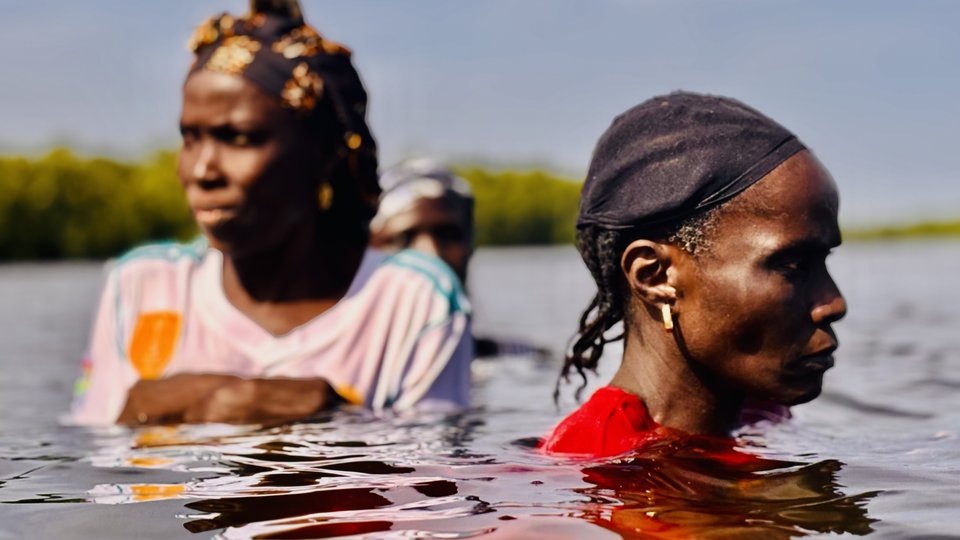
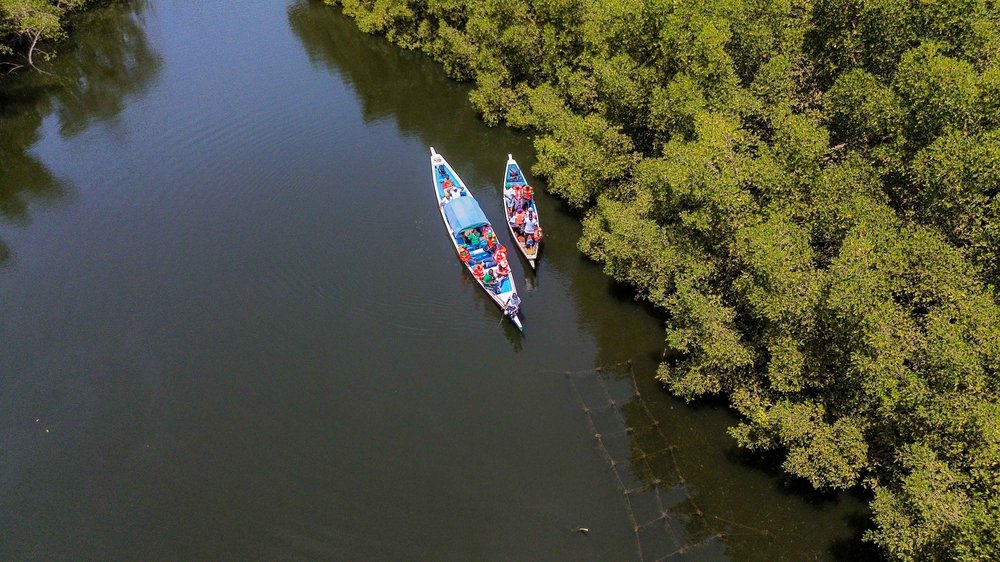
Ireland’s Embassy is supporting Senegalese NGO Enda Energie to strengthen the resilience of communities, in particular women engaged in oyster harvesting, in the Bamboung and Sangomar Marine Protected Areas in Sine Saloum. In 2026, activities under this project have also expanded to the Casamance region, including for support for the restoration of the mangrove ecosystem, through the planting of mangrove trees.
Ireland is also collaborating with Senegalese NGO Nebeday on the Initiative CASAMARINE in the Aire Marine Protégée d’Ufoyaal Kassa-Bandial in Casamance that seeks to enable women to develop financial independence through the preservation and restoration of endangered ecosystems. This project supports the creation women’s cooperatives working in oyster production in mangrove ecosystems. Through our support to Nebeday, the women’s cooperatives are able to increase their income and production, while protecting the ecosystems and environment on which they depend.
In 2026, Embassy Dakar launched the Fonds Yaakaar Envioronment with partner Consortium Jeunnesse Sénégal. This programme will provide technical capacity training and funding to organisations led by women and youth in rural regions, for projects addressing the impact of climate change on their communities. The Embassy’s climate-specific programming is geographically diverse, with projects in the Siny Saloum, Casamance, Tambacounda, and Kédougou regions.
Support to civil society and strengthened governance and youth empowerment
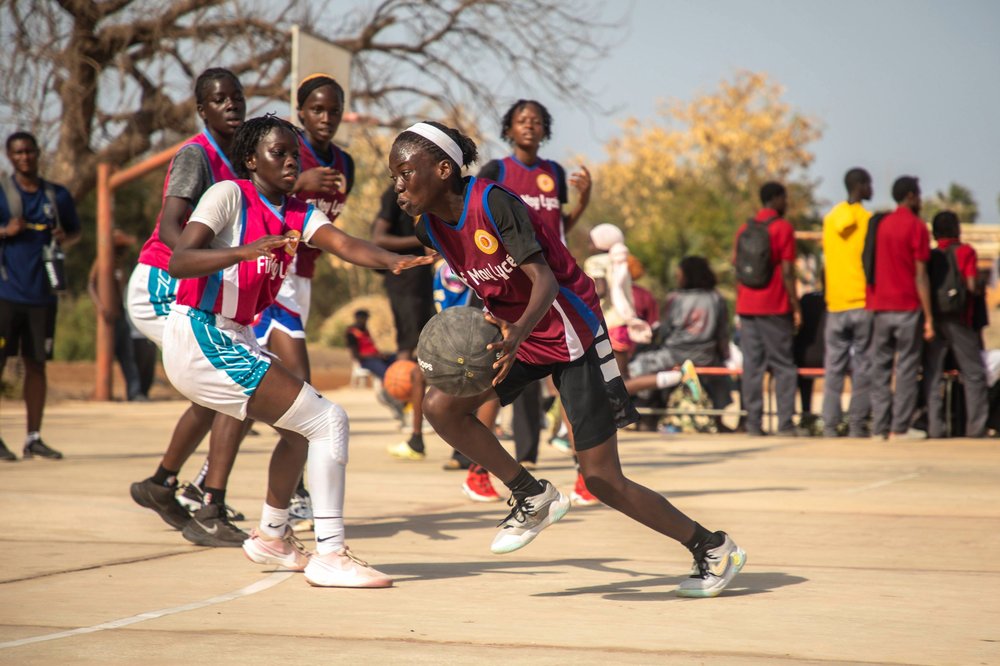
Embassy Dakar provides support civil society local actors working across the civil society space. In Senegal, Ireland supports a number of think tanks and research organisations with regional focusses, who lobby, advocate and education people on democratic participation, elections, security, climate, conflict and gender equality. The Embassy has also sought to prioritise of efforts to sports4development in Senegal, in particular sport for the empowerment of women and girls.
Since 2025, the Embassy has support FIT! Initiative Senegal, a Team Europe Initiative that supports pathways for young people towards vocational and technical training and employment opportunities across the 14 regions of the Senegal. FIT! Senegal includes pooled funding from France, Italy, the EU, Germany, Luxembourg, Ireland, Switzerland, and the Netherlands. The FIT! Senegal Initiative is specifically designed to support youth vocational education, training and employment in the context of the Dakar 2026 Youth Olympic Games and for its legacy. . Ireland’s contribution to the initiative specifically targets the inclusion of women in vocational training and professional opportunities.
Ireland has a longstanding partnership with Sightsavers Senegal to support programmes on disability inclusion in the areas of health, education and political participation. Sightsavers Senegal work in cooperation with the Ministry of Health and the Ministry of Education and with communities on social inclusion and access to disability services across the country’s 14 regions.
Small Grants Scheme
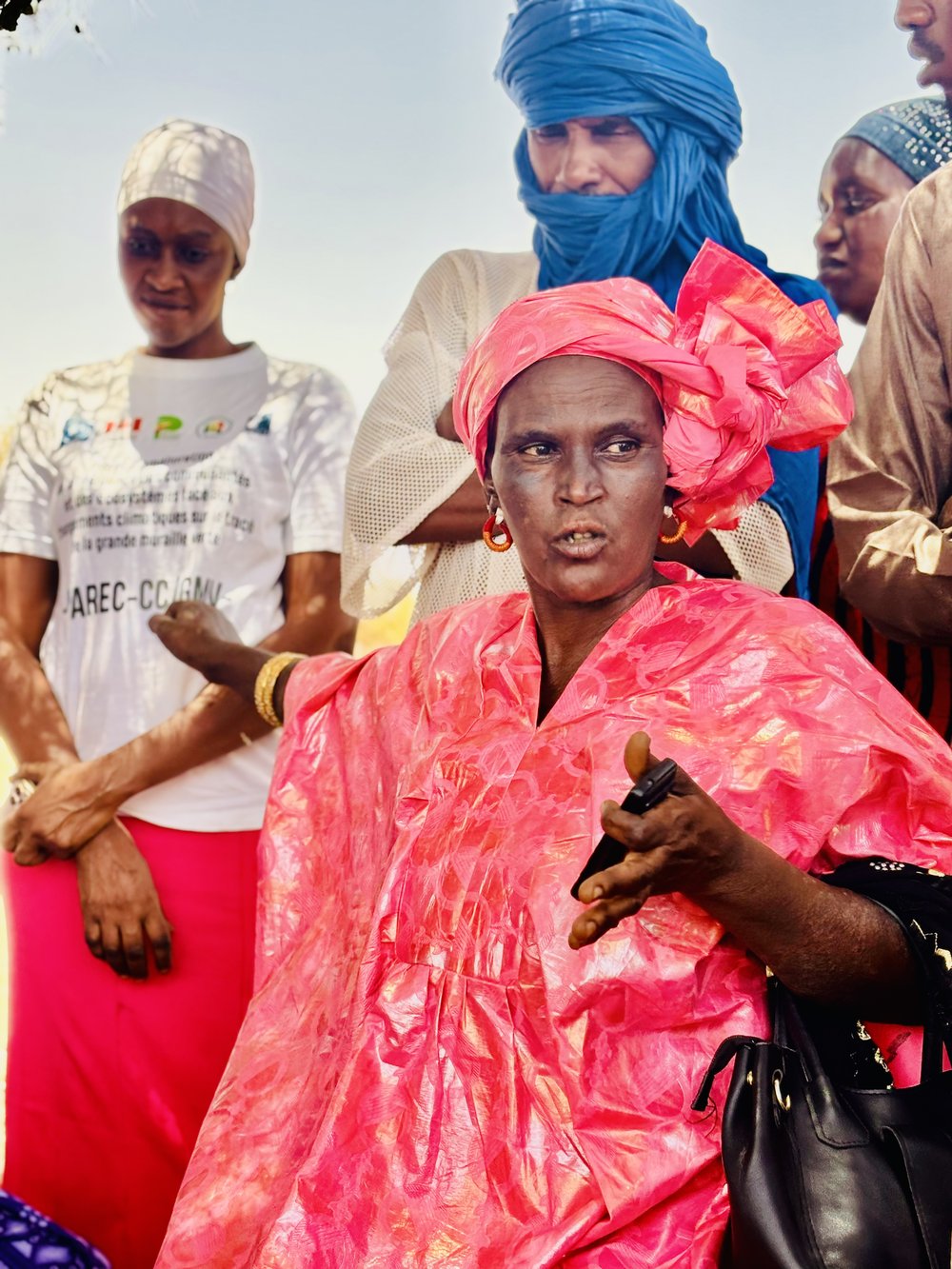
The Embassy of Ireland has a number of small grant partnerships with Senegalese NGOs working at the community level to in the areas of food and nutrition, culture, education, gender equality and climate change. These grants provide flexible funding to CSO’s and NGO’s working at community levels throughout the country. The Embassy acknowledges the importance of providing support to local organisations and local projects, and as such has diversified its small grants programme to support actions on climate, gender equality, education, social cohesion and development through sport.
Ireland Fellows Programme
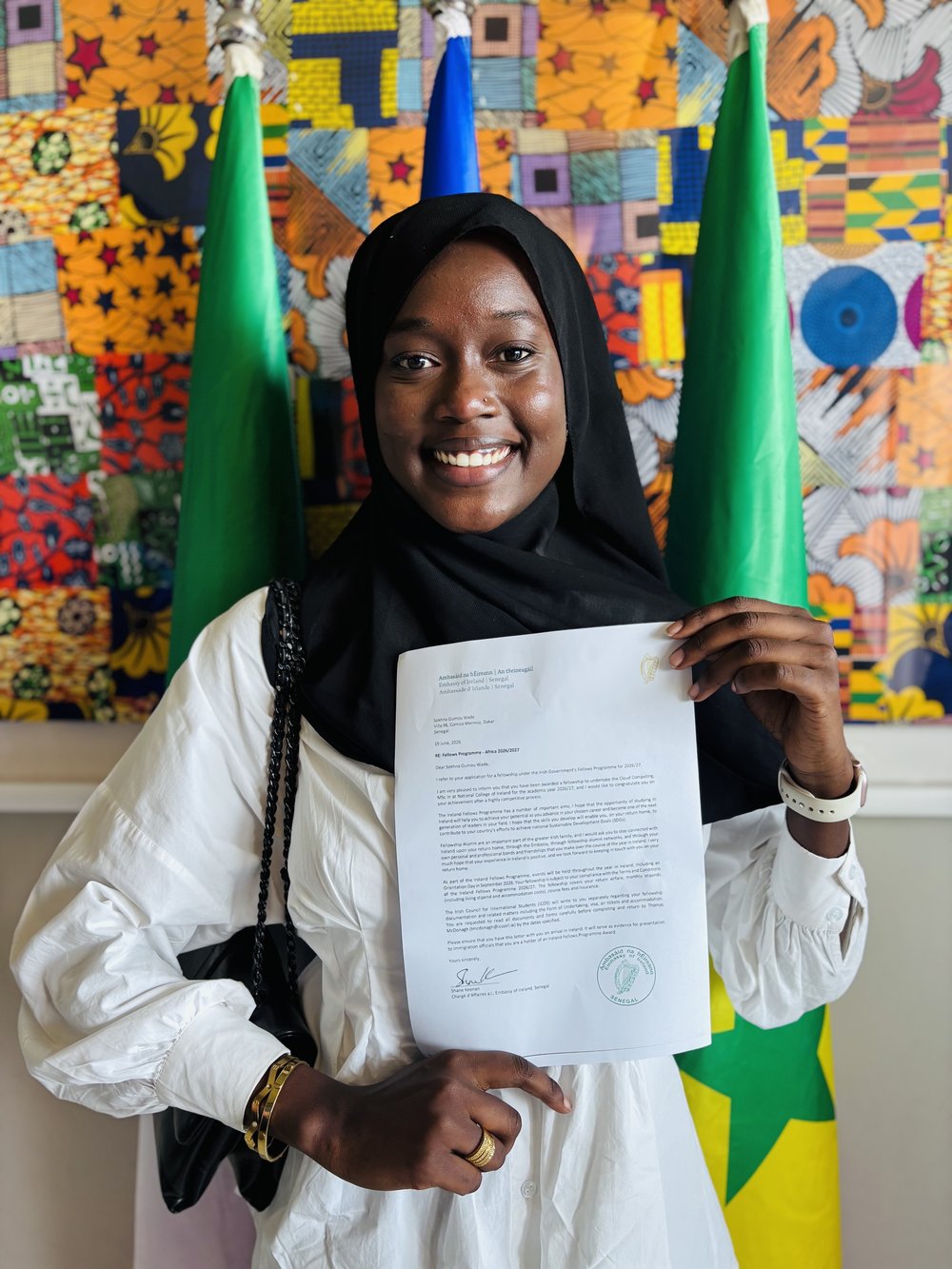
In 2023, the Embassy of Ireland in Dakar expanded the Ireland Fellows Programme to Senegal. This programme grants scholarships to young Senegalese students and professionals working to promote the SDGs to undertake a master’s degree at universities in Ireland. Since 2023, 11 young professionals from Senegal have received scholarships to undertake master’s at Irish universities in a wide range of disciplines under the programme. For more information on the Ireland Fellows Programme visit https://www.ireland.ie/en/ireland-fellows-programme/
Research and institutional partnerships
The Embassy is also focused on supporting institutional linkages between Ireland and Senegal. Irish Aid funding is supporting a research project between the Institut Sénégalais de Recherches Agricoles (ISRA) and Maynooth University on future proofing Senegal’s Great Green Wall. The project uses environmental growth chambers to identify tree species most resilient to Senegal’s future climate conditions and to build capacity for monitoring reforestation and assessing ecosystem service delivery.
The Embassy is supporting the ongoing commercial partnership between the Institute Pasteur Dakar and Ireland’s National Institute for Bioprocessing Research and Training (NIBRT) to support Senegal’s ambition to become a regional hub for the the production of vaccines. The Embassy has is also working academic links between Ireland and Senegal, including in the areas of English literature and the arts.