


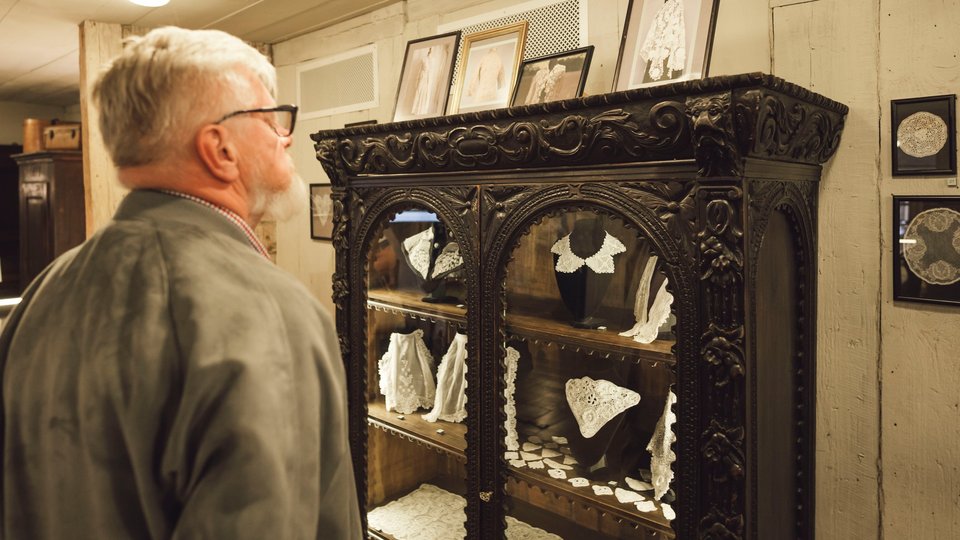
How Irish lace made its mark on Latvian fashion
A lesser-known connection between Ireland and Latvia lies in our craft and textile traditions. Ireland is famous for its Aran sweaters and Latvia for its knitted gloves, both motivated by a wish to keep warm during our cold winters, but a love of delicate and intricate craft is evident in our cultural traditions. Ireland’s lacemaking tradition has influenced Latvian lace and its story was uncovered in special collaboration between the Guild of Irish Lacemakers and the Interior Museum of Liepaja.
Cultural Heritage
“There is a long tradition of lacemaking in Ireland. However it wasn’t until the 19th century that it became a significant industry. Peasant women were taught how to make lace in Lace Schools, giving them a significant income. Many of them used this money to emigrate, especially during the time of the Great Famine of the 1840s. The industry died out in the early 20th century, however the tradition of lacemaking has been kept alive by enthusiasts throughout Ireland and abroad.” explains Bairbre Guilfoyle from the Guild of Irish Lacemakers.
As the lacemaking industry in Ireland developed, it became fashionable to wear lace in European society. Riga, a flourishing trading city of the Hanseatic League, was no different and Irish lace styles were published in fashion and homemaking magazines influencing Latvian crafters and designers.
Dagmāra Prīberga, Latvian lace historian, explains how what became known in Latvia as “Irish lace” or “Īru mežģīnes” made its way into Latvia:
“In Latvia, Irish crocheted lace is a favourite type of needlework, which came into fashion at the turn of the 20th century. Collars, vests, jackets, coats, scarves, blouses and other clothing items were made in this technique. Latvians also paid special attention to the decoration of room textiles, so they often used towels, sheets, etc. and decorated them with gorgeous lace made in the Irish technique. Depending on the intended use, linen, cotton or wool yarns were chosen for making lace.”
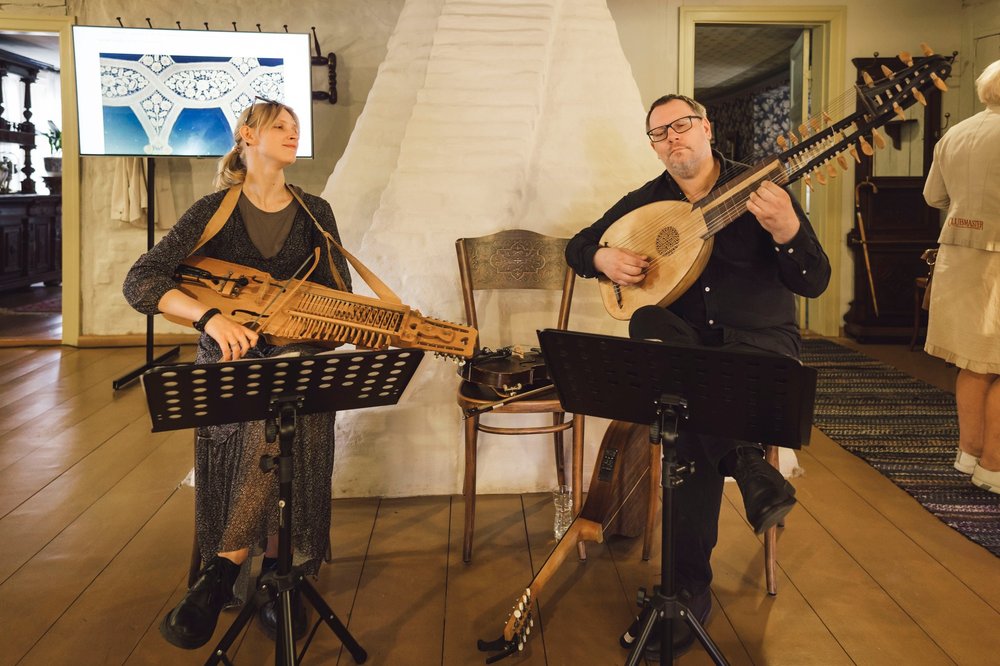
Celebrating shared traditions
As new generations of textile artists explore the heritage of Latvian and Irish craft, the story of Irish lace in Latvia will continue.
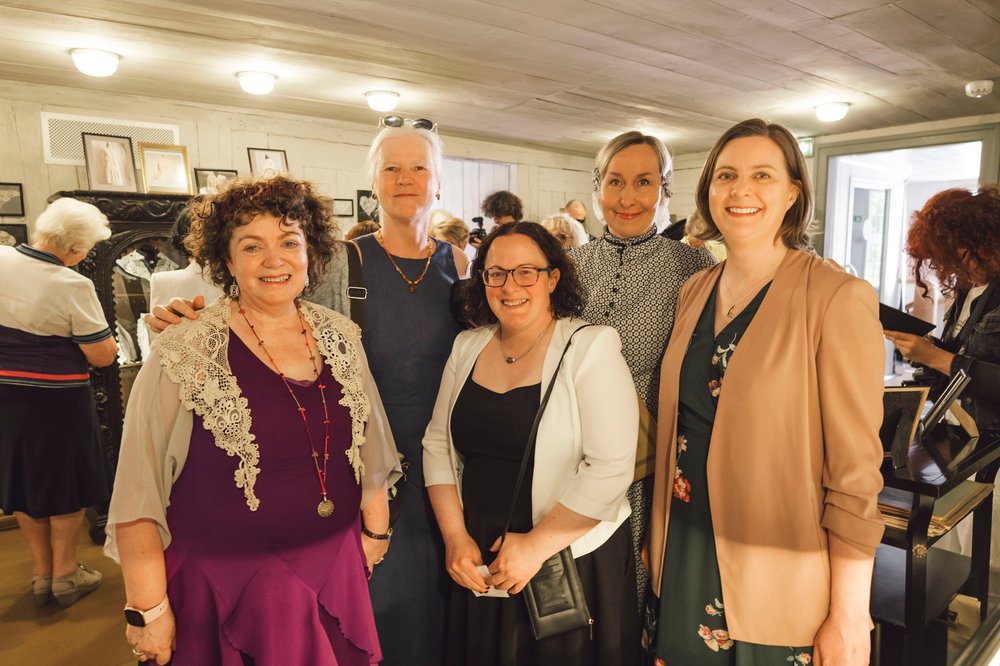
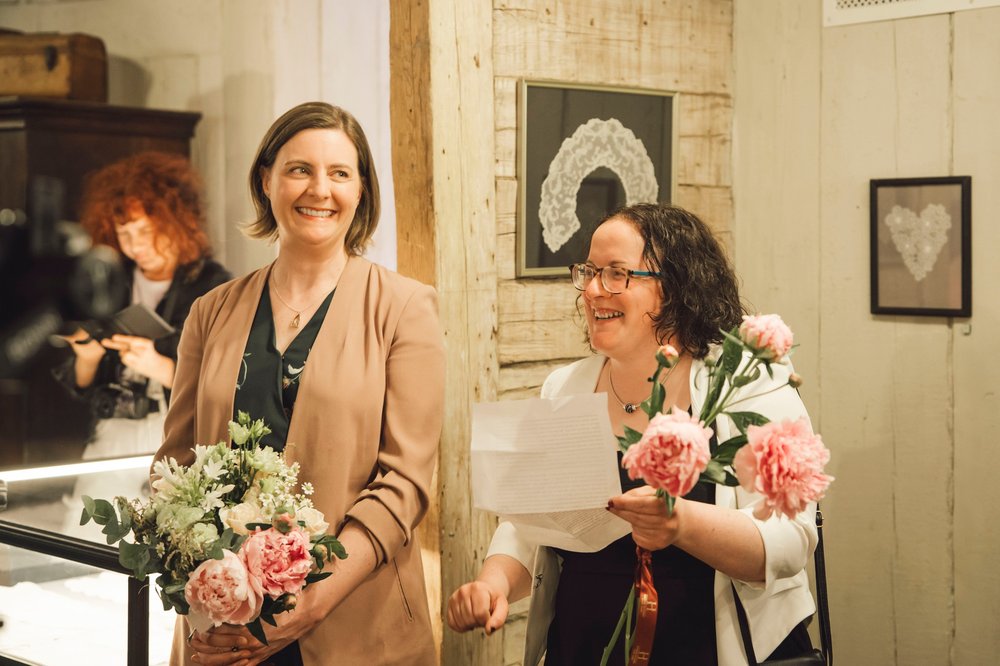
To celebrate this rich historical connection, the Embassy of Ireland to Latvia, in partnership with the Guild of Irish Lacemakers and the Liepāja Museum, brought a unique exhibition of Irish lace, “Delicate Beauty”, to the historical port city of Liepāja for the summer of 2024.
Watch below where as part of the exhibition run, local Latvian crochet enthusiasts were invited to take part in masterclasses run by Máire Treanor, a skilled, experienced lace-maker from Ireland. Máire led the participants in making motifs from Clones lace – the rose and the Clones knot.
Modern-day influences
Interest in Irish lace continues to this day in Latvia as crafting techniques and textile art, including weaving and wool crafts, feature prominently in Latvian design. The collaboration between the Guild of Irish Lacemakers and the Interior Museum of Liepaja brought over 50 pieces of Irish lace, modern and vintage, to Latvia for a unique exhibition showcasing the breadth of design, technique and skill behind this delicate craft. Discover it for yourself in this beautiful video which shines a light on this little-known connection.
Linda Rozentāle-Roze, External Relations Coordinator of Liepāja Museum, tells about the impact of the exhibition and the research it led to, helping to see the “many common threads can be found between our two cultures, and this encourages us to continue looking for ways to bring the friendship of the two countries closer and to build close ties in the field of cultural cooperation.”
Latvian Lace Inspired By Ireland
With thanks to: Department of Foreign Affairs of Ireland; Design and Crafts Council of Ireland; Interior Museum of Liepaja; Guild of Irish Lacemakers; Dagmāra Prīberga; OHM.lv.