5 Irish woodworkers shaping a new tradition
Ireland’s relationship with the land has long shaped our craft traditions, and wood has always been one of our most familiar materials. From the forests that define our landscapes came the handcrafted tools, instruments and heirlooms that played a central role in everyday life for generations. Each piece carried the unique mark of the maker’s hand.
Today, that connection continues through a new generation of craftspeople who are reinventing their approaches to how Irish wood can be utilised and celebrated.
These five Irish woodworkers are transforming native timbers into objects of art and design, each telling a personal story of heritage and modern creativity.
Eoin Reardon
There is an undeniable devotion in the way Eoin Reardon approaches his craft. From his workshop in Crossbarry in County Cork, Reardon works as a traditional woodworker and content creator, building a world that bridges the old and the new by introducing a digital generation to the art of time-honoured techniques.
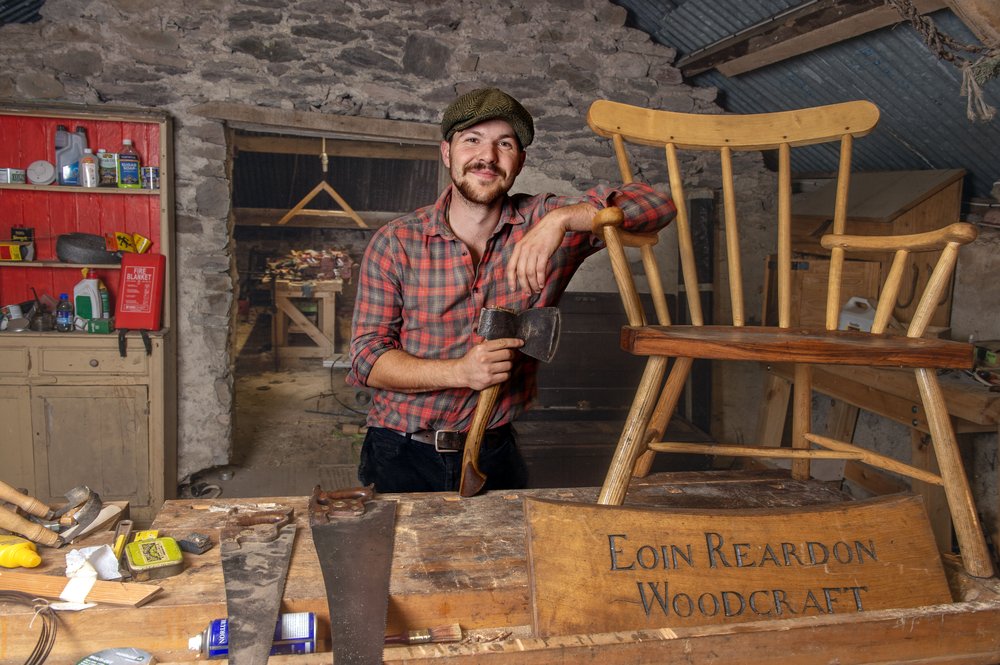
His work celebrates Ireland’s rich heritage of woodworking, from small, intimate and iconic pieces like noggins (wooden drinking cups) and shillelaghs (wooden walking sticks and cudgels) to larger works like furniture and even currachs (wooden boats). His work is, at its heart, an act of cultural preservation.
What fascinates me most is not only how these objects were crafted with such scant materials and delicate skill, but also the traditions, customs, and folklore woven into their making
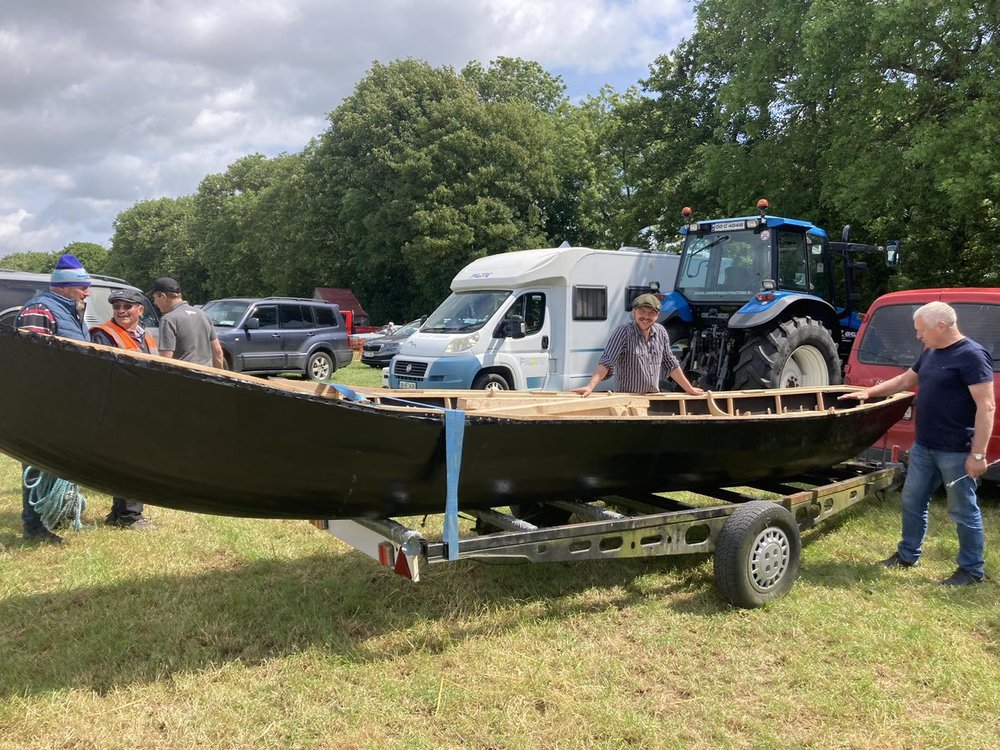
What began as a personal passion grew into something much larger when, in 2022, he left his commerce studies to pursue his craft full-time.
Through his platform, @PintOfPlane, he shares the techniques of a traditional craft, and the beauty that can be coaxed from unassuming materials. He has accrued an audience far beyond Irish shores drawn to the rhythm of his work, the sound of the blade cutting through the grain and the sense of tenacity that underpins it all.
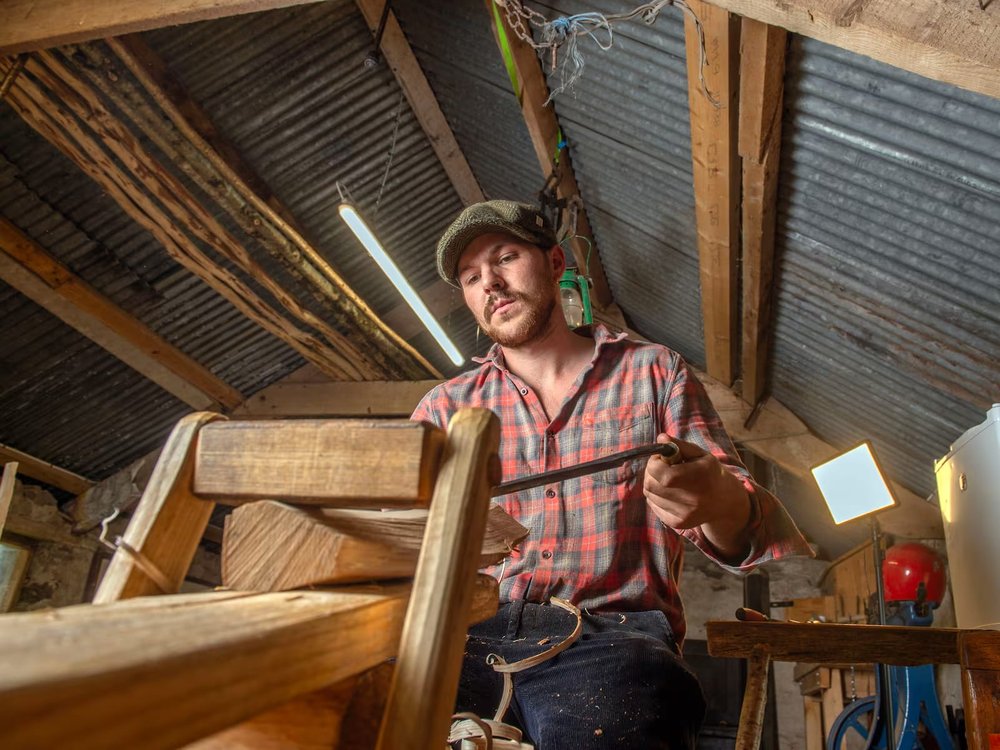
Reardon demonstrates traditional methods where he not only designs but also restores pieces, breathing new life into worn chairs and tools that might otherwise fade from use. To his audiences, he represents how the old ways have a place in the future.
Rowena Sheen
Rowena Sheen creates jewellery that is both rooted in nature and contemporary in composition, from native Irish woods, sterling silver, and beeswax from Burren wildflowers. Her work blends sustainability with exciting new technologies such as laser cutting to create timeless pieces.
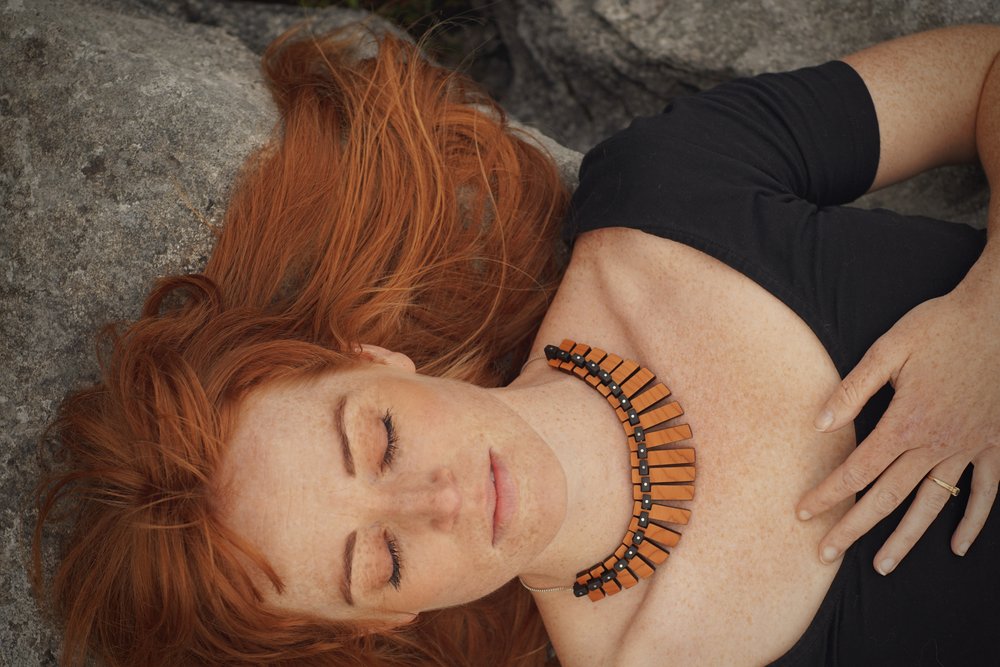
Coming from a family of designers and makers, she grew up with a reverence for natural and locally sourced products and materials, values she carries into everything she makes.
Her reconnection with home after some time away is where she began to explore the potential for using locally sourced wood in conjunction with laser cutting to produce a range of contemporary, natural and sustainable jewellery.
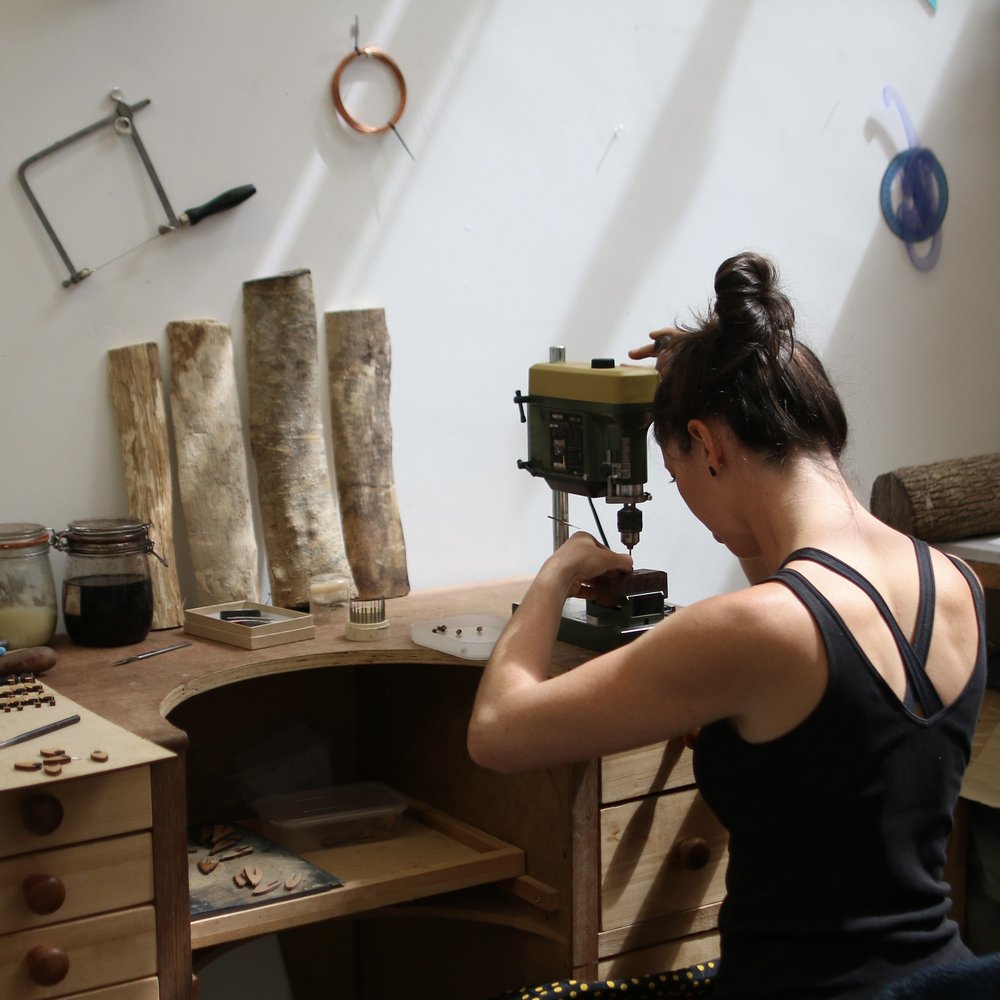
Yew, one of Ireland’s oldest native trees, lies at the heart of her process. Collected from the local landscape, and left to dry naturally over many years, the wood carries its own quiet history.
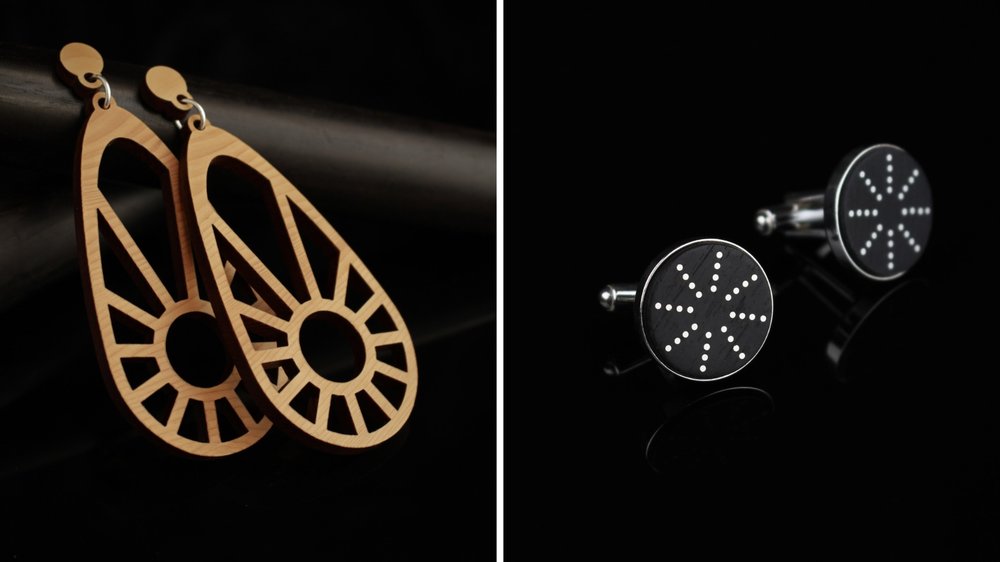
On its journey from raw tree trunks to its finished form, the wood is cut and sanded to a smooth finish. Each piece is drawn digitally and laser cut into delicate components, then further shaped and refined by hand. Iron oxide brings depth and darkness, and elements of silver inlay add glimmers of contrast into her work.
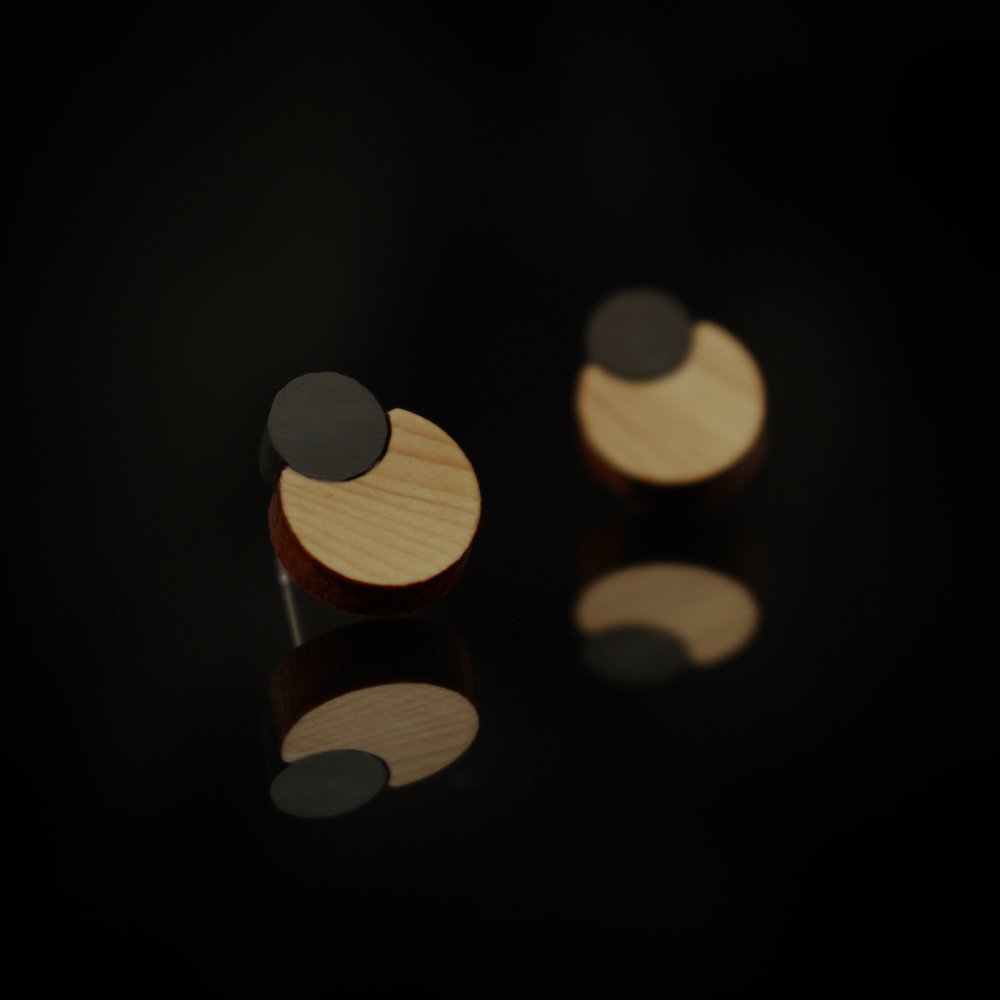
Visually, she draws upon the complexities of the organic geometry that underlies so much of our natural world, developing lightweight, wearable pieces of art.
Vincent Stack
Vincent Stack of Blind Craft Wood Turning always felt a connection to his hands, using them to create and repair projects his entire life. When he lost his sight at age 25, his relationship with craftsmanship was forever changed.
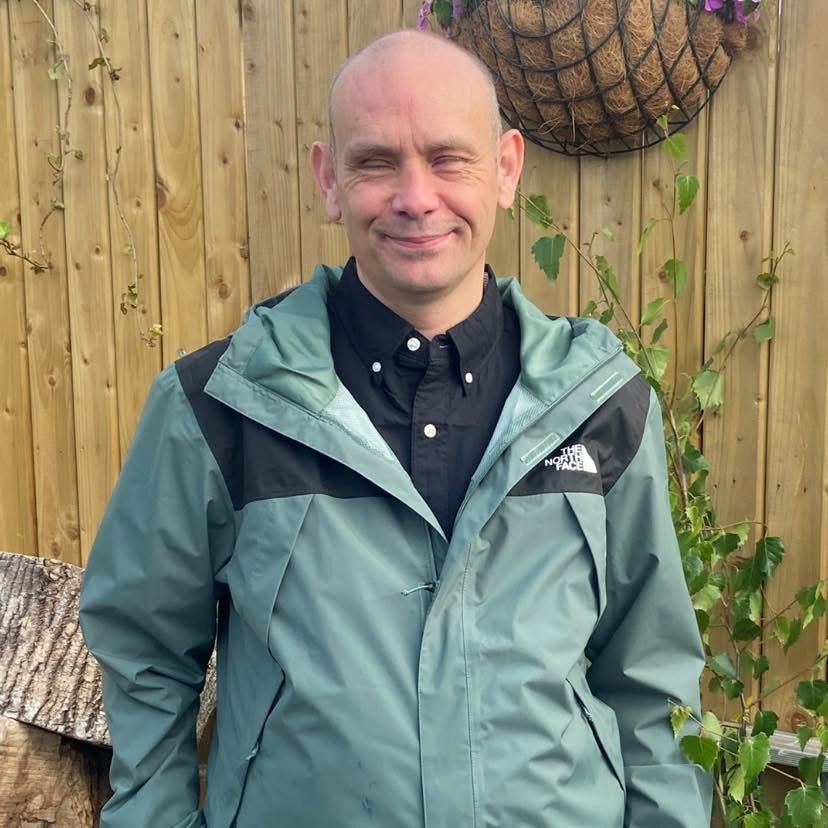
When the opportunity arose to learn from a seasoned woodturner, he jumped at the chance. For Stack, this was not only about mastering a new skill, but a journey of discovery.
He relies on tactile and audio feedback to inform his craft, and confesses to often losing track of time in his workshop.
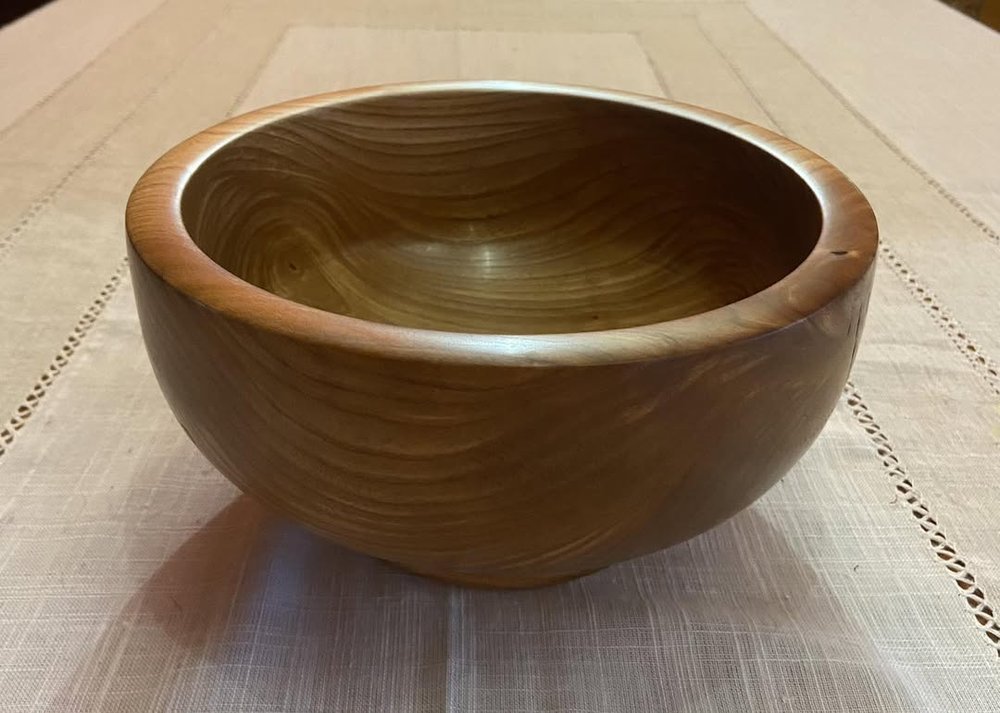
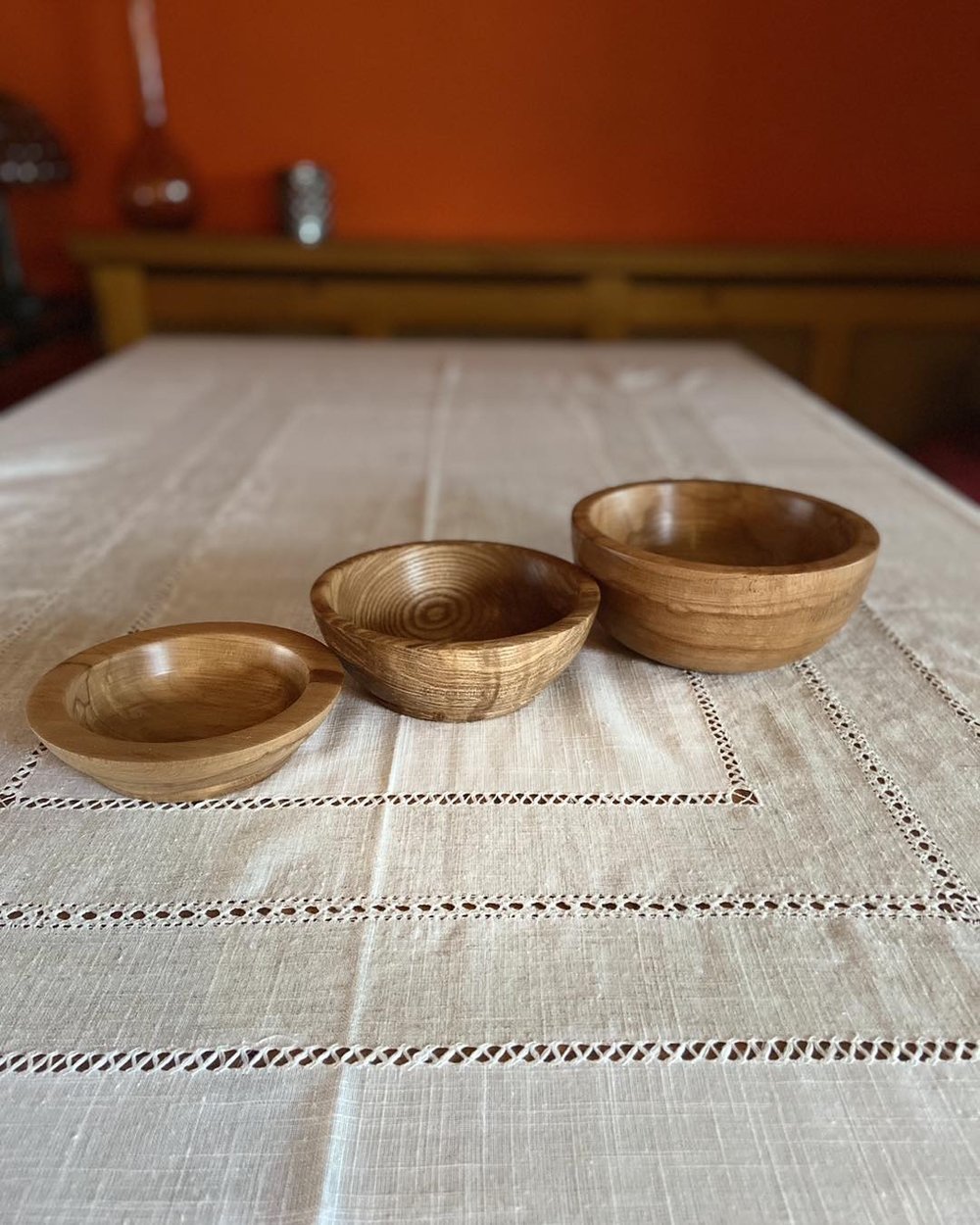
As the wood spins on the lathe I can feel the shape take form under my hands, guided by my tools. I love getting a trunk of a tree and transforming it into something else, whether it be a large fruit bowl or a simple handmade pen and everything in-between.
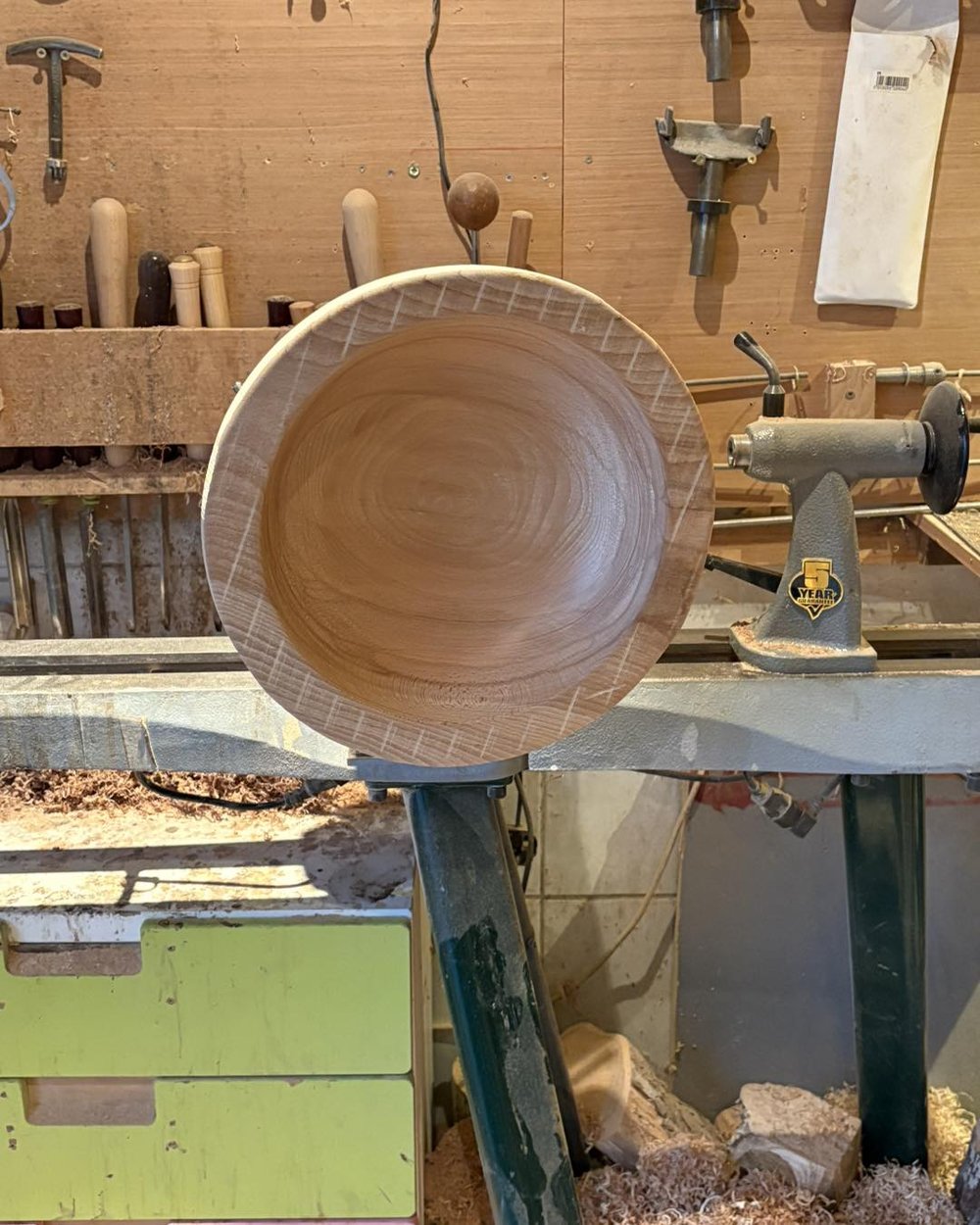
Each piece begins as a simple piece of timber, cut from a log and brought to life on the lathe. As the wood turns, the rough exterior gives way to a balanced shape through touch, sound and a healthy dose of patience.
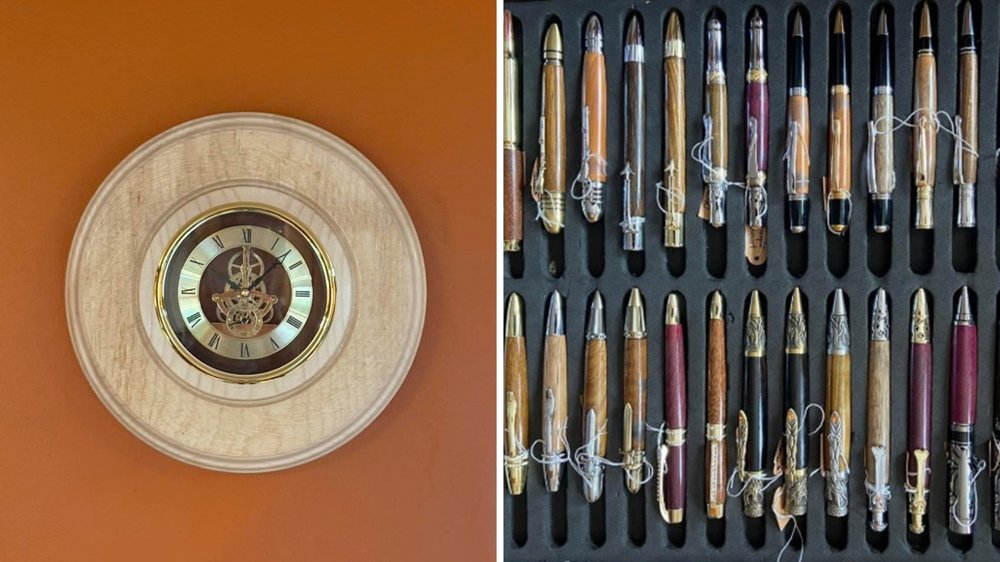
The woodgrain in his work is never masked, only ever enhanced as oil and wax deepen its natural colour and texture. Blind Craft Wood Turning on Instagram and Facebook are Stack’s platforms to sell and display his pieces from elegant pens to show-stopping fruit bowls, each bearing the quiet signature of his skill and care.
Eibhlín Ní Chongháile
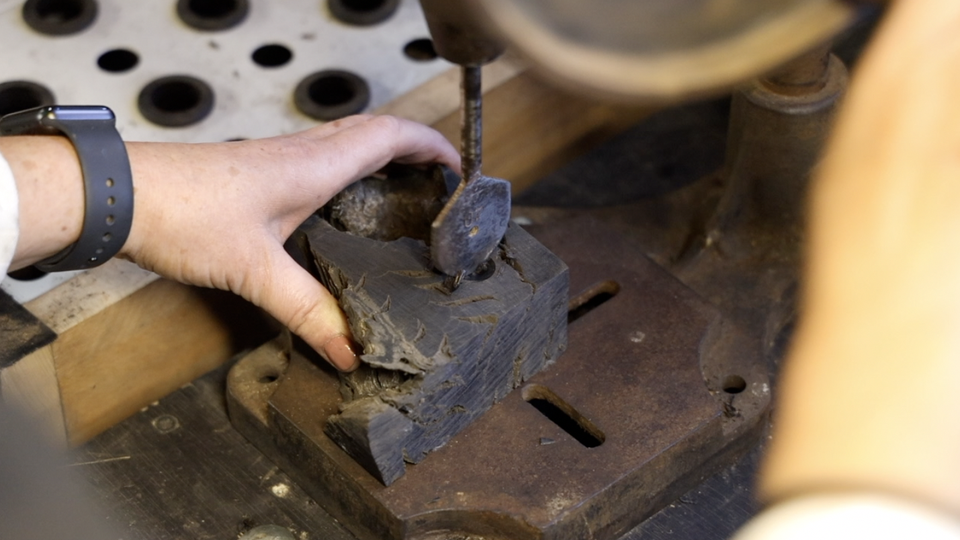
Eibhlín (Helen) Ní Chongháile is a sculptor who works with bog oak, timber preserved for thousands of years beneath Ireland’s peatlands. Her journey with the material began while working as a civil engineer with Bord na Móna [The Peat Board] in the 1980s, where she felt the pull of the buried forests waiting to be revealed.
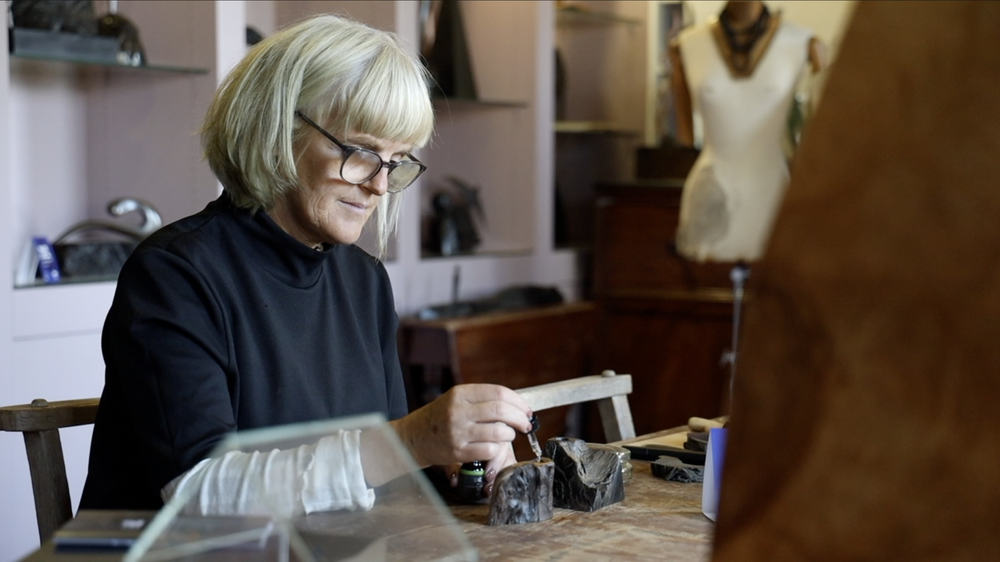
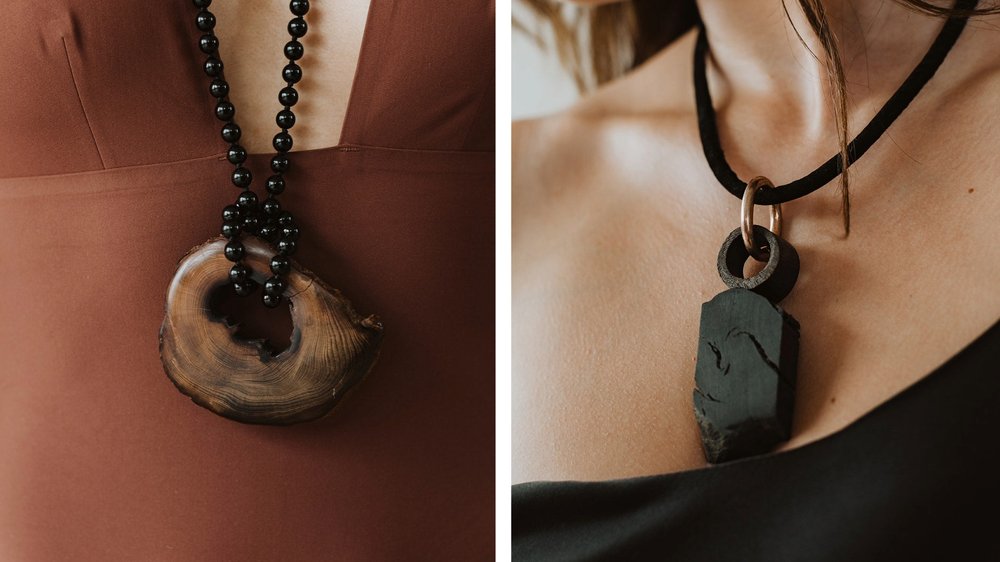
Ní Chongháile runs her studio, Celtic Roots from Ballinahown, County Westmeath. There, she creates large-scale public installations, more intimate sculptural works and wearable artwork, where each piece mirrors her profound respect for the natural world and the stories held within the timber.
She sources her bog oak from Lough Boora Parklands where her materials have slept in the bog for centuries, waiting for talented hands to release their hidden forms.
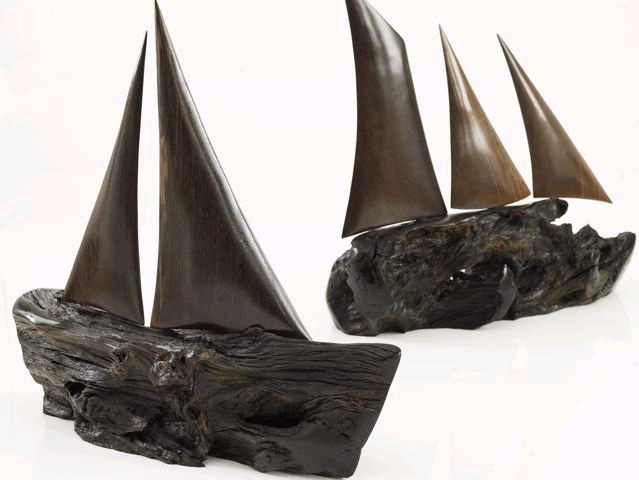
Her artistic purpose is twofold: to honour the past and to advocate for the future. Through careful restoration and creative transformation, she rescues these ancient bog oak relics, preserving their stories and spirit. As she carves, she feels the echoes of the past resonating in the present and reaching toward the future.
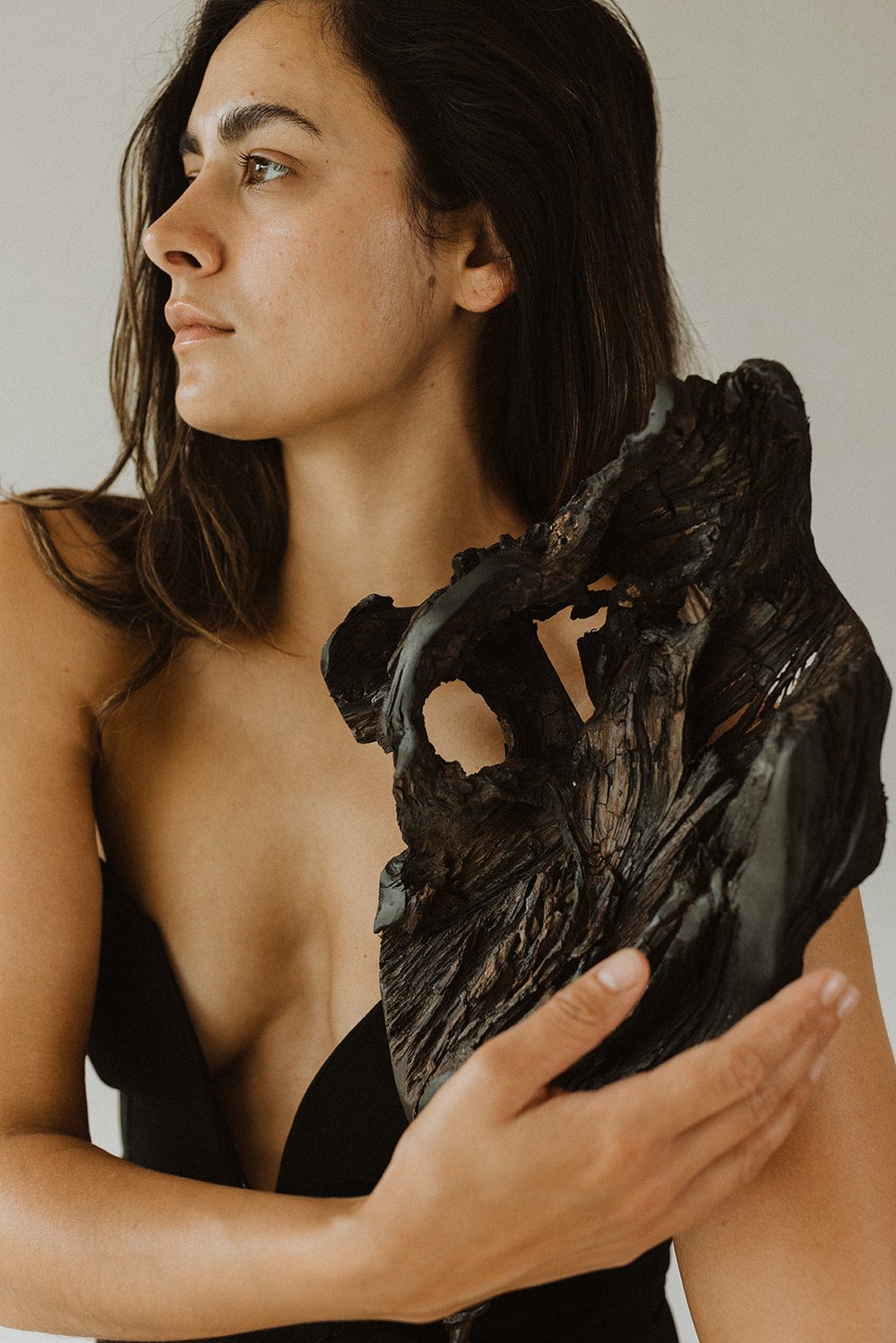
Each sculpture becomes a vessel of wisdom and a guardian of hope. In a world longing for harmony and renewal, she finds solace and meaning in her work. Her art is a reminder of our connection to the Earth and our shared responsibility to protect it.
Robert O'Connor
Based in Gorey in County Wexford, Robert O’Connor is a master craftsman with over 40 years of experience in fine woodworking, instrument making, and woodturning. His artistry lies in transforming wood into music.
Best known for his handcrafted 34-string Irish harps and traditional wooden flutes, O’Connor combines a deep technical understanding with an instinctive feel for tone and form. Each instrument is crafted by hand in his workshop, designed for beauty, tone, resonance, and lasting quality.
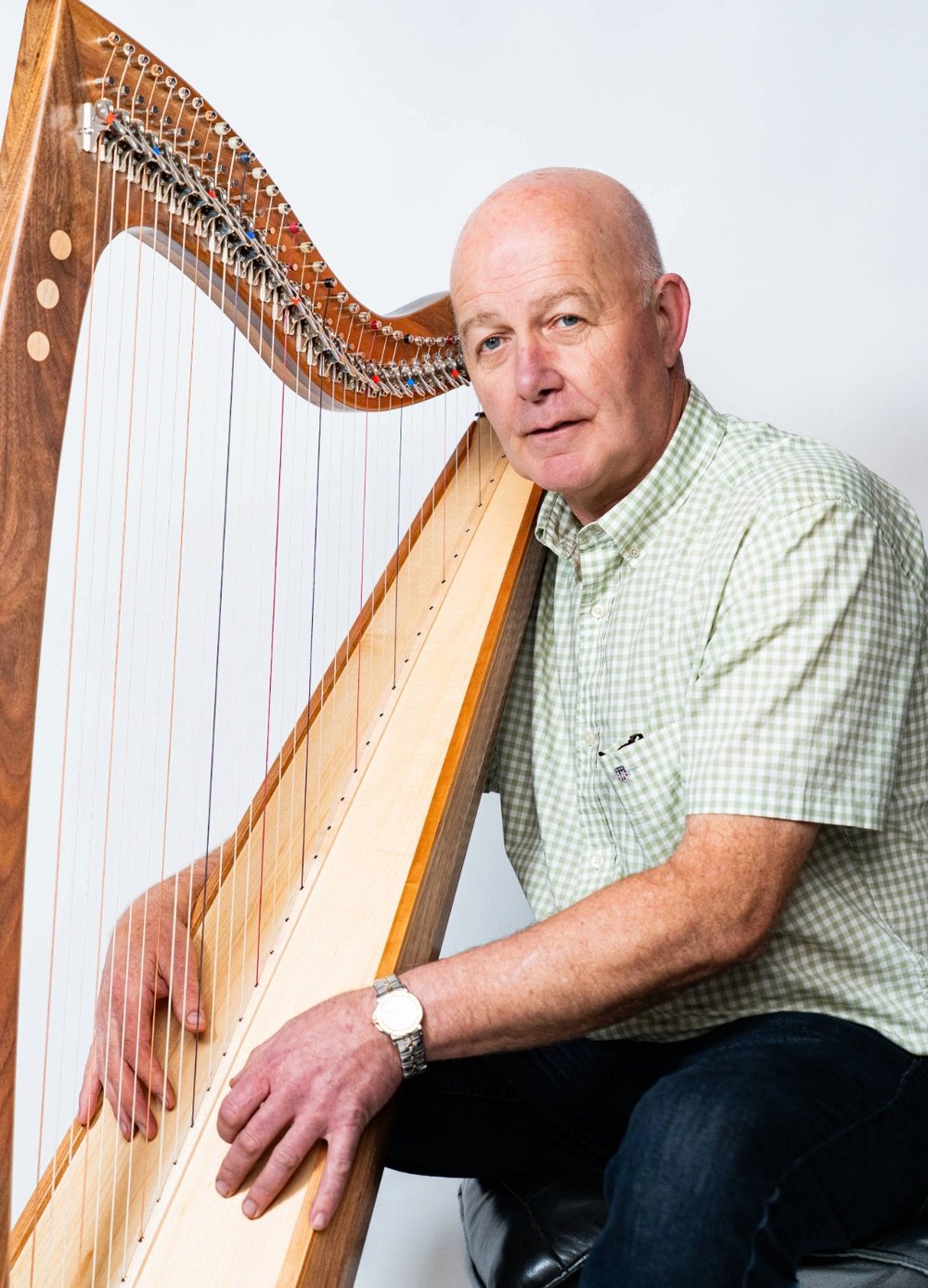
His harps and flutes are played by musicians and collectors all over the world. Each piece begins with the careful selection of timber, chosen not just for their strength or tone, but also for their natural beauty. Every curve, tuning peg, and polished edge reflects a deep his eye for design and his deep respect for his materials.
His instruments blend form and function, and are made to last. From shaping and tuning to the final polish, each instrument is brought to life with care, skill, and attention to detail.
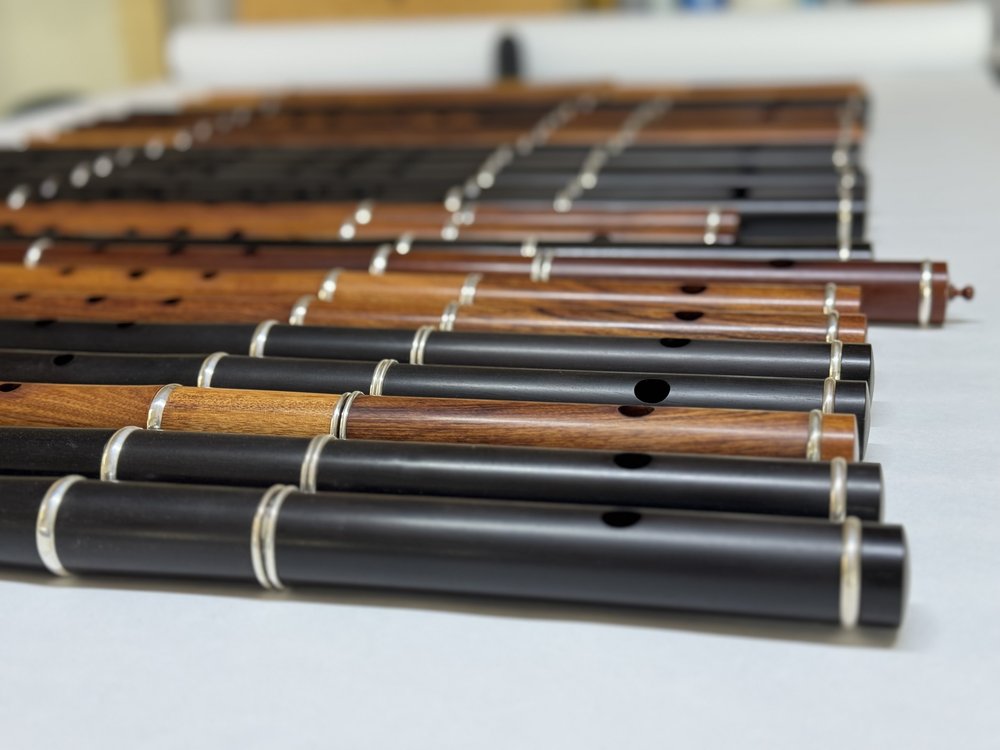
Beyond music, O’Connor is an award-winning woodturner, creating sculptural pieces and bespoke commissions that look into the relationship between his craft and contemporary design. From presentation bowls to sculptural pieces, each creation reflects the same attention to detail and artistry as his musical instruments.
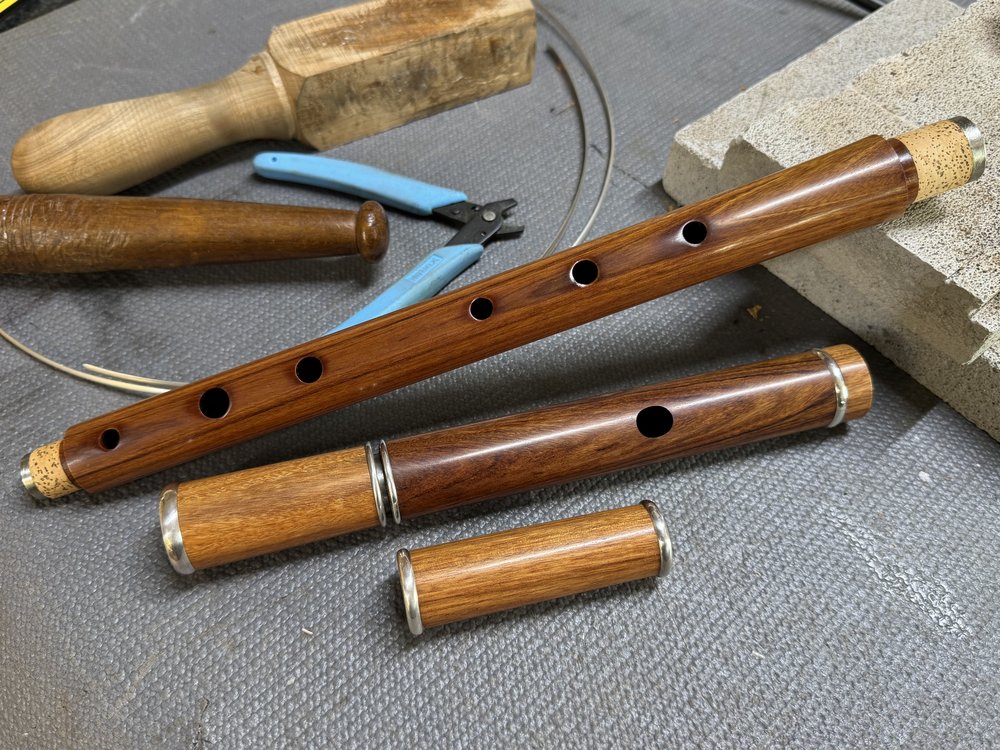
When he isn’t at the lathe or workbench, he teaches small groups the craft of woodturning, passing on the joy of working with wood using traditional techniques, and sharing his passion for design by hand.
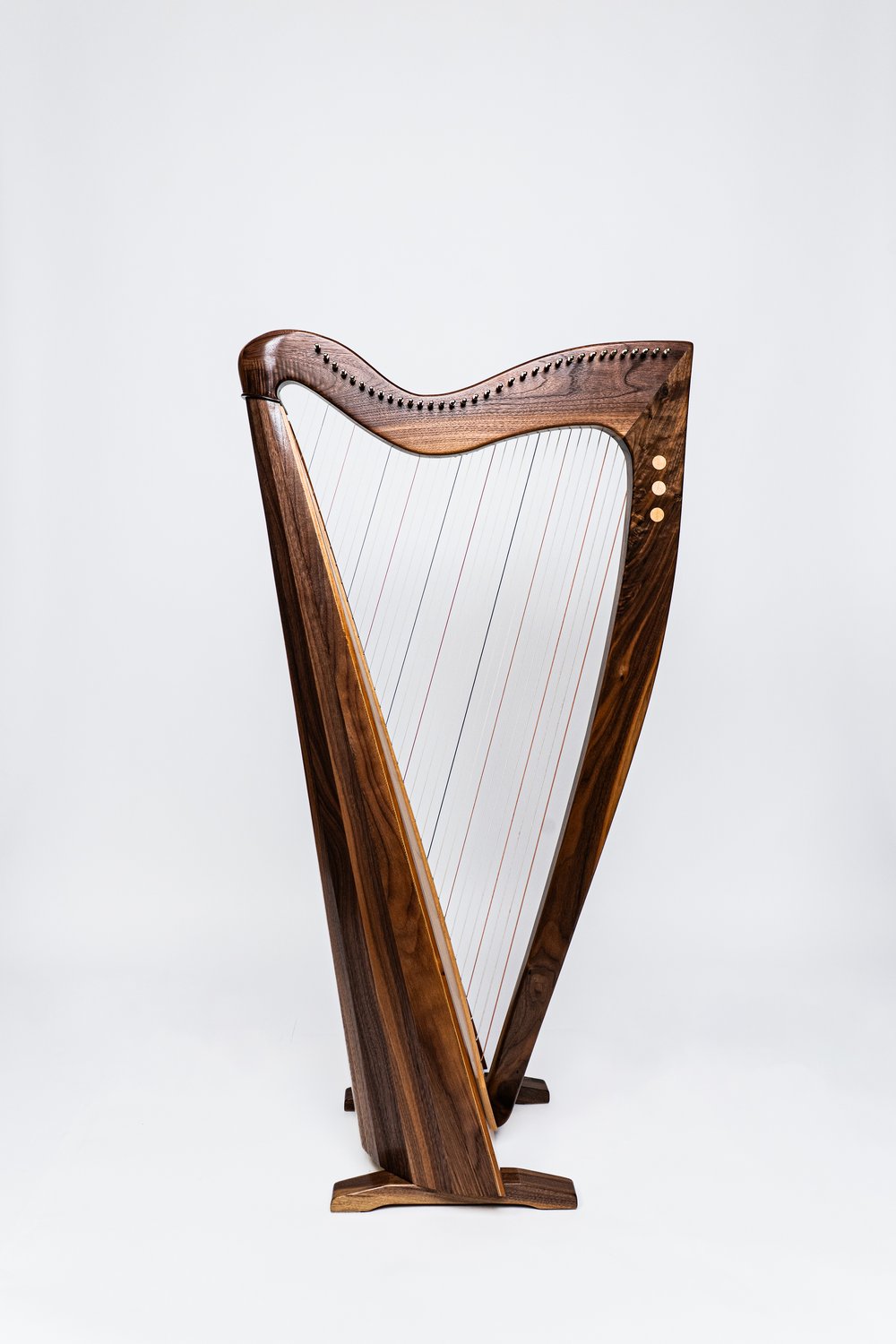
Visitors to his studio are invited into his world, exploring the tools, materials and techniques that go into every piece. For O’Connor, working with wood is more than a profession; it’s a lifelong relationship between maker, material and the beauty of sound design.