From Kilkenny to the world: How Ireland built a design culture
“What even is Irish design?” asks Tom Watts, Head of Design at the Design and Crafts Council of Ireland (DCCI). It’s a question that always gives him pause. “That’s what Irish Design Week is all about, trying to figure it out,” he says.
Design in Ireland has historically refused easy definition or tidy categories. It can mean hand-woven tweed or an ergonomic medical device, hand-thrown glass or a sleek prototype built for a global tech brand.
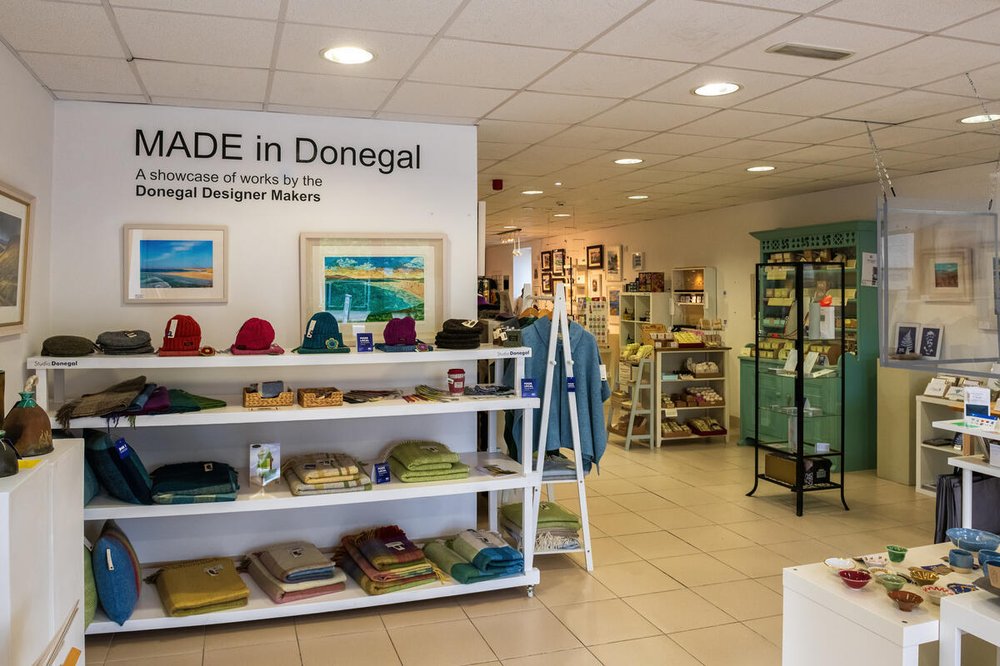
What connects them isn’t a single aesthetic, but instead a way of thinking that’s curious, collaborative and instinctively linked to place.
The potential for joy and inclusion
Ireland treats design as a culture of making, thinking and imagination, rooted in longstanding craft traditions but not confined by them.
As Watts puts it: “Design is such a difficult thing to define, either as a profession or a discipline, or where it finishes… Design has the potential for joy, whether that’s through an object, an experience, or a piece of technology. The real power is in inclusivity. The more inclusive we are, the more interesting we become.”
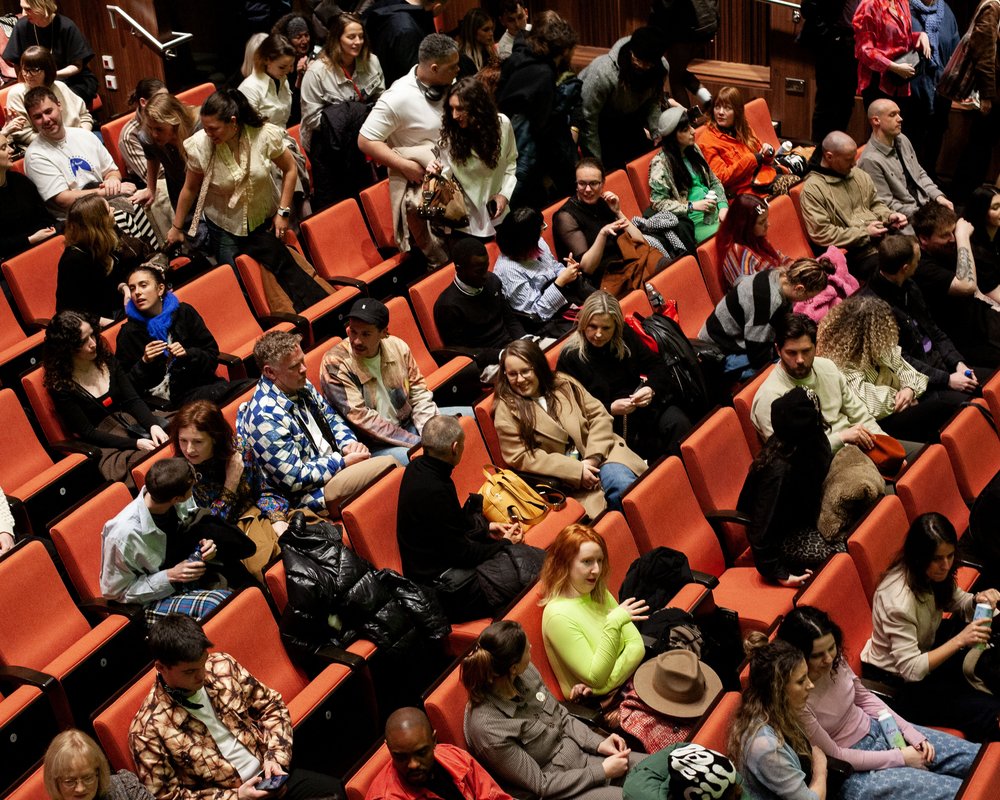
Irish Design Week, which runs from 17-20 November 2025, is funded by the Irish government and celebrated nationwide, and centres on this idea of inclusivity. It draws craftspeople, architects, product designers, digital innovators and everyone in between into a single conversation.
“In Ireland, design never sat apart from craft, culture or community,” says Watts. “It’s all mixed together, and that’s where the magic happens.”
A brief history of invention
The story of modern Irish design begins in an unexpected place: an industrial audit in the early 1960s. The Irish government commissioned a Scandinavian report, which exposed a gap between Ireland’s artistic talent and our industrial output.
Rather than ignore the critique, Ireland responded with ambition, transferring design under the remit of enterprise.
“It was quite progressive of the Irish government to move design from the arts into enterprise. It meant design didn’t have to fight against literature, music or theatre for funding. All of a sudden it was within its rights to say, we are a huge contributor to the economy,” explains Watts.
Putting design into enterprise
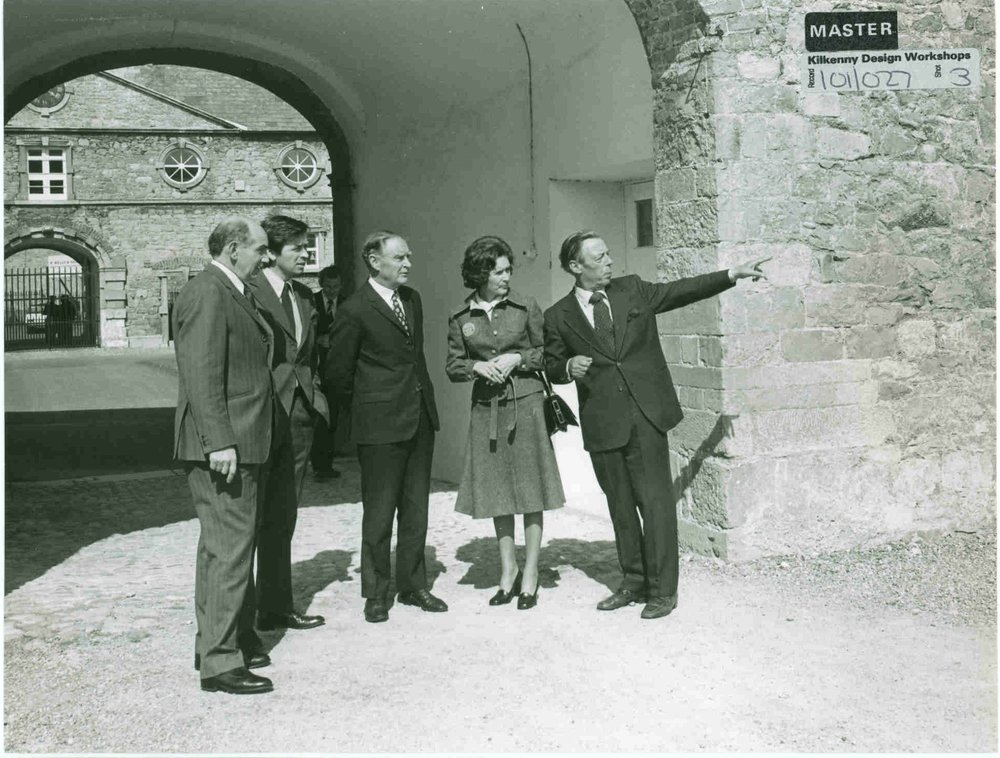
In 1963, the Kilkenny Design Workshops were founded, transforming the stables of Kilkenny Castle into one of Europe’s first state-supported design centres.
The workshops brought together craftspeople, designers and engineers to show how design could drive innovation and industry.
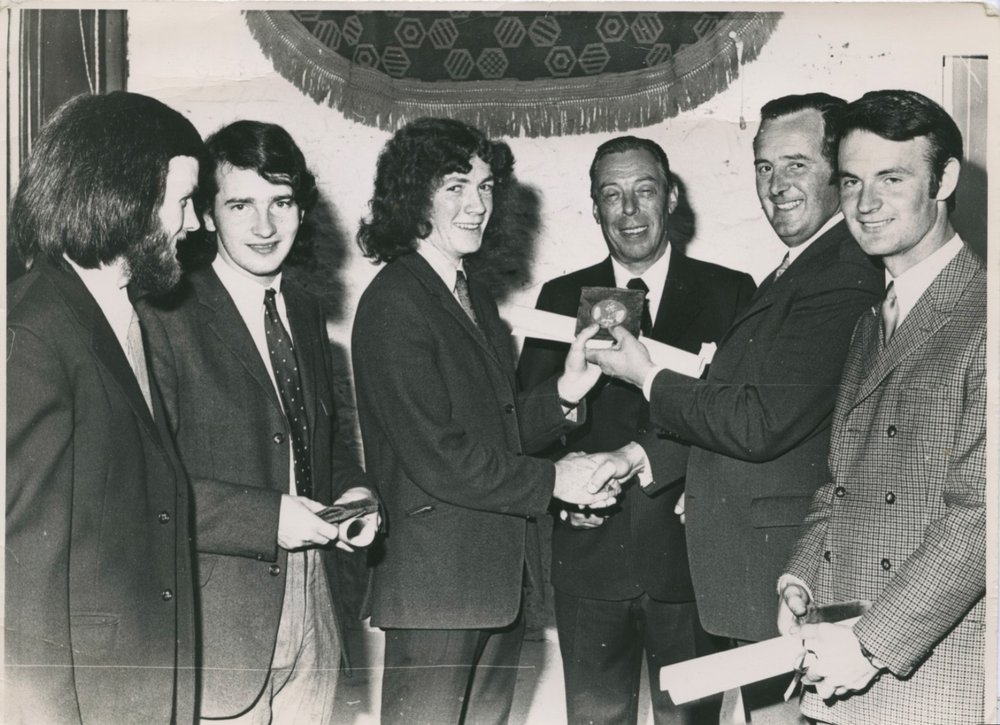
Their work spanned furniture, textiles, ceramics, glass, and early product design, producing prototypes for Irish and international clients, including Apple and Nokia.
“These international firms were coming to Ireland looking for design solutions,” says Watts.
More importantly, they fostered a culture of collaboration and experimentation that would become the DNA of modern Irish design.
They were visionary, a multidisciplinary approach to enterprise that was years ahead of its time.
“They were visionary, a multidisciplinary approach to enterprise that was years ahead of its time. The workshops turned out a whole generation of designers whose influence still shapes what we do today,” says Watts.
A model for design-led development
Over the next two decades, Kilkenny became a model for design-led development. It launched careers, trained apprentices, and demonstrated that Ireland’s design talent could compete on a global stage.
When the workshops eventually closed in the 1980s, their influence carried on through the studios, consultancies and design schools established by their alumni.
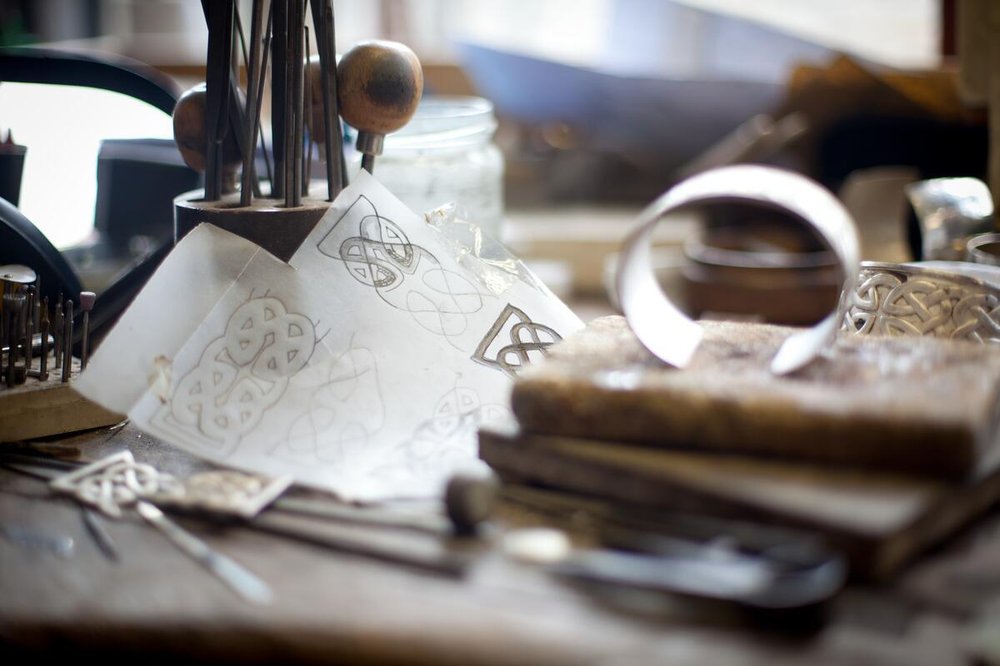
The ethos born there, that creativity and commerce can strengthen each other, remains the foundation of Irish design’s identity. The Design and Crafts Council of Ireland, headquartered today in the same Kilkenny yard, continues that mission, linking creativity, craft and enterprise.
A uniquely Irish mindset
When Watts speaks about Irish designers, he reaches first for mindset, rather than materials or aesthetic style. “Irish people have a unique way of thinking about things,” he says. “Whether it’s storytelling or problem-solving, it’s always a unique take. We’re curious, a bit unpredictable, and that’s a good thing.”
Storytelling, he argues, runs through everything from architecture to gaming. “Today we’re in the ideas economy, the attention economy, and that’s where storytelling becomes a real superpower. It gives our work emotional depth and a sense of place.”
Creative character rooted in culture
For international audiences, this slightly mercurial creative character is part of the charm. “A lot of people say to me, ‘Oh, Irish design is so cool at the moment, it’s amazing what you’re doing’,” Watts says.
Far from being stuck in nostalgia, Irish design occupies a space of cultural confidence. “There’s a love out there for Irish design. People see it as they do Irish culture, it’s cool, and it’s kind of a little bit mysterious.”
He has a great phrase, ‘Decode to recode’. He digs into the history first so he can supercharge what he wants to do into the future.
That imaginative confidence is increasingly visible on the global stage. He cites Jonathan Anderson, the Northern Irish designer most recently named Creative Director at Dior, as a perfect example.
“He’s the first ever designer appointed to men's and women's collections at Dior, and where is he going for inspiration? Back to Irish culture, and to Donegal Tweed,” says Watts. “He has a great phrase, ‘Decode to recode’. He digs into the history first so he can supercharge what he wants to do into the future. He’s proud of his roots and he’s going to wear it on his sleeve."
Dior Spring-Summer 2026 Show - Jonathan Anderson
Design and craft as one
For Watts, it is impossible to separate Irish design from making. “For me, design and craft are two sides of one coin,” he says. “You can’t make anything without designing it. But equally, there’s no point in designing something if you’re not going to end up with something being made at the end of it.”
This material intelligence, and the intimacy with process, gives Irish designers a distinctive voice. “We have always been imaginative and resourceful with regard to what we do with materials. That has contributed towards an appreciation of materials,” he says.
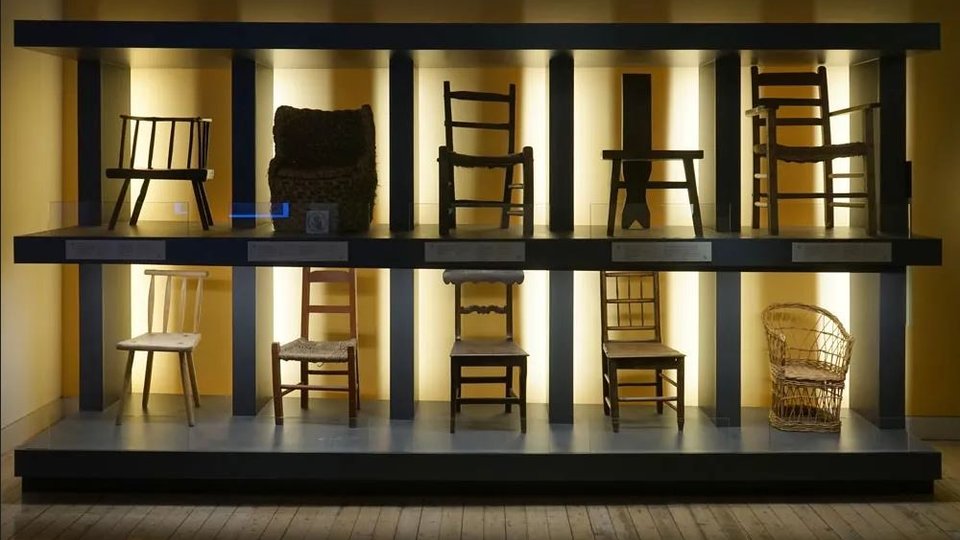
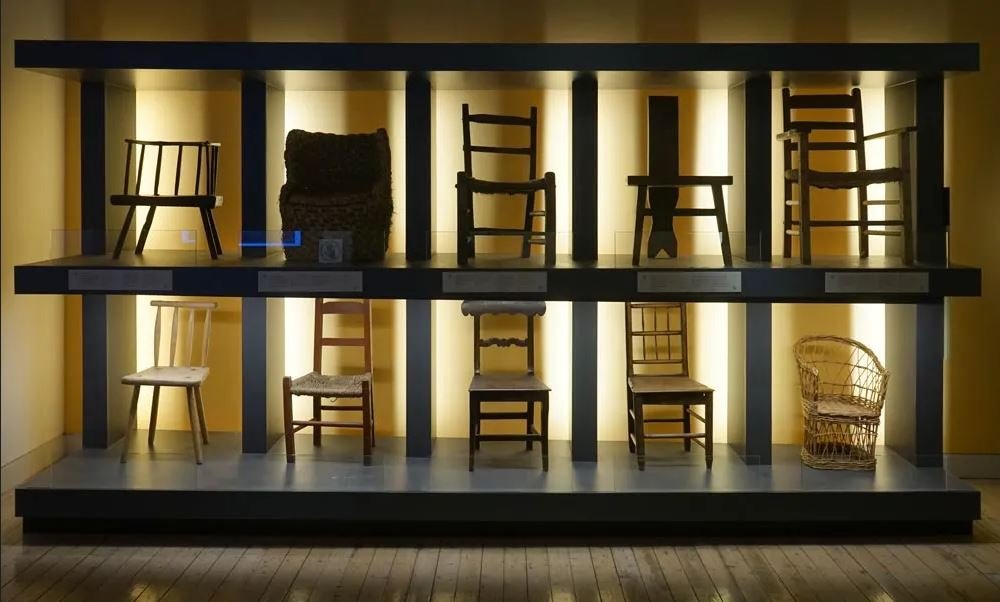
“If you think of a Sugan chair [a traditional Irish chair with a wooden frame and woven straw or rush seat], that's genius. It’s now in the National Museum, and you can look at them.
But this tradition was born out of necessity and not having much to work with. But what we did have to work with, we were so imaginative in what we did with it.”
A culture of sustainability
He points to the living memory of circularity in Ireland feeding into this appreciation of materials, but also an ingrained sustainability in our design. “Not long ago we were an agricultural nation full of small farmers making their own butter, growing their own potatoes. When you’ve lived that, sustainability isn’t a concept, it’s common sense.”
This grounding leads to imaginative solutions, sometimes in unexpected places. Watts tells the story of Gemell, an Irish company creating digital fibres for virtual textiles, allowing designers to test fabrics without producing physical samples. Another, Rezero, makes sunglasses frames from recycled contraband cigarette filters. “Sometimes it’s people going at things with very little knowledge that come up with the most original solutions,” he says.
A modern confidence
For Watts, one of the defining features of Irish design today is a quiet but growing confidence. “Sometimes we as Irish people are quite shy about shouting about what we’re doing,” he says. “There comes a point when there are things happening on the island that are changing the world, and we should be talking about them.”
He cites examples in advanced engineering and technology. “Stryker down in Cork, is the biggest and most advanced manufacturing facility in the world. They can print you a titanium hip in nine hours.
That's insane, and that's happening in Ireland. Logitech, also in Cork, are designing incredible pieces of hardware that are going out into the world. It really is incredible, and that's part of the reason that those companies are here.”
We’re being viewed as leaders, because we’re just doing it in our own Irish way. That is really resonating.”
This, he says, is no anomaly. “It’s no wonder we’re being viewed as leaders, because we’re literally just doing it in our own Irish way. I think that is really resonating.”
Education and institutional support
Ireland’s creative ecosystem is not accidental. Watts emphasises the role of education and state support. “We have an incredible range of institutions: NCAD, IADT, UL, LSAD, all full of really creative designers coming through,” he says. “They’re digital natives with a whole new perspective.”
Remote work, as well, has allowed designers to live anywhere in the country. “A lot of people don’t feel tethered to cities anymore,” he says. “They’re moving to the west of Ireland, looking at the Atlantic, and it’s filling them with incredible creative power.”
And then, there is the Design and Crafts Council itself, and Irish Design Week as a state-supported platform. “I think it’s amazing the Irish government funds Irish Design Week,” he says. “They see the cultural value in design. We have 70 events in 15 counties, incredible designers, and international press wanting to know what we’re doing.”
The role of DCCI, as he sees it, is not to prescribe but enable. “It’s our job to provide the platform, promote Irish design and craft, and let people do their thing. When you put up the tent and let culture dictate where it goes, the real power of Irishness comes through.”
Looking ahead
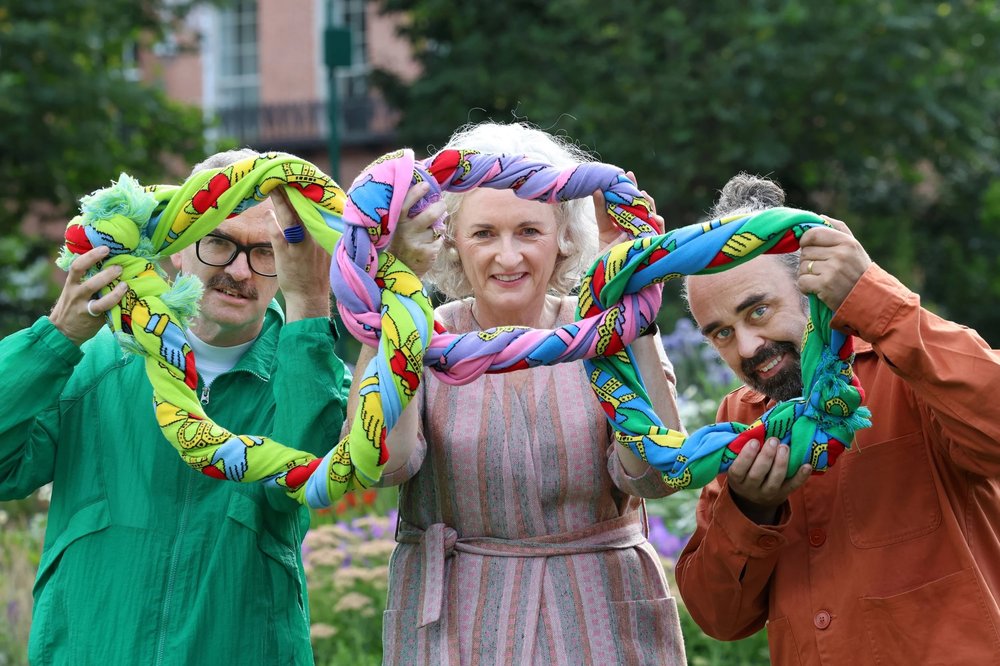
The theme of this year’s Irish Design Week – “The ties that tie and the links that link” – speaks to heritage and global connection.
It honours the networks that connect Irish designers at home and abroad, from interior designer Brian O’Sullivan, “probably one of the leading interior designers in the world right now,” returning to his hometown of Kenmare, to collaborations with international partners such as the Finnish Cultural Institute.
We have incredible designers doing amazing work all over the world. A whole new generation is emerging with imagination, initiative, pride in Irish culture
“We have incredible designers doing amazing work all over the world,” Watts says. “We’re coming to a point where a whole new generation is emerging with imagination, initiative, pride in Irish culture, and they’re going out and doing it their own way.”
In the end, the “secret ingredient” might be disarmingly simple. Watts comes back to the blend of legacy and originality. “We don’t feel we have to go and learn design from anyone else,” he says. “We’re just doing it our way, and if other people like it, so be it.”