


Ireland's Child Wasting Initiative
Achievements, Lessons and Future Directions, on Ireland's Child Wasting Initiative
Globally, an estimated five million children under the age of five die from preventable causes every year, and nearly half of these deaths are linked to undernutrition.
Child wasting, the most visible and life-threatening form of malnutrition, is where a child is too thin for their height, which weakens immune systems, leaving children vulnerable to disease, developmental delays and death. Severely wasted children are up to 11 times more likely to die of treatable infections and diseases like pneumonia, cholera, malaria and measles than well-nourished children.
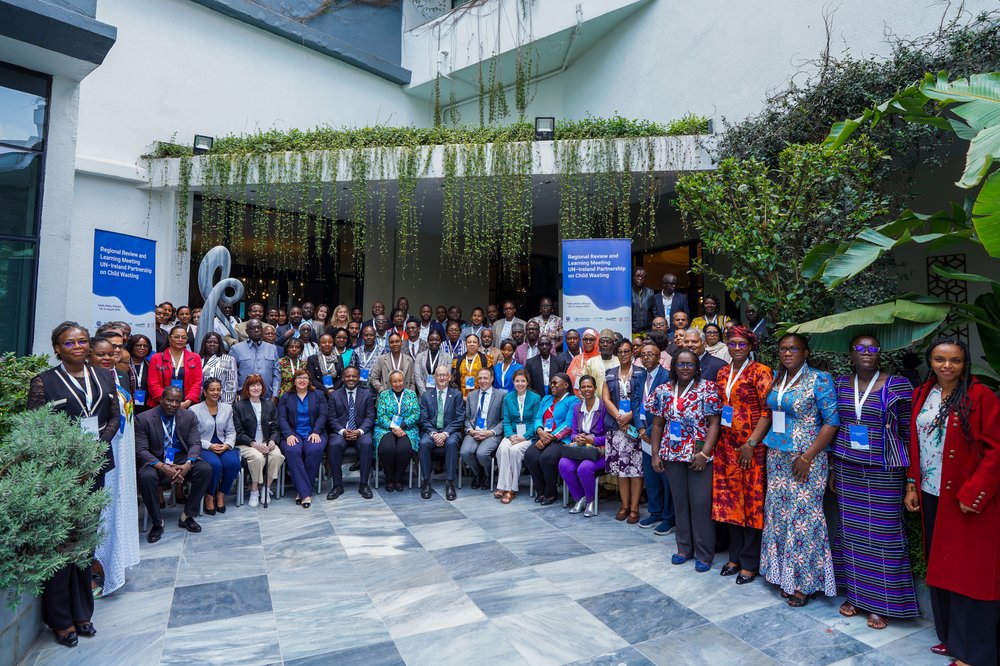
On August 18th-21st, DCAD Policy Unit took part in a regional review and learning meeting on the UN-Ireland Partnership on Child Wasting (2023-2026). Convening with WHO, UNICEF and Concern Worldwide, and supported by Embassy Addis Ababa, this review reflected on the initiative’s achievements, lessons and future directions.
Established in response to the UN-led Global Action Plan on Child Wasting, Ireland’s child wasting initiative (2022-2025) comprises of three multi-annual partnership:
- A nutrition and social protection partnership with UNICEF supports the prevention, detection and treatment of child nutritional wasting in Democratic Republic of Congo (DRC), Madagascar and Malawi. All three countries are amongst the world's worst affected by severe acute malnutrition amongst children.
- A partnership with the World Health Organisation (WHO) designed to provide technical and operational support to health ministries in 10 countries in Africa to strengthen legislation, policy and guidance for health workforce development and health system strengthening for prevention and treatment of wasting in clinical settings.
- Concern Worldwide a multi-agency collaboration in the Horn of Africa, in an area known as the Mandera triangle covering the border regions of Ethiopia, Somalia and Kenya. The Hanaano programme (which means ‘nurture’ in Somali) is delivered with three national organisations working to prevent wasting through a combination of water, sanitation and hygiene (WASH), livelihood development, natural resource management, and social and behaviour change activities.
The event brought together stakeholders from across 10 African Countries, including key partners across national government ministries, to share achievements, lessons learned, and approaches to inform and strengthen future programming.
One of the key achievements of Ireland’s child wasting initiative included the revision of global guidelines on the prevention and management of child wasting. Rolled out across health facilities in partner countries, this initiative resulted in the screening of over three million children for acute malnutrition. Over 80,000 children received timely life-saving treatment, while over 200,000 received cash transfers to boost access to nutrition and health services.
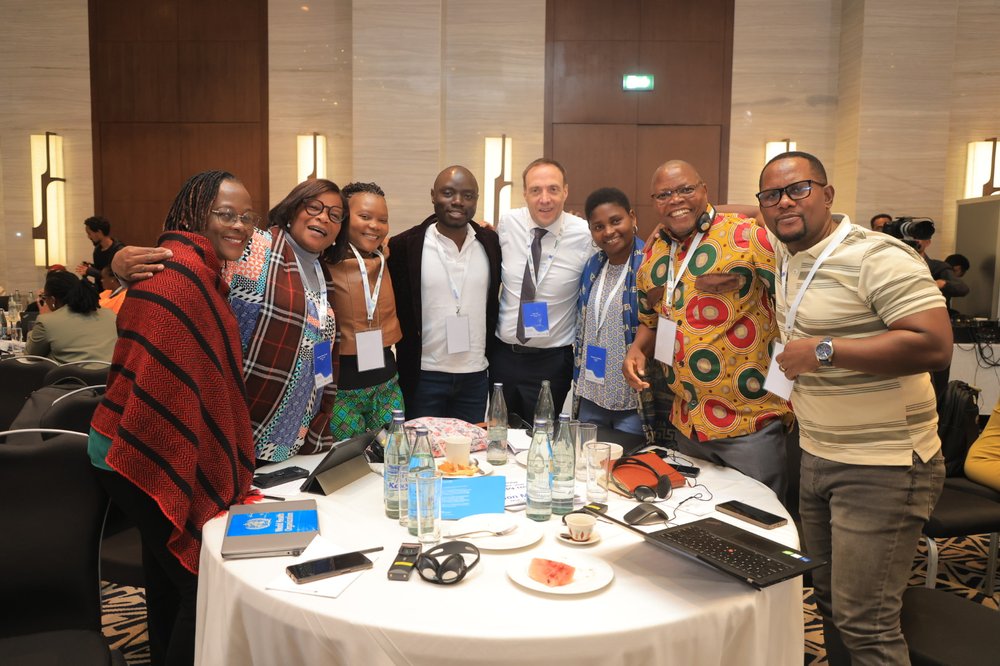
During the opening segment, Paul Troy, Nutrition lead, Policy Unit, Development Cooperation and Africa Division (DCAD) said:
Ireland is a long-standing champion of global efforts to reduce hunger and malnutrition. These priorities are rooted in our own history. The fundamental elements of Ireland’s Child Wasting Initiative are to accelerate progress to achieving global nutrition targets including on child wasting, by scaling up the delivery of essential nutrition actions in healthcare, improving food systems and integrating nutrition outcomes in all relevant sectors.
Countries targeted in the child wasting initiative including Democratic Republic of Congo (DRC), Madagascar and Malawi, face some of the world’s most severe nutrition crises, coupled with experiencing frequent climate shocks and conflict. Wasting imposes high costs on countries, communities and families. Malnutrition raises health care costs and loss of GDP up to 3-16% each year. The review meeting showcased how national level support and ownership of the nutrition agenda is central to health, development and economic prosperity. Collaboration between social protection, health and nutrition requires sustained leadership, coordination and investment in country. Ireland’s support is catalytic at national level and pivotal at global level.
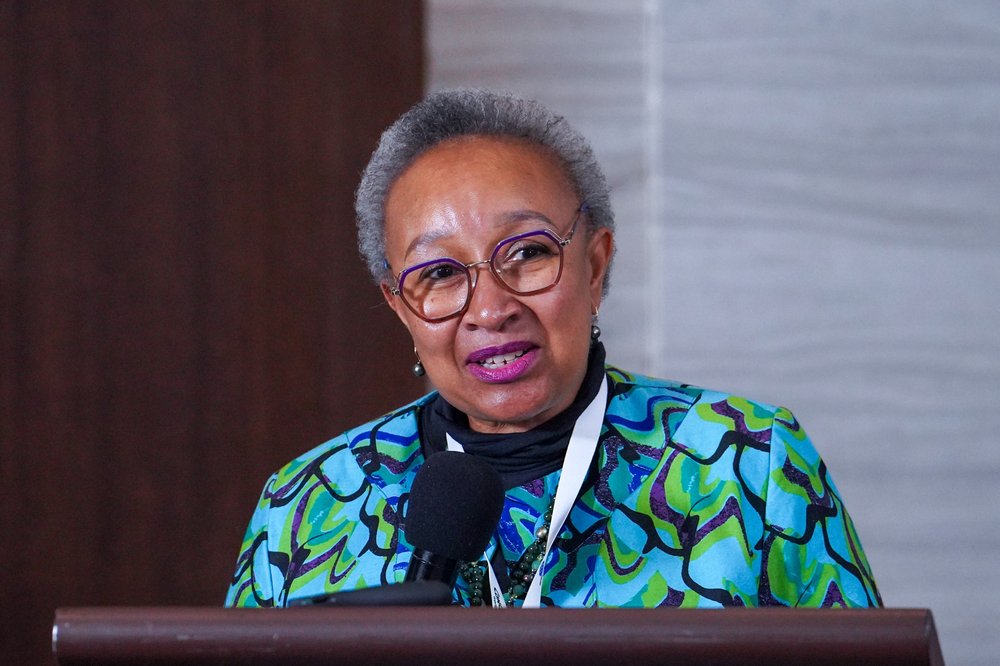
Speaking at the event, Joan Nteboheleng Matji, UNICEF’s Global Director of Child Nutrition and Development, highlighted:
The progress made through this partnership with Ireland has helped countries strengthen multisectoral collaboration, adapt global guidance, improve programme design, generate evidence and invest in approaches that address the causes of wasting before children become malnourished.
A key recommendation emanating from the event was that the prevention of child wasting must remain a priority across multiple systems including health, social protection, food and WASH, to address the multiple drivers of malnutrition.
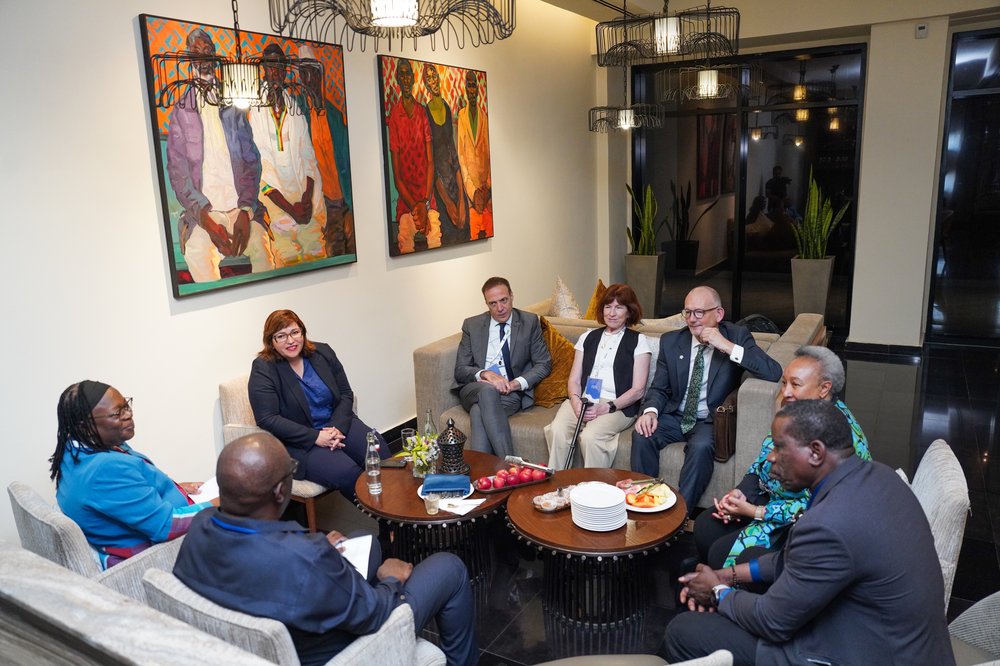
Reflecting on the event, Paula Nolan, Social Protection lead, Policy Unit, DCAD noted:
a key highlight was the learning shared between partner countries on the strong role social protection has played for the treatment and prevention of malnutrition.
These sectors must converge around people, using the Global Action Plan on child wasting framework to bring interventions together in the same geographies and for the same households, so families receive a coherent package of support.
Ongoing support is required to deliver on the UN's Global Action Plan on child wasting target to reduce prevalence to below 3% by 2030 in high-burden areas and to meet the global nutrition targets. Ireland is currently exploring the next phase of the partnership to sustain and scale up efforts to tackle child wasting across Africa and meet global targets.
You may also be interested in these articles
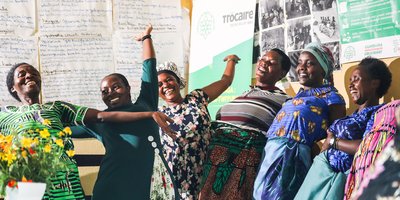
31 August 2026
Minister Richmond opens call for applications to Civil Society Fund 2027
Minister of State for International Development and Diaspora, Neale Richmond TD, today launched the call for applications to the 2027 Civil Society Fund. This Fund supports the implementation of development projects in countries which are eligible to receive Official Development Assistance.
Read more
28 August 2026
Minister McEntee and Minister Richmond announce €500,000 in emergency assistance following floods in Nepal
Minister for Foreign Affairs and Trade, Helen McEntee TD, and Minister of State for International Development and Diaspora, Neale Richmond TD, have today announced €500,000 in emergency funding to support relief efforts following the devastating floods and landslides in Nepal.
Read more
28 August 2026
Minister Richmond launches 2025 Irish Aid Annual Report as Ireland reaches number eight in world Official Development Assistance donors
Minister of State for International Development and the Diaspora, Neale Richmond TD, today launched the 2025 Irish Aid Annual Report, detailing the global impact and reach of Ireland’s humanitarian and development programme.
Read more
19 August 2026