
Exhibition

Explore the exhibition
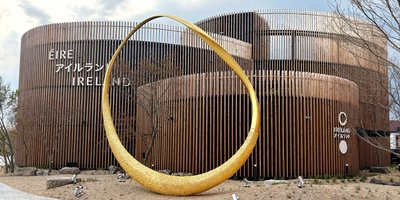
The exhibition at the Ireland Pavilion situates the visitor in Ireland for the duration of their visit. This page is a guide to the exhibition, and can be used to complement a visit to the Pavilion, or to learn more about the exhibition from the comfort of your home.
Moving through the three spaces of the Pavilion, visitors will first experience the sights, sounds and smells of Ireland with the installation of bespoke micro-habitat. In the second space, visitor will witness some of the best Irish design and innovation in both traditional and modern crafts. The third and final part of the journey is an immersive act of co-creation, where music, film, movement and the audience come together to create a unique experience.
Irish Habitat
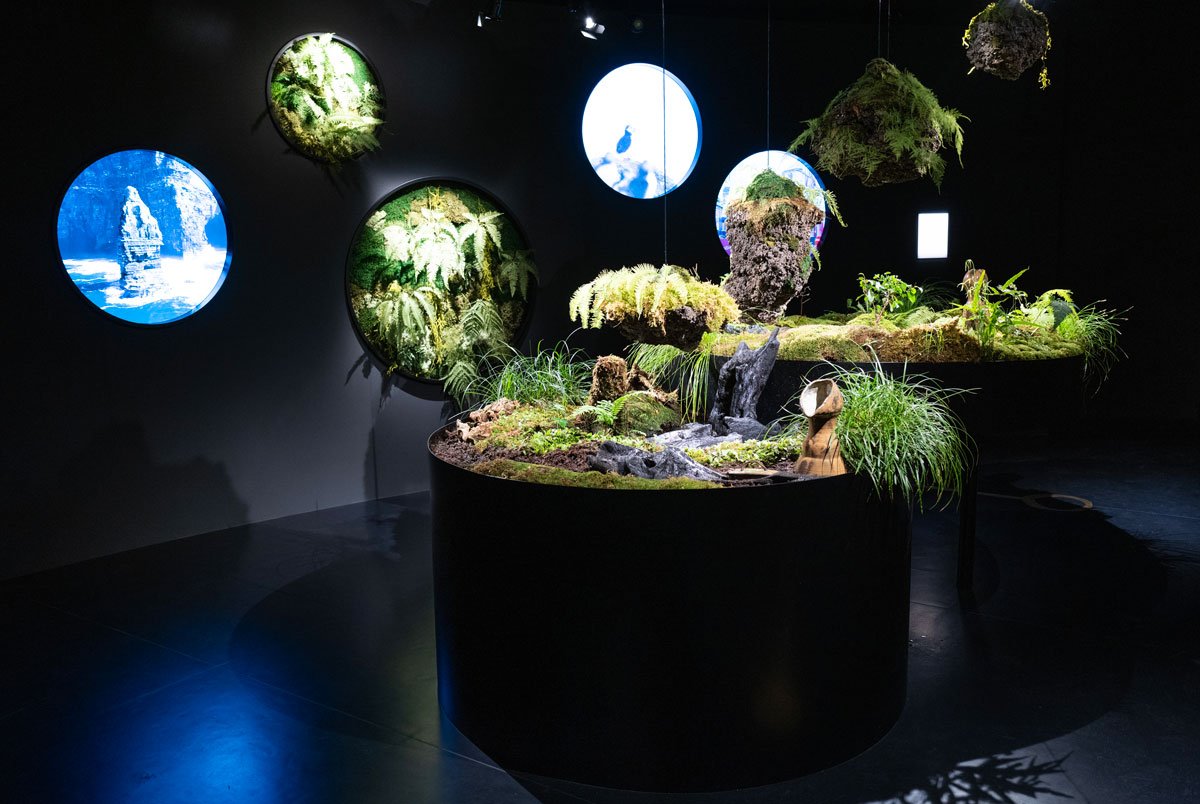
Welcome into the Irish Habitat – a retreat from the noise and urgency of everyday life. This gentle, immersive space invites you to slow down, breathe deeply, and reconnect with nature.
Surrounded by the textures and tones of Ireland’s boglands and native vegetation, the experience is enriched by a soundscape of Irish bird species, curated by ornithologist Seán Ronayne. The landscape design by Oliver Schurmann features a striking bog and lake installation. While the videos offer a glimpse into Ireland’s breathtaking landscapes, vibrant cityscapes, and the quiet wonders of its native wildlife.
You are invited to experience the scent of Ireland specially created for Expo by Irish perfumer Joan Woods (waters + wild) combining peat, sphagnum moss, wild gorse, bog myrtle, heather and bog cotton housed in ceramics made by potter Noel Byas.
Together, these elements evoke the quiet resilience and raw beauty of the Irish environment, creating a space for reflection, stillness, and sensory connection.
Irish Habitat
Welcome into the Irish Habitat – a retreat from the noise and urgency of everyday life. This gentle, immersive space invites you to slow down, breathe deeply, and reconnect with nature.
Surrounded by the textures and tones of Ireland’s boglands and native vegetation, the experience is enriched by a soundscape of Irish bird species, curated by ornithologist Seán Ronayne. The landscape design by Oliver Schurmann features a striking bog and lake installation. While the videos offer a glimpse into Ireland’s breathtaking landscapes, vibrant cityscapes, and the quiet wonders of its native wildlife.
You are invited to experience the scent of Ireland specially created for Expo by Irish perfumer Joan Woods (waters + wild) combining peat, sphagnum moss, wild gorse, bog myrtle, heather and bog cotton housed in ceramics made by potter Noel Byas.
Together, these elements evoke the quiet resilience and raw beauty of the Irish environment, creating a space for reflection, stillness, and sensory connection.
Joe Hogan
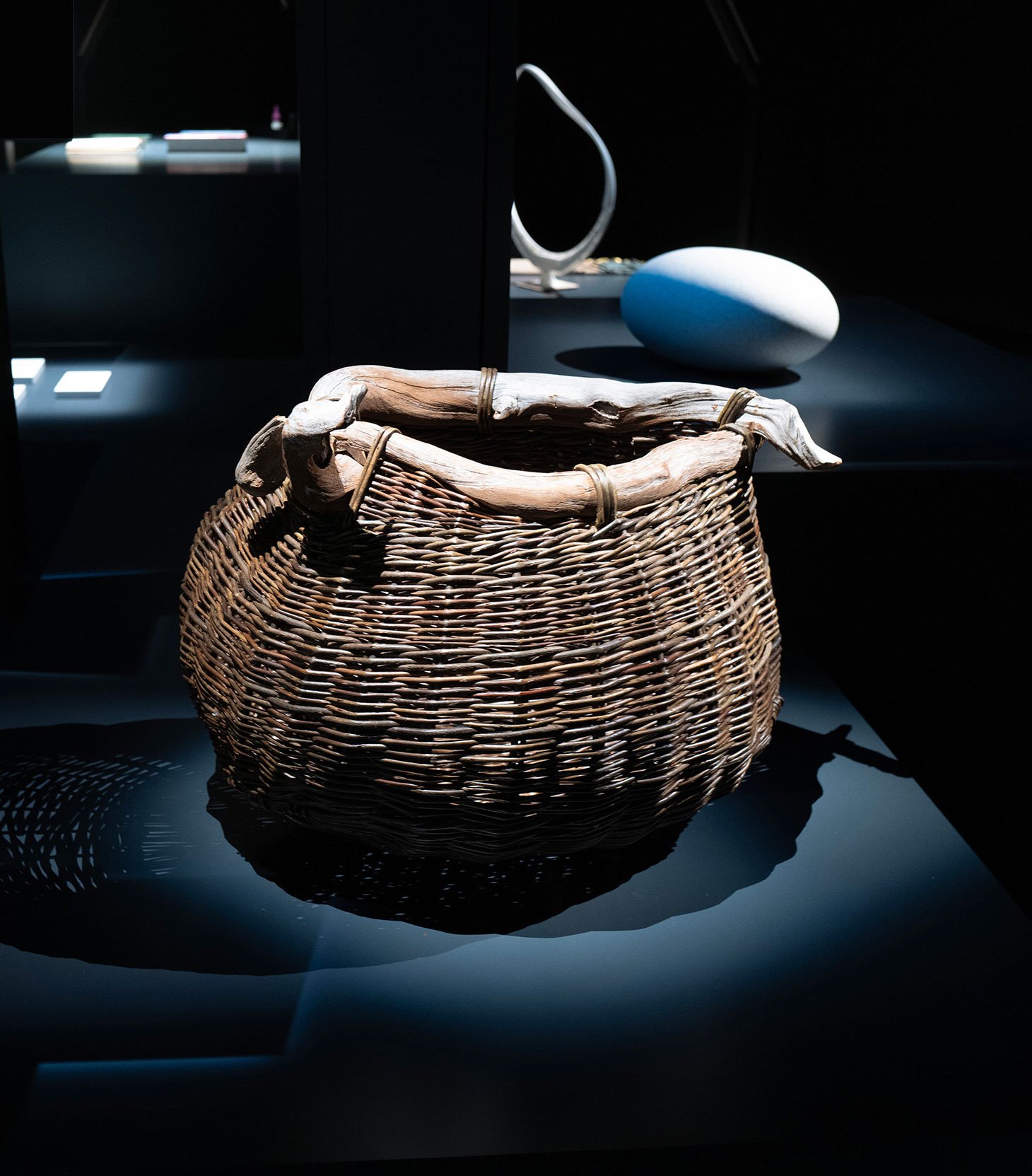
Irish basket weaving shares striking parallels with Japanese craftsmanship as reflected in objects such as the sturdy Irish creel and Hanakago, the finely woven Japanese bamboo baskets.
These time-honored crafts reflect sustainability, functionality, regional identity, and artistic evolution. Featuring the work of master weaver Joe Hogan, known for his natural willow baskets from Loch na Fooey, this craft highlights the similarity of techniques, materials, and cultural significance of both traditions.
Joe Hogan
Irish basket weaving shares striking parallels with Japanese craftsmanship as reflected in objects such as the sturdy Irish creel and Hanakago, the finely woven Japanese bamboo baskets.
These time-honored crafts reflect sustainability, functionality, regional identity, and artistic evolution. Featuring the work of master weaver Joe Hogan, known for his natural willow baskets from Loch na Fooey, this craft highlights the similarity of techniques, materials, and cultural significance of both traditions.
Frances Lambe
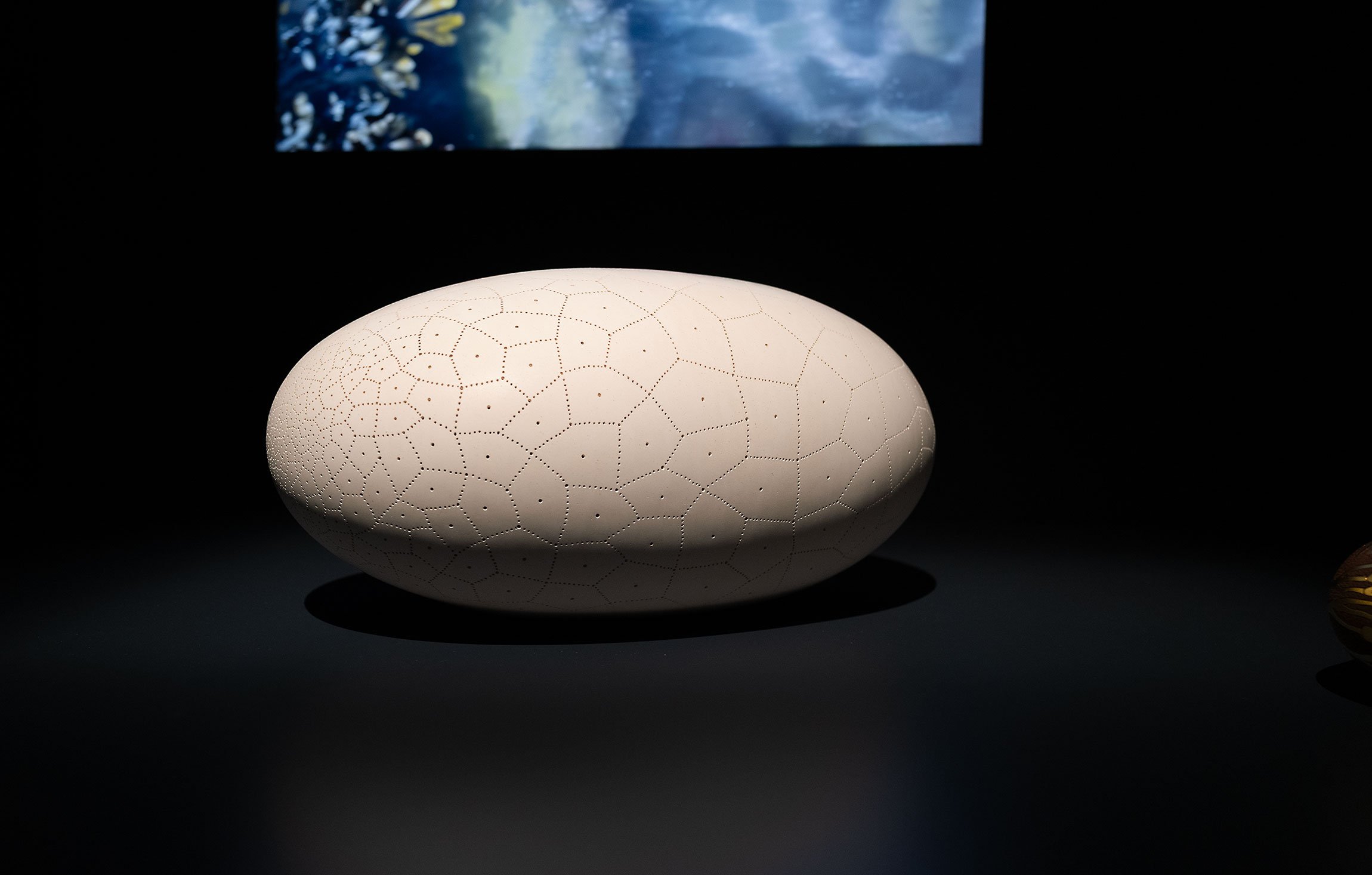
Japanese and Irish ceramics have a long tradition of reflecting their natural and cultural heritage. Both traditions share a respect for nature, craftsmanship, and imperfection often celebrating individuality over industrial precision.
Frances Lambe’s ceramics draw inspiration from the resilience of seaweed and the power of the ocean. These forms echoing some of Japan’s deep-rooted ceramic traditions that encapsulate historical narratives and spiritual significance, Lambe’s textured, organic forms reflect the shared maritime heritage of Ireland and Japan as two island nations.
Frances Lambe
Japanese and Irish ceramics have a long tradition of reflecting their natural and cultural heritage. Both traditions share a respect for nature, craftsmanship, and imperfection often celebrating individuality over industrial precision.
Frances Lambe’s ceramics draw inspiration from the resilience of seaweed and the power of the ocean. These forms echoing some of Japan’s deep-rooted ceramic traditions that encapsulate historical narratives and spiritual significance, Lambe’s textured, organic forms reflect the shared maritime heritage of Ireland and Japan as two island nations.

Clara Kumagai
The literary traditions of Ireland and Japan share a deep affinity for folklore and the supernatural. Koizumi Yakumo, born Patrick Lafcadio Hearn, was an Irish-Greek writer who immersed himself in Meiji era Japan and captured these parallels in his haunting collections of ghost stories and cultural reflections.
Contemporary writer Clara Kumagai, of Irish-Japanese-Canadian heritage, continues this cross-cultural dialogue. Her upcoming novel, Songs for Ghosts, draws inspiration from Hearn’s Glimpses of Unfamiliar Japan, weaving spectral tales that echo both Irish and Japanese storytelling traditions.
Their works highlight how literature can transcend borders, uniting two island nations through myth, memory, and mystery.
Clara Kumagai
The literary traditions of Ireland and Japan share a deep affinity for folklore and the supernatural. Koizumi Yakumo, born Patrick Lafcadio Hearn, was an Irish-Greek writer who immersed himself in Meiji era Japan and captured these parallels in his haunting collections of ghost stories and cultural reflections.
Contemporary writer Clara Kumagai, of Irish-Japanese-Canadian heritage, continues this cross-cultural dialogue. Her upcoming novel, Songs for Ghosts, draws inspiration from Hearn’s Glimpses of Unfamiliar Japan, weaving spectral tales that echo both Irish and Japanese storytelling traditions.
Their works highlight how literature can transcend borders, uniting two island nations through myth, memory, and mystery.
The Tweed Project
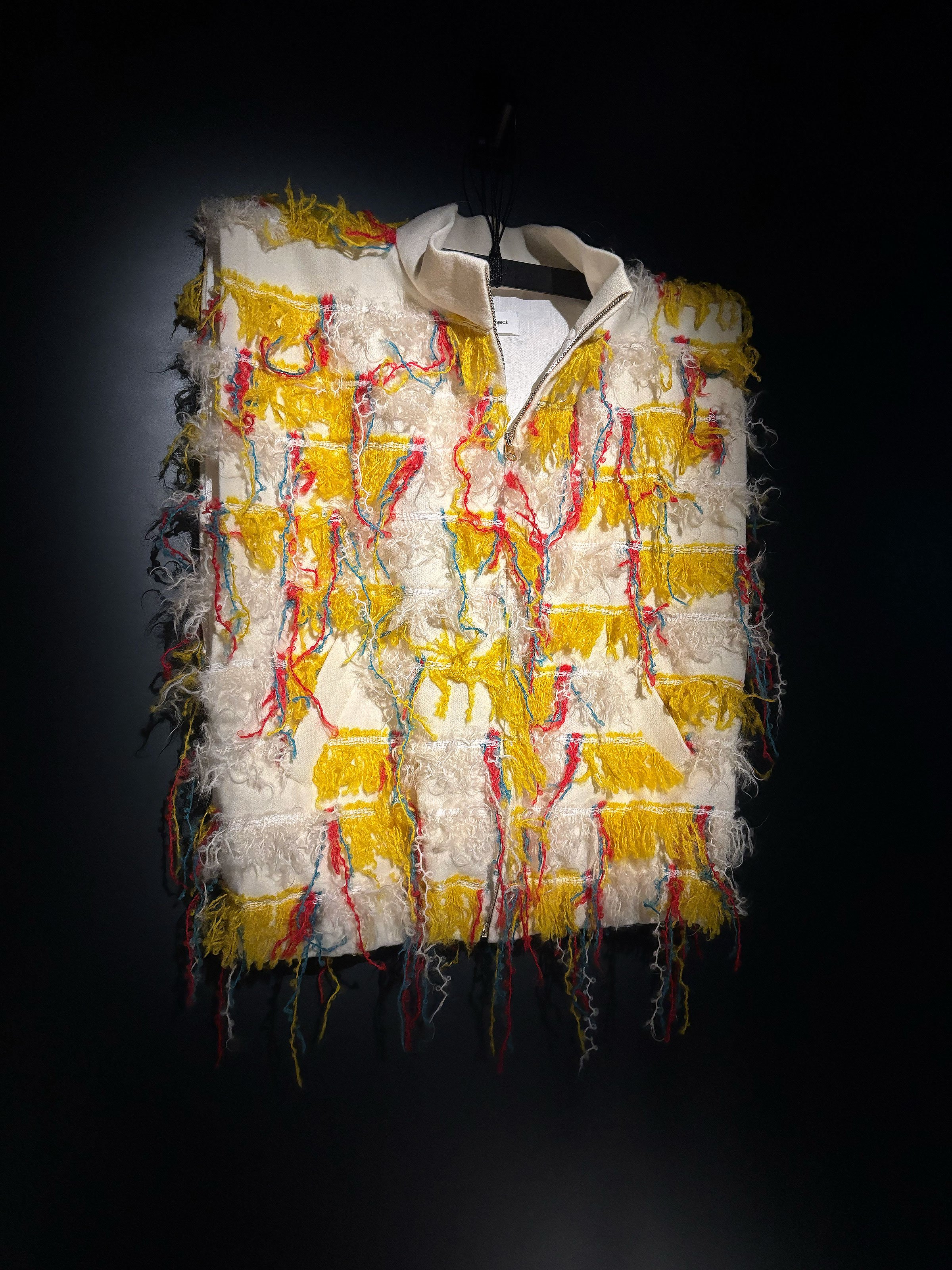
In Ireland, textiles like Donegal Tweed and Irish Linen have long been shaped by the landscape. Woven from wool, they reflect the rugged terrain and maritime climate. The tradition of Irish tweed as a resilient textile echoes the production techniques of Tsumugi silk, that emphasise hand-dyeing, meticulous weaving, and an appreciation for imperfection. Irish and Japanese textile traditions share a deep respect for craftsmanship, natural materials, and storytelling.
The Tweed Project embodies this philosophy, blending heritage fabrics with modern tailoring, echoing Japan’s appreciation for tradition in contemporary design. Here we see a mix of Emblem Weaver’s linen and Molloy & Sons Donegal Tweed utilised by the designers to create something new.
The Tweed Project
In Ireland, textiles like Donegal Tweed and Irish Linen have long been shaped by the landscape. Woven from wool, they reflect the rugged terrain and maritime climate. The tradition of Irish tweed as a resilient textile echoes the production techniques of Tsumugi silk, that emphasise hand-dyeing, meticulous weaving, and an appreciation for imperfection. Irish and Japanese textile traditions share a deep respect for craftsmanship, natural materials, and storytelling.
The Tweed Project embodies this philosophy, blending heritage fabrics with modern tailoring, echoing Japan’s appreciation for tradition in contemporary design. Here we see a mix of Emblem Weaver’s linen and Molloy & Sons Donegal Tweed utilised by the designers to create something new.
Cúram
While Japan excels in robotic surgery, regenerative medicine, and AI-driven diagnostics, Ireland is a global leader in biopharmaceutical manufacturing and medical device innovation.
A standout example is CÚRAM, the Research Ireland Centre for Medical Devices, who develop biocompatible materials that enhance the performance of medical treatments, particularly for chronic illness and healthy ageing.
From injectable hydrogels to treat heart damage to coated electrodes for Parkinson’s therapy, their work mirrors Japan’s commitment to precision medicine and patient-centred design. This display showcases a range of biomaterials developed at CÚRAM, including fibres, meshes, sponges, electrodes, and films.
Cúram
While Japan excels in robotic surgery, regenerative medicine, and AI-driven diagnostics, Ireland is a global leader in biopharmaceutical manufacturing and medical device innovation.
A standout example is CÚRAM, the Research Ireland Centre for Medical Devices, who develop biocompatible materials that enhance the performance of medical treatments, particularly for chronic illness and healthy ageing.
From injectable hydrogels to treat heart damage to coated electrodes for Parkinson’s therapy, their work mirrors Japan’s commitment to precision medicine and patient-centred design. This display showcases a range of biomaterials developed at CÚRAM, including fibres, meshes, sponges, electrodes, and films.
Harp
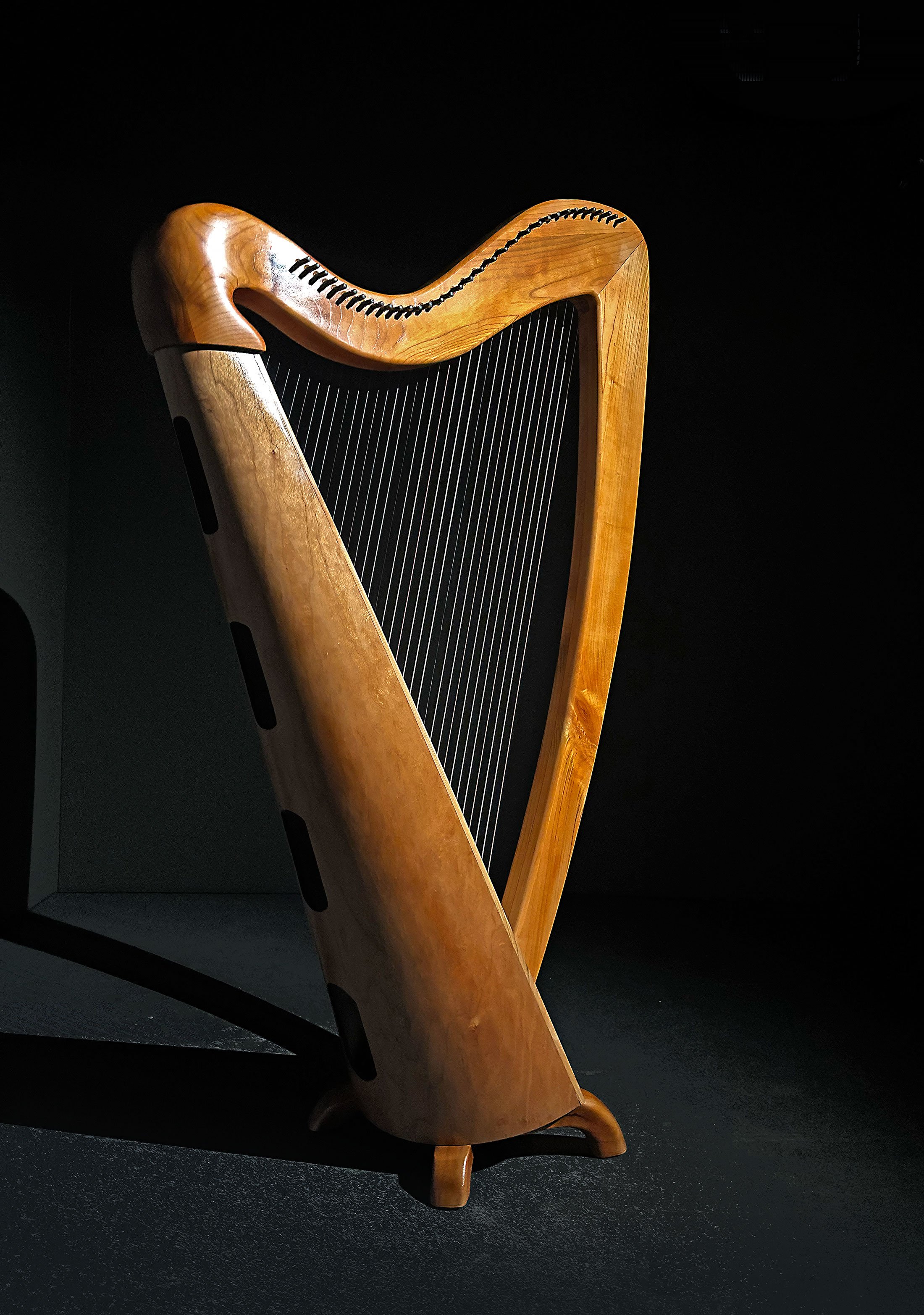
The harp (cláirseach) is one of Ireland’s most enduring national symbols, representing the country’s rich musical heritage, resilience, and cultural identity. As the centrepiece of Ireland’s coat of arms, it is featured in many contexts, from Irish coins to Guinness products.
Sharing similarities with Japan’s national instrument the koto, both are wooden stringed instruments that require delicacy, precision and many years of practice to produce resonant, flowing melodies.
The harp here is handcrafted by Tomás Mac Uileagóid who learned the craft from Colm Ó Meachair, a renowned figure in the revival of the instrument.
Harp
The harp (cláirseach) is one of Ireland’s most enduring national symbols, representing the country’s rich musical heritage, resilience, and cultural identity. As the centrepiece of Ireland’s coat of arms, it is featured in many contexts, from Irish coins to Guinness products.
Sharing similarities with Japan’s national instrument the koto, both are wooden stringed instruments that require delicacy, precision and many years of practice to produce resonant, flowing melodies.
The harp here is handcrafted by Tomás Mac Uileagóid who learned the craft from Colm Ó Meachair, a renowned figure in the revival of the instrument.
Cartoon Saloon
The Irish animation tradition has flourished in recent decades, blending myth, folklore, and handcrafted artistry in a way that echoes the storytelling depth of Japanese animation, particularly Studio Ghibli.
At the heart of this movement is Cartoon Saloon, whose films – The Secret of Kells, Song of the Sea, and Wolfwalkers – draw from Celtic mythology and nature-infused storytelling, much like Japan’s reverence for folklore and environmental themes. The intricate hand-drawn techniques shared by both traditions is showcased here from original sketches of Wolfwalkers animation.
Both traditions show that animation is a powerful medium for cultural preservation and artistic innovation on a global scale.
Cartoon Saloon
The Irish animation tradition has flourished in recent decades, blending myth, folklore, and handcrafted artistry in a way that echoes the storytelling depth of Japanese animation, particularly Studio Ghibli.
At the heart of this movement is Cartoon Saloon, whose films – The Secret of Kells, Song of the Sea, and Wolfwalkers – draw from Celtic mythology and nature-infused storytelling, much like Japan’s reverence for folklore and environmental themes. The intricate hand-drawn techniques shared by both traditions is showcased here from original sketches of Wolfwalkers animation.
Both traditions show that animation is a powerful medium for cultural preservation and artistic innovation on a global scale.
Joseph Walsh
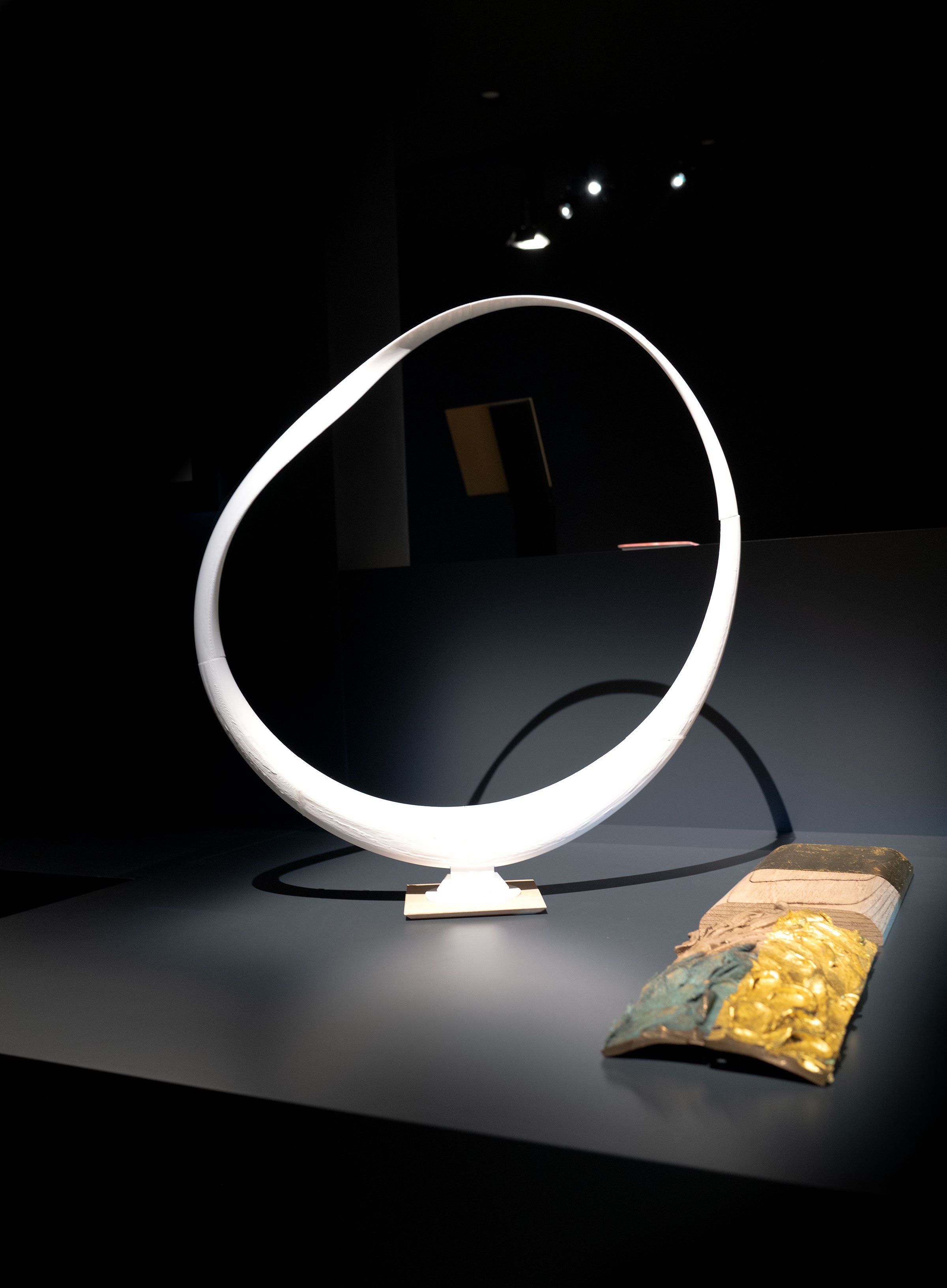
Joseph Walsh is an Irish designer and maker from County Cork, where he established his studio and workshop in 1999. With no formal training, he developed his mastery of woodworking while from the outset pursuing innovation based on traditional techniques.
His work reveals an intuitive relationship with making, a sympathetic use of materials and an expressive engagement with form. Here you can see models and materials developed by Joseph and his team for Magnus RINN, the monumental outdoor sculpture which he has created for the Ireland Pavilion using ground-breaking new material technologies.
This site-specific work symbolises the relationship between man and nature throughout the passage of time and nature’s cycles.
Joseph Walsh
Joseph Walsh is an Irish designer and maker from County Cork, where he established his studio and workshop in 1999. With no formal training, he developed his mastery of woodworking while from the outset pursuing innovation based on traditional techniques.
His work reveals an intuitive relationship with making, a sympathetic use of materials and an expressive engagement with form. Here you can see models and materials developed by Joseph and his team for Magnus RINN, the monumental outdoor sculpture which he has created for the Ireland Pavilion using ground-breaking new material technologies.
This site-specific work symbolises the relationship between man and nature throughout the passage of time and nature’s cycles.
The Making of Us
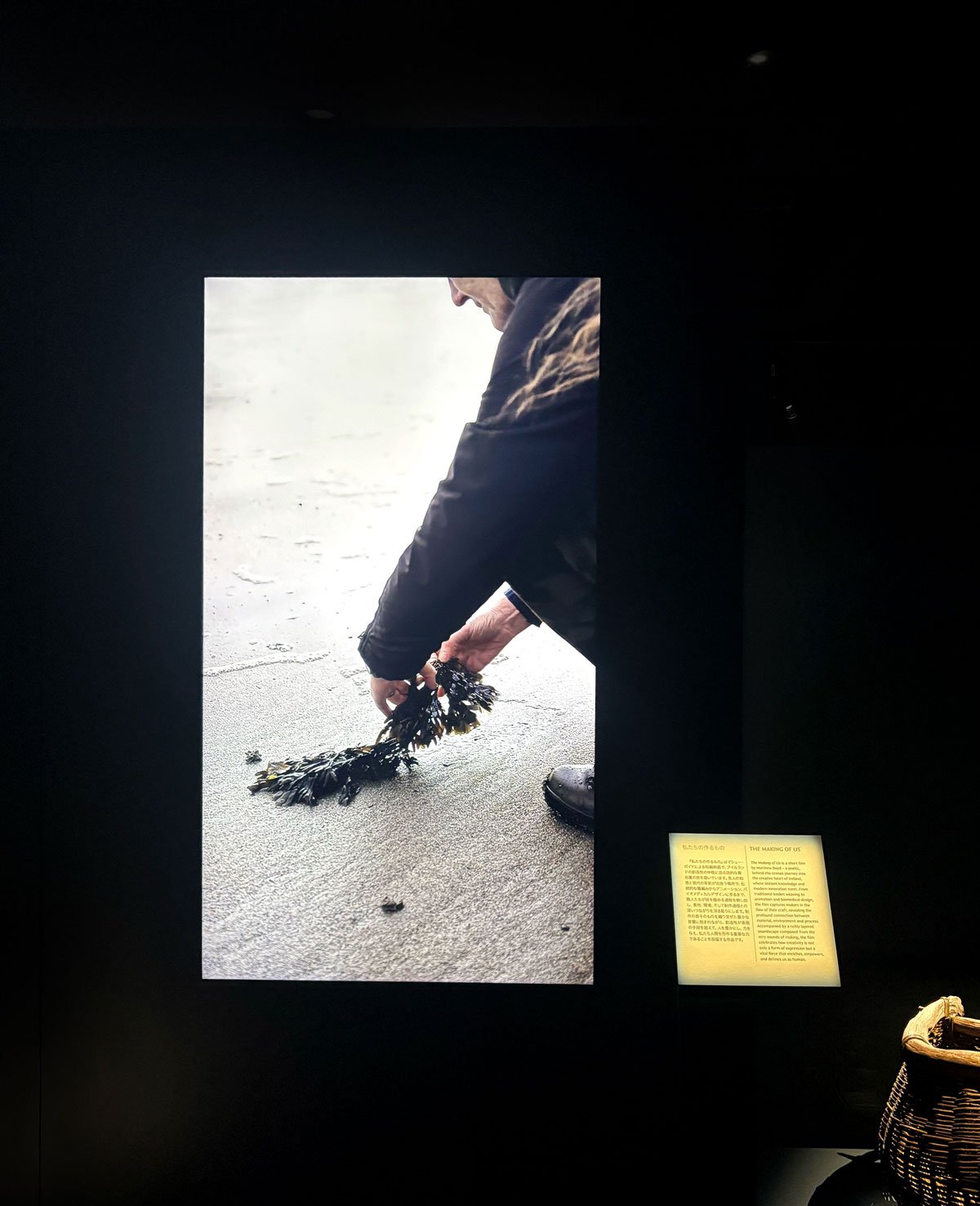
The Making of Us is a short film by Matthew Boyd – a poetic, behind-the-scenes journey into the creative heart of Ireland, where ancient knowledge and modern innovation meet.
From traditional basket weaving to animation and biomedical design, the film captures makers in the flow of their craft, revealing the profound connection between material, environment and process.
Accompanied by a richly layered soundscape composed from the very sounds of making, the film celebrates how creativity is not only a form of expression but a vital force that enriches, empowers, and defines us as human.
The Making of Us
The Making of Us is a short film by Matthew Boyd – a poetic, behind-the-scenes journey into the creative heart of Ireland, where ancient knowledge and modern innovation meet.
From traditional basket weaving to animation and biomedical design, the film captures makers in the flow of their craft, revealing the profound connection between material, environment and process.
Accompanied by a richly layered soundscape composed from the very sounds of making, the film celebrates how creativity is not only a form of expression but a vital force that enriches, empowers, and defines us as human.
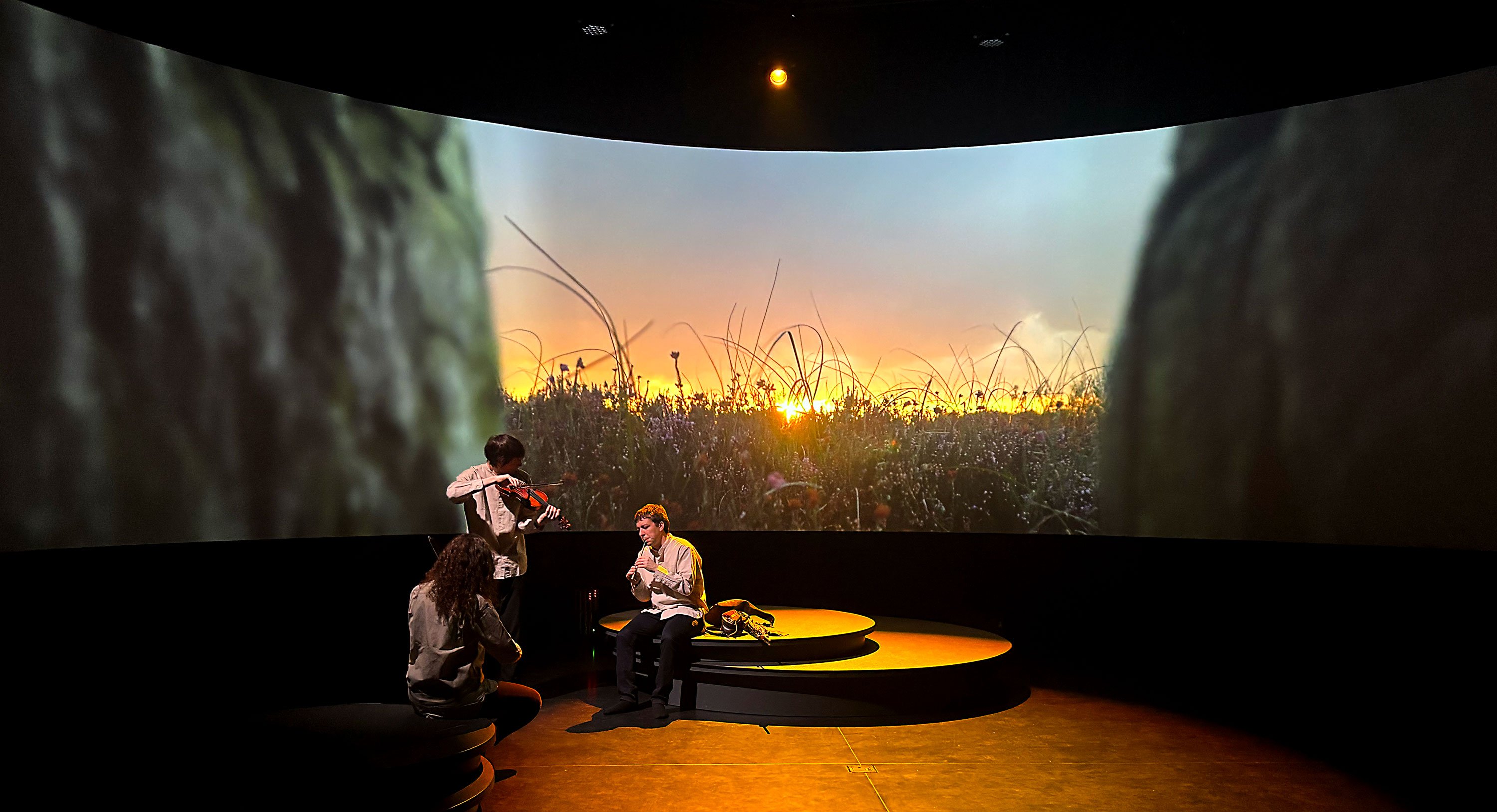
Marianne Keating and Caoimhín Ó Raghallaigh
You are invited to experience a new collaborative work by artists Marianne Keating and Caoimhín Ó Raghallaigh, created for Expo 2025. This work invites us to retreat from the noise and pace of everyday life – a space where we can reflect, slow down, and attune ourselves to something more essential beyond us. At its heart is a belief in the transformative power of shared presence as something beyond physicality, transcending time and place.
Marianne Keating and Caoimhín Ó Raghallaigh
You are invited to experience a new collaborative work by artists Marianne Keating and Caoimhín Ó Raghallaigh, created for Expo 2025. This work invites us to retreat from the noise and pace of everyday life – a space where we can reflect, slow down, and attune ourselves to something more essential beyond us. At its heart is a belief in the transformative power of shared presence as something beyond physicality, transcending time and place.
The collaborative work comprises of three elements:
Cuimhní Talún / The Land Remembers – The evocative film draws on the ancient Irish myth of the Tuatha Dé Danann, the supernatural beings who once walked among humans but withdrew as our reverence for the natural world faded. Set in mist-laced boglands and sacred landscapes, the film is a meditation on loss, memory, and the fragile relationship between humanity and the land.
An tAer / The Air – The recorded score embodies the movement between worlds, creating a musical environment in which the musicians can connect in the present. This soundscape links our deep connection with the past to the present moment, forming a bridge between realms, stories, and souls.
An Spré / The Spark – Three live musicians step into the space, asked simply to give the gift of their attention to you and to each other. Each performance is unique, shaped by the moment and their shared history with traditional Irish music. At a certain point, they will incorporate simple movements drawn from traditional Irish dance to build a bridge toward the Japanese Bon Odori. You are warmly invited to join them and share your own Bon Odori dance in the space.
Through the interplay of film, music, and live performance, the work invites us to reconnect – with each other, with the natural world, and with the deeper rhythms that shape our lives – connecting people through time, place and creativity.