

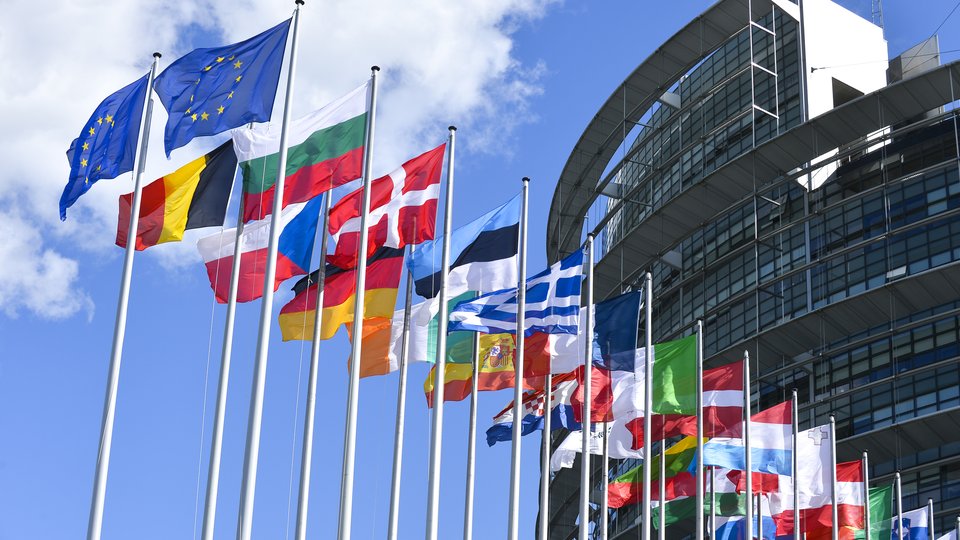
Meet the Irish multilinguists working in the EU institutions
Ireland has a proud history of service in European Union institutions and agencies.
Working within the EU offers Irish citizens the opportunity to make a tangible and lasting impact on the lives of their fellow citizens – not only in Ireland, but across the Union.
There are 24 official EU languages, including English and Irish, the latter of which was granted full official and working status in the EU in 2021.
There is a wide variety of opportunities available to Irish people who wish to work within the EU. Here we shine a spotlight on Irish professionals who are working with languages in the institutions:
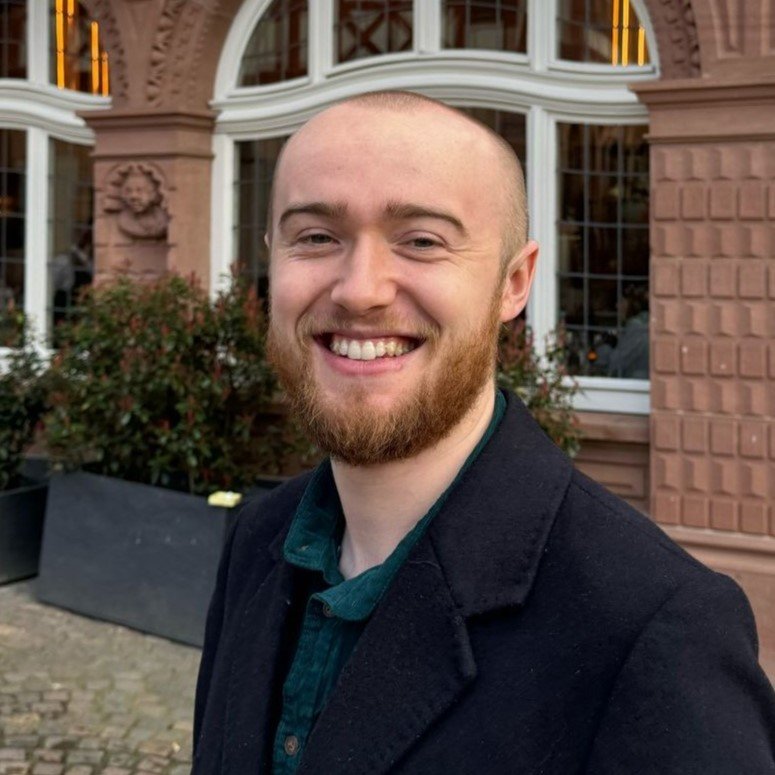
Seán Ó hUallacháin, Linguist at the General Secretariat of the Council of the EU
Languages spoken: Irish, English, French and basic Japanese
Favourite word?
The Irish word cogar. It means whisper and sometimes used at the start of a phrase to draw in the attention of the listener. My favourite English word is probably the verb scuttle.
Favourite idiom?
‘Níl tuile dá mhéad nach dtránn.’ There is no flow that will not ebb in turn. In other words, nothing lasts forever. A nice one to remember at a stressful moment.
Favourite part of your job?
My job engages both the introvert and the extrovert in me. You might not notice the hours going by as you find your rhythm with a long document but later that day you might find yourself at the centre of a translation clinic - sessions where we translators discuss our work and make choices as a group and so forth. There's something for everyone.
Why did you choose to pursue a career working with languages?
I knew that if my future job was language-related in some way that I would enjoy it - and I really am doing so. Language-study was where I excelled in school. I am definitely not a numbers guy.
I also thought that a linguistic career would likely lead to me seeing some new places along the way and it has definitely done that. Irish brought me first to Canada, where I taught for a year in a university, and now to Belgium.
What advice would you give to someone who is learning a new language?
I would tell them to remember why it was that they started. Do they need the language for their career? Their new home? Is it purely out of interest? Any reason is valid but it can be good to remember why you started in the first place and to let that be your motivation.
In terms of more hands-on advice, I would say this: aside from speaking to native speakers as much as possible, consuming media is helpful. People talk about TV shows, films and so on but in my experience music trumps them all.
With the streaming services that are now available to us you can let the voices of native-speakers pour directly into your ears, and with the melody, it's all the more memorable.
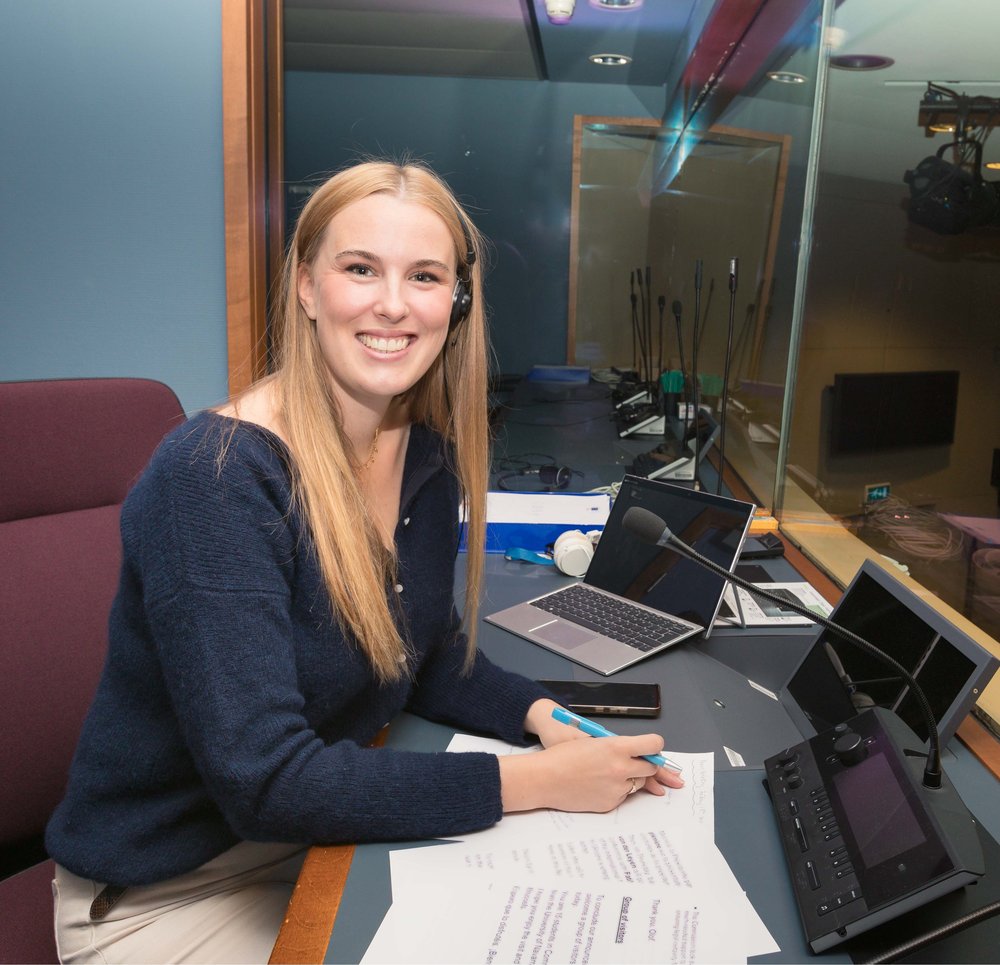
Aisling Ní Chatháin, Interpreter at the European Commission
Languages spoken: Irish, English, German, French
Favourite word?
It’s hard to pick a favourite but ‘Feierabend’ in German is definitely up there. Translated literally it’s the words for celebration and evening put together but basically it means that work is finished for the day – so it’ll always put a smile on your face when you hear it being announced!
Favourite idiom?
“Beatha teanga í a labhairt” meaning the life of a language is speaking it. Whether it’s Irish or any other language don’t be afraid to use your cúpla focal!
Favourite part of your job?
What I love most is that each day brings something new – whether it’s interpreting a new meeting I’ve never done before, working with a new colleague in the booth, learning a new word, visiting a new city or country – it’s a job where no 2 days are the same!
Why did you choose to pursue a career working with languages?
To be honest I can’t remember ever wanting to do anything else, the question for me was more in what capacity I wanted to work with languages.
When I was younger my dream job was to be paid to learn languages, and I think interpreting is about as close as you can get to that!
For me it ticked all the boxes in terms of what I was looking for in a career; getting to use my languages every day, opportunities to learn new languages and to travel and work abroad, and being able to work in and help to preserve multilingual environments.
What advice would you give to someone who is learning a new language?
I think immersion is key but it doesn’t necessarily have to cost an arm and a leg. Spending time wherever a particular language is spoken is the best way to immerse yourself in it but if that’s not on the cards for whatever reason there are so many other ways of immersing yourself in a new language or culture today: music, podcasts, films, TV shows, books.
The main thing is that you’re improving your fluency and comprehension through exposure to how the language is actually used by its native speakers - which you won’t always get with a textbook or Duolingo!
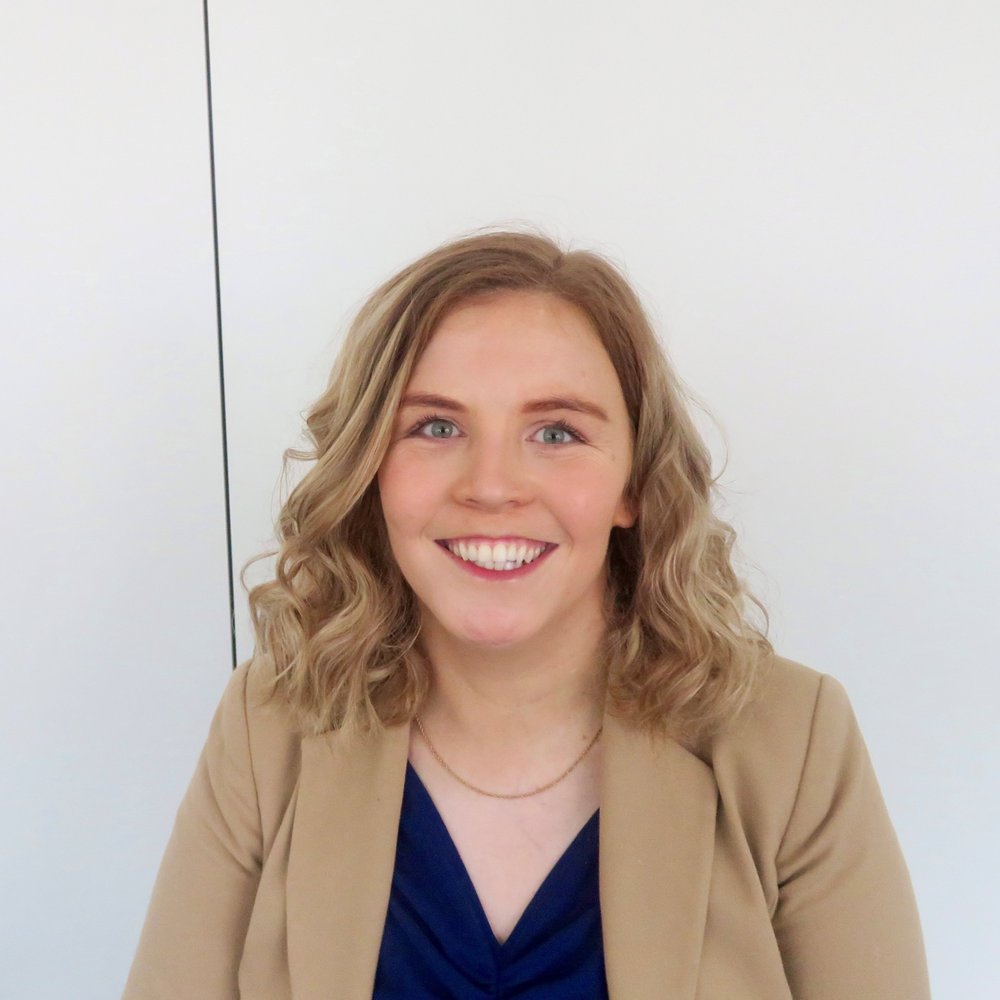
Clíodhna Coyle, Linguistic Assistant in the European Commission
Languages spoken: Irish, English, French
Favourite word?
A French word I love which is quite topical for the Autumn/Winter months is “mouchoir” which means tissue. In Irish my favourite word has to be “sceitimíní” for excitement.
Favourite idiom?
“Níor bhris focal maith fiacail riamh.” This literally translates to “a good word never broke a tooth”, and the meaning I take from this seanfhocal is that kindness doesn’t cost anything.
Favourite part of your job?
My favourite part of my job is the variety of tasks I have to undertake, and that I am constantly learning new things. No two days are the same!
My role involves assisting the Head of Unit with daily tasks, and I provide general administrative support to the unit and department. I also work with a supportive and friendly team, which makes coming into work each day really pleasant and enjoyable.
Why did you choose to pursue a career working with languages?
My mum is an Irish teacher and a huge inspiration to me. I followed in her footsteps with my love for Irish and French. Throughout my school years, I had fantastic language teachers who gave me the belief that none of my dreams were out of reach if I worked hard enough.
What advice would you give to someone who is learning a new language?
To use another Irish proverb, “cleachtadh a dhéanann máistreacht”, or “practice makes perfect” in English.
My main advice would be to put in the hours learning the vocabulary and the grammar. Little by little, you will find yourself putting more complex sentences together, but it takes time and patience.
If you can find people who are happy to speak the language with you, this will bring your competency in speaking any language to the next level.
Nearly all my friends in Brussels are Gaeilgeoirí and even though we all speak English, we make a conscious effort to speak Irish when we are out and about together.
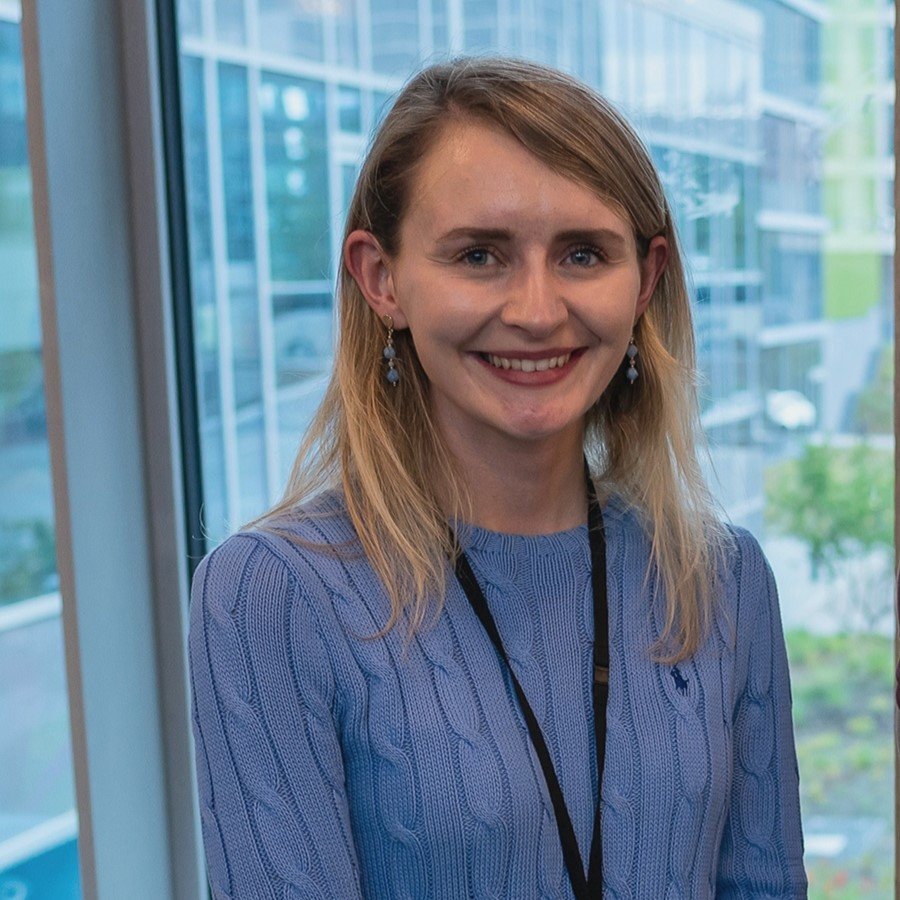
Laura McMahon, Intercultural and Language Professional at the European Parliament, Luxembourg
Languages spoken: Irish, English, German, Italian, French
Favourite word?
It is too hard to pick just one but in general, I love how poetic the Irish language is. Many of the phrases we use in everyday speech contain alliteration and rhyme, for example ‘crá croí’, ‘tásc ná tuairisc’, ‘grá geal’, ‘bata agus bóthar’.
The German language has some fun words as well. ‘Schokoladenseite’ is used to describe a person’s best side and literally means ‘their chocolate side’.
Favourite seanfhocal?
‘Doras feasa fiafraí’ which loosely translates as ‘the door to wisdom lies in asking questions’.
What is your favourite thing about your role?
It find my role as a translator extremely satisfying in that it allows me to contribute to the safeguarding and preservation of the Irish language, which historically speaking was in a precarious state not so long ago.
Irish is such a rich and ancient language and it is a privilege to work towards ensuring that the highest linguistic standards of the language are maintained. I am so lucky to work with colleagues who have a wealth of knowledge about the Irish language.
Why did you choose to pursue a career working with languages?
I have always been fascinated by foreign languages and how they looked and sounded. I got a ‘grá’ for the Irish language at a young age as my grandmother is a native Irish speaker; then I went to the Gaeltacht multiple times as a teenager.
While in secondary school I developed a passion for German, followed by Italian. I wanted to pursue a career that would require me to use my knowledge of different languages on a daily basis. Translating for the European Parliament in multilingual Luxembourg has allowed me to do just that.
What advice would you give to someone who is learning a new language?
If possible, I would recommend spending time in the country where that language is spoken and fully immersing yourself in the language.
Another great way of accelerating your progress is by reading books in the language as this is a great way of expanding your vocabulary.
Read books about topics you are interested in so it will be an enjoyable activity, rather than feeling like a chore. Many ebook readers have in-built dictionaries, which takes out the hassle of having to look up unfamiliar words in a dictionary as they appear.
Find out more about careers for Irish people within the European Union and related institutions across Brussels, Luxembourg and Frankfurt by visiting EU Jobs.