

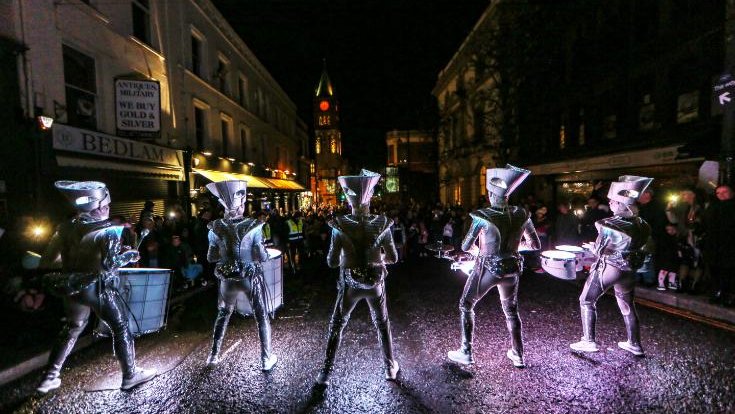
The Otherworld at Samhain
Samhain is a festival marking a time associated with the otherworldly and with magic.
The spiritual world in Irish tradition is interconnected with the landscape and environment around us.
A mythological battle is the reason given for why the victors in the battle, the Milesians, took the surface part of Ireland while the defeated Tuatha Dé Danann agreed to live inside the hills and mounds, inhabiting an underground realm.
In folklore, the Tuatha Dé Danann become the aos sí, meaning “people of the mounds”, also translated as “fairies”. Some of these mounds and “hollow hills” are pre-Celtic, such as the Hill of Tara and Newgrange, two sites in Co. Meath, parts of which date to the Neolithic period.
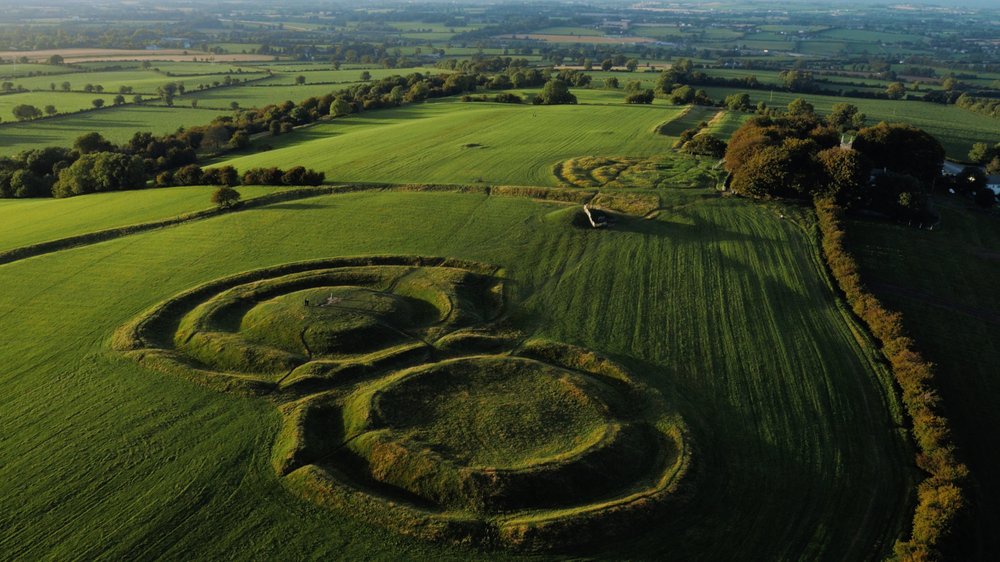
The dead mingling with the living
Other mounds, or what are now flattened mounds, are ringforts or “fairy forts”, which date to the Early Medieval period, some dating to much earlier. Legends tell how these mounds open up at Samhain and allow the inhabitants of the otherworld to mix with humans, and the dead to mingle with the living.
Legend has it that an otherworldly inhabitant, the Púca, which can shapeshift into a horse or goat, comes out at Samhain to urinate or spit on bushes. and It is therefore unlucky to eat fruit from bushes after Samhain.
Traditions at Samhain
Some say that traditions like guising [trick or treating] began when people tried to disguise themselves from malevolent spirits abroad at Samhain. Others think it might have been a way of acknowledging the returning dead.
Leaving the doors of the house unlocked, or setting a place at the table for deceased relatives on Samhain night, point to the customs being in honour and remembrance of the dead, possibly deriving from ancient ancestor veneration.
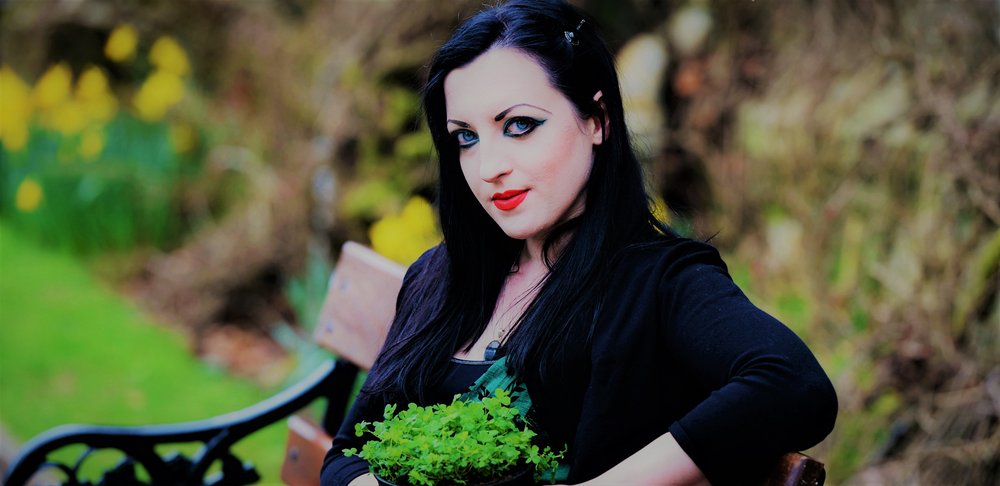
Dr Jenny Butler
Dr Butler has been working in the area of cultural studies, folklore and religion as a Lecturer in University College Cork for 23 years. She is fascinated by the otherworldly and magical aspects of life, spiritual connection to the world, rituals, festivals, and sacred landscapes.
She was awarded a Government of Ireland Postgraduate Scholarship to conduct her doctoral research on contemporary Paganism in Ireland. The scholarship enabled her conduct her research, which involved fieldwork where she interviewed druids and witches, accompanying them on visits to sites on the landscape which are special to them.
Ireland's cultural heritage
Funding this kind of work through bodies such as Research Ireland is important for Ireland’s cultural heritage, supporting researchers in documenting our great variety of traditions and to gain insights into how people live in the modern day, on what holds meaning, and what connects people to the past.
“Being awarded Research Ireland funding at any stage is prestigious and helps researchers raise their profile and it bolsters their career. I know that being a Government of Ireland researcher has helped me in my career and opened many doors for me”.