6 Halloween traditions that come from Ireland’s Samhain festival
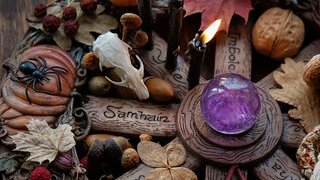
Halloween is a holiday now celebrated worldwide every year, and it comes with many different seasonal traditions and customs. What many people don’t know is that most of these Halloween traditions have their roots in Ireland’s Samhain festival.
On Samhain, the ancient Celts made sure to follow particular practices and traditions in order to both celebrate the changing season and to protect themselves from wandering, potentially evil, spirits and souls.
Many of these have now become synonymous with Halloween as we know it today. Discover below the history of how some of our most closely held Halloween traditions began in Ireland.
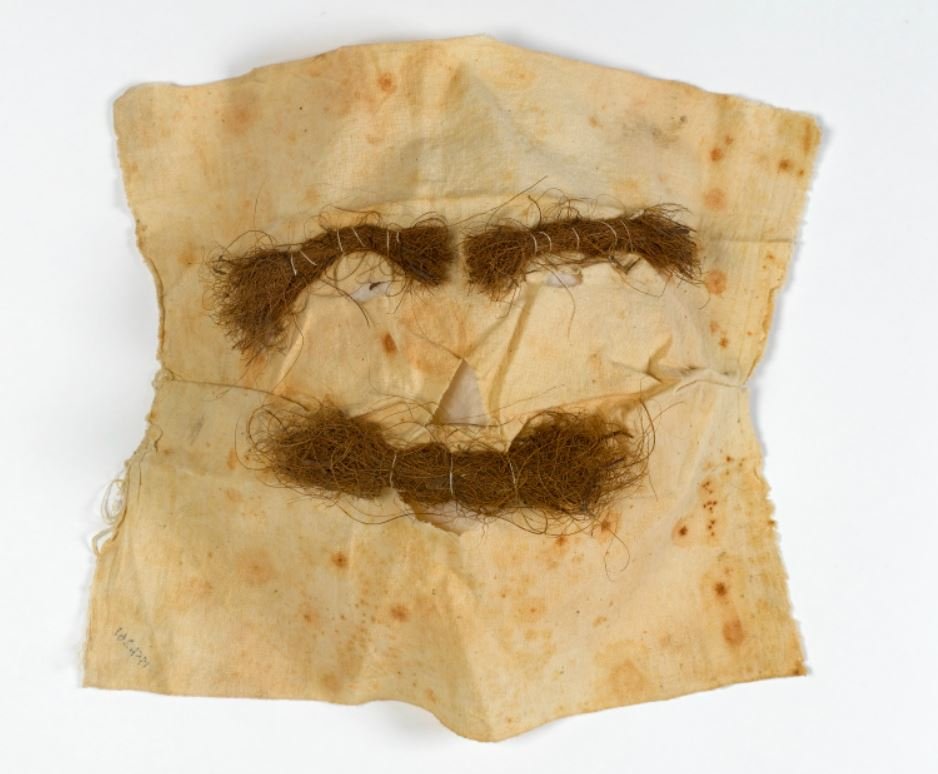
Fabric masks
Similar to modern day Halloween costumes and dress up, during Samhain, our predecessors would use horse hair and sheep’s wool to replicate facial hair on scraps of fabric to create a mask, to wear over the face as a disguise. This was thought to help protect you from the ghosts and ghouls who lingered at the thinning of the veil between our world and the world of the dead at Samhain.
Lanterns
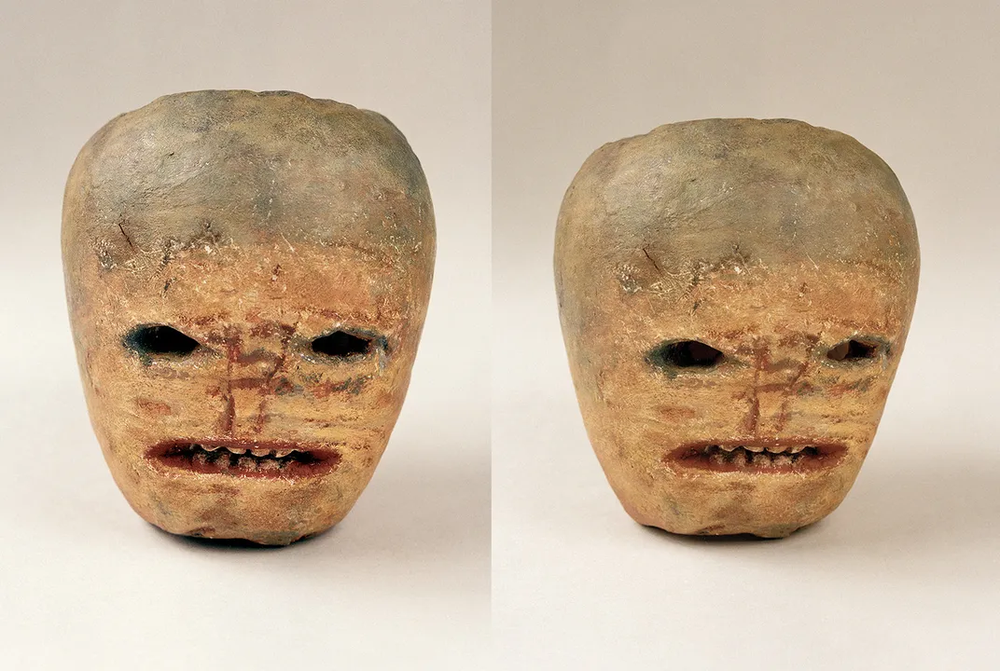
Today carving scary faces on pumpkins and placing candles inside to ward off unwelcome visitors is part and parcel of celebrating Halloween. During Samhain, people would carve evil and menacing faces on turnips. These would be carried around or placed outside homes as a form of protection in this spooky season. As the Irish immigrated to the United States and brought this tradition with them, pumpkins became the root vegetable of choice for what have become known as Jack O’ Lanterns, as they were easier to carve.
Jewellery of the earth
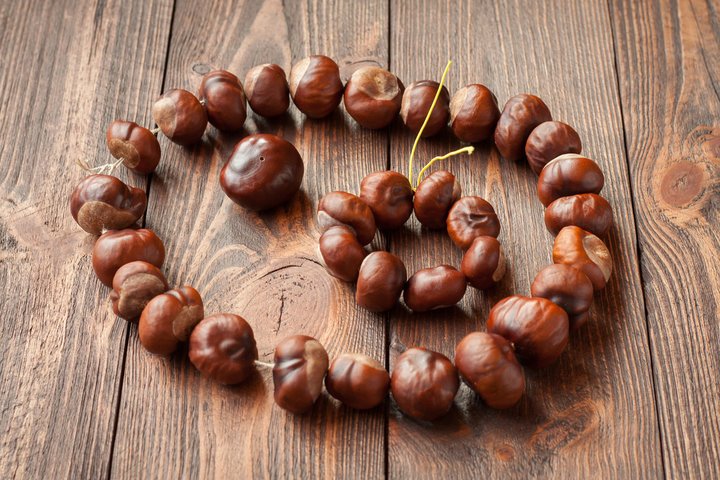
Samhain marked the end of harvest and thus the end of the annual farming cycle. This meant that after harvesting families would have surplus of nuts and berries so necklaces could be made of chestnuts, conkers and rosehip. Children would make the jewellery and people would wear them during their Samhain celebrations
Bairín Breac
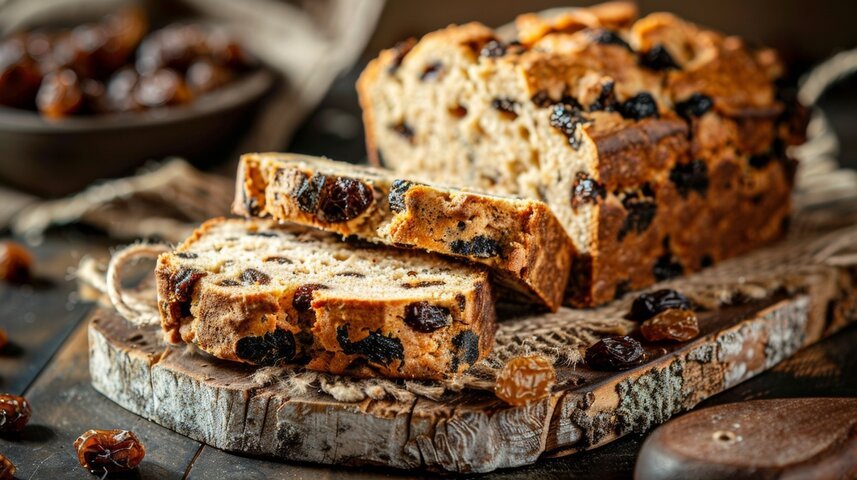
The original bairin breac would have a variety of superstitious objects baked within. Should you be blessed with fortune you would find a coin and the possibility of marriage would be found in a ring, or if you found a rag, it would signify that you would become a poor man. Inspired to make a Halloween Barmbrack, as it’s also know, this year? Follow this traditional Irish Bairín Breac recipe.
Protecting from tricksters
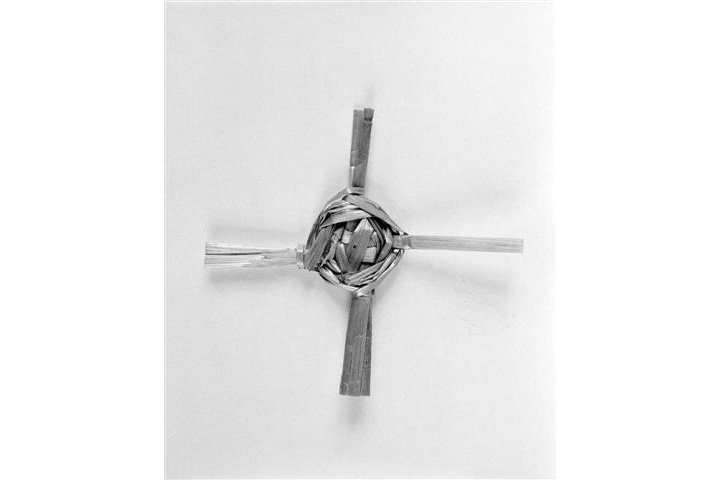
Like is done on St Brigid's Day, at Samhain people would make crosses and hang them in the house to protect all the harvest from the ghosts and ghouls that lingered outside. The Halloween cross would have been made of scraps of wood, twine and string.
Trick or treating
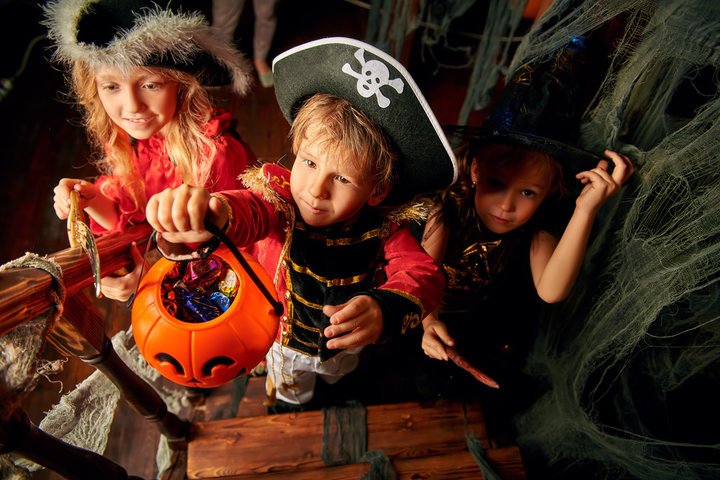
One of the main events of Halloween is trick or treating, where on the evening of 31 October, children dress up in their costumes and knock on neighbours doors to get some sweets and treats. Similarly at Samhain people would have dressed up in their masks to imitate the ghosts of people passed into the other world, and received offerings on their behalf.