


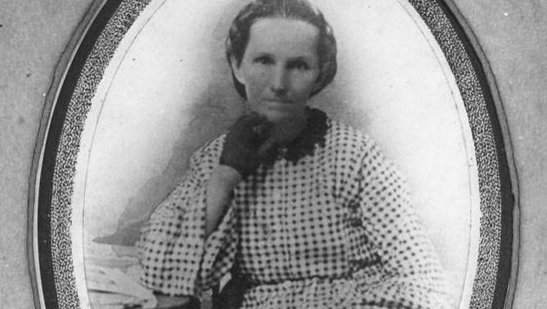
Margaret Heffernan Borland
The Irish woman who conquered the Chisholm Trail
The story of Ireland's connection with Texas is woven through generations of emigrants who crossed the Atlantic in search of opportunity, carrying with them resilience, ambition, and a pioneering spirit.
Few individuals embody that story more vividly than Margaret Heffernan Borland, an Irish trailblazer whose remarkable achievements helped shape the American west.
From Tipperary to Texas in 1829
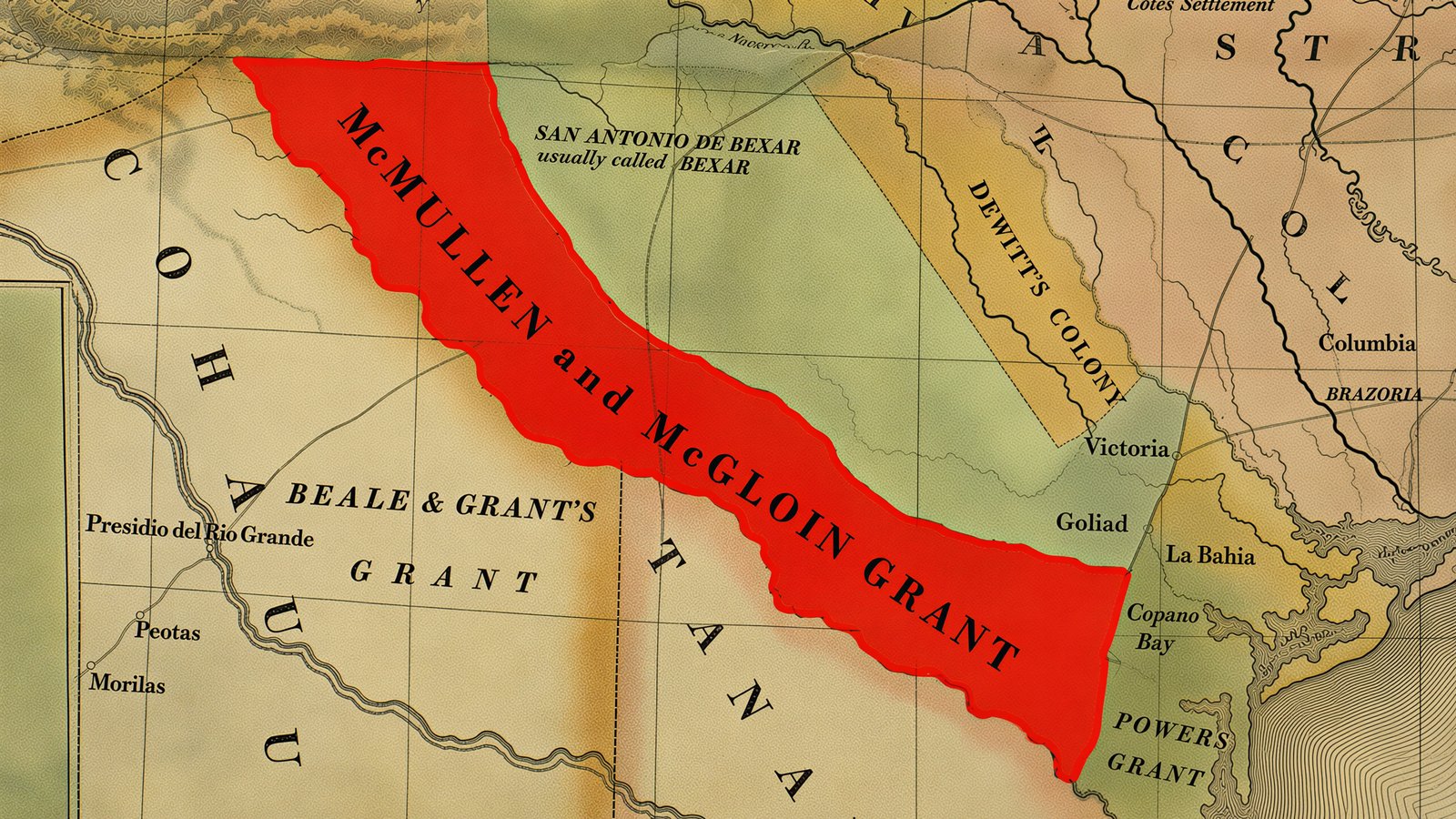
Margaret's family came from County Tipperary and arrived on the Texas coast in 1829, when she was just five years old. They were among the many Irish families who crossed the Atlantic seeking opportunity and a new life.
The Heffernan’s arrived as part of the McMullen-McGloin Colony, one of the earliest waves of Irish settlement in the region.
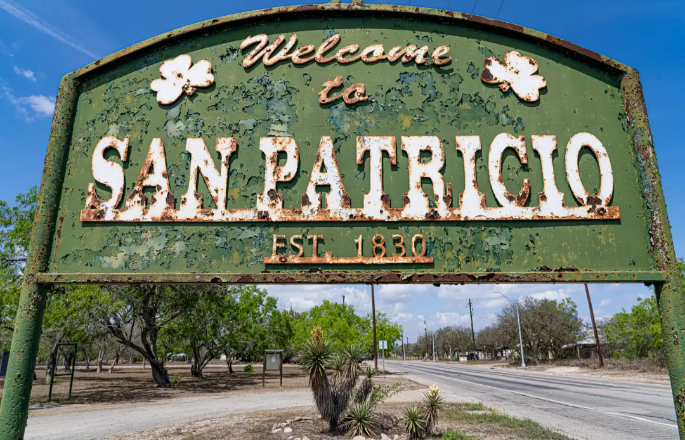
San Patricio de Hibernia
They also helped establish San Patricio de Hibernia, or Saint Patrick of the Irish, a small community on the northern frontier of what was then Mexico.
Like many immigrant families, the Heffernan’s faced significant challenges. Frontier life demanded courage, adaptability, and perseverance. Margaret experienced loss and hardship from an early age, yet she would go on to become one of the most successful ranchers in South Texas.
Conquering the Chisholm Trail
Following the death of her third husband, Alexander Borland, in 1867, Margaret assumed responsibility for a vast cattle operation. At a time when women rarely held positions of economic leadership, she successfully managed a herd of more than 10,000 cattle and became one of the leading ranchers in the region.
Her place in history was secured in 1873 when she undertook an extraordinary cattle drive along the famed Chisholm Trail, the great artery of the American cattle trade. From South Texas to the Kansas railheads, each year cowboys moved hundreds of thousands of cattle to feed a hungry industrial north.
Leading more than 2,500 longhorn cattle from South Texas to Kansas, Margaret became the only known woman to own the herd, hire the crew, assume the financial risk, and direct the drive herself. After months on the trail, Margaret successfully reached Wichita, Kansas.
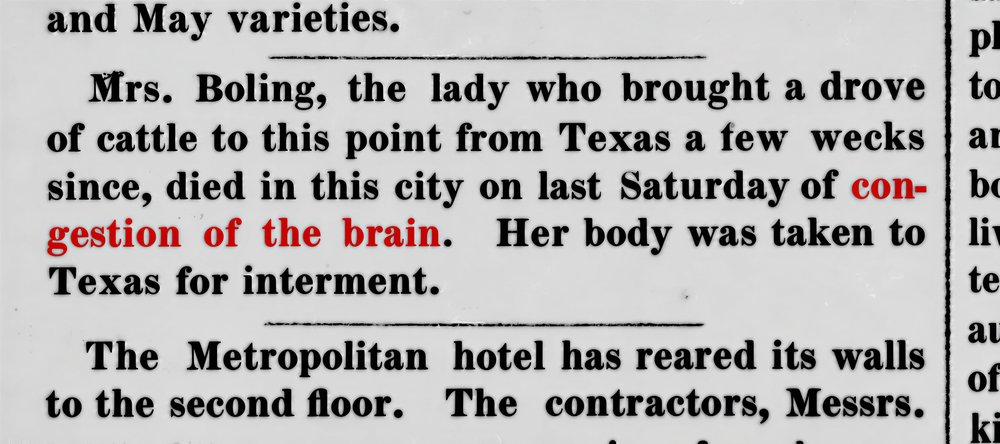
Shortly afterwards, she died from an illness described in contemporary reports as "trail fever" or "congestion of the brain." However, her successful drive had already secured her place in history.
The Chisholm Trail helped fuel the cattle economy that transformed Texas and contributed to the growth of communities across the state, including Fort Worth, which became one of the most important cattle trading centres in the American west. Today, the city's historic Stockyards remain a reminder of the trail drivers and ranchers whose determination helped shape its identity.
Connections today
More than 150 years later, the entrepreneurial spirit that carried Margaret Heffernan Borland across the frontier continues to connect Ireland and Texas. Today, more than 40 Irish companies support over 24,000 jobs across Texas, demonstrating the enduring impact of Irish investment, innovation and enterprise in the state.
One modern example is Kerry, the global food, beverage and nutrition company founded in southwest Ireland more than fifty years ago. Built on Ireland's rich agricultural heritage and expertise in food production, Kerry grew from a small local enterprise into a world leader in sustainable nutrition and food innovation.
Today, that Irish story continues in Fort Worth, where Kerry operates a Centre of Excellence for kettle-cooked foods. The facility combines culinary expertise, dairy heritage, and food science to create products enjoyed by consumers across the United States, including soups, sauces, dips, and dairy-based solutions served in restaurants nationwide.
While Margaret Heffernan Borland's world was one of cattle drives and frontier settlements, and Kerry's is one of research labs and food innovation, both stories share a common thread; they are rooted in Irish ingenuity, a deep connection to agriculture, and a belief in building new opportunities. From the era of the Old West to modern times, the Irish contribution remains woven into the economic and cultural fabric of the Lone Star State.