


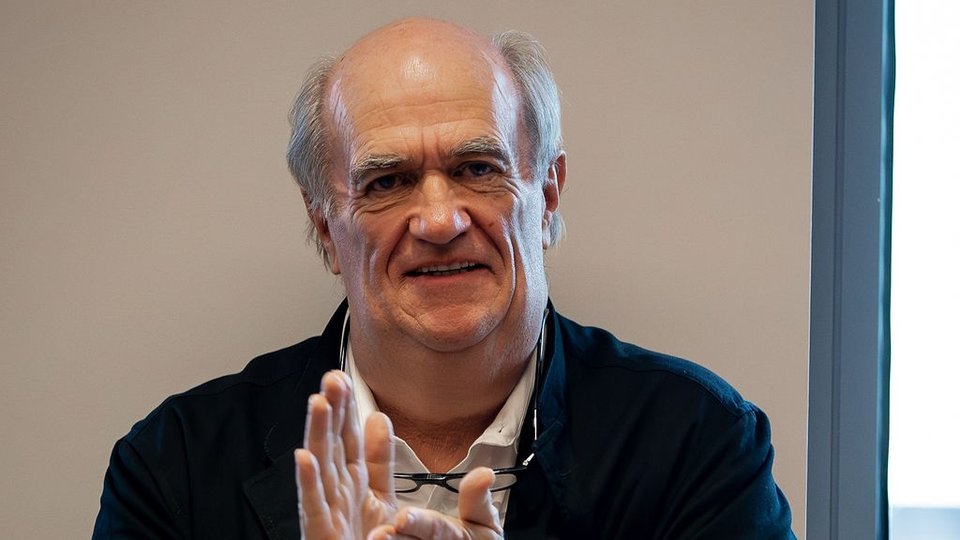
Colm Tóibín on Joyce, and the living map of Irish literature
Readers retrace Leopold Bloom’s footsteps, voices echo passages aloud, and the city, so carefully rendered in James Joyce’s Ulysses, feels both immediate and immortal.
James Joyce famously declared of his magnum opus Ulysses:
I want to give a picture of Dublin so complete that if the city one day suddenly disappeared from the earth it could be reconstructed out of my book.
Few contemporary writers carry that legacy forward as compellingly as Colm Tóibín.
The Enniscorthy-born novelist, known internationally for works such as Brooklyn, The Master, and now his new book of short stories 'The News From Dublin' spends his time tracing the inner lives of Irish people at home and abroad.
His writing moves between continents but remains anchored in the emotional geography of Ireland: memory, departure, return, belonging.
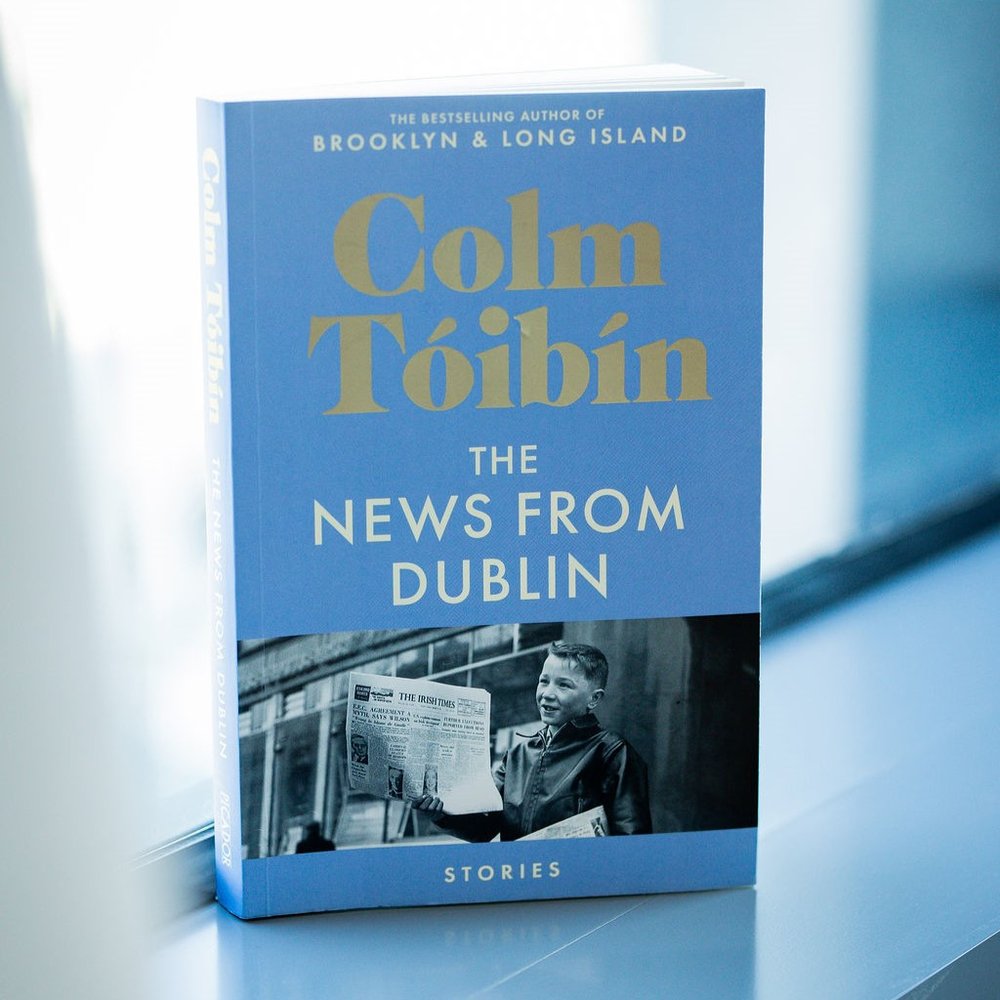
On Bloomsday, as Ireland celebrates Joyce, as well as the global reach of its literary traditions, Tóibín reflects on what it means to inherit and reshape that tradition.
Naming the unnamed
“Joyce is a great example to anyone who’s starting out,” Tóibín says. “The sheer bravery of it and the fact that there was nothing before him that gave him any help.”
That sense of creative independence and of writing into spaces that literature has not yet touched remains central to Irish writing today.
“If you are a young woman in a village in Mayo and no one’s ever written anything about that village… Joyce is a great example of saying ‘right, well you’re the person who’s now going to name it… all you need is paper, pen and a lot of determination plus some talent.’”
It is an idea that resonates far beyond Ireland. Across the United States, where Irish identity has long been reshaped by migration, writers continue to “name” new experiences extending the reach of Irish storytelling into new contexts and generations.
Leaving, returning, remembering
Movement between places, identities, and emotional states has always been central to Irish literature. It is also a defining motif in Tóibín’s own work.
Having spent much of his life between Ireland and the United States, he speaks candidly about how distance shapes perspective.
“Late at night [James Joyce] just loved singing… and I think that happens to anyone who lives outside Ireland… Even if it isn’t Irish music, you just get nostalgic for something.”
I think all of that business of coming and going… really belongs to Ireland, the idea of leaving, coming back and leaving coming back.
That quiet pull of memory, often unexpected, informs the emotional tone of diaspora writing.
“The whole business of coming back to Ireland… getting on a plane with other Irish people… I think all of that business of coming and going… really belongs to Ireland, the idea of leaving, coming back and leaving coming back.”
For Irish America, built on generations of arrivals and departures, this cycle remains deeply familiar. Tóibín places it within a broader global story:
“It’s a great subject now… It’s a great migration that’s happened from south to north… [and] the burning issue [is] who has the right to be where.”
The drama of elsewhere
If migration provides the setting, then emotional tension provides the story. Tóibín draws on literary wisdom to explain why the emigrant experience continues to captivate writers and readers alike.
“Henry James said a great thing about writing: ’Dramatise, dramatise, dramatise.’ So what you’re looking for is a drama.”
And few lives offer more inherent drama than those lived between worlds.
“The drama of… belonging, of missing, of feeling at home, of feeling ill at ease… of thinking you’re home and then you’re not.”
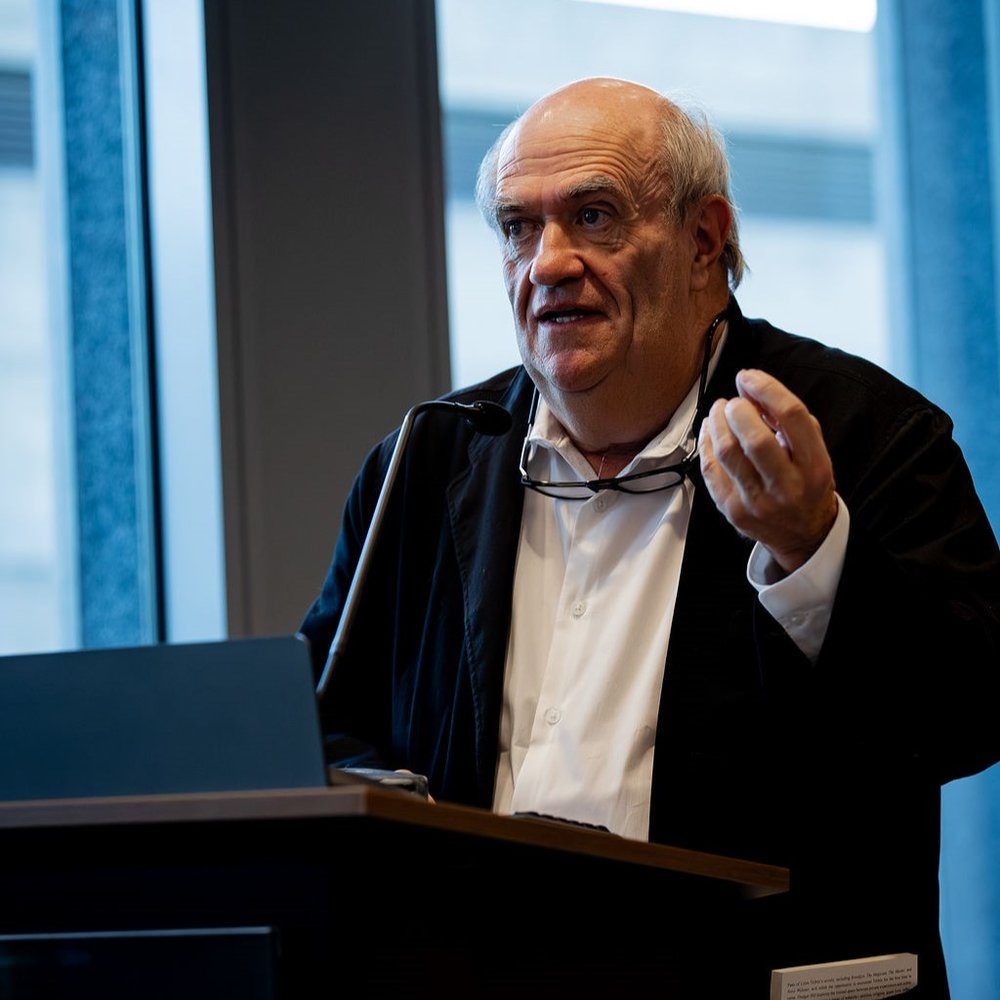
In the context of Irish America, that drama has long played out in powerful ways:
“The big subject is Irish people coming to America with such levels of expectation and the reality often being very different.”
It is precisely this tension between hope and reality, home and elsewhere, that gives Irish writing its enduring emotional force.
A living tradition
While Bloomsday traditionally centres on Joyce, Tóibín is quick to point out that Irish literature is far from fixed in the past. It continues to evolve, shaped by new voices and new forms.
Asked to recommend a contemporary Irish writer, he highlights Mike McCormack’s Solar Bones:
“It’s a beautiful novel about domestic life… just think about it - it’s an Irish novel where the hero is a civil engineer.”
The unexpectedness of that choice reflects the breadth of modern Irish writing.
“It’s one-sentence [style], but that doesn’t make it more difficult, it makes it more interesting.”
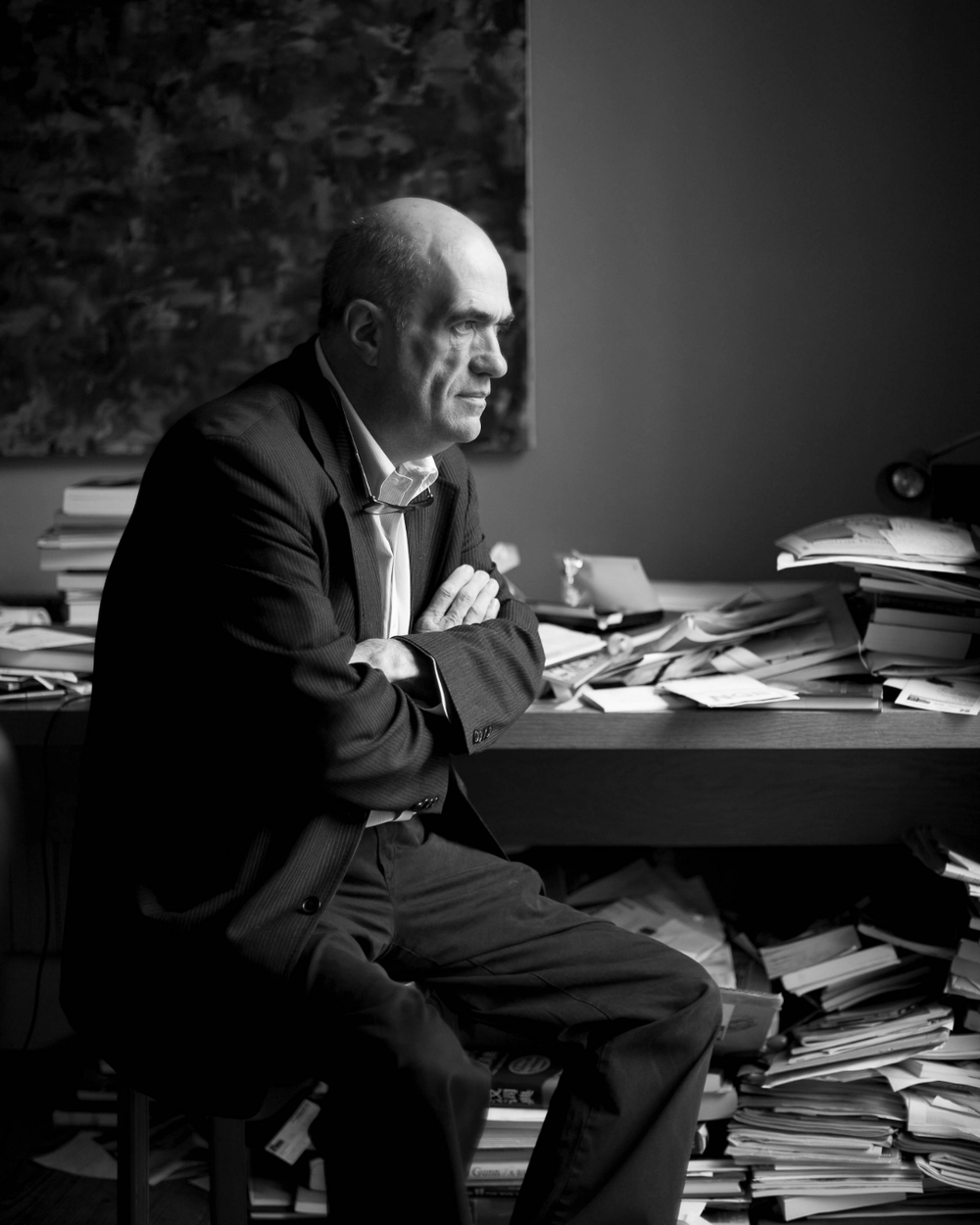
Bloomsday and beyond
From Joyce’s Dublin to Tóibín’s transatlantic landscapes, Irish literature has always travelled - carrying with it the textures of place, the ache of distance, and the resilience of memory.
On Bloomsday, as readers gather from Dublin to Washington DC and further afield, that tradition feels particularly alive. Stories once rooted in specific streets and villages now resonate across continents, speaking to universal questions of identity, belonging, and home.
And as Tóibín’s reflections suggest, the task Joyce set himself to capture a place so fully it could be rebuilt from words, remains an open invitation.
An invitation not just to remember Ireland, but to keep writing it.