


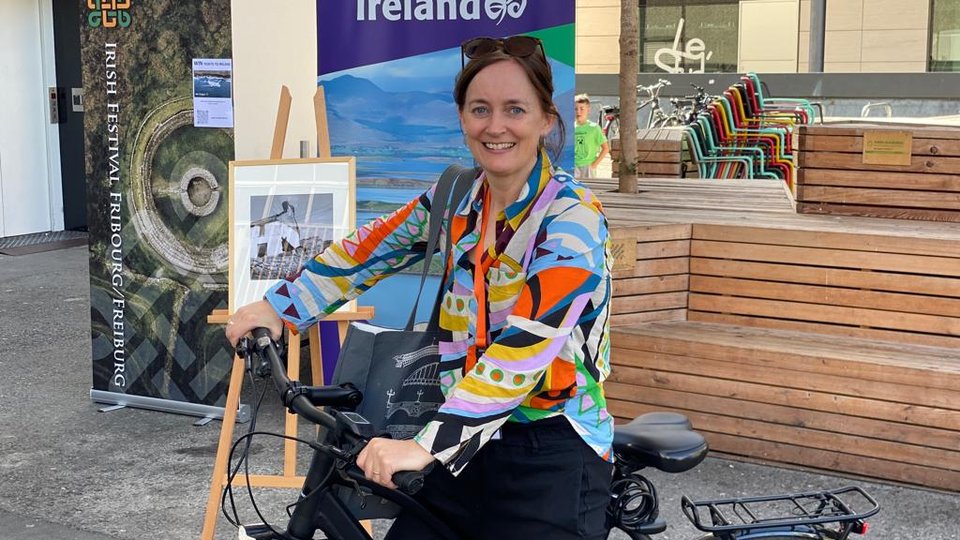
The Irish festival in Fribourg putting Irish culture on the map in Switzerland
Originally from Dublin, Clare O’Dea has lived for 20 years in Fribourg on the porous language border where the French-speaking and Swiss German communities overlap.
A former Irish Times journalist, she worked for a decade for the international news service of the Swiss Broadcasting Corporation, writing about Swiss politics, culture, business and social issues.
Clare has published three books – a non-fiction book about Switzerland, one about Ireland and Voting Day, a historical novel set in Switzerland in 1959 on the day when Swiss men voted ‘no’ to granting women the vote.
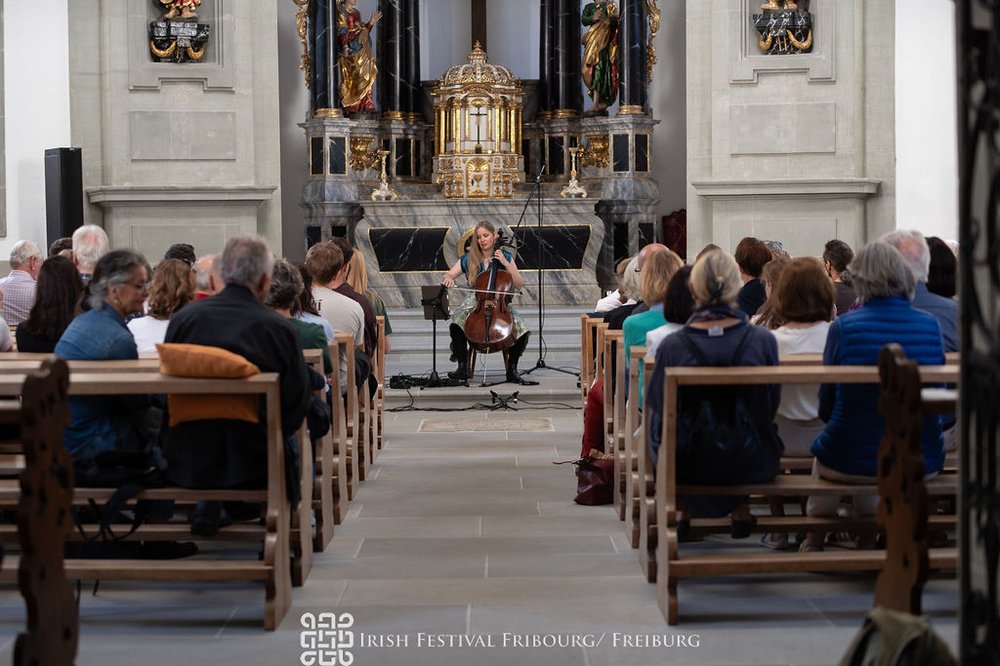
In 2023, she organised the first multidisciplinary festival of Irish culture in Switzerland featuring a literary and cinema programme, concerts, public lectures and whiskey tasting events. The Irish Festival Fribourg/Freiburg was supported by the Irish and Swiss authorities and received local lottery funding.
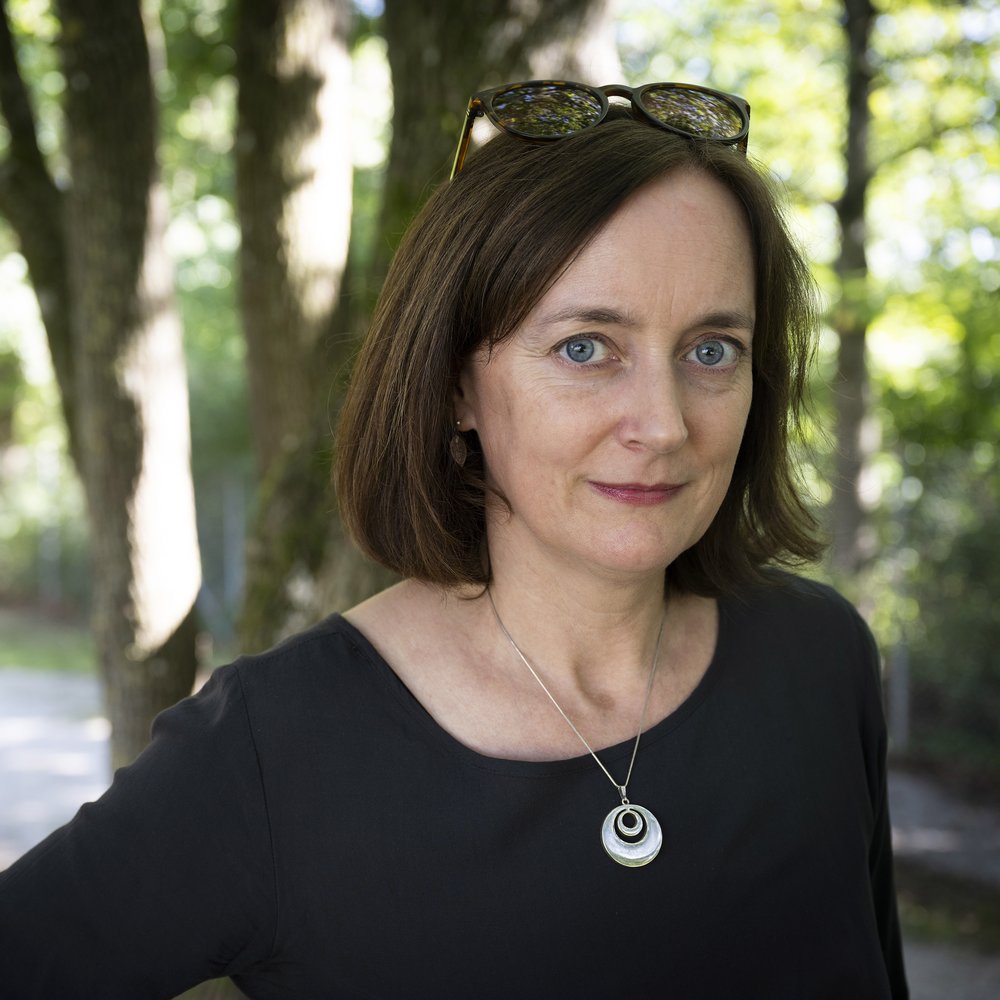
You know Ireland and Switzerland very well. What similarities have you noticed between the two countries?
“As small, neutral, economically successful countries, Ireland and Switzerland have many things in common. They also occupy the role of being slightly apart from Europe – Ireland geographically and Switzerland politically as a non-EU member.
Having more than one language in the mix is another similarity, although Irish has a different profile compared to the Swiss national languages which represent historically distinct cultural groups.
How those groups have lived together for centuries in peaceful cooperation is Switzerland’s success story, and the country’s rigorously fair federal system could be a good source of inspiration for Ireland in the future.”
What about ties between Ireland and Switzerland?
“My feeling is that the Swiss are much more aware of Ireland than the other way round. Many have visited Ireland and they have a big grá for Irish music. In the region where I live, part French-speaking and part Swiss-German, there are dozens of groups playing Irish music to an amazing standard. There’s even a Fribourg craftsman, Yves Gremaud, who trained in Bray to make Irish flutes professionally.
Meanwhile, in another part of the canton, Irish watchmaker Stephen McGonigle makes Swiss watches. Finding these connections between the two cultures was one of the joys of working on the Irish festival.
In fact, the Irish-Swiss connection goes back to early medieval times when the Irish saints and scholars brought learning to the Continent, founding monasteries along the way. The most important collection of Old Irish manuscripts is still held in the Abbey of St. Gallen in the city named after St. Gall, one of the followers of St. Columbus.
On the 400th anniversary of the Flight of the Earls, I got to write an article about the group led by earls Hugh O’Neill of Tyrone and Rory O’Donnell of Tyrconnell. They travelled through Switzerland in 1608, their journey recorded by the scribe Tadhg Ó Cianáin. He summed up “the country of the Swiss” as follows:
“It was strong, well fortified, uneven, mountainous, extensive, having bad roads, and no supremacy, rule or claim to submission by any king or prince in the world over the inhabitants.”
In more recent times, James Joyce became the most famous Irish emigré associated with Switzerland, his final resting place. Harry Clarke also sadly died here in Chur after seeking treatment for tuberculosis.”
Tell us about the Irish Festival Fribourg/Freiburg.
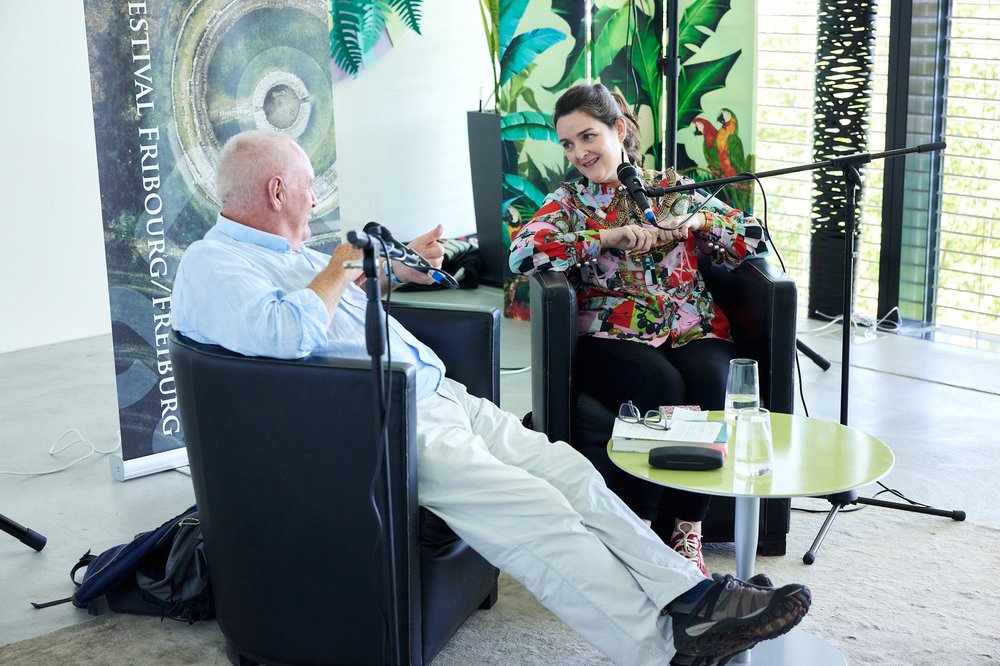
“There has been a regular Irish cultural presence in Switzerland over the years – a documentary screening here, a music festival there, the odd author visit or dance performance. The Irish Festival Fribourg/Freiburg was the first opportunity to put Irish culture on the map in a concentrated way.
The germ of the idea for the festival came when I was a guest at Listowel Writers’ Week in 2022. I loved how that festival was spread out over the town with different types of events. The atmosphere was amazing. Afterwards, I began to wonder if I could recreate something similar in Fribourg, showcasing Irish culture.
Once the team was set up in Fribourg, we decided to be ambitious – we wanted literature, lectures, music, cinema, concerts, dance, food and drink. Having worked in theatre in Dublin, I would have loved to include a touring play too – and the visual arts and sports. But we couldn't fit it all in. Now that Ireland Week has kicked off in Switzerland (the week of St. Patrick’s Day), there is a chance for a wider range of events to be staged in different locations around the country.
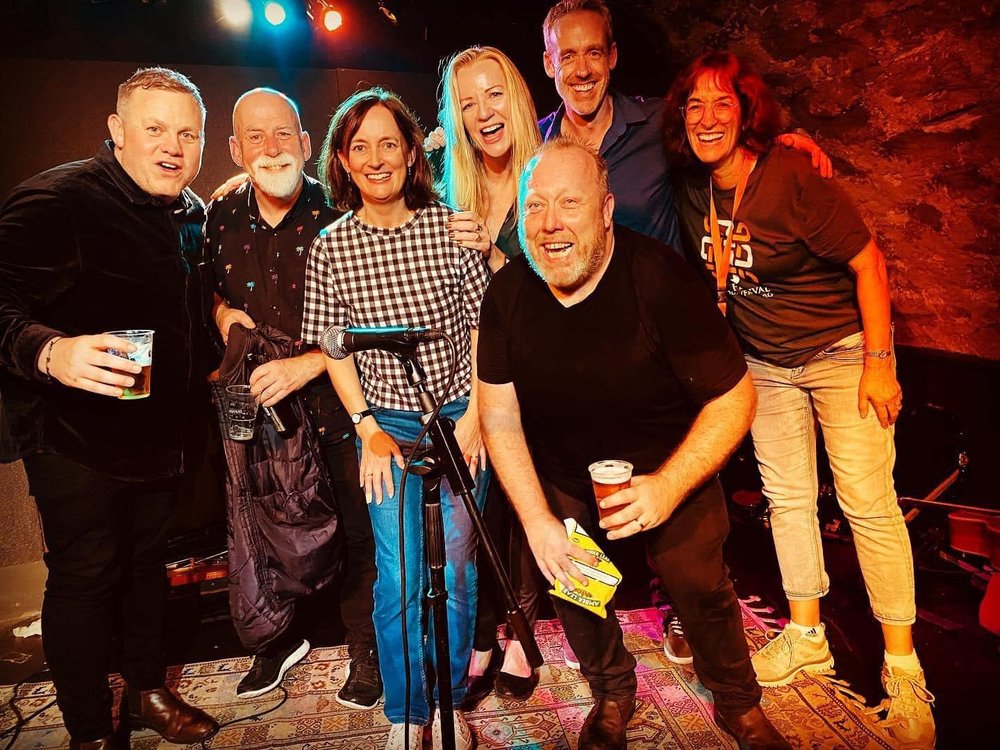
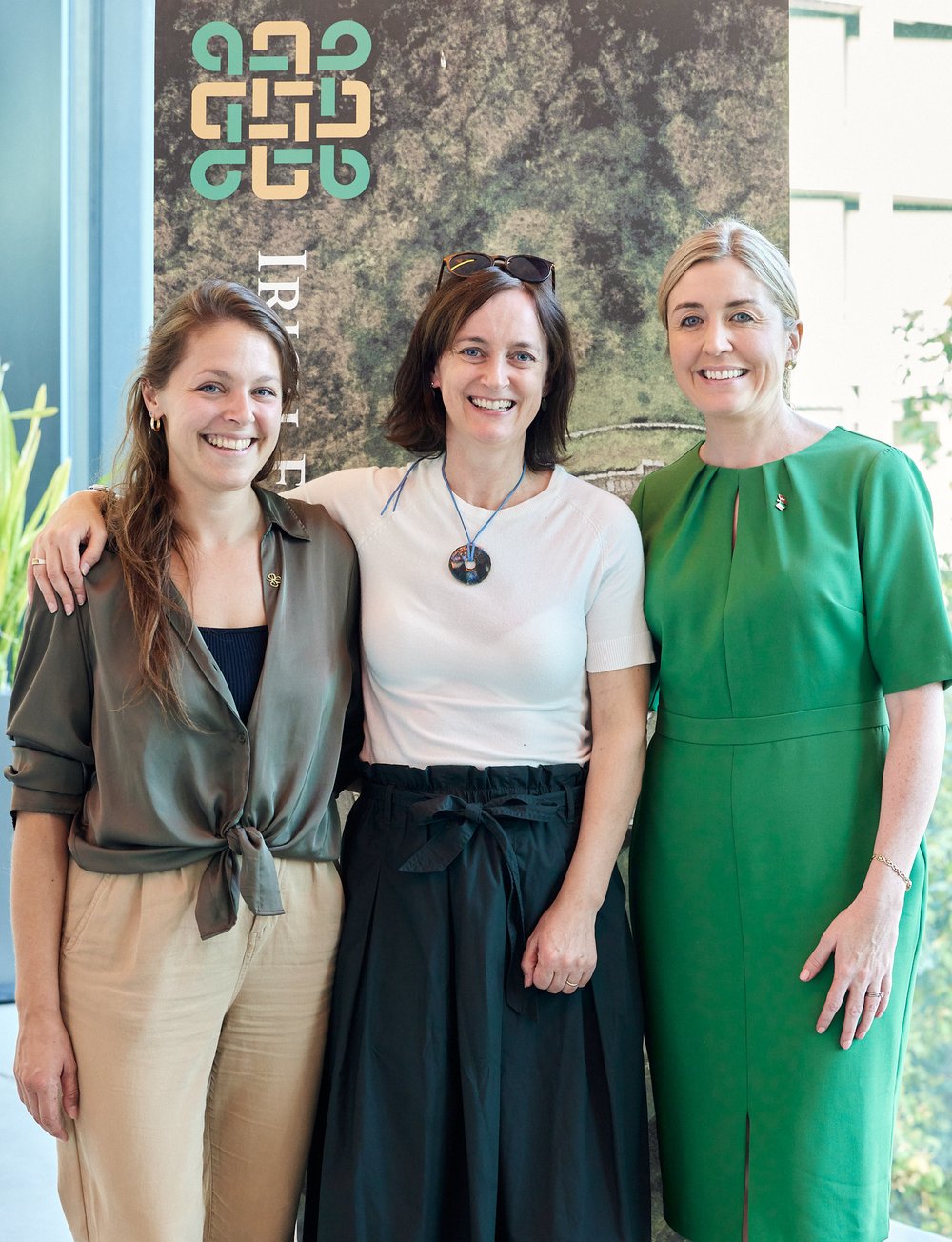
The Fribourg festival was boosted by the involvement of the Swiss Centre for Irish Studies, Tourism Ireland, and the writers and musicians who came from Ireland. I was so impressed by how much support and goodwill was there, on the Swiss side as well as the Irish side.
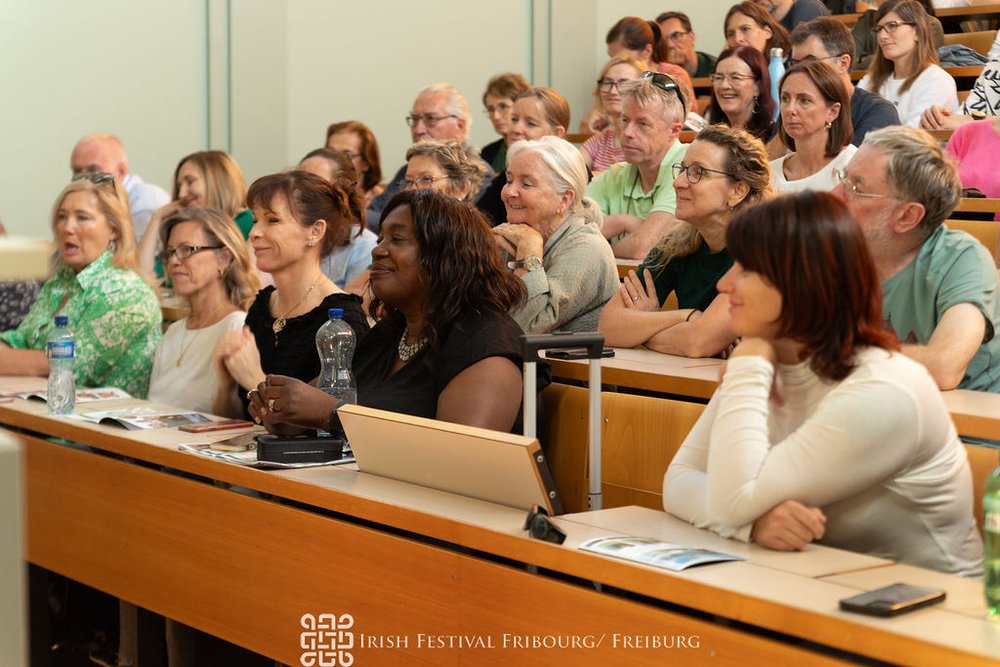
People came from all over Switzerland and beyond. The literature programme was a big draw for the English-language writing community in Switzerland. The festival was even an optional module for Masters students in the University of Zurich.
The sunny weekend festival became an informal meeting of the Irish community, with volunteers coming from Zurich, a good turn out from the Basel Irish Club, the Irish Business Network and the Irish Embassy of course, which was a key supporter of the festival. There was a great party atmosphere, and lots of local media interest.”
How is your relationship with Ireland now after more than two decades away?
“You know what they say about absence. I’m a dual national now and have spent most of adult life in Switzerland but I still have a very strong attachment to Ireland and follow news from home closely. I spend as much time as possible there and have a close network of family and friends.
My 2018 non-fiction book about Ireland, The Naked Irish: Portrait of a Nation Beyond the Clichés, gave me a vehicle to write about all the Irish topics I might have covered if I’d stayed working and living in Ireland. All that research and reflection helped me understand the country better.
Viewing Ireland from a distance, it seemed to me that many aspects of Irish identity were constructed from the outside by the cultural giants of the English-speaking world, with input from the Irish diaspora.
We have used these cultural stereotypes to our advantage quite successfully but the Irish are now becoming the protagonists in our own story in a positive way. Like the Swiss, we are punching well above our weight on the international stage.
On a personal level, emigration felt like a loss to me for quite some time. Fortunately, the things I feared I was giving up – career, close friendships, family, belonging – expanded in new directions as Switzerland became my second home.
Fast-forward twenty years, and I am thoroughly settled in Switzerland with three Swiss-born children and a full life. If there were medals for integration, I’d have several! But it takes a big effort, and we should appreciate those who do the same in Ireland.”
Find out more about Clare O’Dea and her most recent writing on her website, and view events connected to the Irish Festival Fribourg/Freiburg on the Festival’s website.