


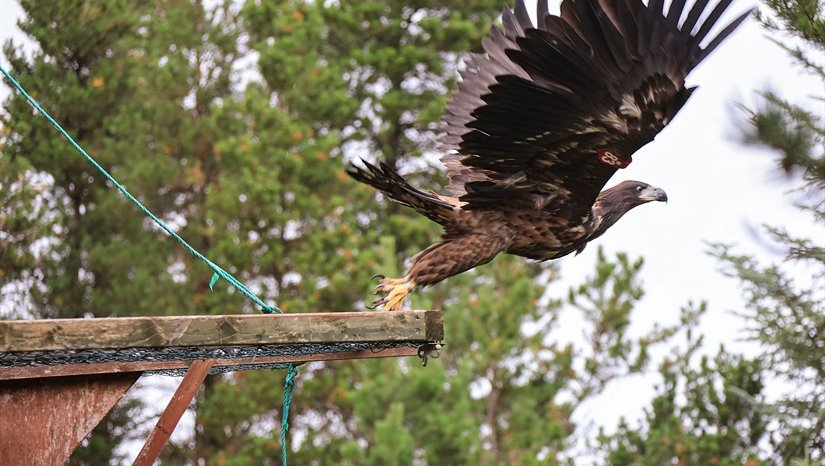
How Norway helped Ireland bring back the white tailed eagle
This summer marks the end of an 18-year long re-introduction programme for Ireland’s largest birds of prey. With help from our Norwegian friends, birds that were once extinct are now flying high again in Irish skies.
White-tailed sea eagles, whose wingspan stretches an 2.5metres, were once a common sight along our coastline. However, in the 19th century they became extinct due to human activity.
In 2007, the National Parks and Wildlife Service (NPWS) and the Norwegian Institute of Nature Research (NINA) started a project to to re-establish that Irish population with birds from Norway. This year marks the end of the reintroduction programme, which has seen 223 Norwegian birds released to their new homes in Ireland. The project has been so successful that in 2025, the Irish white-tailed sea eagle population is now able to sustain itself once more.
Stopping and if possible, reversing the loss of biodiversity and other natural supports for the societies we live in is one of the big tasks of our times, and this is one small element in it.
Why Norway?
Like Ireland, Norway faced problems in maintaining its white-tailed sea eagle population. Before they received legal protection in 1968, they had become a threatened species. However, since they received protected status, the population has grown and Norway is now home to the largest breeding population of white-tailed sea eagles in Europe, with 2,500 breeding pairs.
In parts of the country, the population of birds is now at saturation. This means that Norway has a strong enough population of white-tailed sea eagles to share its success with other countries.
In 2005, the NPWS contacted NINA, which had already worked to successfully reintroduce the birds to Scotland. They started work in 2007 where the first Norwegian birds were released in Killarney National Park. For the first time in over 100 years, white-tailed sea eagles took to the skies of Ireland.
The journey to Ireland
White-tailed sea eagles nest in a range of areas but are usually found in hard to reach places such as treetops or cliff edges. Some even make their home on exposed, small and rocky islands.
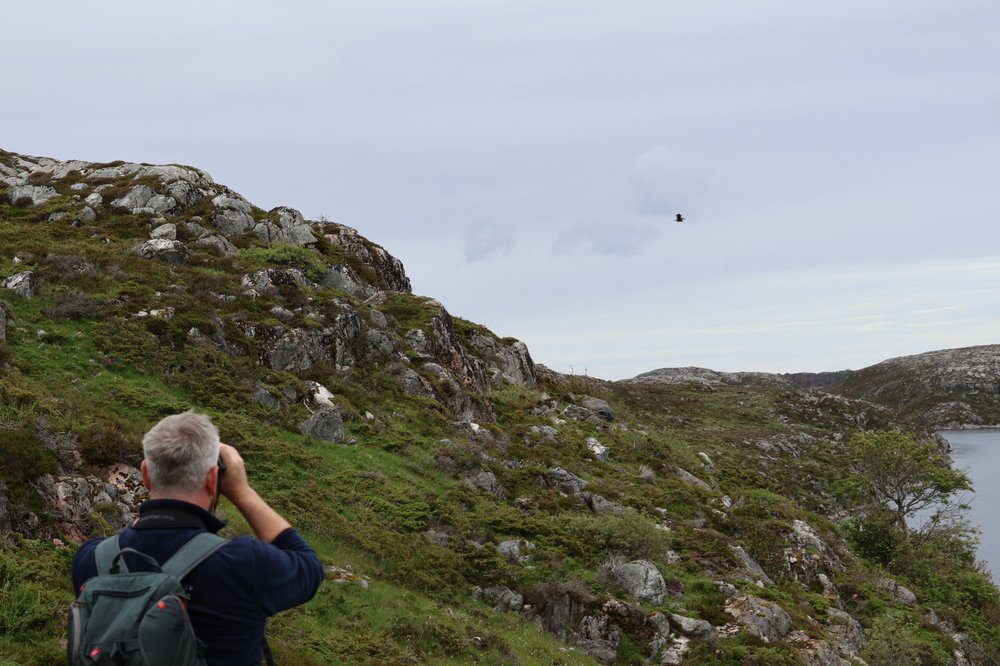
In the weeks before the planned collection, the Norwegian volunteers need to spend a significant amount of time scouting out suitable nests. This involves hiking or sailing to areas where the birds are known to breed.
Today, drones can also be used to scout particularly difficult to reach nests, with minimal disturbance to the eagles. Most eagle pairs only raise one chick so the volunteers are careful to ensure that birds are collected only from nests, which have two or three chicks.
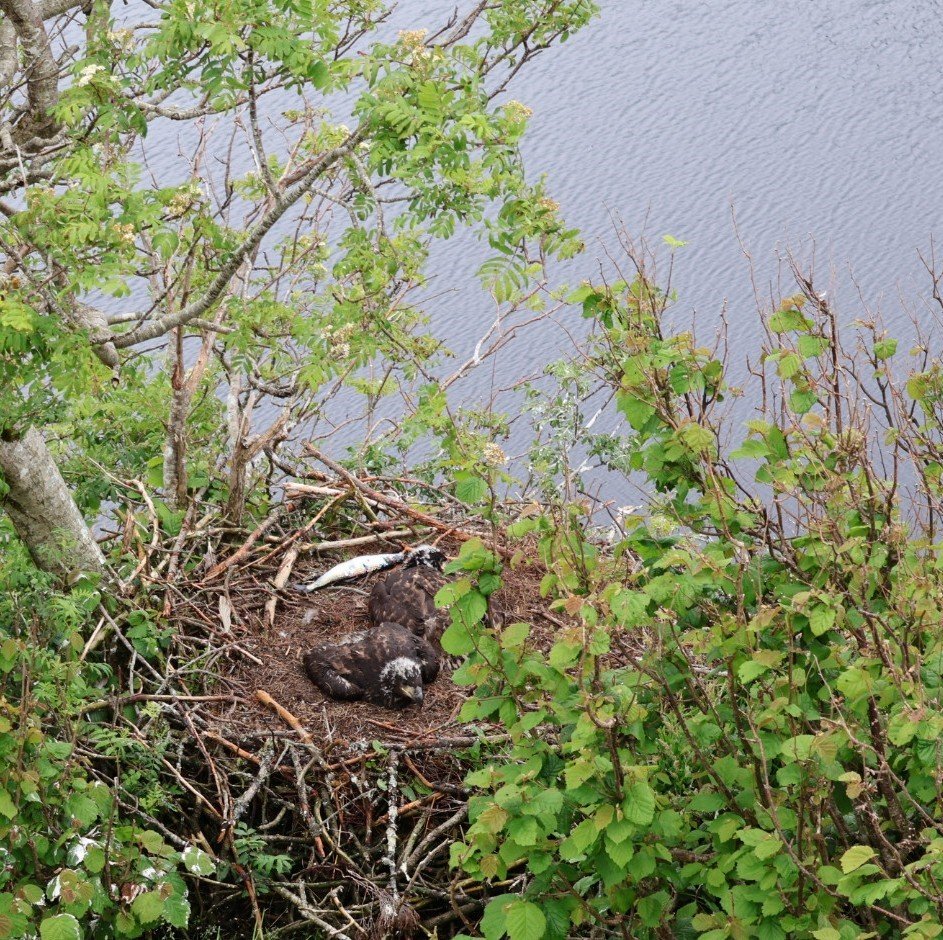
The birds destined for new lives in Ireland are collected from the Trøndelag region, located in central Norway. Each year during the summer, a group of dedicated volunteers returns to the nests that have been previously scouted and collect the chicks, making sure that at least one chick remains in the nest. The chicks are typically around six to ten weeks old and are not yet able to fly. The volunteers carefully transport the chicks to the city of Trondheim, where they are cared for and receive veterinary check-ups before they leave for Ireland.
This year, Minister of State for Nature, Heritage and Biodiversity Christopher O’Sullivan, TD and Padraig O’Sullivan of the NPWS joined NINA, the Irish Embassy team and volunteers to collect the last group of white-tailed sea eagle chicks travelling to Ireland from Norway.
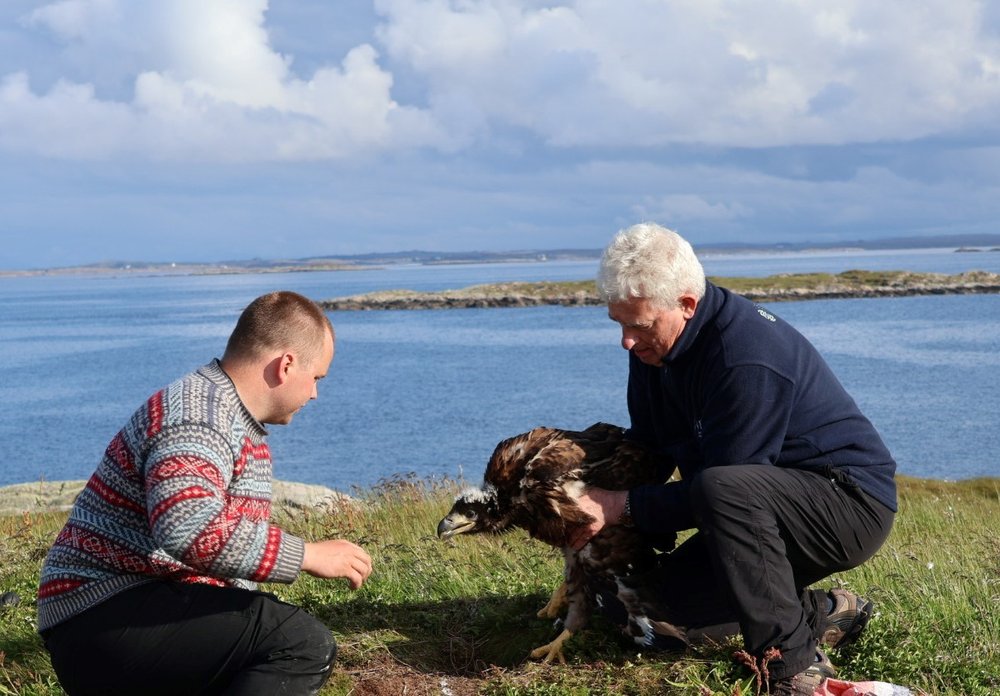
Minister of State O’Sullivan was also present at the release of the birds in Ireland:
“This programme has seen this mighty bird soar again in Irish skies and its success is a tribute to the NPWS and their colleagues in the Norwegian Institute for Nature Research.
Over 18 years work and collaboration has led to a growing white-tailed eagle population and also has seen habitat restoration and engagement with landowners and farmers to secure the eagles ongoing protection. It is one of a number of key NPWS initiatives underway to restore our biodiversity.
This is the second phase of this reintroduction project, and we now have evidence of white-tailed eagles breeding in counties further afield - from the south of the island in Cork, right up to Donegal.”
Making a new home in Ireland
At the time of collection, the eagle chicks cannot fly themselves, so they reach Ireland with the help of a special flight from Trondheim to Farranfore Airport. On arrival in Kerry, the National Parks and Wildlife Service take them into their care until they are ready to be released.
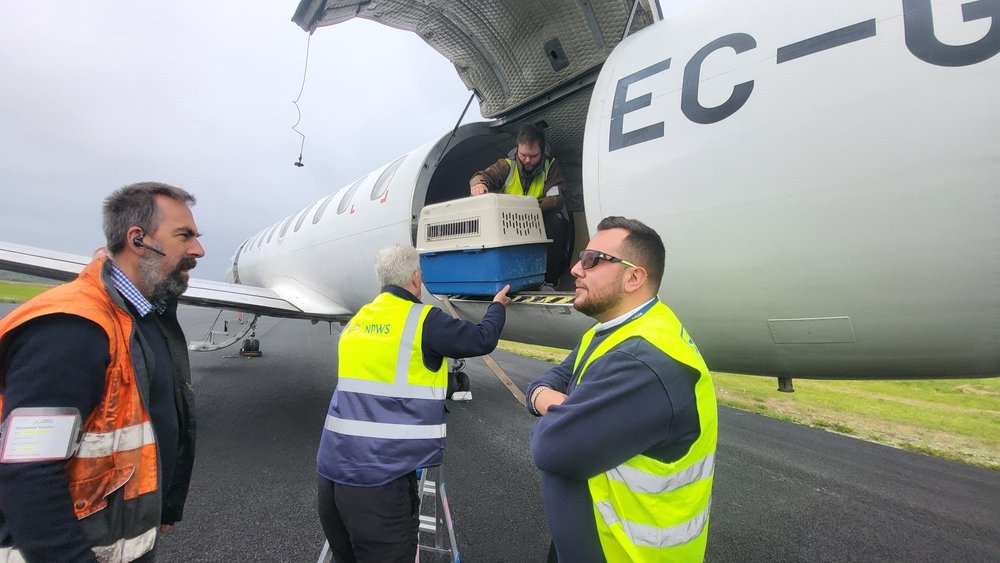
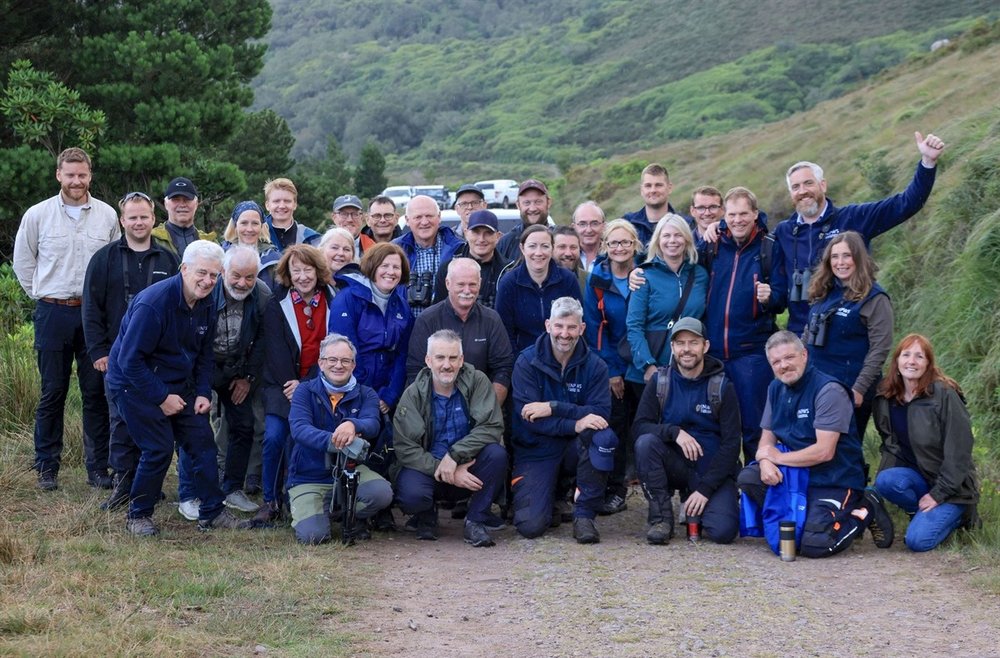
The first chicks of the year were released in Killarney National Park, where Minister of State O’Sullivan welcomed lead researcher Dr Duncan Halley from NINA, the Norwegian Ambassador to Ireland, Aslak Brun and many of the Norwegian volunteers.
Watch the final release of the White Tailed Eagles in Killarney
“Being part of restoring part of Ireland’s natural heritage has been a great experience for all of us, and for me a highlight of my career.
Stopping and if possible, reversing the loss of biodiversity and other natural supports for the societies we live in is one of the big tasks of our times, and this is one small element in it," says Dr Halley.
The birds themselves are magnificent, and their presence enriches many lives.
"The birds themselves are magnificent, and their presence enriches many lives. Ireland has been proactive in starting to restore its environment in recent years, and this project has been successful in pioneering that work.
And not least, we in Norway have made many good friends in Ireland!” he says.
A flourishing Irish-born population
In addition to the Norwegian chicks who travel to Ireland to be released, the programme has also been tracking chicks born to breeding pairs in Ireland, something which has become increasingly noticeable as the eagles have matured in the second phase of the programme.
The first Irish-bred sea eagle was birthed in 2020 in Cork by a young female that had paired up with an older male that came from Frøya in 2007. The following year, the first of several triplets were also born.
“Triplets are a rarity among sea eagles, and it is also unusual that they breed at such a young age as we have seen in Ireland. This shows how favorable the conditions are there,” said Dr Halley at the time of these births.
Most recently, we marked the first birth of a white tailed eagle in Waterford in over 150 years. Another significant milestone was a pair originally released in Country Clare migrating across the country and nesting in County Fermanagh, over 100km away. Seeing a pair migrate to Fermanagh and breeding is a strong sign the project will continue to be successful long term.
Restoring natural heritage
Not only has a once extinct species been restored to the Irish skies, but it is also a significant step in restoring Ireland’s natural heritage.
This restoration is expected to bring great benefits to Irish biodiversity and has the potential to contribute significantly to local rural economies through eco-tourism opportunities.