


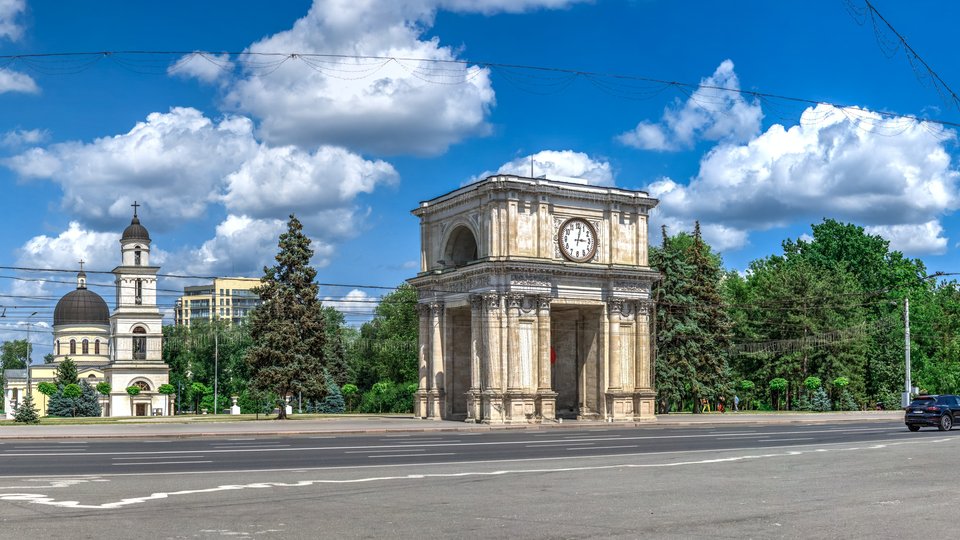
Ireland's relationship with Moldova
Ireland’s relationship with Moldova predates the establishment of the modern independent state of Moldova. There is an enduring friendship and affinity going back centuries.
In addition to the Celtic links between Ireland and Moldova, the Irish patriot and former politician Michael Davitt’s reporting to the world in 1903 from Chisinau was central to bringing to the world’s attention to the pogrom that had recently taken place.
The writer Bram Stoker, who was born in Dublin, references Moldova in his world famous work Dracula.
Closer bilateral relations
Today Ireland and Moldova have never been closer, working internationally together at the United Nations and other international forums, as well in partnership on Moldova’s aspiration for membership of the European Union.
Our political relations are thriving, and economic relations are being built up from solid foundations. Our people-to-people links are stronger than ever before, thanks to the sizable Moldovan community in Ireland and the growing Irish community in Moldova. Cultural relations are at the heart of our strengthening connections.
People-to-people connections
Despite the distance between our two countries, connectivity between Ireland and Moldova is increasing. There are now a number of direct flights between the airports in Dublin and Chisinau and many more indirect flight options. An increasing number of holidaymakers from both countries travel by land, sea and air for weekend and longer breaks.
Culinary delights bring both of our nations to the table. The people in Moldova are increasingly discovering Irish food and beverages in stores in Moldova.
Cultural connections
Ireland’s cultural imprint in the cultural imagination of Moldova is remarkable. Some of our greatest artists have left an indelible mark on Moldova, with James Joyce, Samuel Beckett, Oscar Wilde, as well as contemporary Irish writers, widely read and influencing cultural life in Moldova.
Our traditional music and dance are known and loved throughout Moldova. More and more, Irish contemporary cultural production in cinema, music, fashion and other sectors is breaking through to Moldovan audiences.
The Embassy of Ireland in Chisinau has ambitious plans to bring Ireland’s culture and heritage across Moldova, and has already participated in events marking Europe Day and Bloomsday in Moldova.
Sporting friendships
Irish teams and individual athletes have competed with their Moldovan counterparts, before and since Moldova’s declaration of independence in 1991, and their sporting rivalries are constantly being transformed into lasting friendships.