Joyce: A Global Odyssey
Born in Dublin in 1882, James Joyce is one of Ireland’s most well known artists. An emigrant who spent much of his adult life in various parts of Europe, Joyce’s work was at the forefront of the Modernist movement in literature.
His 1922 book Ulysses is widely considered to be the most influential novel of the modern era, and continues to be studied and translated into languages across the globe today.
This exhibition tells the story of his life, his works, and the people who supported his incredible artistic achievements.
“I want to give a picture of Dublin so complete that if the city one day suddenly disappeared from the earth it could be reconstructed out of my book.”
James Joyce in conversation with his friend Frank Budgen, 1918
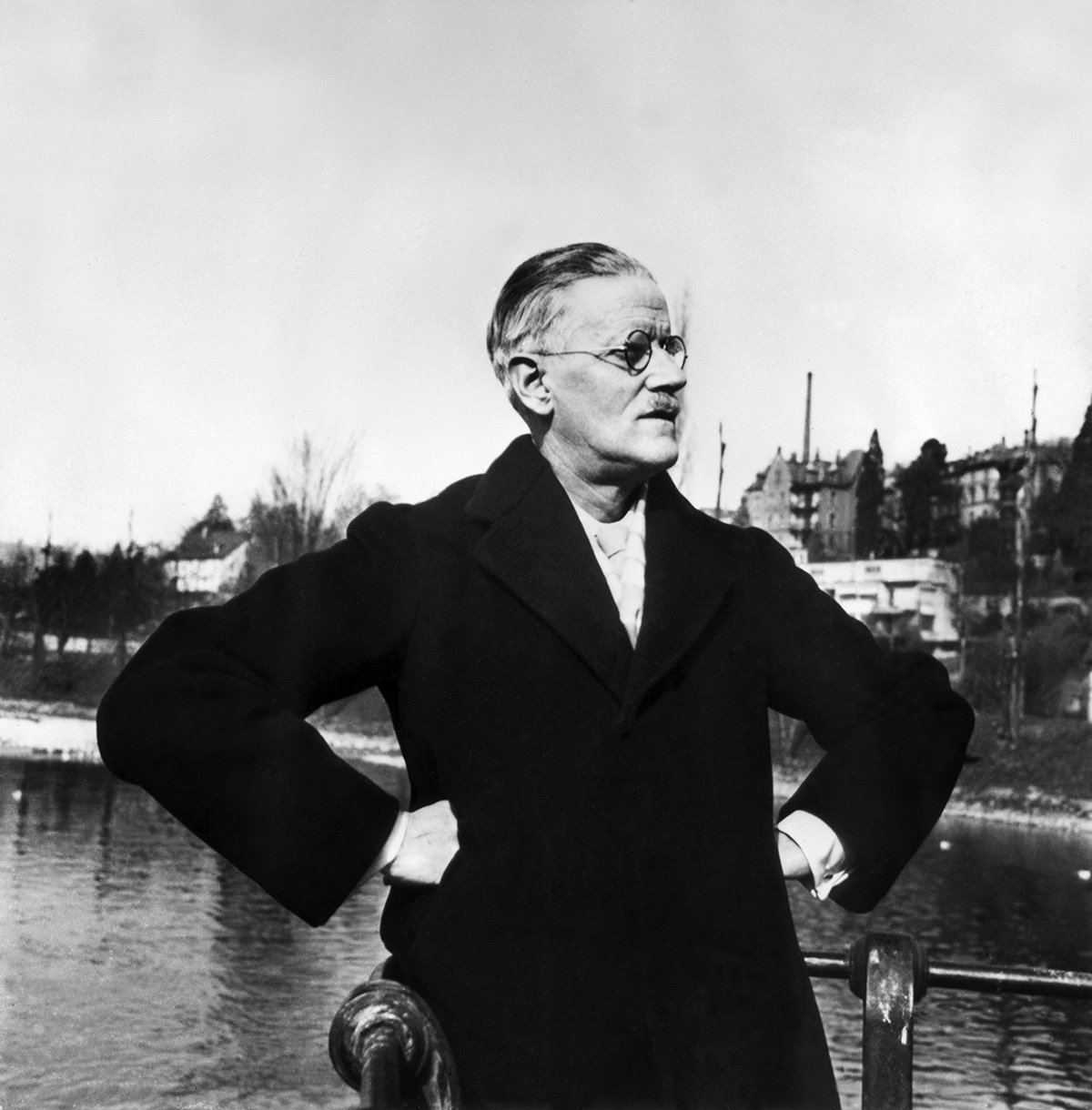
Who was James Joyce?
James Augustine Joyce was born in Dublin on 2 February 1882 to John and ‘May’ Joyce. Known as ‘Sunny Jim’, he was the oldest of ten children. His family’s dwindling fortunes created a nomadic existence for the young Joyce, who showed great academic promise. An elite Jesuit education was followed by a degree from University College Dublin in 1902, after which he moved to Paris to study medicine.
He eventually withdrew from his studies and returned home to Dublin when his mother was dying of cancer in 1903. In 1904, Joyce met Nora Barnacle, the love of his life. They had their first date on 16 June, the same day his novel Ulysses is set.
They left Ireland together later that year. Joyce would visit Ireland only three more times for the remainder of his life. In 1905 the young couple settled in Trieste and were joined by Joyce’s brother and confidant, Stanislaus.
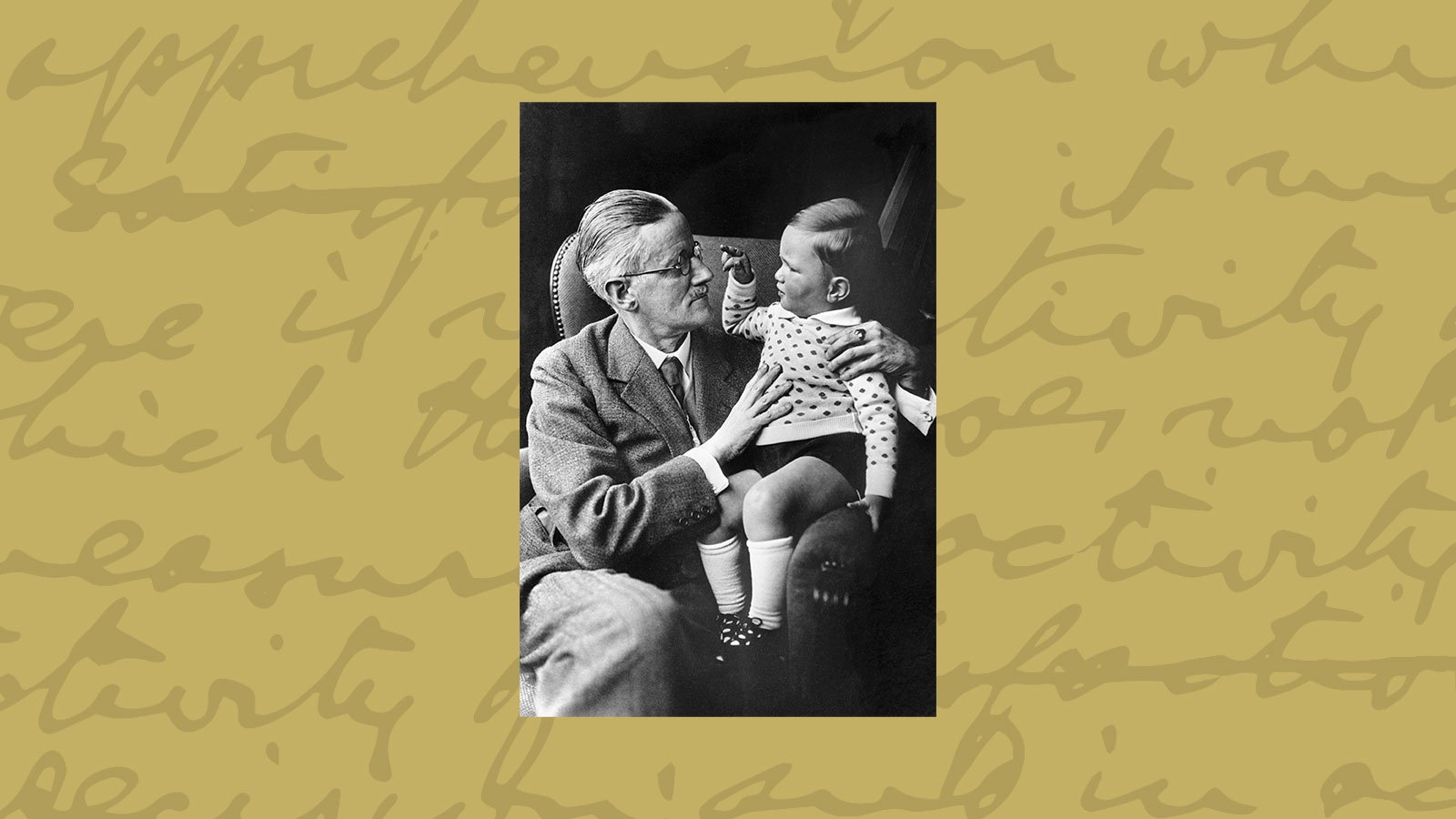
There Joyce and Nora had two children, Giorgio (1905) and Lucia (1907). In 1932, Giorgio had a son, Stephen James Joyce. The family remained in continental Europe but moved frequently both in search of opportunity for Joyce and for safety during wartime.
Throughout his lifetime, Joyce struggled to find publishers for his books because his writing was considered too obscene to print. His fortunes changed in 1914, when his collection of stories Dubliners was published after ten years of writing.
The autobiographical novel A Portrait of the Artist as a Young Man followed and was published at the end of 1916. On 2 February 1922, Joyce’s fortieth birthday, Shakespeare and Company in Paris published Joyce’s masterpiece, Ulysses.
With Ulysses, he achieved critical fame. A year later, he began to write his final and most difficult work, Finnegans Wake, which was published in 1939.
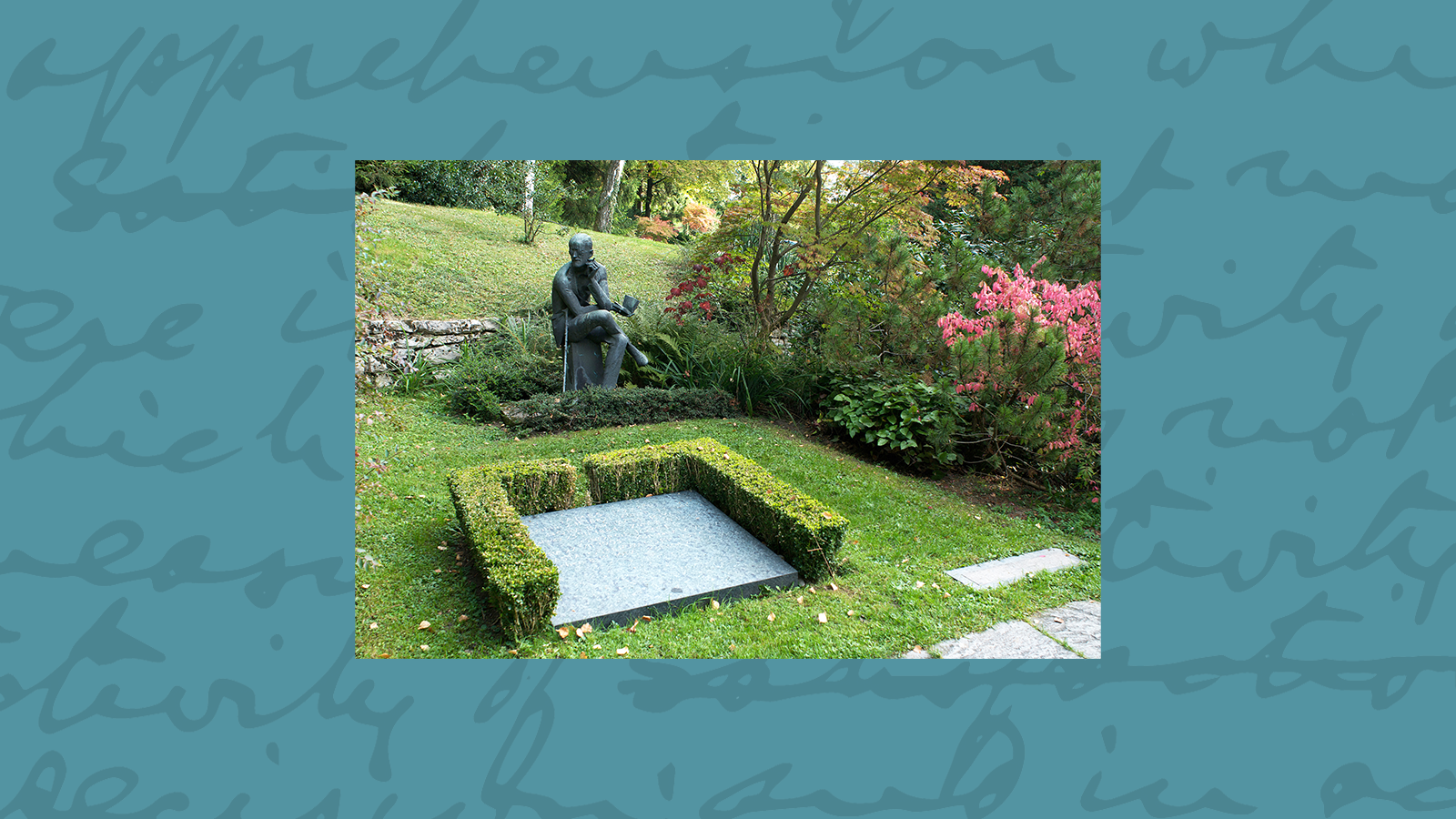
Following the fall of France to the Germans in 1940, the Joyce family moved to neutral Zurich. On 13 January 1941, following surgery for a perforated ulcer, James Joyce died suddenly and unexpectedly. He was buried in Fluntern cemetery, where he was joined by Nora when she died in 1951.
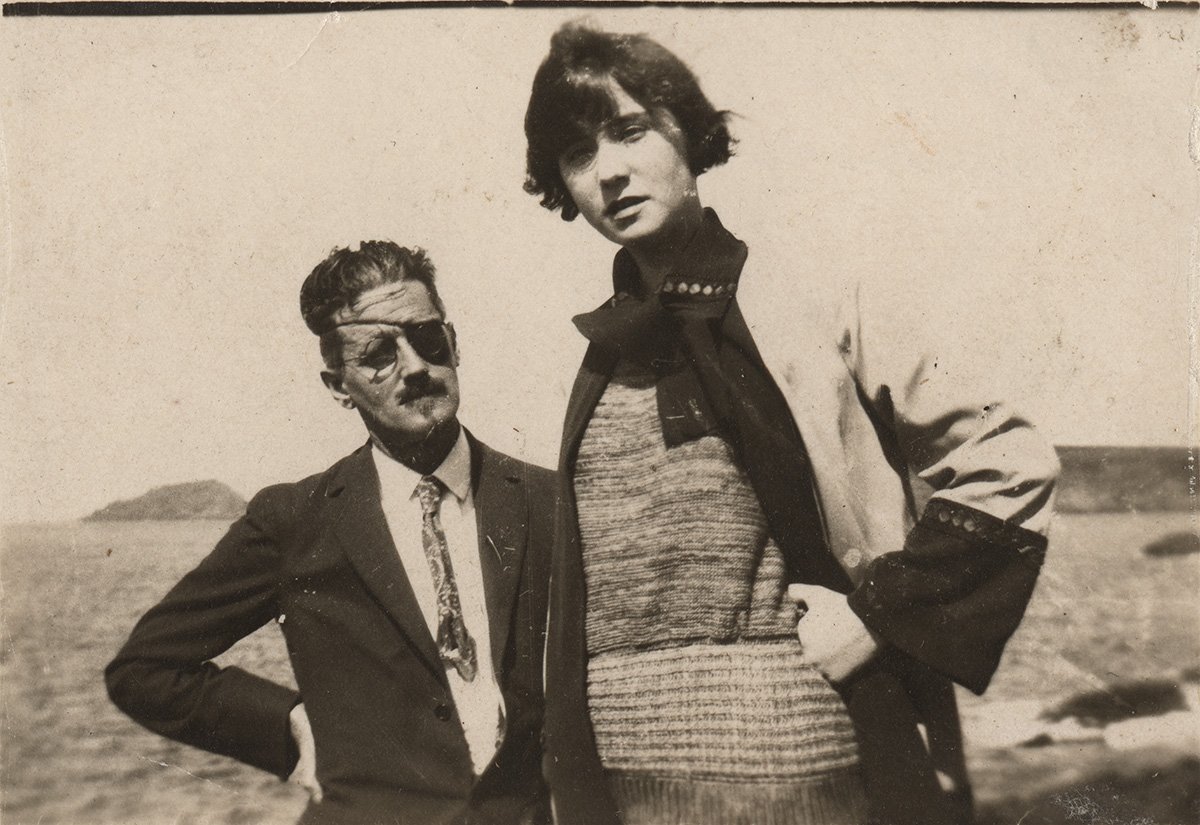
A gentleman's family
On 10 June 1904, Joyce met Nora Barnacle. Later, when hearing Nora’s surname, Joyce’s father John quipped: ‘She’ll never leave him.’ They remained together for the rest of Joyce’s life.
In 1905, Joyce and Nora settled in Trieste. Their son, Giorgio (1905-1976), was born on 27 July, and with his arrival came responsibility. Struggling with life in Trieste, Joyce, Nora and their new son moved to Rome in summer 1906. Joyce found work in a bank, although he spent his wages as fast as he earned them.
In March 1907 the family returned to Trieste, where their daughter, Lucia (1907–1982), was born on 26 July. The family moved relentlessly, often evicted or staying in borrowed accommodation.
-
*
Nora Barnacle, James Joyce's wife
Courtesy the Poetry Collection, University at Buffalo
-
*
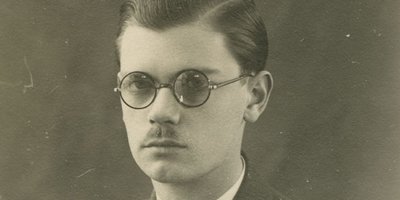
Giorgio, Joyce's son
Courtesy the Poetry Collection, University at Buffalo
-
*
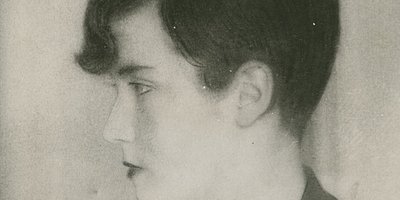
Lucia, Joyce's daughter
Courtesy the Poetry Collection, University at Buffalo
Joyce’s children inherited his artistic abilities: Giorgio was a professional singer, and Lucia was a skilled dancer.
Joyce and Nora married in a London registry office on 4 July 1931. The following year was one of highs and lows. In February 1932, Giorgio had a child, named Stephen James, who would be Joyce’s last direct descendant (1932-2020). That same year Lucia, who struggled with mental illness throughout her life, was admitted to a ‘maison de santé’ (a psychiatric hospital). Joyce, who had taken her to many specialists, was devastated.
The women behind Joyce
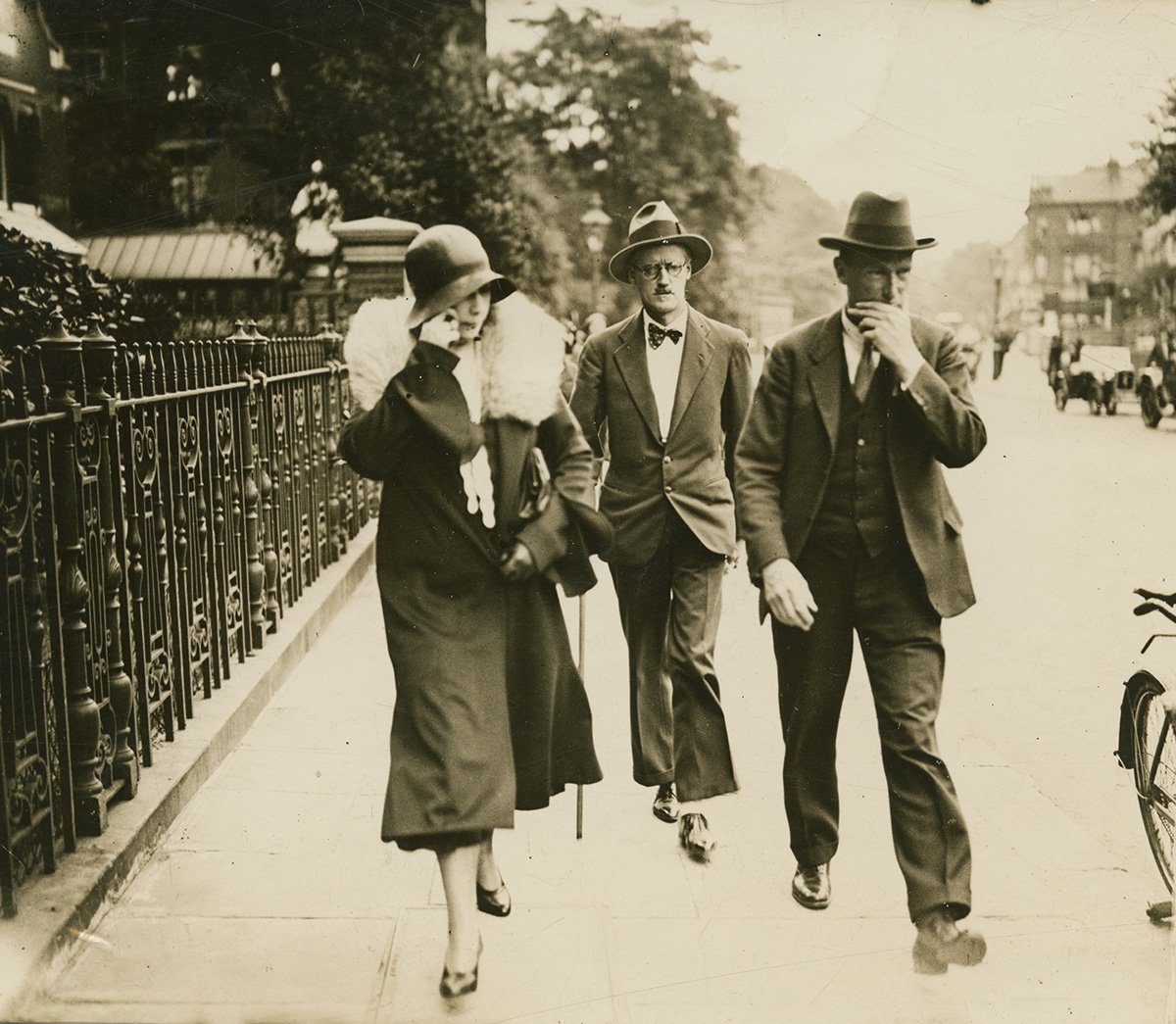
Joyce struggled to have his early works published. Thankfully, several prominent women recognized his talent early in his career. Without their help, the publication of Ulysses would not have been possible.
From 1917, Harriet Shaw Weaver offered Joyce ongoing financial support. The two developed a close friendship. She assisted in the publication of his works and serialised early drafts of ‘Work in Progress’ (later Finnegans Wake) in her literary magazine, The Egoist.
Readers first encountered Leopold Bloom in 1918 in The Little Review, a New York-based magazine dedicated to modernist art. Editors Margaret Anderson and Jane Heap were lesbian and feminist activists committed to free speech.
The two took significant personal risk in serialising Joyce’s Ulysses and were charged with obscenity in 1921.
-
*
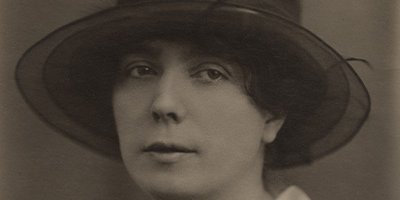
Nora Barnacle, Joyce’s wife
-
*
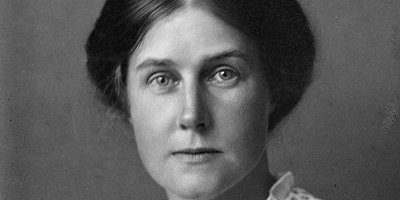
Harriet Shaw Weaver, Joyce’s patron
-
*
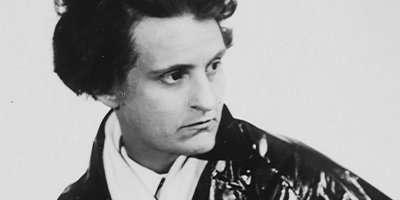
Sylvia Beach, Joyce’s publisher and proprietor of Shakespeare and Company, Paris
-
*
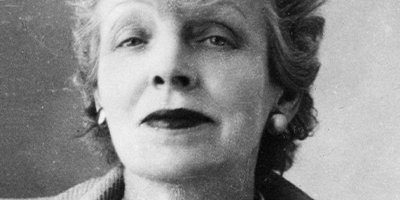
Margaret Anderson, publisher, editor and early champion of Joyce’s work
Waiting in the wings was Sylvia Beach, who offered to publish the novel in full. Beach was the proprietor of Shakespeare and Company, an English language bookstore in Paris. Publishing Ulysses was a large financial risk, but she refused to let Joyce be censored.
Nora Barnacle was Joyce’s wife and artistic muse, but she also cared for their family and home. Joyce tended to spend his money extravagantly, and Nora had to take in washing to supplement the family income in Trieste. She offered him companionship and emotional support.
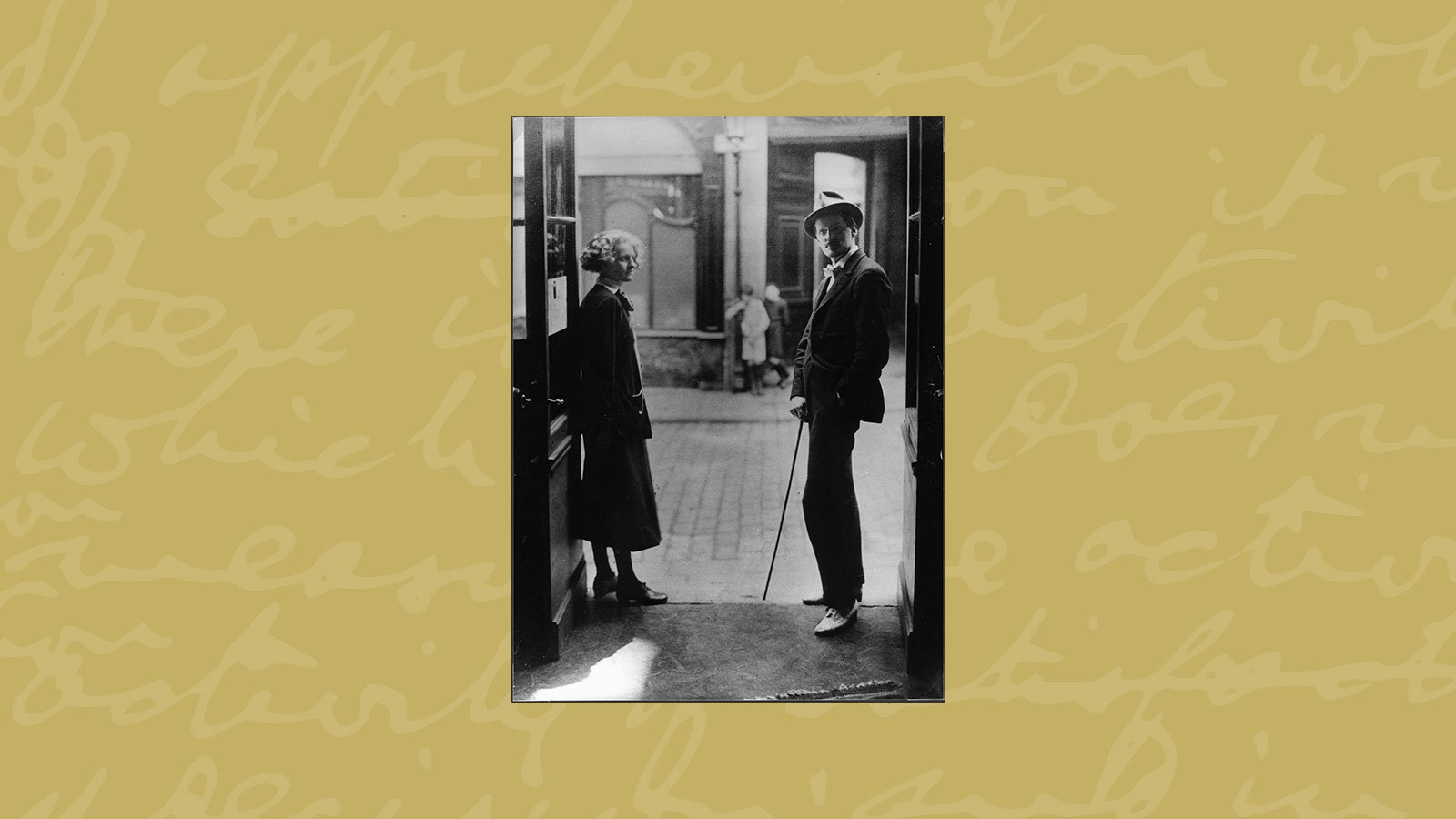
“All she ever did was to make me a present of the best ten years of her life...”
Joyce on Sylvia Beach
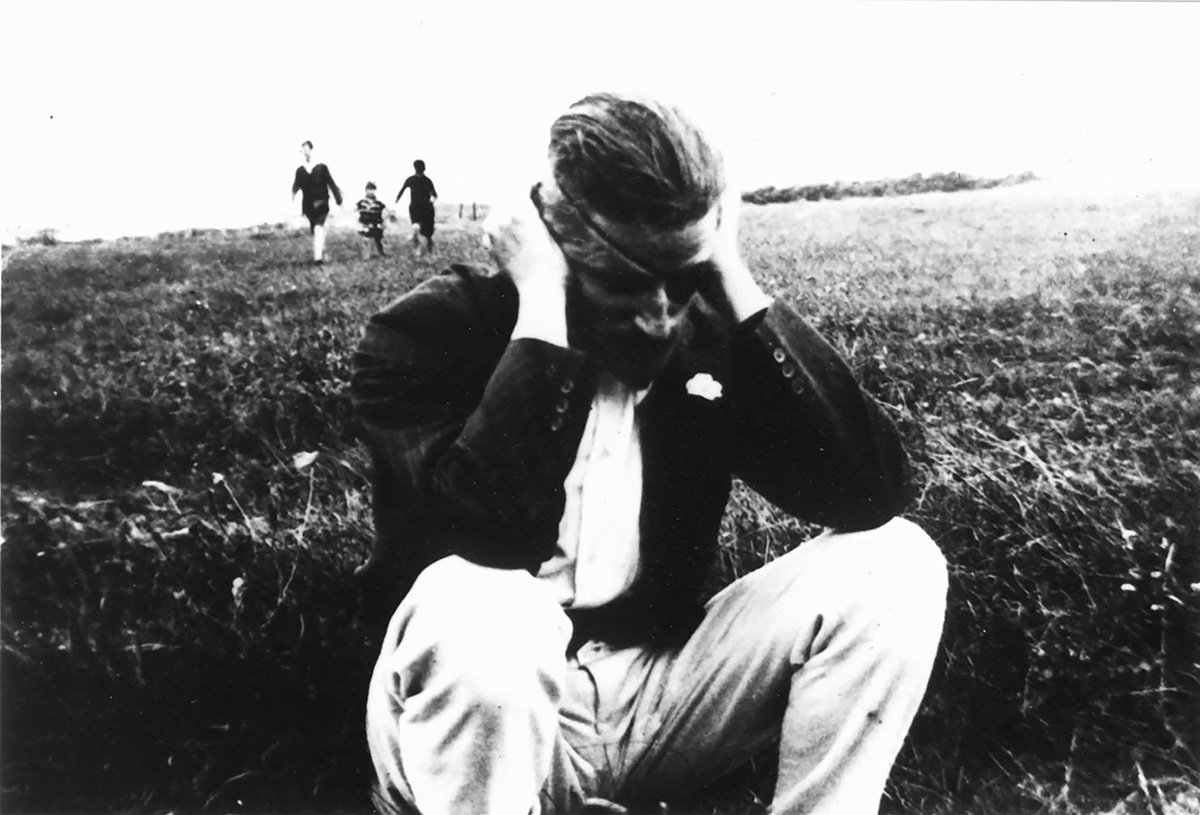
A European journey
Although Joyce’s fictions are all set in Dublin, his writing was shaped by migration. In 1904, he and his partner Nora left Ireland for continental Europe in pursuit of social and artistic freedom.
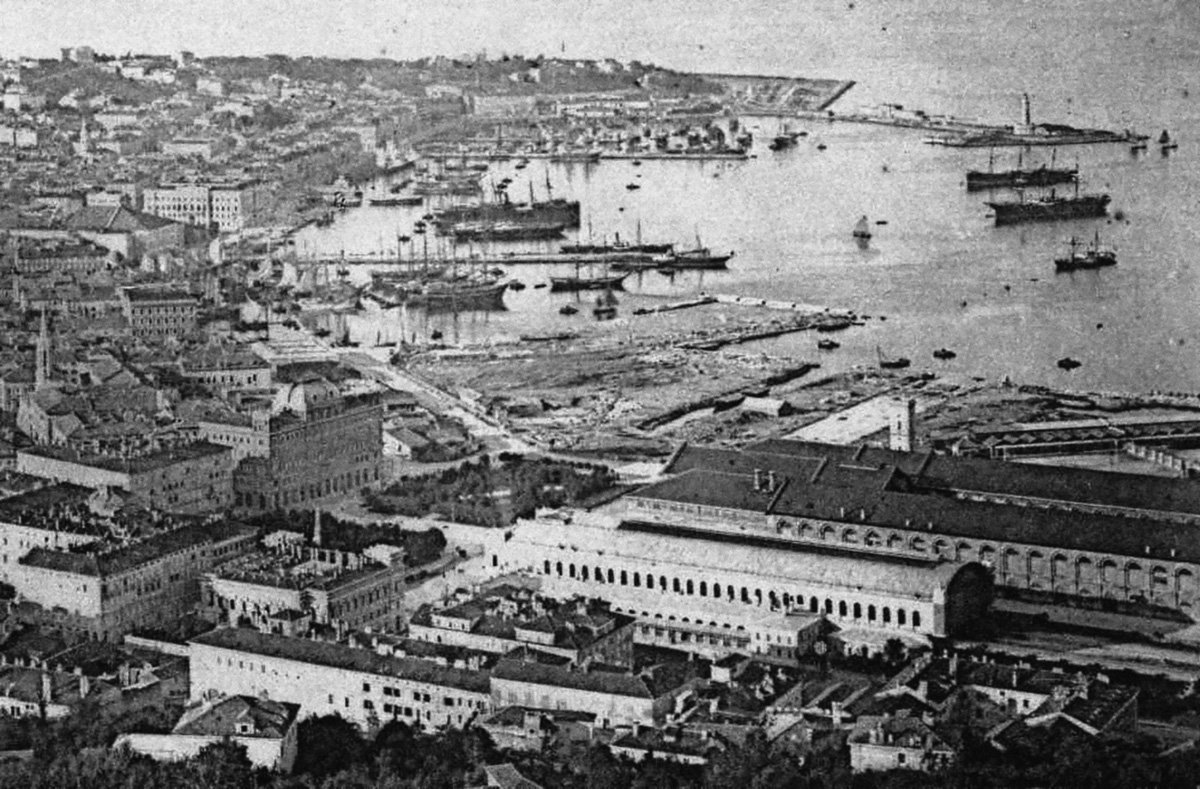
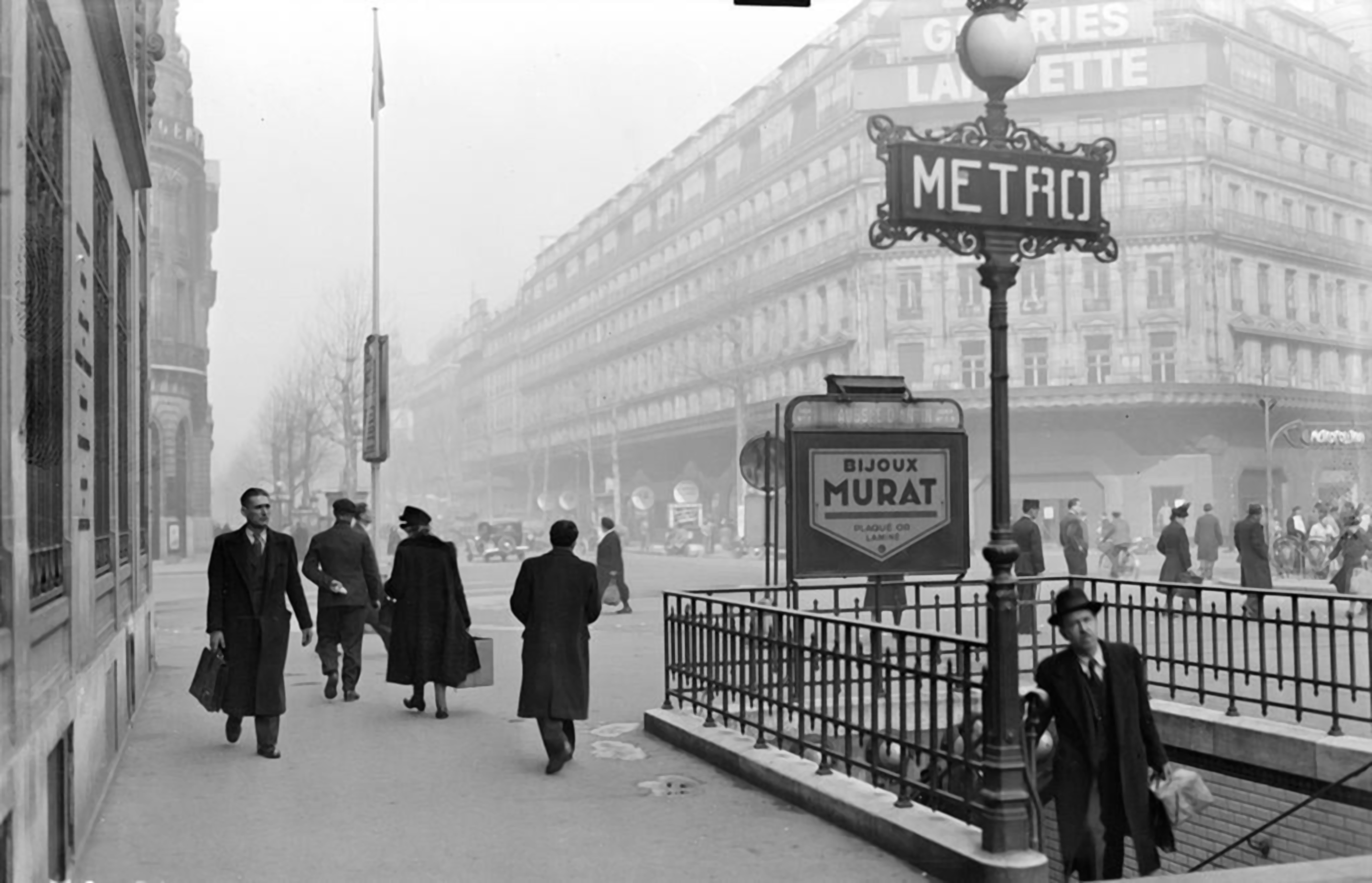
Arrived in Pola (now Pula, Croatia), Joyce got a job teaching English, but before long the couple were on the move again – this time to Trieste (then part of the Austro-Hungarian Empire).
By May 1915, Trieste came under threat from Italy. With help from WB Yeats and Ezra Pound, Joyce and his family moved to Zurich. They remained there for the duration of the war while Joyce worked on Ulysses, returning to Trieste in 1919.
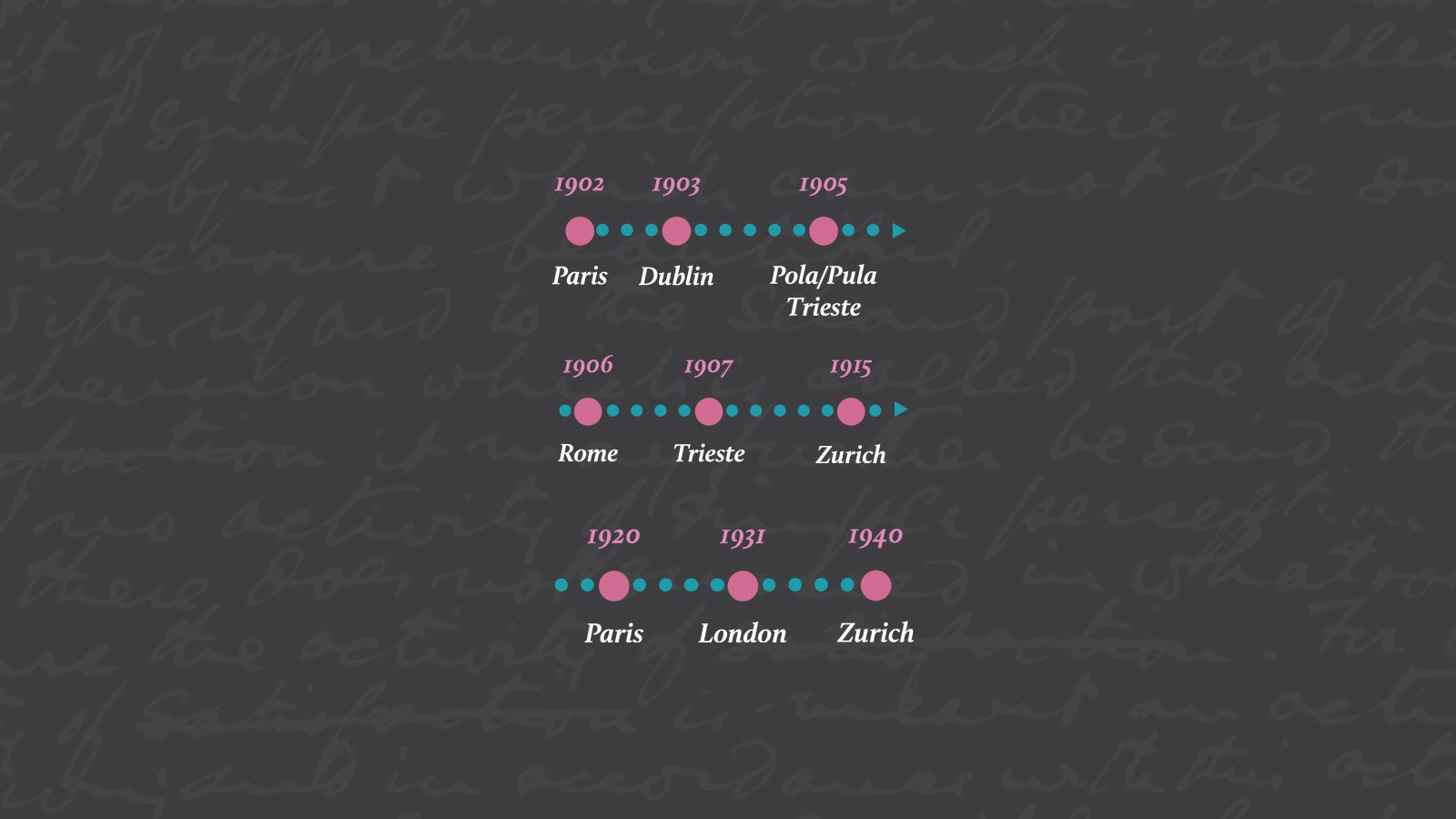
In 1920 the family were on the move again, this time to Paris. Joyce was now moving in influential circles and meeting people like Adrienne Monnier, Sylvia Beach and TS Eliot.
Joyce closed his great work Ulysses with the final line, ‘Trieste/Zurich/Paris, 1914-1921’. This statement proclaims that the book was informed by not only continental modernism, but also by the Joyce family’s migrations and the First World War.
An international story
Joyce’s fiction is rooted in Dublin, the city of his birth, but the cultural geography of his writing is vast. A true cosmopolitan, his literary output was shaped by global influences and collaborators.
As an eighteen-year-old student in 1900, Joyce made his publishing debut with a review of playwright Henrik Ibsen in the influential Fortnightly Review. He studied Dano-Norweigan so that he could read Ibsen in his original language.
Joyce’s proficiency in other languages enabled him to also read writers like Gustav Flaubert and Gerhart Hauptmann while developing his signature style.
-
*
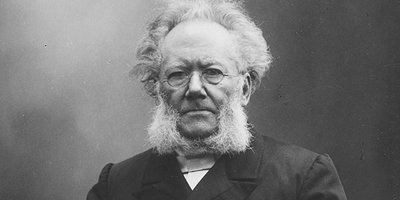
Dano-Norwegian playwright Henrik Ibsen, who was a huge influence on Joyce.
-
*
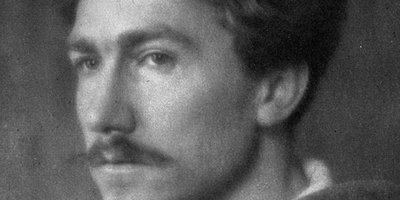
Joyce described Ezra Pound as a ‘wonder worker’, and Pound became one of Joyce’s most influential literary advocates, securing the serialisation of A Portrait of the Artist as a Young Man and Ulysses in literary magazines.
-
*
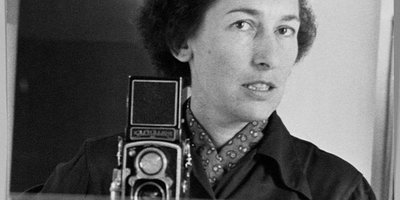
Renowned German-French photographer Gisèle Freund, who shot many iconic portraits of Joyce
Modernism was an international phenomenon that flourished amongst American expatriates in Europe, notably the poet Ezra Pound, who secured several early publishing contracts for Joyce.
With Pound’s assistance, Ulysses was first published as a serial in the New York-based magazine The Little Review, meaning the book’s first readers were American.
This publication earned Joyce the admiration of prominent editor and poet TS Eliot. At the centre of Parisian bohemia was Sylvia Beach, who published the first full edition of Ulysses.
In the late 1920s, Ulysses was the first of Joyce’s books to be translated in German and then French. Though his fragmented style may create challenges for translators, his work continues to be enjoyed and studied globally.
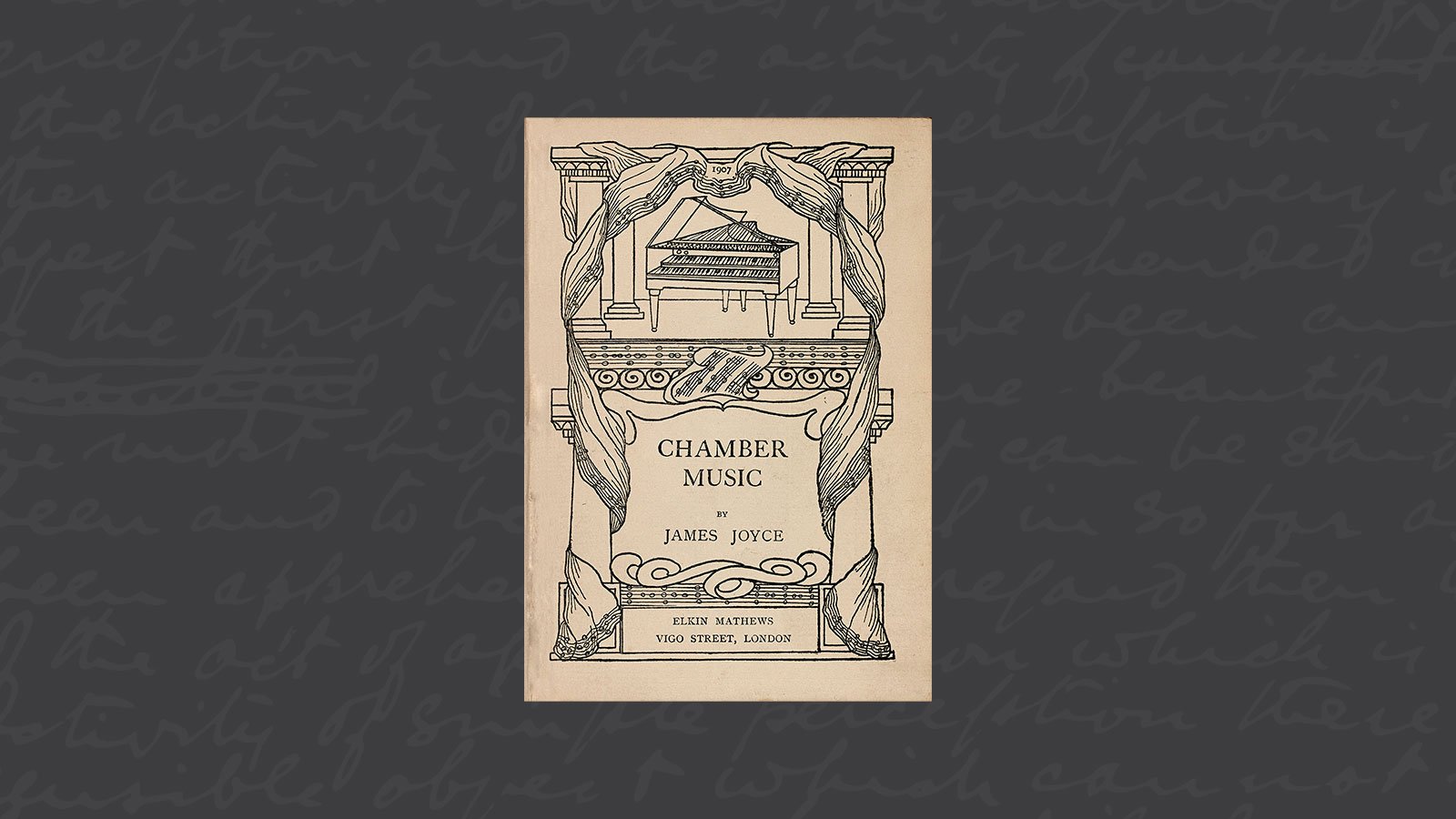
"A child is sleeping: An old man gone. O, father forsaken, Forgive your son!"
From Ecce Puer (Chamber Music), 1907
Poetry
In December 1902, Joyce was introduced to the poet and critic Arthur Symons. Impressed by the young writer, Symons agreed to help find a publisher for Joyce’s poetry. After many rejections, Joyce’s collection of poetry and first book publication, Chamber Music, was published in May 1907. The collection received favourable reviews and impressed Anglo-American poet TS Eliot. Joyce, however, was disappointed that it did not sell well.
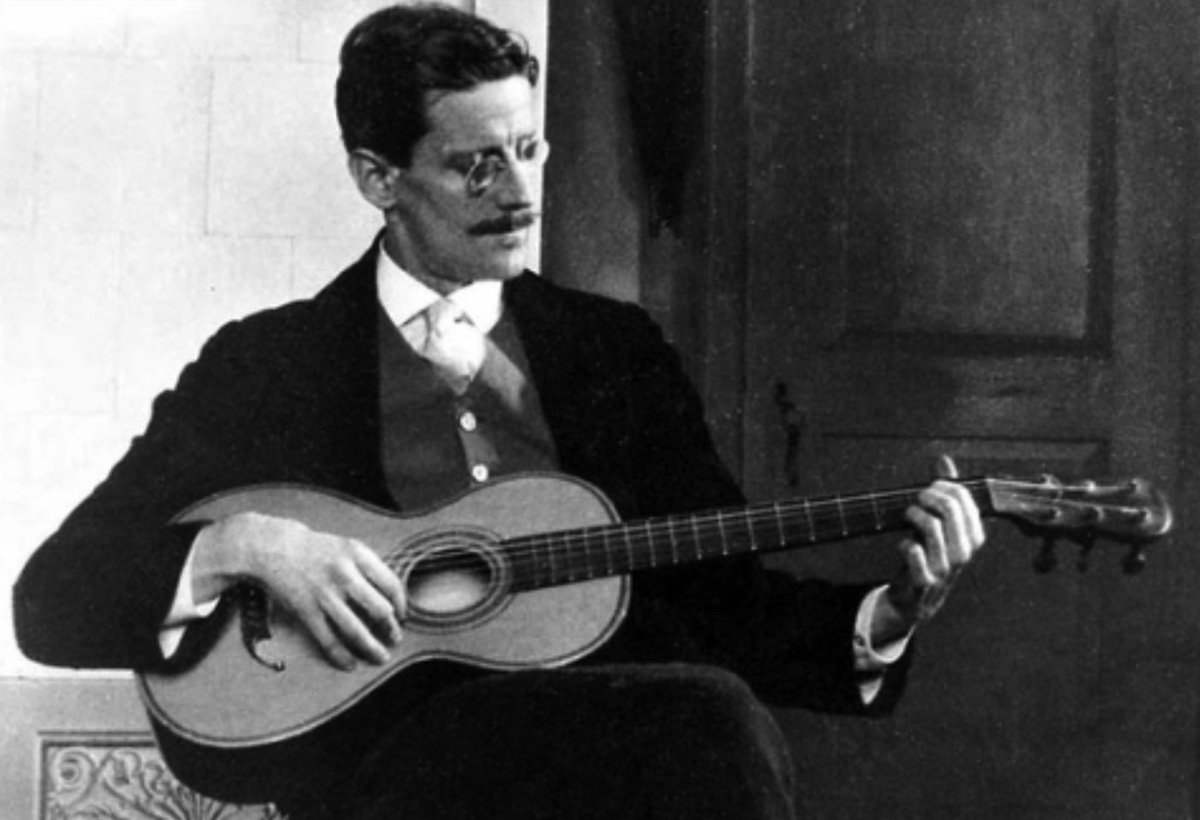
Chamber Music is a collection of lyric poems inspired by Elizabethan love poetry. Joyce was musically talented as a distinguished tenor, and he once considered pursuing a singing career. He wrote the series of poems to not only be read, but to be set to music. The series of interlinked poems explores themes of love, desire, and loss.
Although the poems predate Joyce’s relationship with Nora, they feature in their love story. In December 1909, after a major crisis in their relationship, Joyce commissioned an ivory necklace for Nora engraved with a line from Chamber Music: ‘Love is unhappy when love is away.’
He also gifted Nora a special handwritten copy of the poems and told her, ‘It holds the desire of my youth and you, darling, were the fulfilment of that desire’.
Joyce’s short second collection, Pomes Penyeach, was published in 1927 by Shakespeare and Company. Within the collection are two of Joyce’s most lasting reflections on his own family - ‘Ecce Peur’ and ‘A Flower Given to my Daughter’.
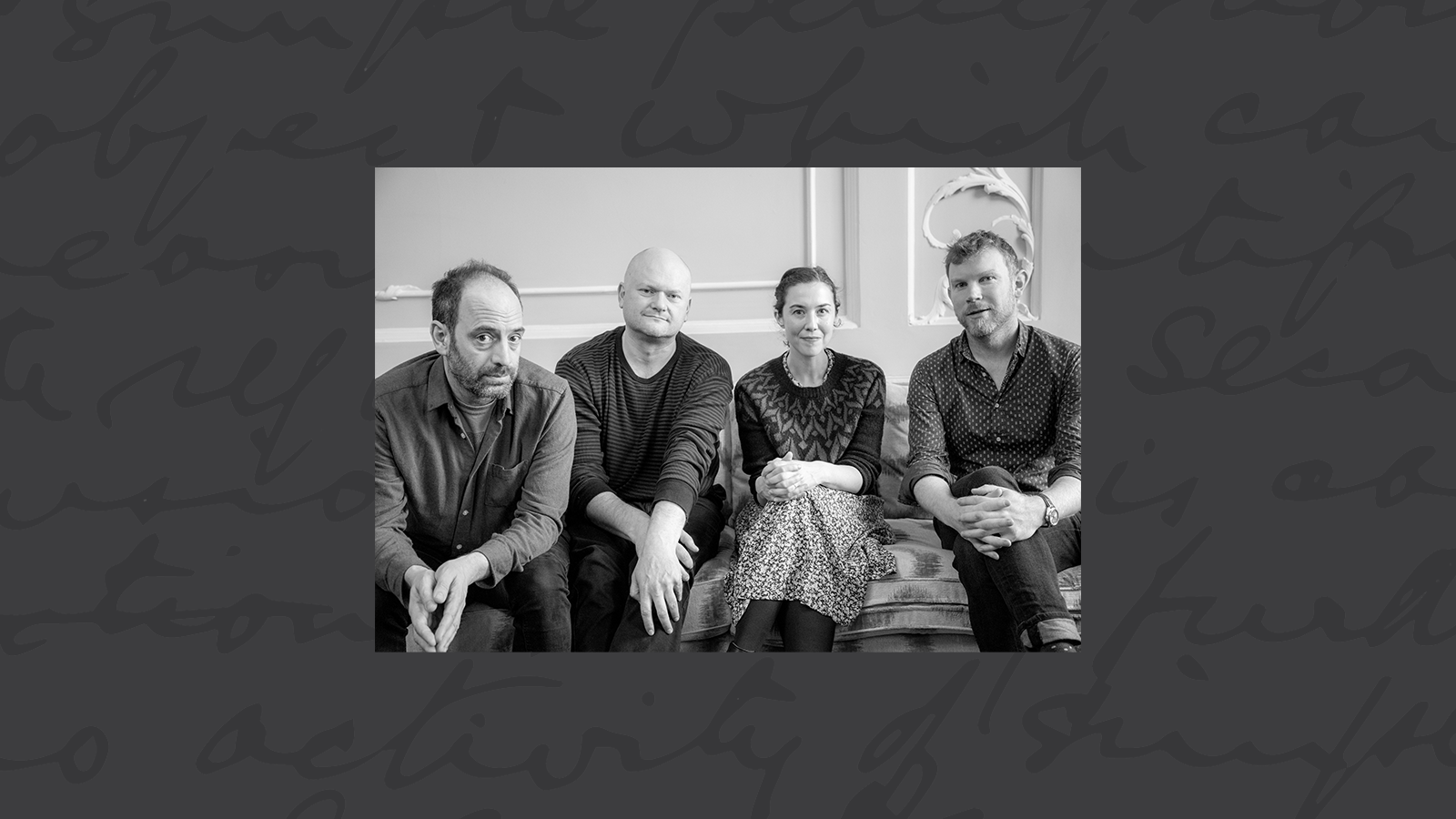
The musicality of Joyce’s poetry has inspired many settings of his poems, notably by composers Samuel Barber, Geoffrey Molyneux Palmer, songwriter Syd Barrett and, most recently, Irish musicians Lisa Hannigan, Adrian Crowley and Matthew Nolan.
A Portrait of the Artist as a Young Man
In early 1904, Joyce began to write an autobiographical essay titled ‘A Portrait of the Artist.’
This fragment evolved into Stephen Hero, Joyce’s first attempt at writing a novel. In 1908, after struggling to publish the work, Joyce allegedly burned part of the manuscript in a fit of frustration.
"I go to encounter for the millionth time the reality of experience and to forge in the smithy of my soul the uncreated conscience of my race.”
James Joyce, A Portrait of the Artist as a Young Man, 1916
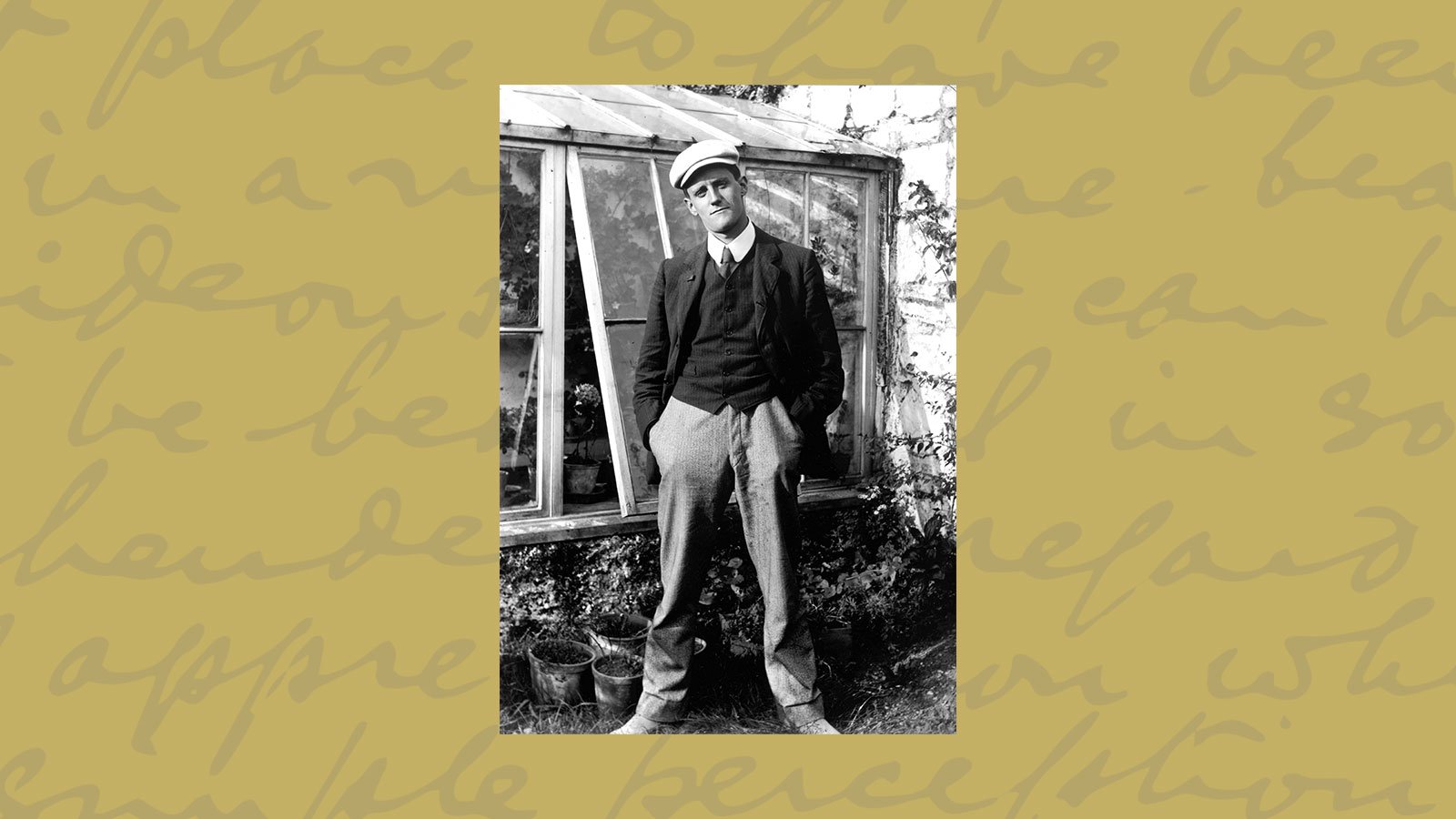
Written in the tradition of the bildungsroman, or coming of age novel, A Portrait charts the intellectual development of its protagonist, Stephen Dedalus. The language of the book evolves as Stephen matures. The novel is largely autobiographical. Joyce included details about his formative educational experiences, as well as recognizable details about his friends and family.
The novel ends with Stephen’s escape to Paris, mirroring Joyce’s own migration when he was 20 years old. Stephen, like Joyce, is critical of Ireland’s social institutions, particularly the Catholic Church and Irish Nationalism.
In a famous passage, he identifies the restrictions he must transcend as an Irish artist:
"When the soul of a man is born in this country there are nets … I shall try to fly by those nets."
Stephen Dedalus later reappeared as a central character in Joyce’s novel Ulysses.
Dubliners
In 1904, Joyce began to compose a series of short stories set in his native Dublin. In 1906 he received news that this collection, Dubliners, would not be printed on the grounds that many passages were too obscene.
In the first of many professional disappointments, a Dublin publisher began to print the collection but ultimately destroyed copies of the text in 1911. On 15 June 1914, after ten years of writing, and several attempts at publication, Dubliners was finally released to mixed reviews.
The stories present slices of Dublin life and explore the theme of paralysis; characters are stifled by the repressive society of early twentieth-century Ireland. The book is not entirely critical, however. Joyce’s masterpiece is the collection’s final story, ‘The Dead’, which celebrates Ireland’s warm, gracious tradition of hospitality. He wrote this story in Rome during a bout of homesickness.
The modern city of Dublin, its landmarks, streets, pubs, and characters, feature prominently in all of Joyce’s work, but first take form in these stories. Dubliners is the foundation on which he built his most ambitious and experimental works, and is formative in its influence on the short story form as we know it today.
“His soul swooned slowly as he heard the snow falling faintly through the universe and faintly falling, like the descent of their last end, upon all the living and the dead.”
The final lines of The Dead (Dubliners), 1914
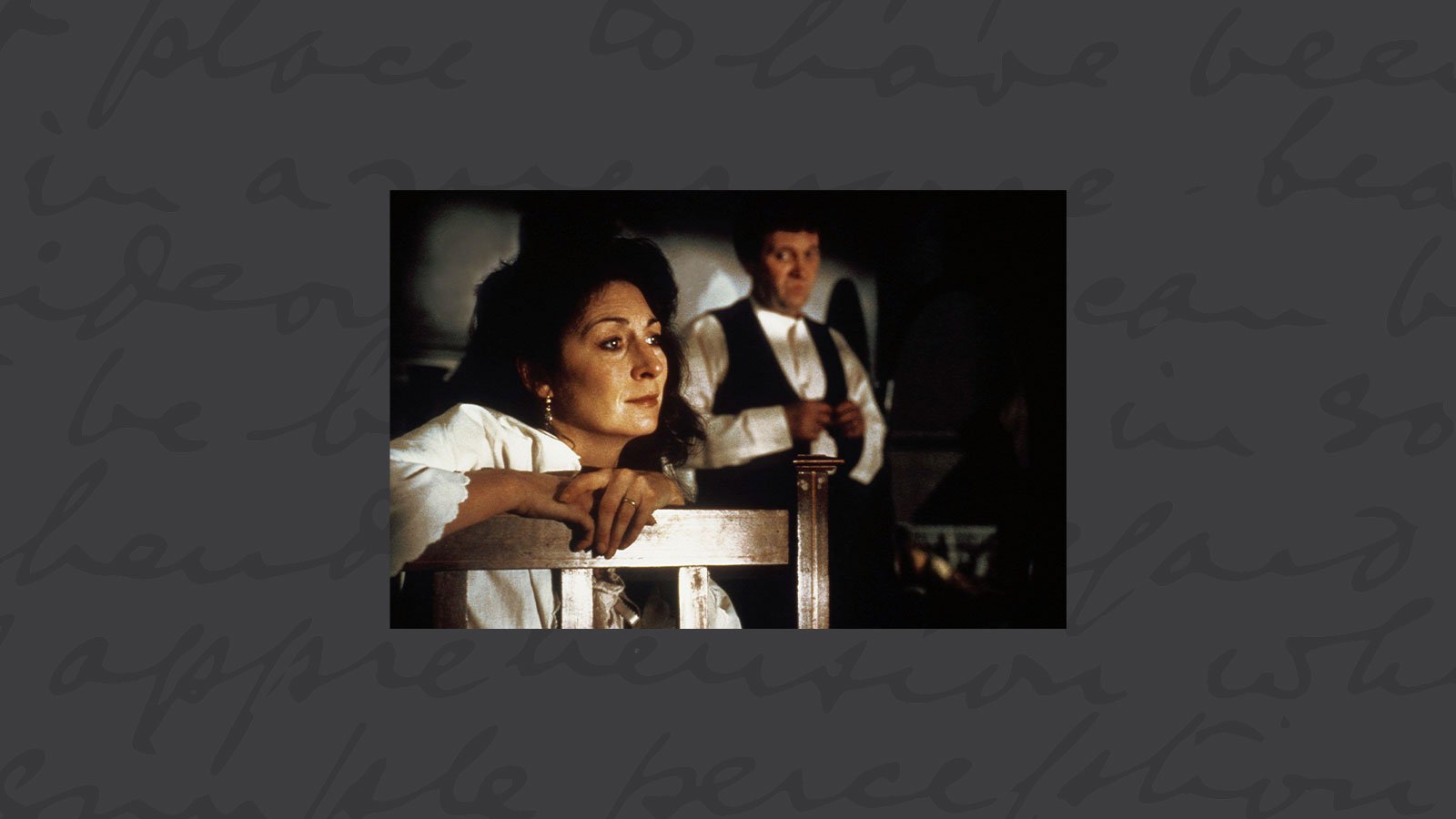
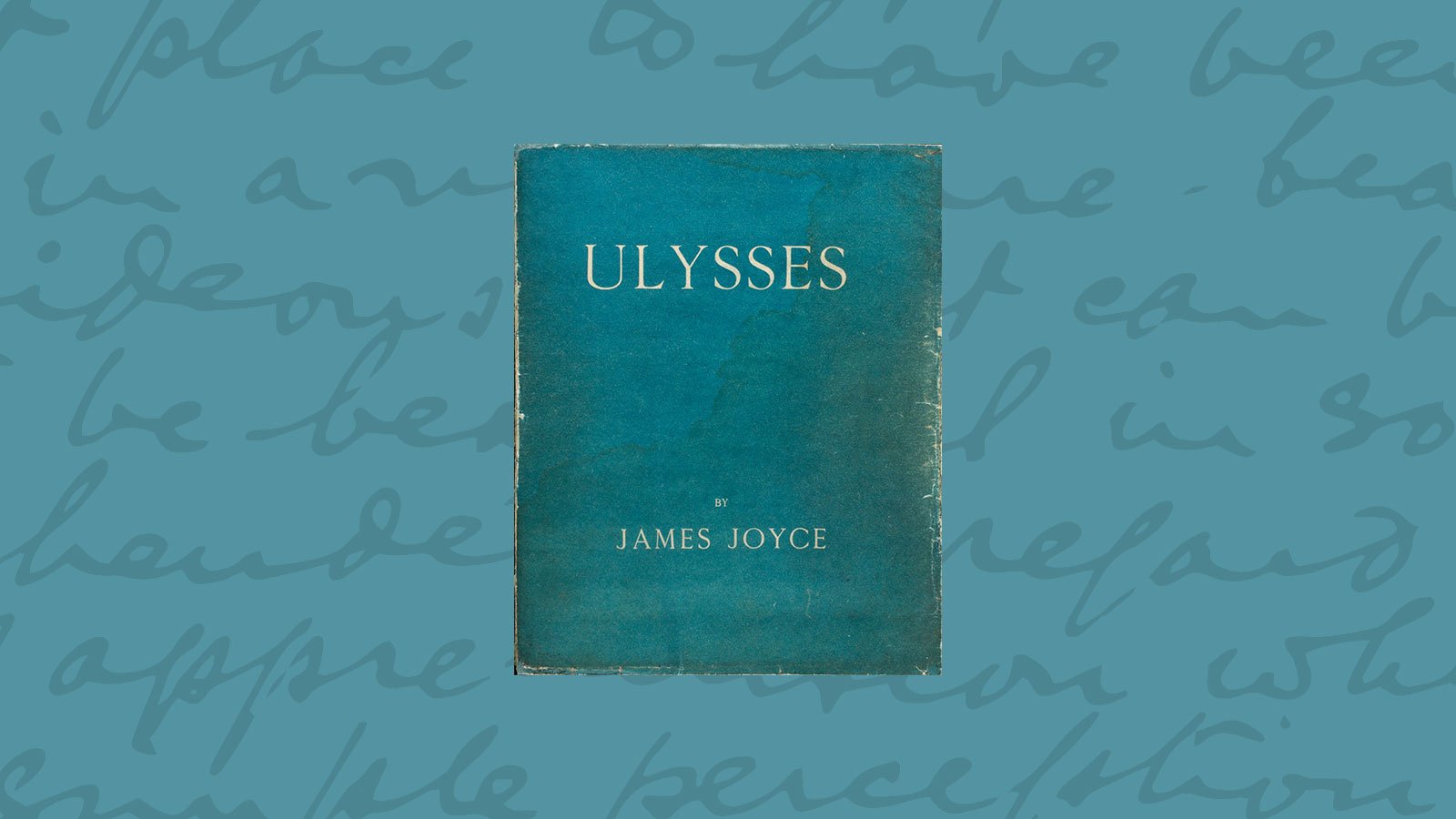
“I hold this book to be the most important expression which the present age has found…”
TS Eliot, British author and publisher, reviews Ulysses in 1922
Ulysses
Ulysses was published on 2 February 1922, Joyce’s 40th birthday. That day, the first two copies of the novel were delivered to Joyce in Paris. Ulysses takes place on a single day, 16 June 1904, in Dublin, Ireland. This date held great personal significance for Joyce as the day of his first date with his great love, Nora.
Each ‘episode’ of Ulysses mirrors the structure of Homer’s Greek epic the Odyssey, which follows the journey of Odysseus, King of Ithaca, as he travels home after the Trojan War. Joyce’s modernist epic redefines heroism and elevates the ordinary lives of Dubliners and their experiences of the modern city. Characters eat breakfast, go to work, attend a funeral, meet in a pub, give birth, and greet each other in the street.
The novel follows the Jewish protagonist Leopold Bloom as he leaves his house at 7 Eccles Street and roams through the city before returning home to his estranged wife, Molly. Bloom is aware that Molly plans to commit adultery with another man, Blazes Boylan, later that day. Stephen Dedalus, Joyce’s alter ego from A Portrait of the Artist as a Young Man, who has returned to Dublin from Paris, later connects with Bloom.
The novel concludes with a famous internal monologue by Molly, a tour-de-force of stream-of-consciousness writing that concludes with an emphatic, positive “Yes!”.
Finnegans Wake
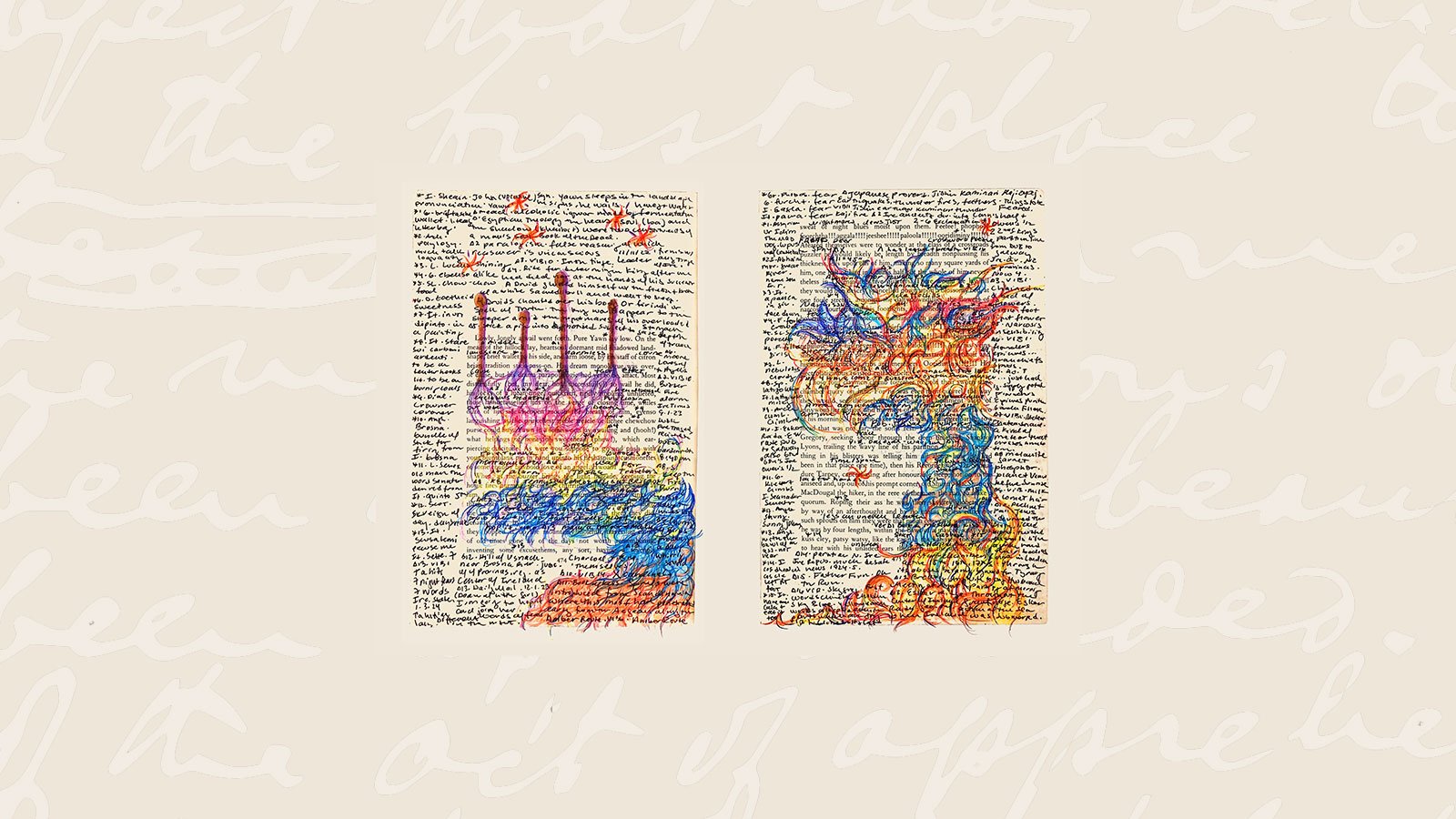
One day in 1923, following the success of Ulysses, and with failing eyesight and poor health, Joyce took out a notebook and crayons and began to write ‘Work in Progress’. The novel would eventually be published as Finnegans Wake: only his wife Nora knew its actual title.
In 1924, the first instalment of this work was published in an influential monthly magazine, The Transatlantic Review. Many of his friends and admirers were dismayed by the new work, which hurt Joyce deeply.
Since its publication in 1939, Finnegans Wake has both perplexed and delighted readers with its multilingual ‘nightlanguage’ that hardly resembles standard English. Joyce spoke several languages, and he wrote the book using new words contrived through puns and portmanteaus.
On one level, the book deals with a publican, his wife, and their two children living in the Dublin suburb of Chapelizod. These characters, however, lack a fixed identity and take on new personas and guises.
The book’s structure is based on the theory of the eighteenth-century philosopher Giambattista Vico. Vico believed that history is a cyclical process that ends with a ‘ricorso’, or a return to an earlier stage. The book ends with an incomplete sentence that recirculates to the beginning of the book:
a way a lone a last a loved a long the
/
riverrun, past Eve and Adam’s, from swerve of shore to bend of bay, brings us by a commodius vicus of recirculation back to Howth Castle and Environs.

Broadsides
Joyce felt misunderstood as an artist in Ireland. Shortly before leaving Dublin in 1904, he wrote a scathing critique of the Irish literati. ‘The Holy Office’ attacked prominent writers like WB Yeats, targeting what Joyce viewed as the romanticization of Irish culture.
After arriving in Trieste, Joyce had 100 copies of the broadside printed. He sent the poem to his brother Stanislaus and asked him to distribute it to friends, as well as some of the individuals that Joyce criticised in the poem.
In 1912, Joyce returned to Dublin for the final time to negotiate the publication of Dubliners. Publishers Maunsel and Company feared that they could be prosecuted for printing obscene material. Printer John Falconer subsequently burned copies of the book.
In response, Joyce composed a furious poem titled ‘Gas From a Burner.’ The title is a pun that suggests the fear of Falconer, a ‘burner’ who destroyed the book by fire, is nothing more than bodily ‘gas’. On his return to Trieste, Joyce had 1,000 copies of the satire printed as a broadside. He asked his brother Charles to distribute them to friends as well as enemies in Dublin – hell hath no fury like a writer scorned.
“…and though they spurn me from their door / My soul shall spurn them evermore.”
From The Holy Office, 1904
Periodicals
Literary journals enabled modernism to flourish in the early 20th century, and were the first platforms for Joyce’s work. The writing featured in these ‘little’ magazines did not often appeal to popular taste and they were mainly distributed to small audiences.
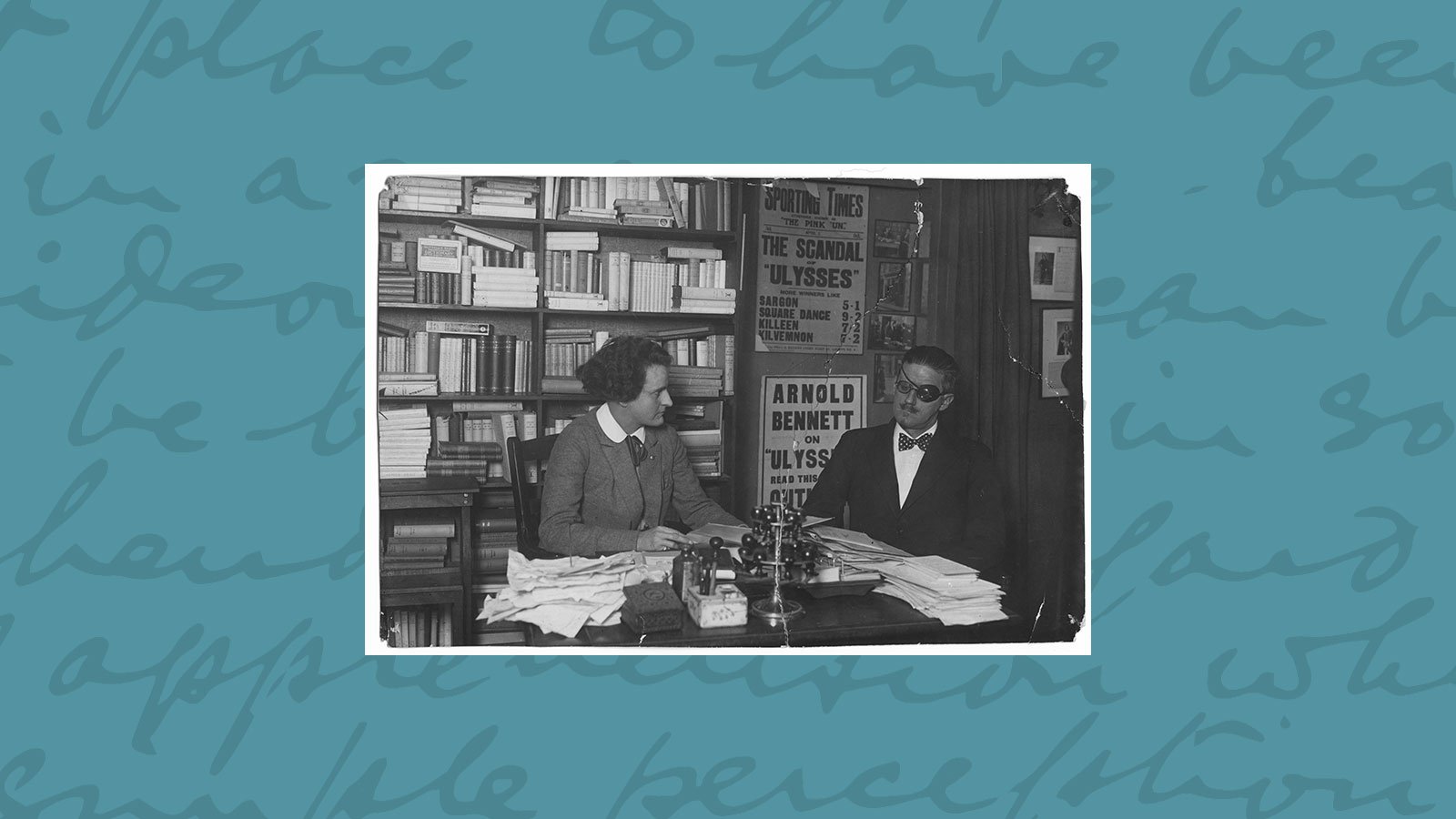
Ulysses first appeared in the American literary magazine The Little Review in 1918. One of the editors, Margaret Anderson, said she ‘had not read anything so beautiful or transcending in her whole life’. However, the magazine was forced to cease publishing Joyce’s work after Ulysses was banned in the United States under charges of obscenity.
Despite the ban, copies were smuggled into the country from Europe. Publisher Samuel Roth capitalised on the popularity of Ulysses, serialising the book in his magazine Two Worlds Monthly without permission in 1927.
A group of writers including Virginia Woolf, DH Lawrence, and TS Eliot signed a letter protesting the piracy. Roth was legally forced to stop the magazine’s publication after Joyce filed an injunction against him.
Joyce’s groundbreaking works were first published in literary journals devoted to experimental writing. The Parisian journal transitions published eighteen segments of Joyce’s controversial work Finnegans Wake (initially titled Work in Progress). The magazine also defended Work in Progress against its many critics and became colloquially known as ‘la maison de Joyce’.
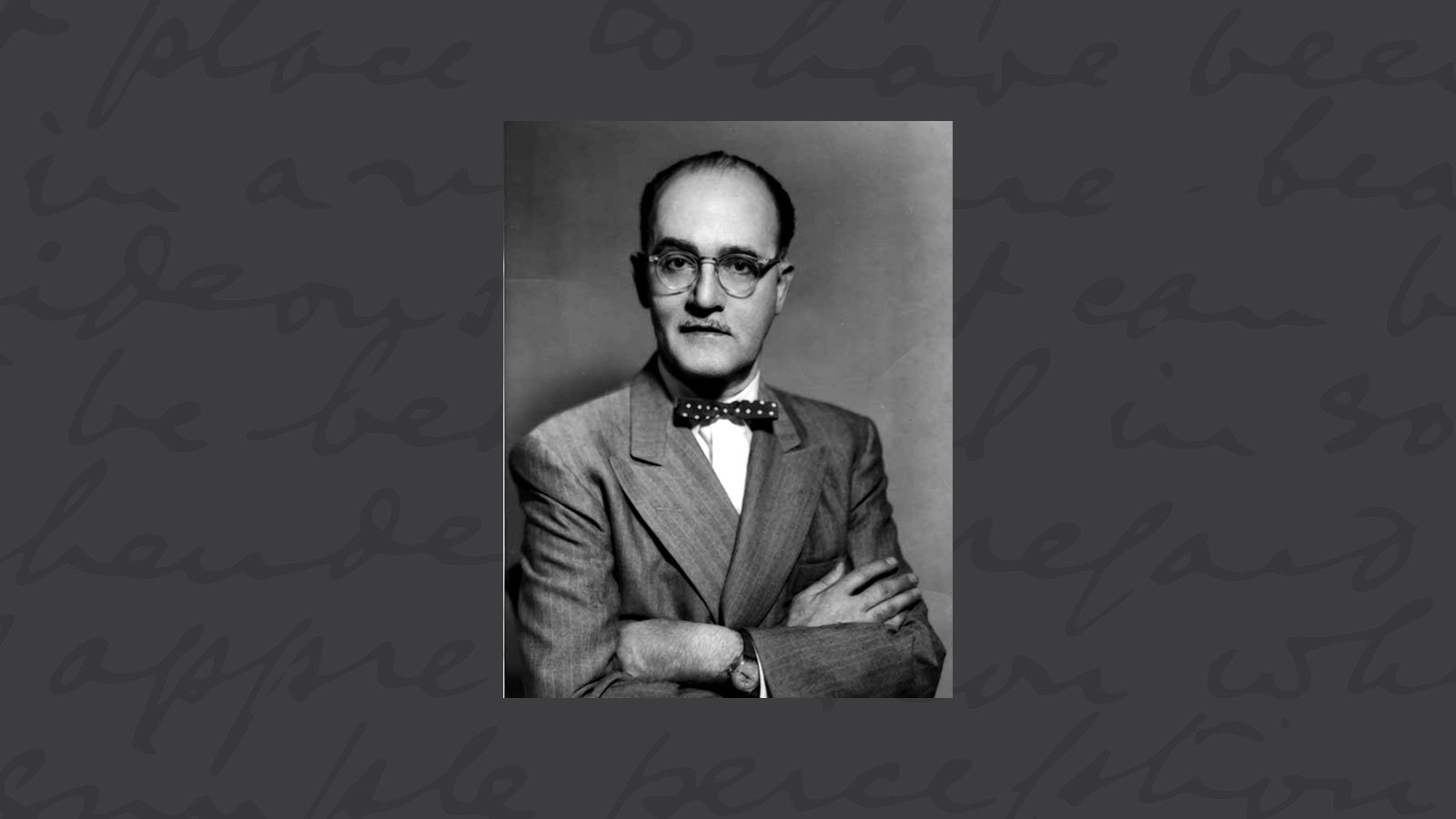
The US vs Ulysses
By the standards of the time in which it was written, Ulysses was considered sexually graphic, even pornographic by some readers. It was also sometimes deemed obscene due to its depiction of bodily functions and blasphemous for its irreverence towards Catholicism. The debates surrounding Ulysses have shaped human discourse about the freedoms of artistic speech.
In 1920, The Little Review published the ‘Nausicaa’ episode of Ulysses. In this episode, protagonist Leopold Bloom watches and fantasises about a young woman, Gerty MacDowell, who leans back to expose herself while sitting on a beach.
So off ended were some readers of the literary journal, that its editors were convicted of obscenity in 1921. The publication of Ulysses was outlawed in the United States, and the United Kingdom soon also banned the book.
In 1934, Random House arranged for a copy of Ulysses to be seized by US Customs Officials. This deliberate action prompted a trial to determine if the ban on Ulysses violated the First Amendment to the US Constitution, which protects freedom of speech. Judge M. Woolsey ruled that Ulysses was a serious literary work and that its language was artistic rather than offensive. This case enabled works previously considered obscene to be distributed.
“…Whilst in many places the effect of Ulysses on the reader undoubtedly is somewhat emetic, nowhere does it tend to be an aphrodisiac.”
Judge John M. Wollsey’s final judgement in the trial of Ulysses.
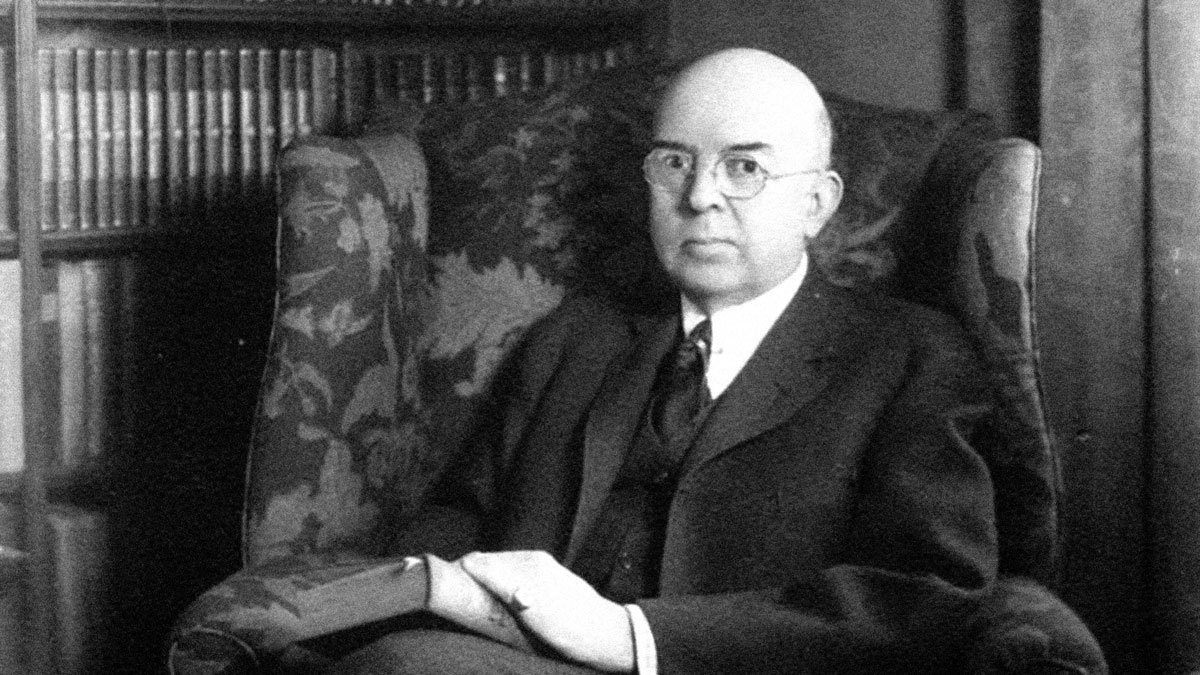
A century of book design
Given its importance in the literary canon, it is no surprise that editions of Ulysses have been designed by some of the most important graphic artists of the 20th century.
From Shakespeare and Company’s very first printing, the cover design of Ulysses played an important role in each published edition. Joyce himself was particular about both the layout of the cover and interior pages – the blue of the first cover evokes the Greek flag, and the generous typesetting and high-quality paper made it an exceptionally readable work of book production.
Ulysses has been – and continues to be – regularly reprinted, reissued and translated. Each edition is a milestone, a literary and visual statement and publishers have often employed prominent, legendary graphic designers and artists to produce new covers for the novel.
In this way, editions of Ulysses often reflect the very best design work of their time.
Names like Eric Gill, Henri Matisse, Ernst Reichl, Robert Motherwell and Carin Goldberg all feature in the long and fascinating design history of Ulysses. The tradition continues today with new special editions being released every year, with increasing attention to design and production quality.
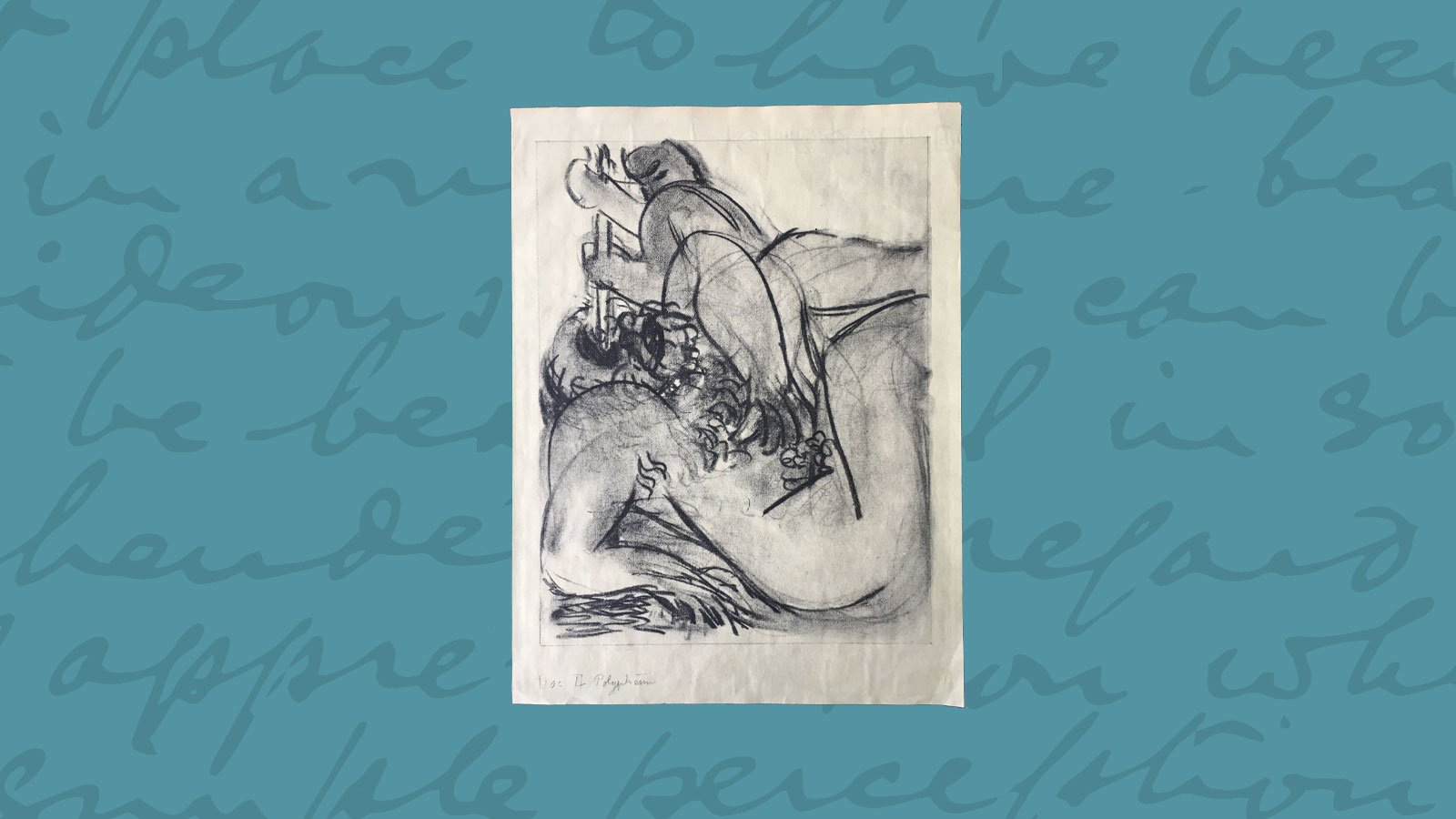
“There is something very visual about Joyce… as though he were a modernist painter.”
Robert Motherwell
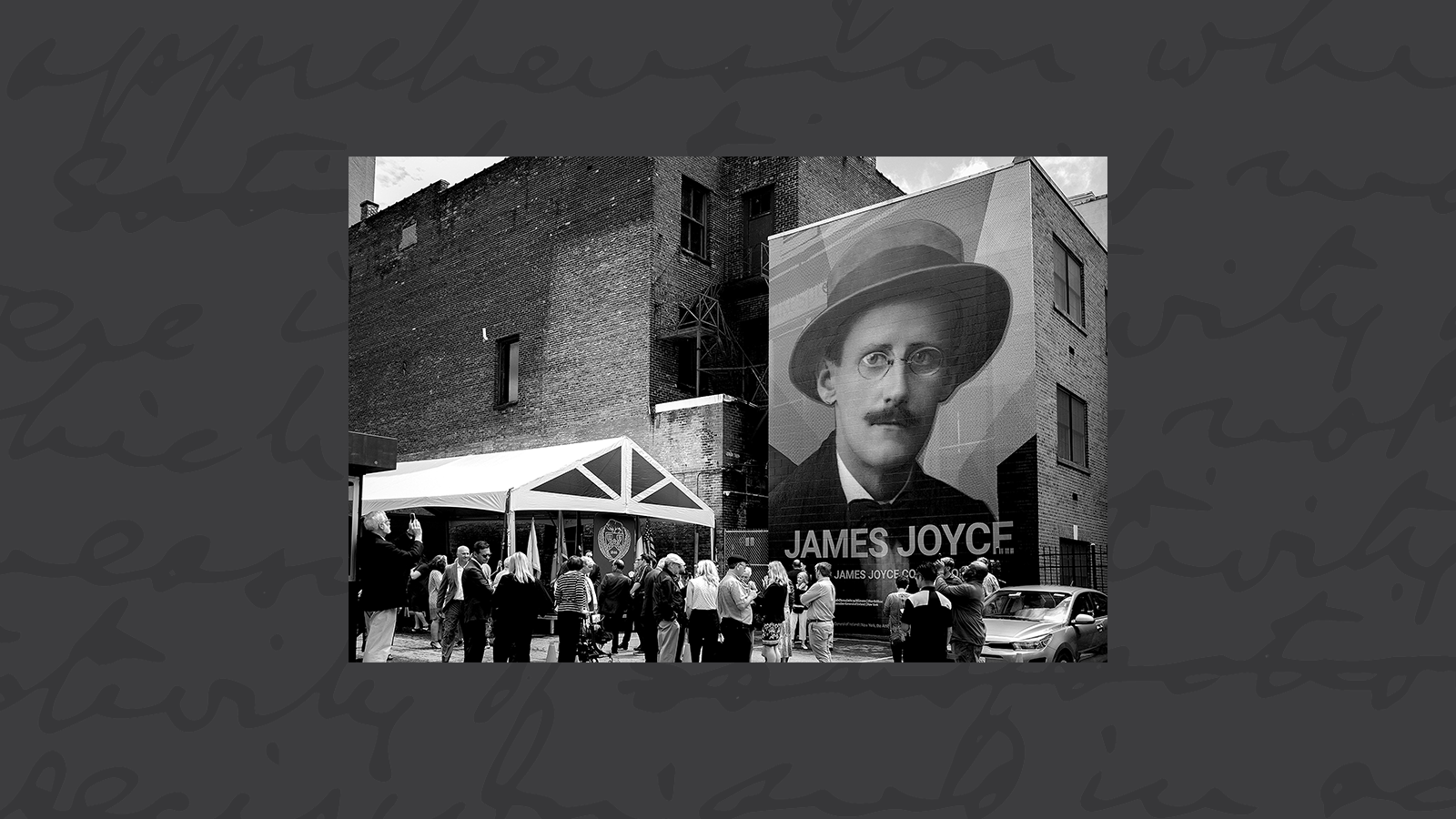
Joyce’s influence
A century after Joyce published Ulysses, his work continues to influence and inspire artists and academics across the globe, perhaps more than any other modern writer in the English language.
Despite the experimental nature of Joyce’s work, Ulysses is widely referenced by writers across the globe as the book that has most influenced them, and regularly appears in lists of the most influential English novels of the modern era.
Joyce’s work has been an inspiration to the visual arts, notably in the work of Joseph Kosuth, Robert Motherwell and Anselm Kiefer.
Most recently, Kiefer mounted a major installation in London’s White Cube gallery, based on his lifelong obsession with Finnegans Wake.
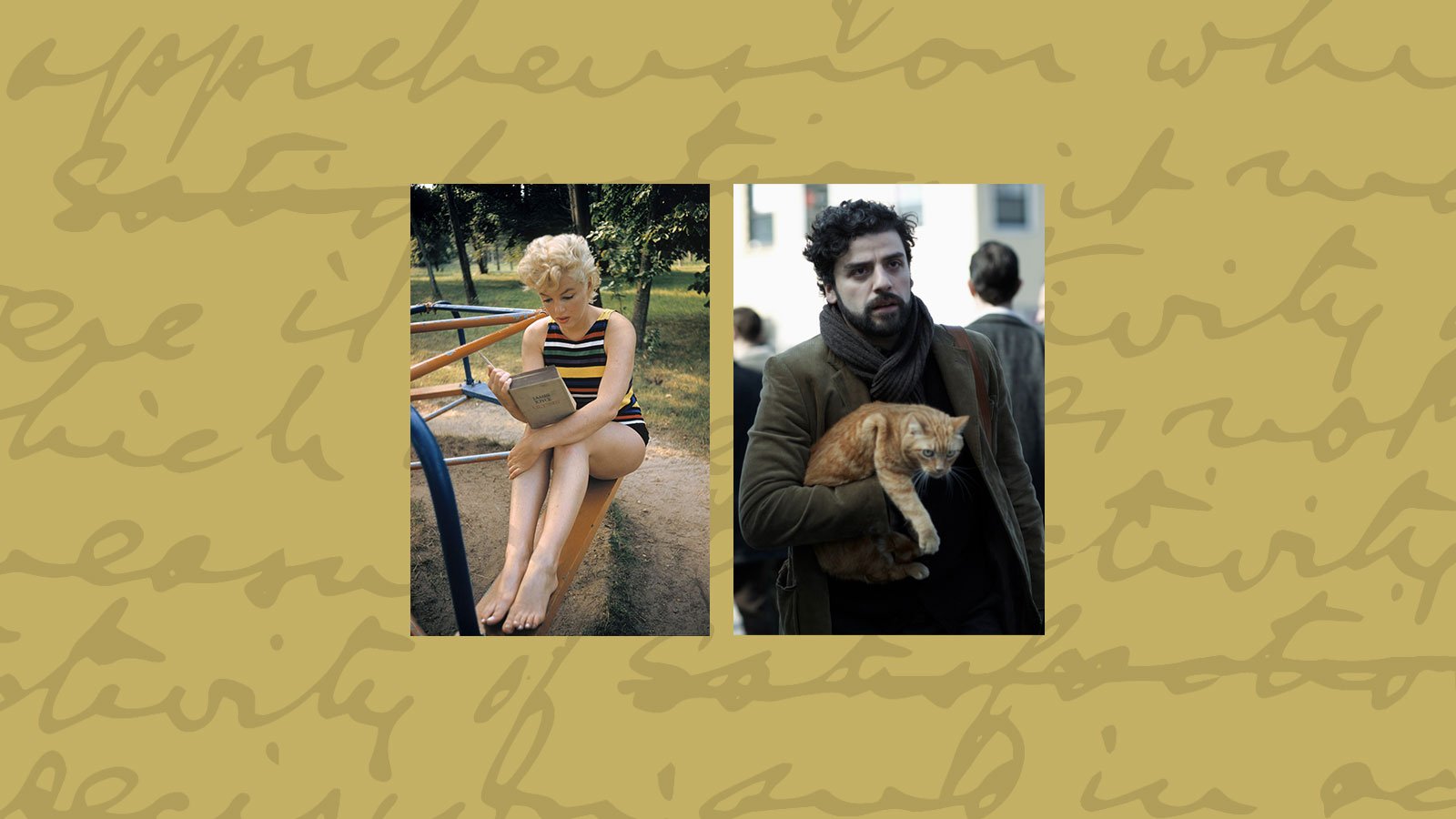
Joyce’s writing continues to be studied around the globe. Major research collections exist in Ireland and several universities in the United States, notably The University at Buffalo and the Harry Ransom Centre at the University of Texas.
Several major organisations continue to promote Joyce scholarship, in particular the International James Joyce Foundation and the Zürich James Joyce Foundation. Summer schools continue to this day in Dublin, Trieste and beyond.
Joyce’s artistic impact has been keenly felt in contemporary culture, from popular music to the cinema. Independent film makers like David Lynch and the Coen Brothers are heavily influenced by Joyce’s mythological/experimental narratives, as well as his distinct treatment of time in his work.
Musicians too have expressed a love of Joyce, from classical composers Samuel Barber, John Cage and Toru Takemitsu to Lou Reed, U2, Kate Bush and contemporary hip-hop artists Rihanna and Pusha-T.
“Ulysses is a living, shifting, deeply humane text that is also very funny. It makes the world bigger.”
Anne Enright
This exhibition was researched, written and curated by the Museum of Literature Ireland with Dr Angela Byrne for the Department of Foreign Affairs.
With thanks to James Maynard and the Poetry Collection - University at Buffalo, the Zürich James Joyce Foundation, the National Library of Ireland, Dr Katie Mishler, Professor Anne Fogarty, Professor Margaret Kelleher, Katherine McSharry, Suzanne Lopez and Glenn Johnston.