


Delivering sustainable healthcare for rural families in Tanzania
In rural areas with little or no access to electricity, a partnership between Irish Aid and the ELICO Foundation is bringing solar-powered healthcare to families.
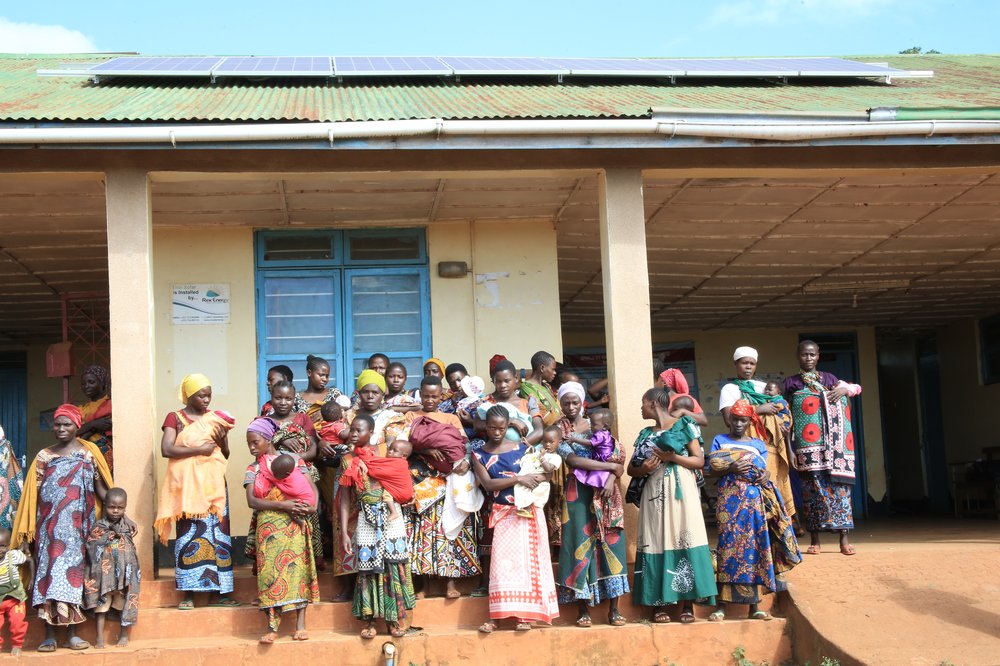
Delivering critical healthcare in remote rural areas with little or no electricity is a real challenge – one that too often leads to needless loss of life.
At the ELICO Foundation in Tanzania, they know the answer shines down on them from above. Solar power has the potential to transform Africa, and nowhere is that more evident than in healthcare.
Irish Aid has partnered with the ELICO Foundation to deliver life-saving healthcare through solar energy. The result has been that people in areas without electricity have been able to access healthcare that was previously unavailable.
Fredrick Mushi, Director of Programmes and Operations at ELICO Foundation, explains:
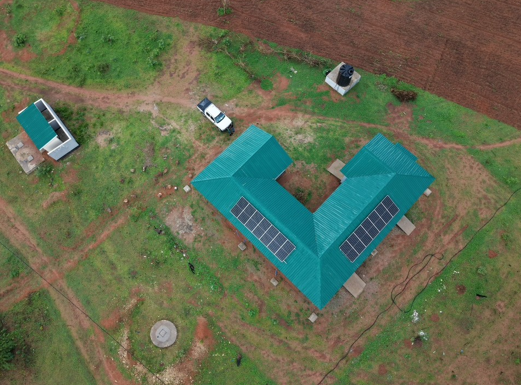
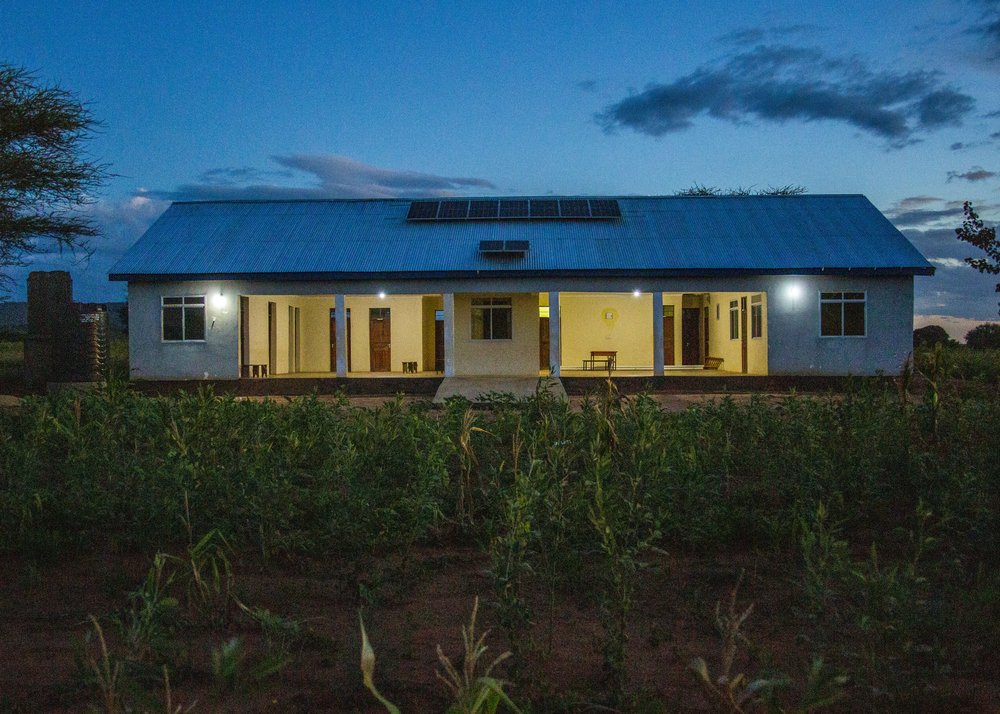
“We are transforming rural health facilities into green hubs by installing integrated solar systems. This provides the reliable 24/7 power necessary for lighting and the operation of essential biomedical appliances, directly reducing the facility’s carbon footprint while ensuring continuity of care.”
Irish Aid also supports the ELICO Foundation on a number of other initiatives to deliver healthcare to rural communities.
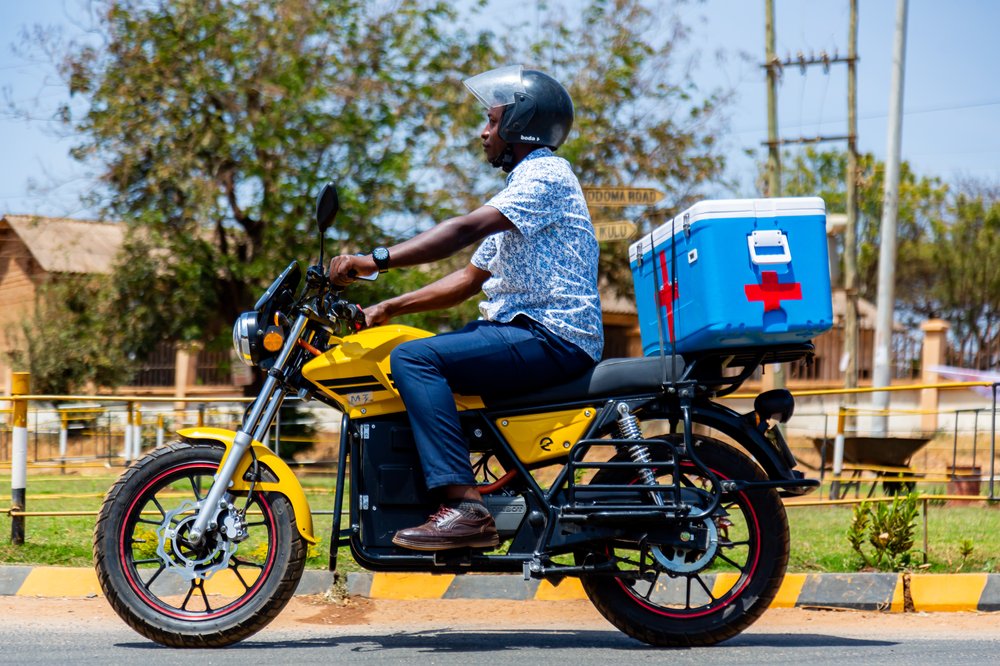
Our partnership, which began in 2023, has seen the installation of solar powered water pumps to ensure clinics can remain operational during times of drought. Support from Ireland also provides light electric vehicles (LEVs) to allow health workers access remote areas using sustainable transport, as well as strengthening ICT operations.
As Fredrick says:
“Today, a health worker can rely on solar-powered lights for a midnight delivery, use a solar-pumped borehole for sterile handwashing, and record patient data on an Irish-funded ICT system—all while medical supplies arrive via zero-emission electric cargo bikes.
“With Ireland’s support, ELICO has turned the vision of 'Green Healthcare' into a reality for 41 rural communities to date. By integrating these eco-friendly practices, we are not just upgrading facilities; we are building a climate-smart health ecosystem that ensures no community is left behind, regardless of their geographical challenges.
“Ireland’s support has built a foundation of dignity and reliability for over 600,000 citizens, ensuring that the quality of one's healthcare is no longer determined by their proximity to the power grid, water source or vulnerability to climate change.”
As well as partnering with the ELICO Foundation to deliver these green healthcare projects, Ireland also supports their long-term maintenance. Often, new technologies can deliver results for communities but fall into disrepair, leaving families back where they started.
Fredrick knows that Ireland’s long-term commitment will be key for developing ELICO Foundation’s work even further – and he has big plans ahead:
“We see a future where rural health facilities and rural communities are no longer dependent on intermittent grant funding, but are instead powered by self-sustaining, community-led models that are attractive enough to invite permanent private sector investment,” he says. “We aren't just installing systems; we are building local, enduring economies.”
You may also be interested in these articles
1 September 2026
Ireland's Child Wasting Initiative
Achievements, Lessons and Future Directions, on Ireland's Child Wasting Initiative
Read more
31 August 2026
Minister Richmond opens call for applications to Civil Society Fund 2027
Minister of State for International Development and Diaspora, Neale Richmond TD, today launched the call for applications to the 2027 Civil Society Fund. This Fund supports the implementation of development projects in countries which are eligible to receive Official Development Assistance.
Read more
28 August 2026
Minister Richmond launches 2025 Irish Aid Annual Report as Ireland reaches number eight in world Official Development Assistance donors
Minister of State for International Development and the Diaspora, Neale Richmond TD, today launched the 2025 Irish Aid Annual Report, detailing the global impact and reach of Ireland’s humanitarian and development programme.
Read more
28 August 2026
Minister McEntee and Minister Richmond announce €500,000 in emergency assistance following floods in Nepal
Minister for Foreign Affairs and Trade, Helen McEntee TD, and Minister of State for International Development and Diaspora, Neale Richmond TD, have today announced €500,000 in emergency funding to support relief efforts following the devastating floods and landslides in Nepal.
Read more