


6 Million Meals Saved: How Irish Aid and FoodCloud are tackling food waste and hunger in Kenya
A partnership between Irish Aid and FoodCloud has transformed food waste into six million meals for vulnerable communities.
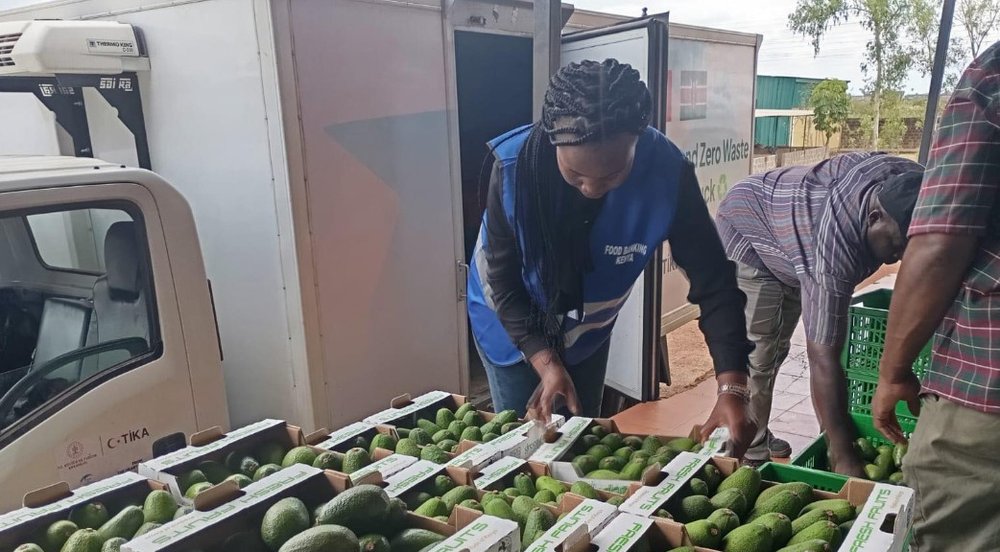
It’s one of the great contradictions of our time: millions of people around the world go hungry while enormous amounts of food is thrown out.
Enter FoodCloud, an award-winning Irish organisation that reduces both food waste and hunger by connecting food suppliers directly with local communities. Surplus food at risk of being thrown out is redistributed to families, cutting down on needless waste and providing nutritious meals for vulnerable people.
First established in Ireland, FoodCloud now also operates in the UK, Czechia and Slovakia – and with the help of Irish Aid has now set up in Kenya, the first of what it hopes will be many operations in Africa.
The partnership between FoodCloud and Irish Aid began in 2022 and has led to immediate results. Working through local partner Food Banking Kenya, the partnership has seen over six million meals provided to families at risk of hunger in Kenya. That amounts to redirecting roughly 1,400 tonnes of food from waste to hungry families.
Mary Ellen Angland, International Project Manager at FoodCloud, says the partnership is delivering real results and has the potential to expand significantly.
Climate shocks and rising food prices are increasing pressure on vulnerable families in Kenya. Our work redistributes surplus food efficiently to communities who need it.
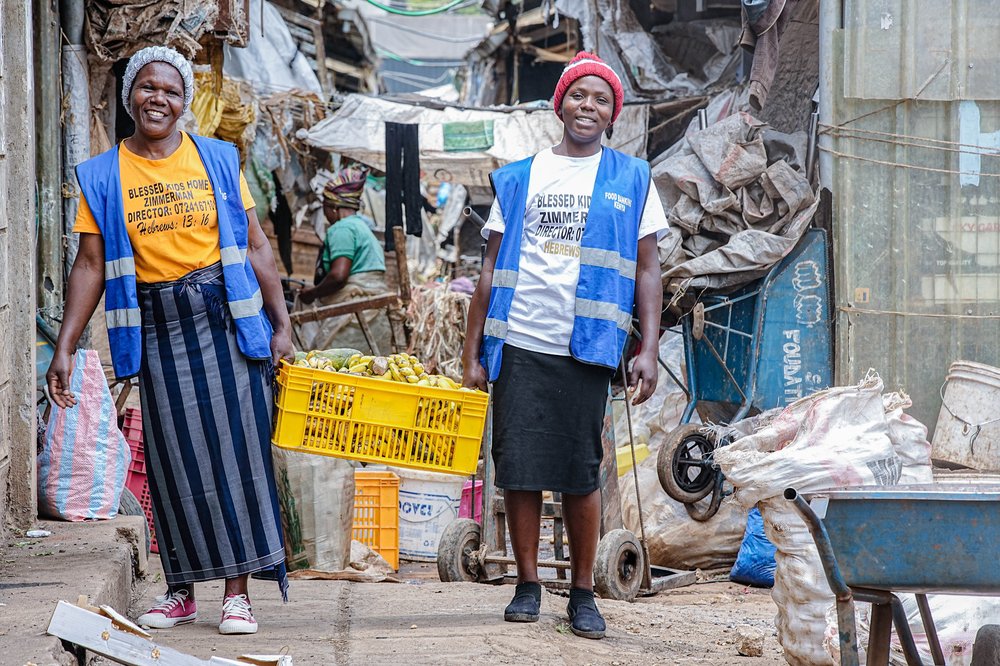
Not only does the work of FoodCloud tackle food waste and hunger, it also tackles carbon emissions. Food waste is a massive driver of climate change, generating roughly 8-10% of all global greenhouse gas emissions. It is estimated that saving just one meal from being wasted avoids around 2.7 kg of emissions.
FoodCloud reduces emissions by cutting out food waste and also by reducing transport emissions by connecting food donors – including commercial farms, markets and retailers – directly with communities.
One local charity in Kenya, Mum’s Love Children’s Home, reported that rather than driving 20 kilometres to a local warehouse to collect food, they now work directly with a food donor just 5 kilometres away. This reduces fuel emissions and transport costs, saving a huge amount of money.
Mary Ellen says there is huge scope to increase this work across other African countries.
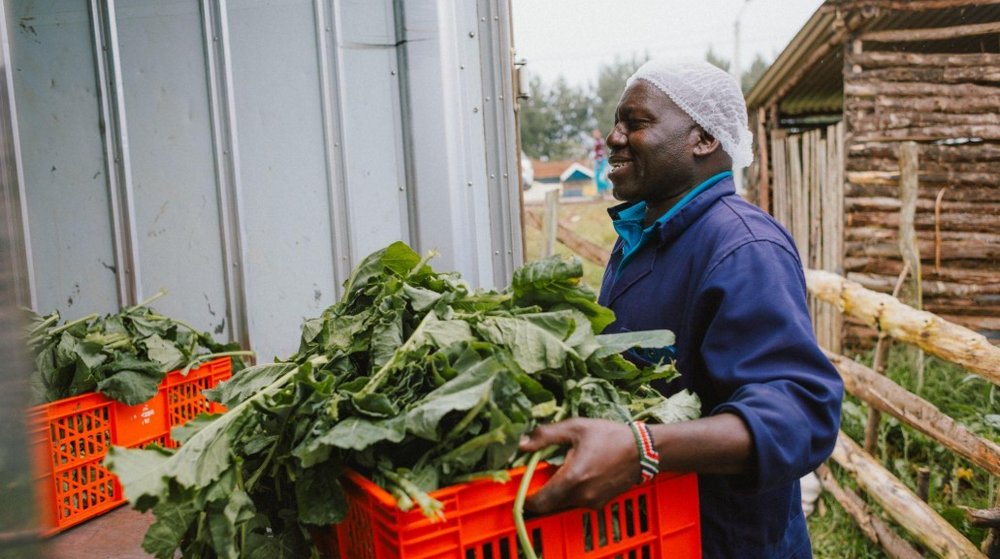
With Irish Aid’s support, we will continue working with Food Banking Kenya to expand support to new areas in Kenya. We are also looking at establishing pilots in two more African countries. We aim to enable more communities to access nutritious food while reducing food waste and emissions at scale. Our goal is to redistribute 28 million meals across Africa by the end of 2027.
You may also be interested in these articles
1 September 2026
Ireland's Child Wasting Initiative
Achievements, Lessons and Future Directions, on Ireland's Child Wasting Initiative
Read more
31 August 2026
Minister Richmond opens call for applications to Civil Society Fund 2027
Minister of State for International Development and Diaspora, Neale Richmond TD, today launched the call for applications to the 2027 Civil Society Fund. This Fund supports the implementation of development projects in countries which are eligible to receive Official Development Assistance.
Read more
28 August 2026
Minister Richmond launches 2025 Irish Aid Annual Report as Ireland reaches number eight in world Official Development Assistance donors
Minister of State for International Development and the Diaspora, Neale Richmond TD, today launched the 2025 Irish Aid Annual Report, detailing the global impact and reach of Ireland’s humanitarian and development programme.
Read more
28 August 2026
Minister McEntee and Minister Richmond announce €500,000 in emergency assistance following floods in Nepal
Minister for Foreign Affairs and Trade, Helen McEntee TD, and Minister of State for International Development and Diaspora, Neale Richmond TD, have today announced €500,000 in emergency funding to support relief efforts following the devastating floods and landslides in Nepal.
Read more