


Tackling climate change in Cambodia
Cambodia is very vulnerable to the negative impacts of climate change, with rising temperatures, erratic rainfall, and extreme weather events threatening livelihoods and ecosystems.
Cambodia already experiences some of the highest temperatures in the world and models predict a further increase in average temperatures. An increase in the frequency and intensity of heatwaves is already evident.
Weather challenges
Prolonged droughts and unpredictable flooding patterns are particularly challenging in a country where almost half of the population is employed in agriculture or fishing.
Continued warming and shifting weather patterns have led to reduced crop yields, impacting food security and rural incomes. To help communities adapt, the Irish Embassy in Hanoi developed a climate programme with Oxfam Cambodia and eight local partners, to enable smallholder farmers to strengthen their resilience.
Climate-resilient farming techniques
Programme interventions include the introduction of climate-resilient farming techniques, construction of improved irrigation systems and reforestation efforts, as well as national level policy advocacy.
Solar-powered irrigation
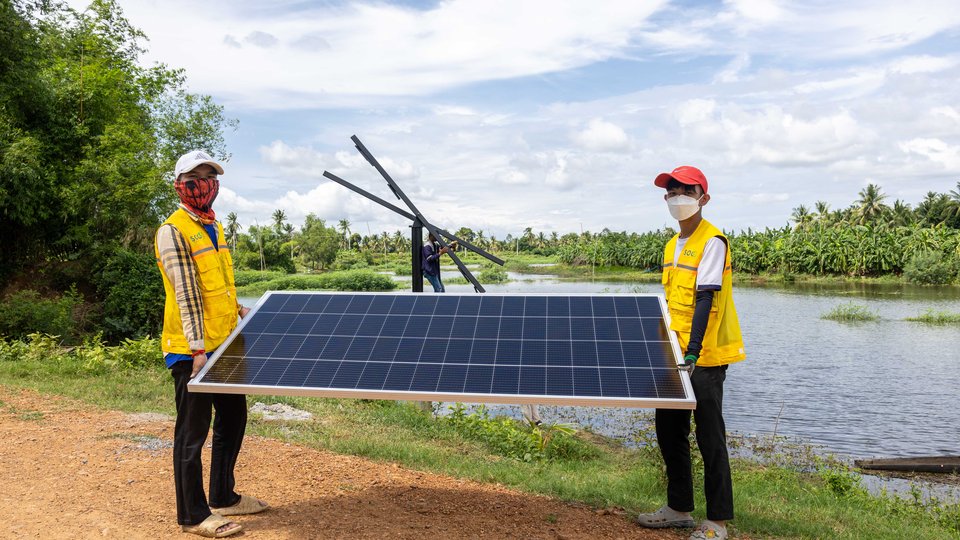
In Wattamin village in Battambang province, northwestern Cambodia, a solar-powered pump and irrigation system was installed in November 2024. This will enable local rice farmers to significantly increase their crop yields, and food security despite less predictable rain.
The solar-powered system also reduced the high cost of irrigation by diesel pump. Over 230 hectares of rice land are now irrigated by the new system, ensuring a constant supply of water during increasingly prolonged dry spells.
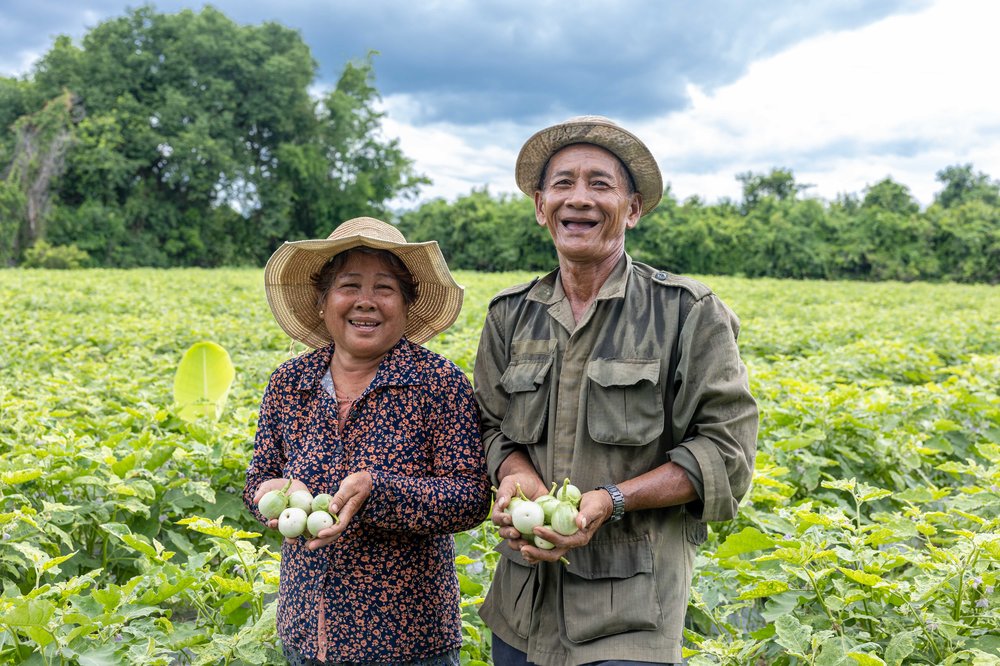
This benefits 228 farming households who depend on rice and fruit production for their livelihoods. Increased crop yields will result in better nutrition and higher household incomes.
Climate smart agricultural training
In Thomn village, farmers have been trained in climate smart agricultural practices. Training encompasses various aspects of crop cultivation, the production of organic fertilisers, and strategies to combat the effects of climate change.
Farmers also received vegetable seeds, leading to a wider variety of crops including maize, chilli, aubergine, cucumber and pineapple, helping to boost family incomes. Participants in the training activities are now mentoring other local farmers.
Supporting rural communities
Poverty reduction in Cambodia over the past decade has been significant. However, the impacts of climate change threaten to slow progress and push people back below the poverty line.
Rural communities inevitably face some of the most serious climate change threats. These interventions help to support the most vulnerable communities in adapting to changing climate conditions, while also mitigating against some of the negative impacts.