Ireland and the making of America
04 July 1776 – 04 July 2026 | 250 years of Irish contributions to the United States
As part of the Government’s wider programme to mark 250 years since the signing of the United States’ Declaration of Independence on 04 July 1776, the Department of Foreign Affairs and Trade, in partnership with EPIC The Irish Emigration Museum, have developed an exhibition highlighting the Irish contribution to this seminal event and charting 250 years of Irish contributions to the United States of America.
This exhibition is being showcased in-person at events across Ireland’s network of missions in the US, and digitally here on ireland.ie.
Introduction
In July 1776, the Continental Congress adopted the Declaration of Independence, announcing the separation of the thirteen American colonies from Great Britain.
The document set out the principles of liberty and equality that would become the core ideals of American democracy and inspire anti-colonial movements globally. This exhibition highlights the role of Irish immigrants in the creation of that document and in the broader struggle for independence, charting their contributions as politicians, soldiers and supporters of the revolutionary cause.
In the 250 years since the United States declared its sovereignty, Irish people have continued to shape American life. Millions left Ireland seeking refuge and new opportunities, and the US in turn gained workers, public servants and community leaders. From developing the nation’s infrastructure to serving in its highest offices, Irish immigrants and their descendants have been central to building the United States we have today.


Land and opportunity
The majority of Irish people in colonial America were Ulster Presbyterians – often called ‘Scots Irish’ – descendants of Scottish settlers in the north of Ireland. As dissenters from the established Protestant Church of Ireland, they faced civil and political restrictions at home. Rising rents, along with repeated crop failures and famines, drove large numbers to cross the Atlantic from the early 1700s.
The passage typically took eight to ten weeks, often in cramped and turbulent conditions.
Land and opportunity
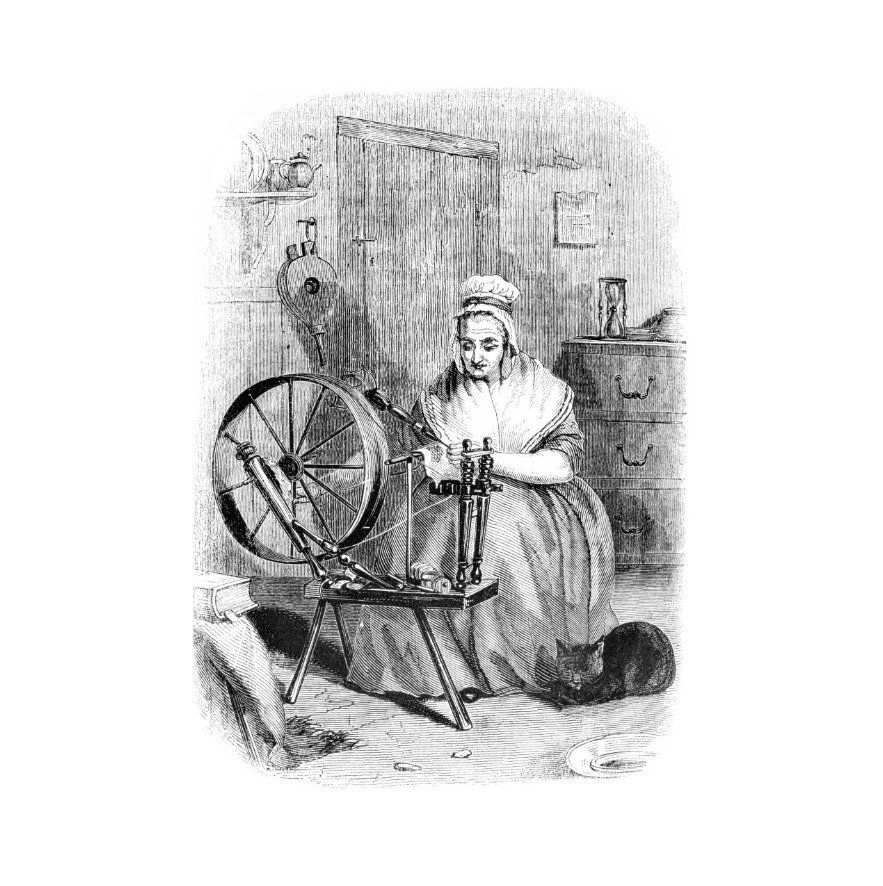
The majority of Irish people in colonial America were Ulster Presbyterians – often called ‘Scots Irish’ – descendants of Scottish settlers in the north of Ireland. As dissenters from the established Protestant Church of Ireland, they faced civil and political restrictions at home. Rising rents, along with repeated crop failures and famines, drove large numbers to cross the Atlantic from the early 1700s.
The passage typically took eight to ten weeks, often in cramped and turbulent conditions.

Many went as indentured labourers, receiving free passage in exchange for several years of unpaid work. Others, particularly Irish Catholics, were taken against their will as convicts, transported for petty crime or resisting the British crown.
Eighteenth-century Irish immigrants brought with them traditions and practices that made a lasting mark on American culture. Scots-Irish music – fiddle tunes and ballads – blended over time with African-American banjo styles to form the roots of modern bluegrass. The Scots-Irish dialect also influenced colloquial language, especially in the Appalachian region. Across the nation, their historical presence is still reflected in the names of towns, including Belfast, Derry, Antrim and Tyrone.

Many went as indentured labourers, receiving free passage in exchange for several years of unpaid work. Others, particularly Irish Catholics, were taken against their will as convicts, transported for petty crime or resisting the British crown.
Eighteenth-century Irish immigrants brought with them traditions and practices that made a lasting mark on American culture. Scots-Irish music – fiddle tunes and ballads – blended over time with African-American banjo styles to form the roots of modern bluegrass. The Scots-Irish dialect also influenced colloquial language, especially in the Appalachian region. Across the nation, their historical presence is still reflected in the names of towns, including Belfast, Derry, Antrim and Tyrone.
Frontier communities
An estimated 250,000 Scots Irish left Ireland for the American colonies between 1717 and 1775. Initially most settled in middle colonies such as Pennsylvania, where the city of Philadelphia was a major port of entry, but in time many headed west or south, following the Great Wagon Road into Virginia’s Shenandoah Valley. By the 1760s, they could be found in the Carolinas and in Georgia, and in what would become Kentucky and Tennessee.
Irish emigrants of this period were predominantly moving from rural areas of Ireland to rural parts of America, which allowed them to integrate more easily than later arrivals.
Frontier communities
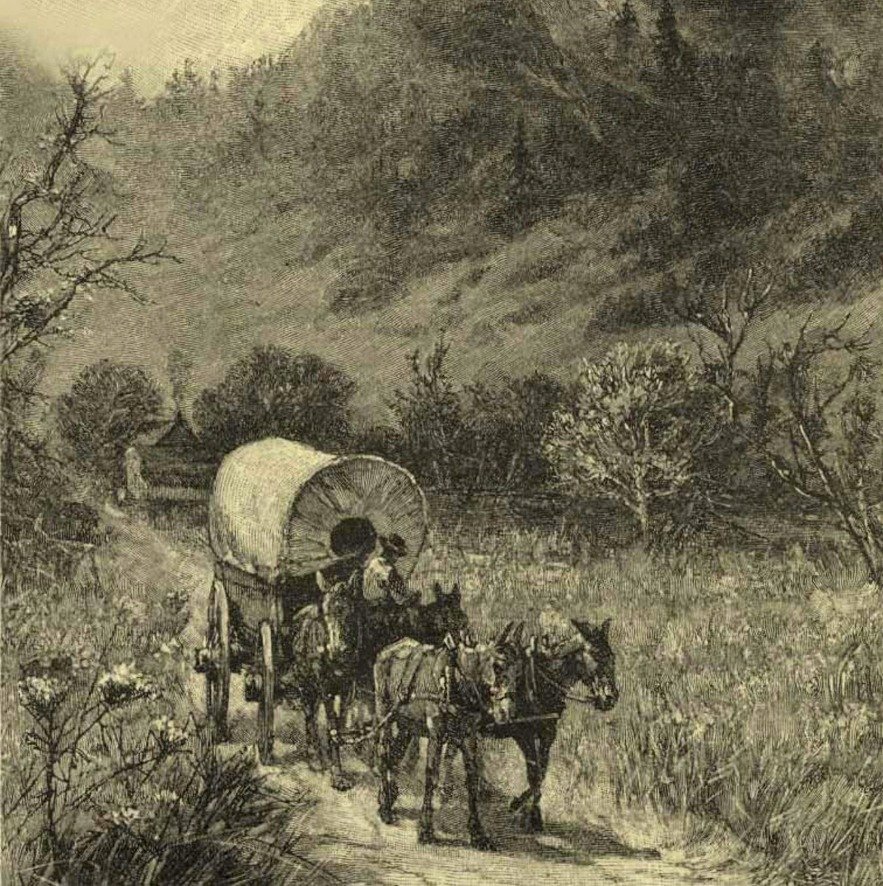
An estimated 250,000 Scots Irish left Ireland for the American colonies between 1717 and 1775. Initially most settled in middle colonies such as Pennsylvania, where the city of Philadelphia was a major port of entry, but in time many headed west or south, following the Great Wagon Road into Virginia’s Shenandoah Valley. By the 1760s, they could be found in the Carolinas and in Georgia, and in what would become Kentucky and Tennessee.
Irish emigrants of this period were predominantly moving from rural areas of Ireland to rural parts of America, which allowed them to integrate more easily than later arrivals.

However, their expansion into the frontier came at a significant cost: Irish settlers were actively involved both in enslavement on plantations and in the violent displacement of Indigenous communities.
In the Paxton massacre of 1763, for example, a group of settlers brutally murdered twenty defenceless Conestoga Native Americans in Lancaster Country, Pennsylvania.
The complex legacy of Irish migration in this period has received growing attention in recent years.

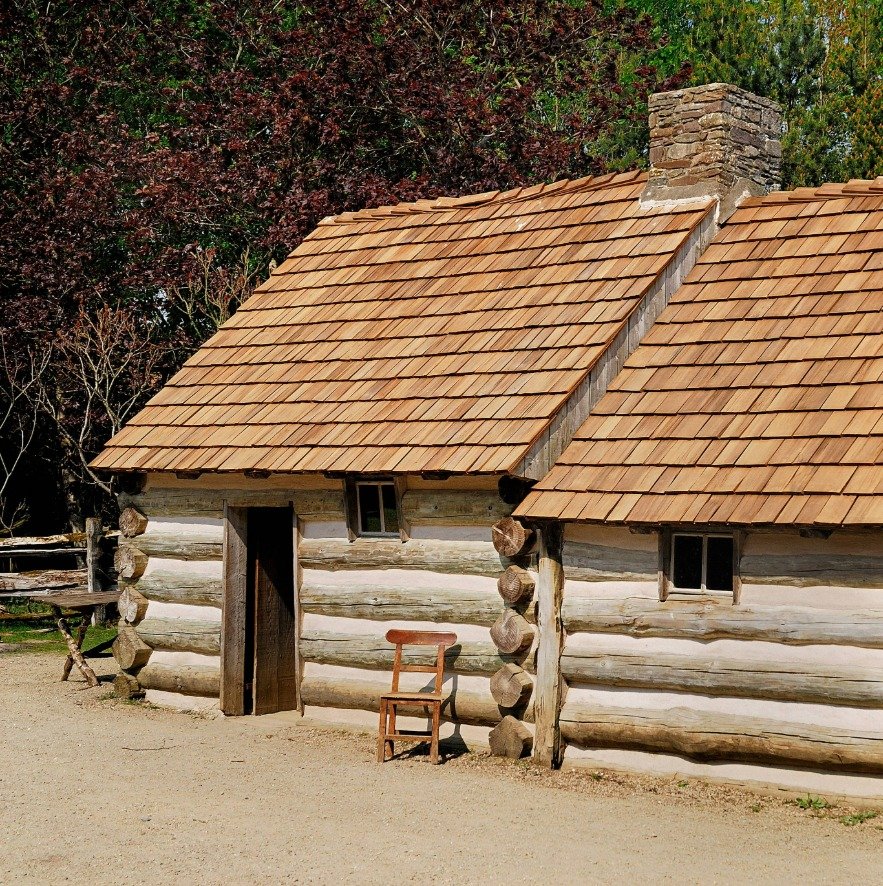
However, their expansion into the frontier came at a significant cost: Irish settlers were actively involved both in enslavement on plantations and in the violent displacement of Indigenous communities.
In the Paxton massacre of 1763, for example, a group of settlers brutally murdered twenty defenceless Conestoga Native Americans in Lancaster Country, Pennsylvania.
The complex legacy of Irish migration in this period has received growing attention in recent years.

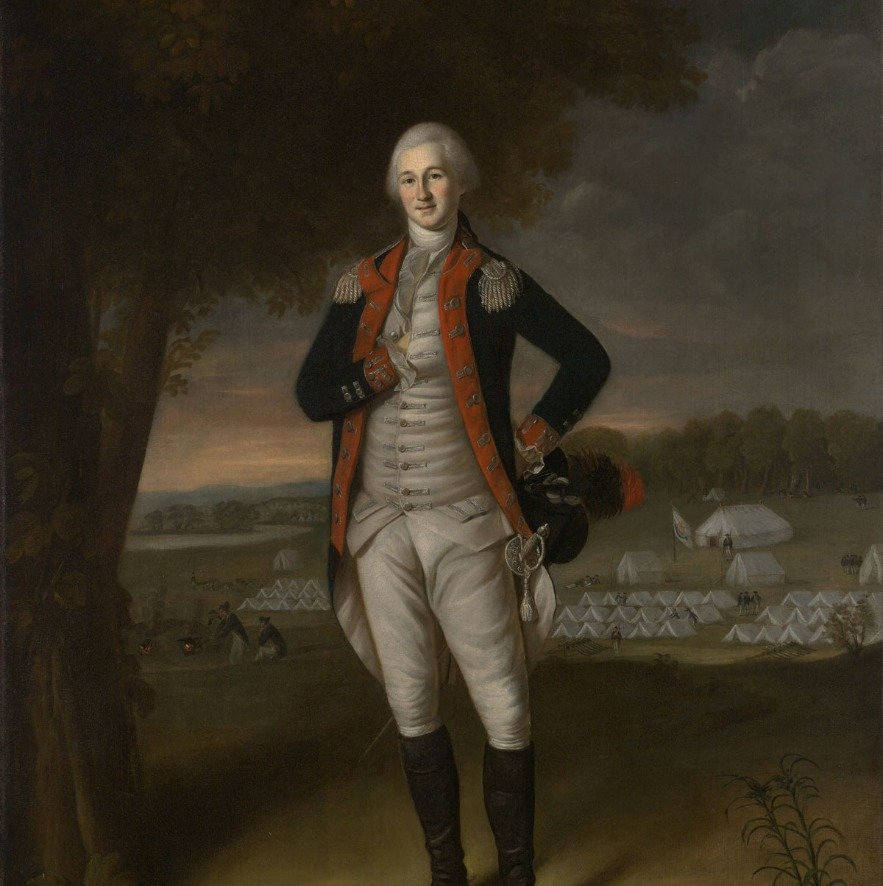
‘Our most serious antagonists’
Growing tensions between Britain and its American colonies over taxation and political representation erupted into armed conflict in April 1775. Irish immigrants rallied to the patriot cause in large numbers, many of them seeing parallels between colonial rule in Ireland and America.
Three years into the war, Henry Clinton, the British commander-in-chief in America, complained that ‘the emigrants from Ireland [are] to be looked upon as our most serious antagonists’.

‘Our most serious antagonists’
Growing tensions between Britain and its American colonies over taxation and political representation erupted into armed conflict in April 1775. Irish immigrants rallied to the patriot cause in large numbers, many of them seeing parallels between colonial rule in Ireland and America.
Three years into the war, Henry Clinton, the British commander-in-chief in America, complained that ‘the emigrants from Ireland [are] to be looked upon as our most serious antagonists’.
It has been estimated that one in four Continental Army soldiers were of Irish descent. Some were recent arrivals, while others, including Andrew Jackson, had been born in America to Irish parents.
Irish support for the American rebels was particularly strong in the middle colonies – Pennsylvania, New Jersey, Delaware and Maryland – where Irishmen comprised around 45 percent of regimental strength. At least seven companies in a battalion of Pennsylvania riflemen were almost entirely made up of Scots Irish. American general Henry Lee went as far as to refer to Pennsylvania troops as ‘the line of Ireland’.
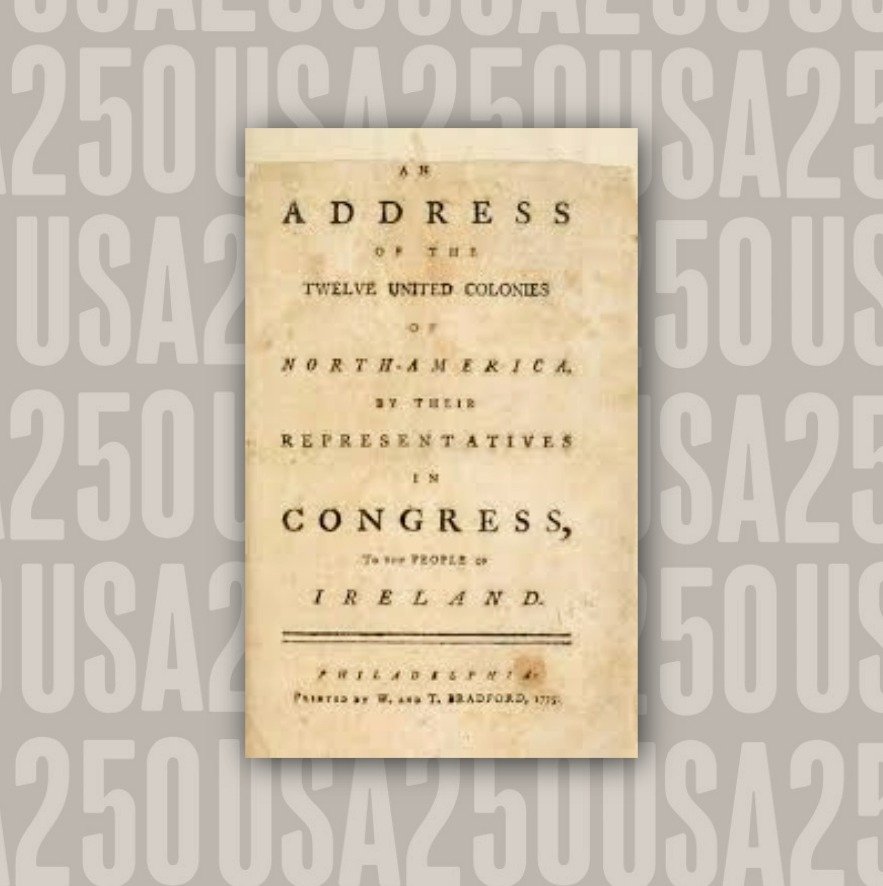
It has been estimated that one in four Continental Army soldiers were of Irish descent. Some were recent arrivals, while others, including Andrew Jackson, had been born in America to Irish parents.
Irish support for the American rebels was particularly strong in the middle colonies – Pennsylvania, New Jersey, Delaware and Maryland – where Irishmen comprised around 45 percent of regimental strength. At least seven companies in a battalion of Pennsylvania riflemen were almost entirely made up of Scots Irish. American general Henry Lee went as far as to refer to Pennsylvania troops as ‘the line of Ireland’.


Commanding the troops
The Irish contribution extended beyond rank-and-file troops to include prominent officers and generals. Stephen Moylan of Cork rose from Washington’s aide-de-camp to quartermaster-general, ending his military career as brigadier-general.
Moylan formed and commanded the 4th Regiment of Continental Light Dragoons, also known as Moylan’s Horse, which saw action at the battles of Brandywine, Germantown, Guilford and Yorktown. He was also the inaugural president of the Friendly Sons of St Patrick, a charitable organisation that held the first St Patrick’s Day celebration in Philadelphia in 1771.
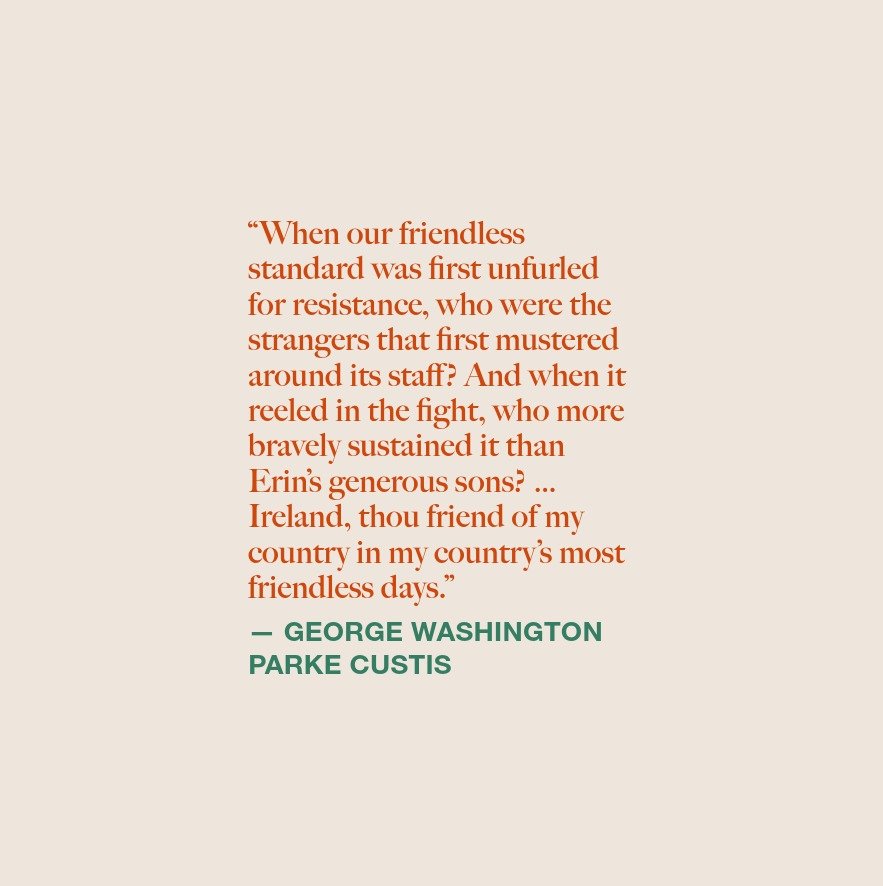
Commanding the troops
The Irish contribution extended beyond rank-and-file troops to include prominent officers and generals. Stephen Moylan of Cork rose from Washington’s aide-de-camp to quartermaster-general, ending his military career as brigadier-general.
Moylan formed and commanded the 4th Regiment of Continental Light Dragoons, also known as Moylan’s Horse, which saw action at the battles of Brandywine, Germantown, Guilford and Yorktown. He was also the inaugural president of the Friendly Sons of St Patrick, a charitable organisation that held the first St Patrick’s Day celebration in Philadelphia in 1771.

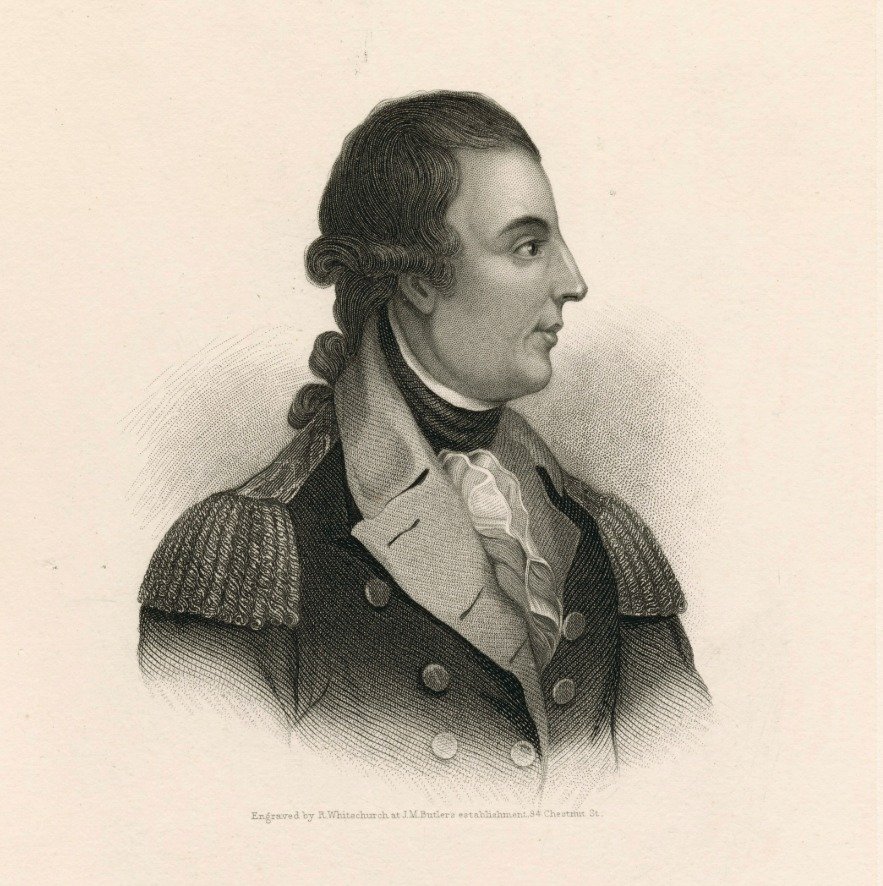
Another celebrated leader of the Continental forces was Richard Montgomery, born in Dublin. A British Army veteran of the Seven Years’ War in North America, he came to support American independence after settling in New York. Montgomery was appointed brigadier-general in June 1775 and proved his military skill during the invasion of Canada.
His troops captured the Canadian forts of Chambly and St. John’s in October and November 1775, after which they took Montreal. He was killed during the assault on Quebec in December 1775, unaware that he had been promoted to major-general.

Another celebrated leader of the Continental forces was Richard Montgomery, born in Dublin. A British Army veteran of the Seven Years’ War in North America, he came to support American independence after settling in New York. Montgomery was appointed brigadier-general in June 1775 and proved his military skill during the invasion of Canada.
His troops captured the Canadian forts of Chambly and St. John’s in October and November 1775, after which they took Montreal. He was killed during the assault on Quebec in December 1775, unaware that he had been promoted to major-general.

From cabin boy to captain
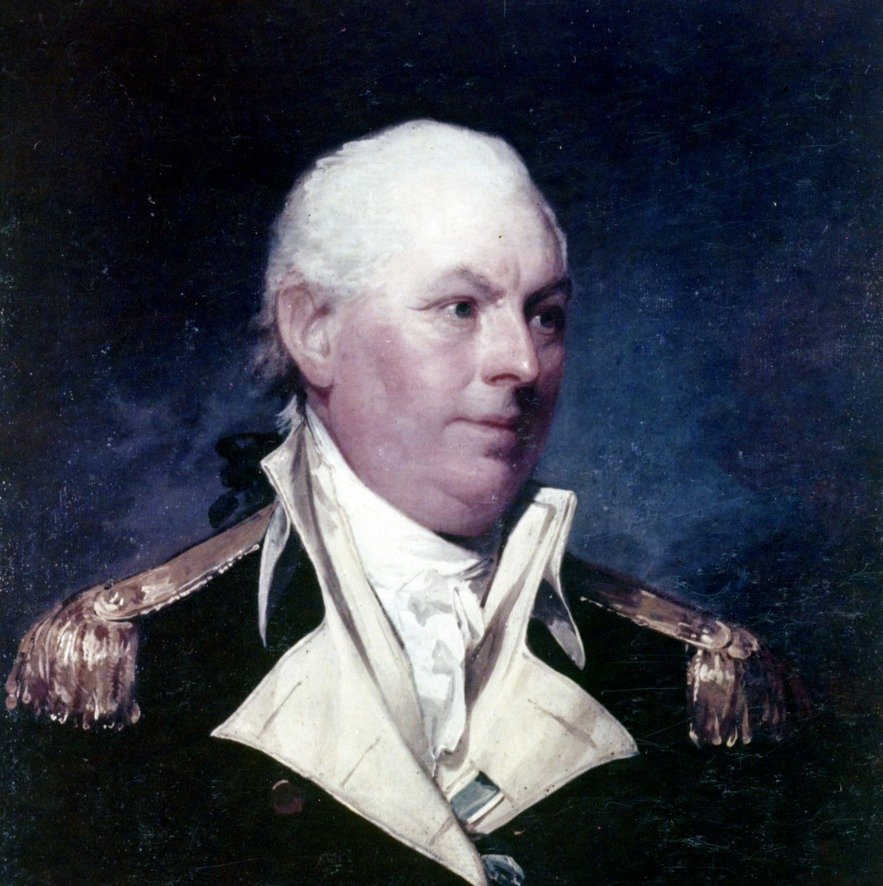
Born in 1745, John Barry was raised in modest circumstances in Wexford, on the south-east coast of Ireland. The young Barry was apprenticed as a cabin boy in 1755. By 1760, he had made his way to Philadelphia, where he was engaged as a shipmaster.
When revolution erupted in 1775, Barry offered his support to the Continental Congress and gave up command of his merchant ship, the Black Prince, which was purchased and renamed the Alfred, the first vessel in America’s new Continental Navy. He was commissioned as captain of the brig Lexington in March 1776 and shortly after achieved the war’s first American naval victory, capturing HMS Edward off the Capes of Virginia on April 7, 1776.

From cabin boy to captain
Born in 1745, John Barry was raised in modest circumstances in Wexford, on the south-east coast of Ireland. The young Barry was apprenticed as a cabin boy in 1755. By 1760, he had made his way to Philadelphia, where he was engaged as a shipmaster.
When revolution erupted in 1775, Barry offered his support to the Continental Congress and gave up command of his merchant ship, the Black Prince, which was purchased and renamed the Alfred, the first vessel in America’s new Continental Navy. He was commissioned as captain of the brig Lexington in March 1776 and shortly after achieved the war’s first American naval victory, capturing HMS Edward off the Capes of Virginia on April 7, 1776.

Revolutionary service
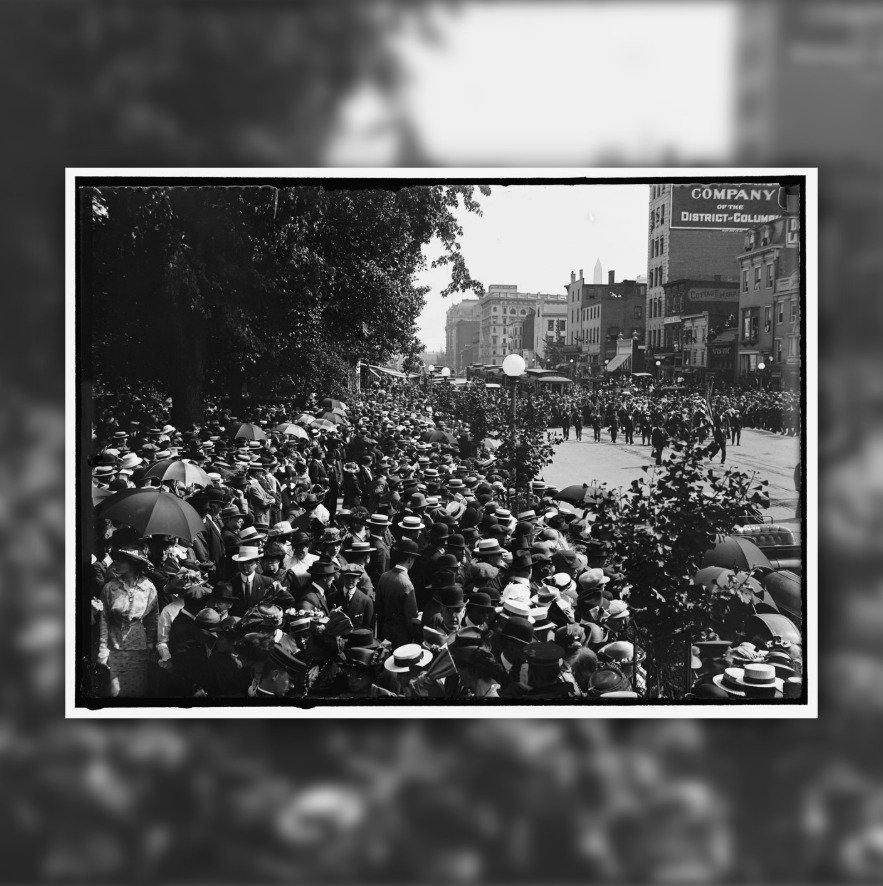
Barry was instrumental to the establishment of American naval power during the revolution, leading several critical operations. In 1778, he captured the armed schooner Alert in the Delaware River along with two vessels laden with supplies for the British Army.
His talents were recognised when he was given command of the Alliance, the Continental Navy’s most powerful ship, in 1780.
Revolutionary service
Barry was instrumental to the establishment of American naval power during the revolution, leading several critical operations. In 1778, he captured the armed schooner Alert in the Delaware River along with two vessels laden with supplies for the British Army.
His talents were recognised when he was given command of the Alliance, the Continental Navy’s most powerful ship, in 1780.


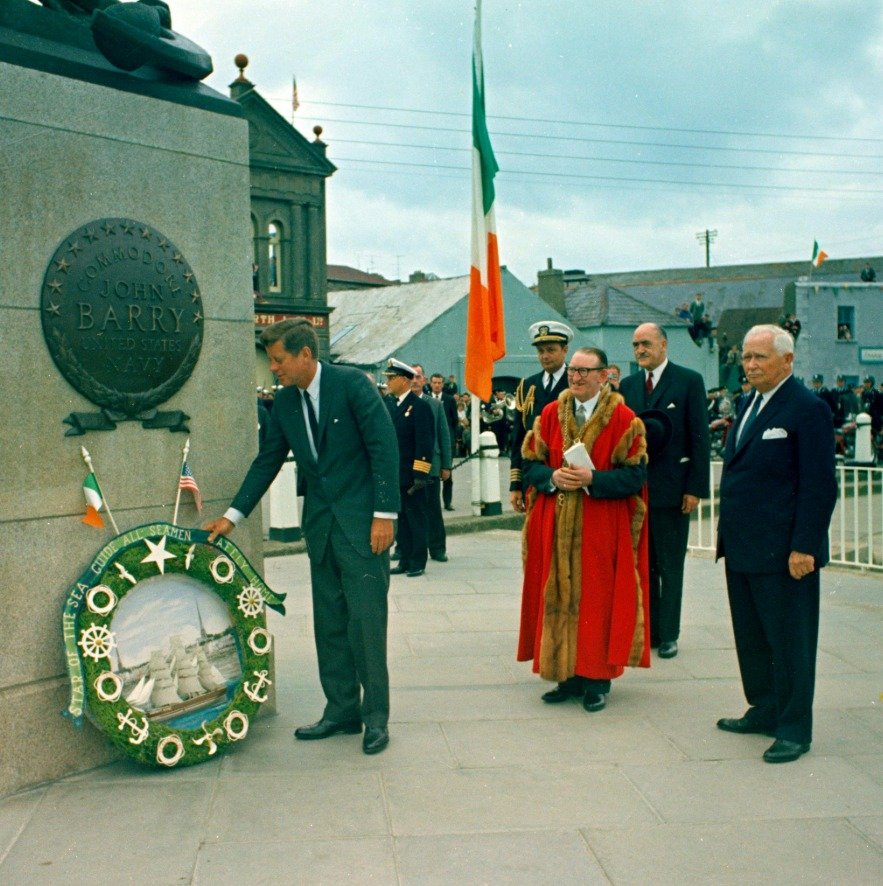
The Alliance set sail for France in 1781, carrying Colonel John Laurens, the Continental Congress’s special envoy, on a diplomatic mission. On its return trip, Barry captured two British privateers and two merchant ships, and later seized two small warships, the Atalanta and Trepassy.
He went on to fight in the war’s final naval battle in March 1783, against HMS Sybil. After the United States Navy was created in 1794, he became its first commissioned officer. Like many prominent figures of his day, he was recorded as having enslaved people.

The Alliance set sail for France in 1781, carrying Colonel John Laurens, the Continental Congress’s special envoy, on a diplomatic mission. On its return trip, Barry captured two British privateers and two merchant ships, and later seized two small warships, the Atalanta and Trepassy.
He went on to fight in the war’s final naval battle in March 1783, against HMS Sybil. After the United States Navy was created in 1794, he became its first commissioned officer. Like many prominent figures of his day, he was recorded as having enslaved people.

‘Life, liberty, pursuit of happiness’
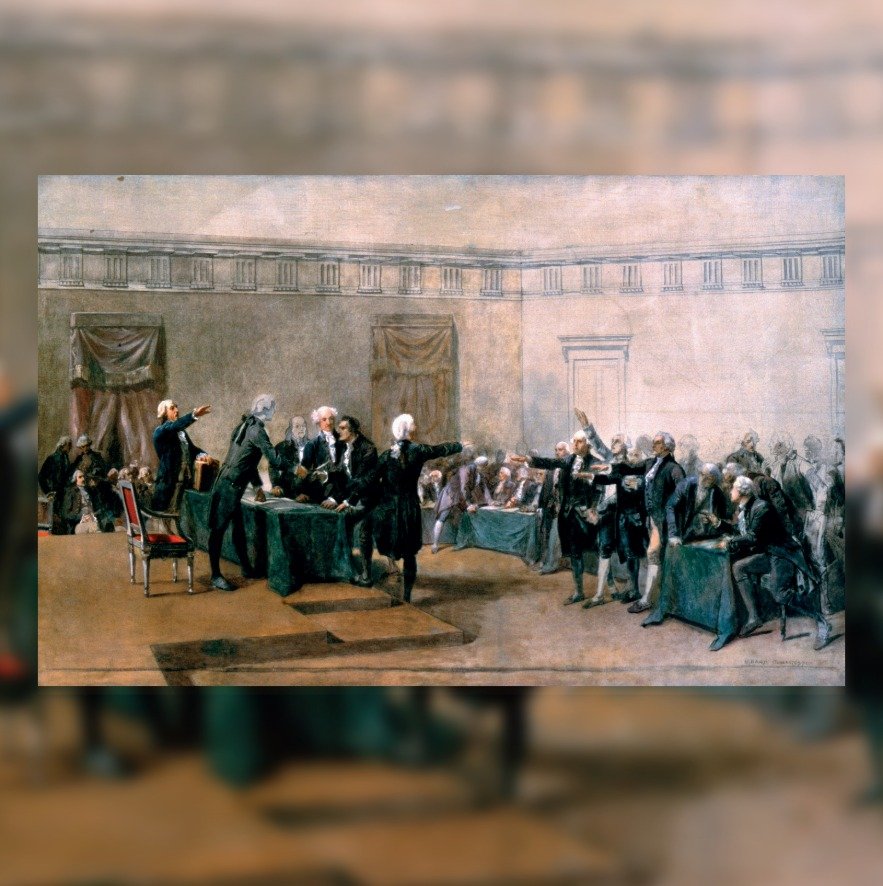
The Declaration of Independence, adopted on July 4, 1776, formally announced the American colonies’ separation from Great Britain. It articulated the philosophical justification for independence, asserting that all people possess inherent rights to ‘life, liberty and the pursuit of happiness’ and that governments derive authority from the consent of the governed.
The document was signed by 56 delegates to the Continental Congress, among them three men born in Ireland and others of Irish descent. The only Catholic signer, Charles Carroll of Carrollton, came from a prominent Irish-American family in Maryland. Carroll was one of several signers to have amassed a large fortune on the backs of enslaved people, highlighting the contradiction between the Declaration’s ideals of liberty and the realities of early American society.
‘Life, liberty, pursuit of happiness’
The Declaration of Independence, adopted on July 4, 1776, formally announced the American colonies’ separation from Great Britain. It articulated the philosophical justification for independence, asserting that all people possess inherent rights to ‘life, liberty and the pursuit of happiness’ and that governments derive authority from the consent of the governed.
The document was signed by 56 delegates to the Continental Congress, among them three men born in Ireland and others of Irish descent. The only Catholic signer, Charles Carroll of Carrollton, came from a prominent Irish-American family in Maryland. Carroll was one of several signers to have amassed a large fortune on the backs of enslaved people, highlighting the contradiction between the Declaration’s ideals of liberty and the realities of early American society.

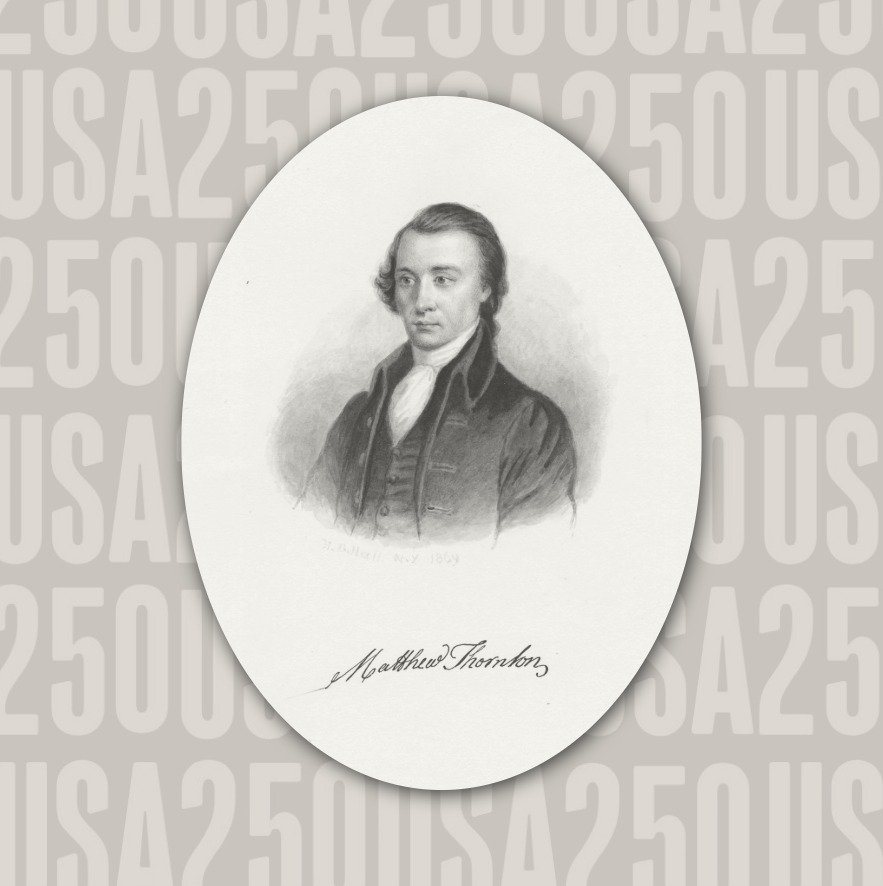
Irish-born founding fathers
Matthew Thornton of New Hampshire
Born in the north of Ireland, Thornton emigrated to America with his family in 1716. He went on to practice as a doctor in Londonderry, New Hampshire, a town founded by Ulster Scots.
Thornton was an important voice in the colony’s politics by 1775, when he condemned the ‘unconstitutional and tyrannical acts of the British parliament’ and was elected president of New Hampshire’s provincial congress.
He was appointed a delegate to the Continental Congress in September 1776, after which his signature was added to the Declaration of Independence.

Irish-born founding fathers
Matthew Thornton of New Hampshire
Born in the north of Ireland, Thornton emigrated to America with his family in 1716. He went on to practice as a doctor in Londonderry, New Hampshire, a town founded by Ulster Scots.
Thornton was an important voice in the colony’s politics by 1775, when he condemned the ‘unconstitutional and tyrannical acts of the British parliament’ and was elected president of New Hampshire’s provincial congress.
He was appointed a delegate to the Continental Congress in September 1776, after which his signature was added to the Declaration of Independence.
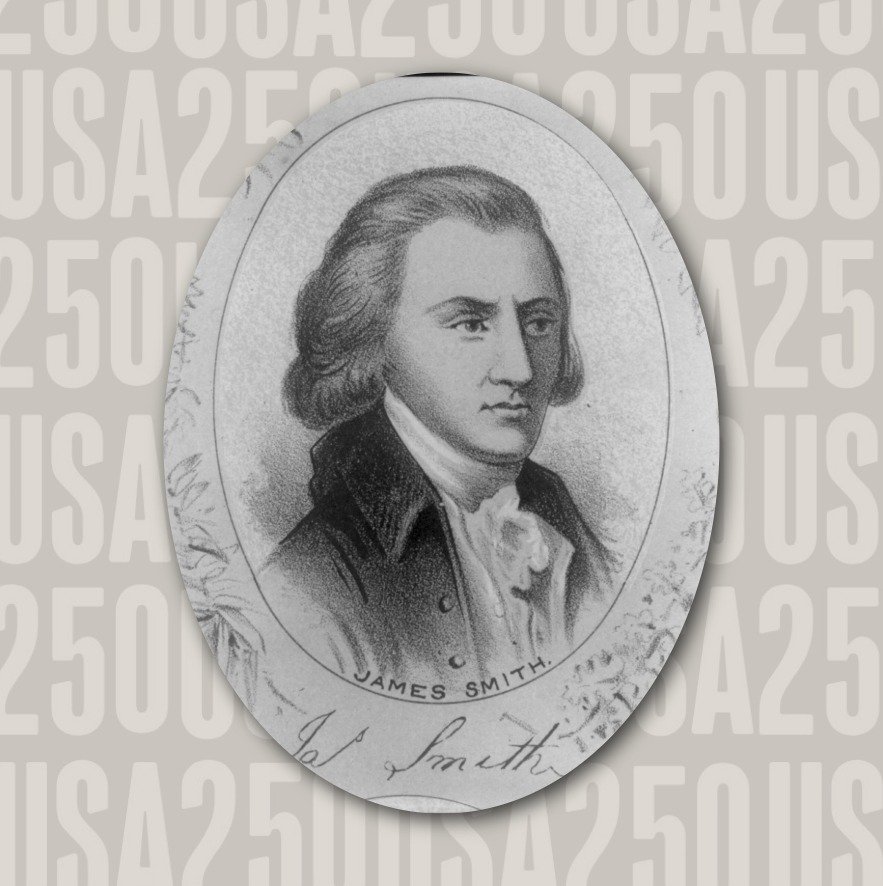
James Smith of Pennsylvania
Smith left Ireland for Pennsylvania as a boy in 1729. After receiving a classical education, he entered the legal profession and for a time was the only lawyer in York County.
Strongly critical of Britain’s control over the American colonies, he served as a delegate to Pennsylvania’s state convention in 1775 and to its constitutional convention in 1776.
He won election to the Continental Congress in July 1776, arriving in Philadelphia just in time to sign the Declaration of Independence.
James Smith of Pennsylvania
Smith left Ireland for Pennsylvania as a boy in 1729. After receiving a classical education, he entered the legal profession and for a time was the only lawyer in York County.
Strongly critical of Britain’s control over the American colonies, he served as a delegate to Pennsylvania’s state convention in 1775 and to its constitutional convention in 1776.
He won election to the Continental Congress in July 1776, arriving in Philadelphia just in time to sign the Declaration of Independence.

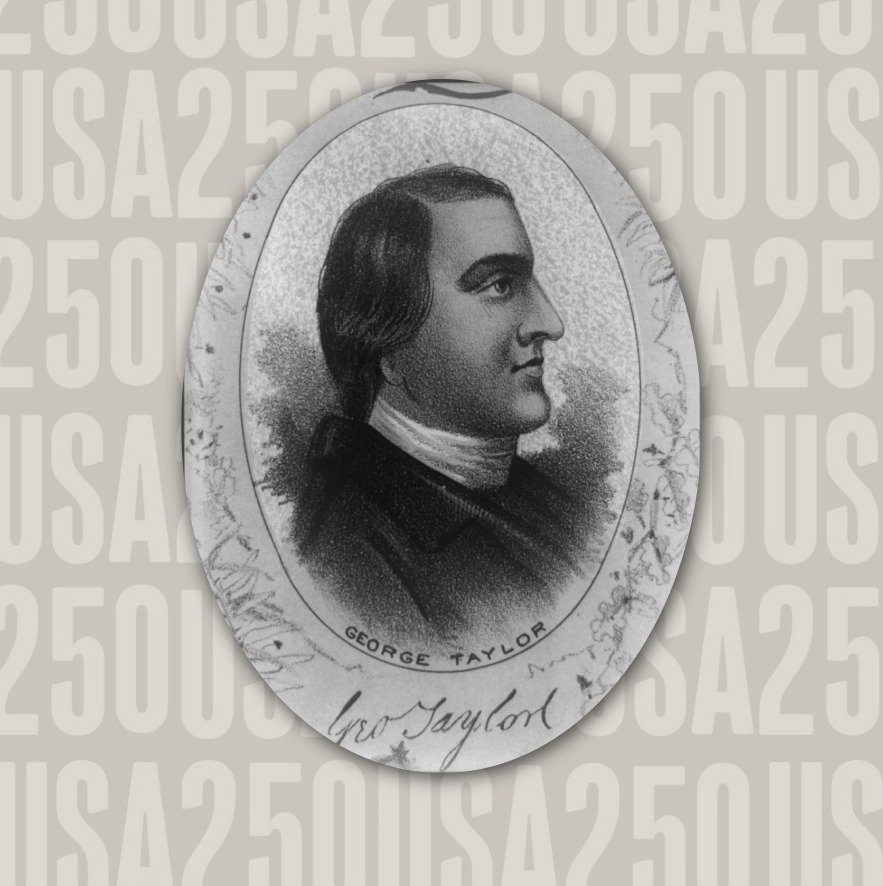
George Taylor of Pennsylvania
Taylor came to America in 1736, most likely as an indentured servant. Working at an ironworks, he rose from the position of labourer to clerk and eventually came to manage the business.
He later ran a successful furnace in Durham, Bucks County. In 1764, he became a member of Pennsylvania’s provincial assembly.
Taylor attended the Continental Congress of July 1776 in place of a Pennsylvania delegate who opposed the Declaration of Independence.

George Taylor of Pennsylvania
Taylor came to America in 1736, most likely as an indentured servant. Working at an ironworks, he rose from the position of labourer to clerk and eventually came to manage the business.
He later ran a successful furnace in Durham, Bucks County. In 1764, he became a member of Pennsylvania’s provincial assembly.
Taylor attended the Continental Congress of July 1776 in place of a Pennsylvania delegate who opposed the Declaration of Independence.


Tyrone to Philadelphia
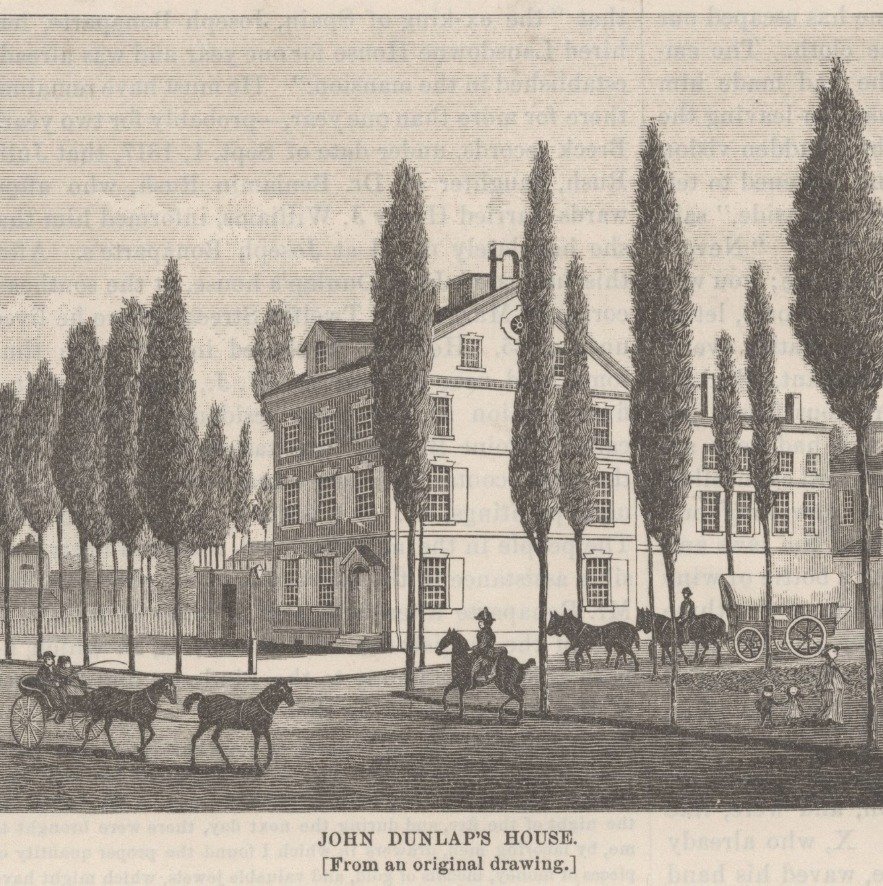
John Dunlap was born around 1747 in Strabane, Tyrone, in the north of Ireland. He was sent as a boy to Philadelphia, where he was apprenticed to an uncle who was a successful printer and bookseller.
Dunlap took over the business in 1768 and reputedly often slept on the floor of his shop as he worked to establish himself. He soon gained a reputation as a skilled and innovative printer. In 1771, he launched the Pennsylvania Packet, a weekly newspaper that became one of the first American dailies.
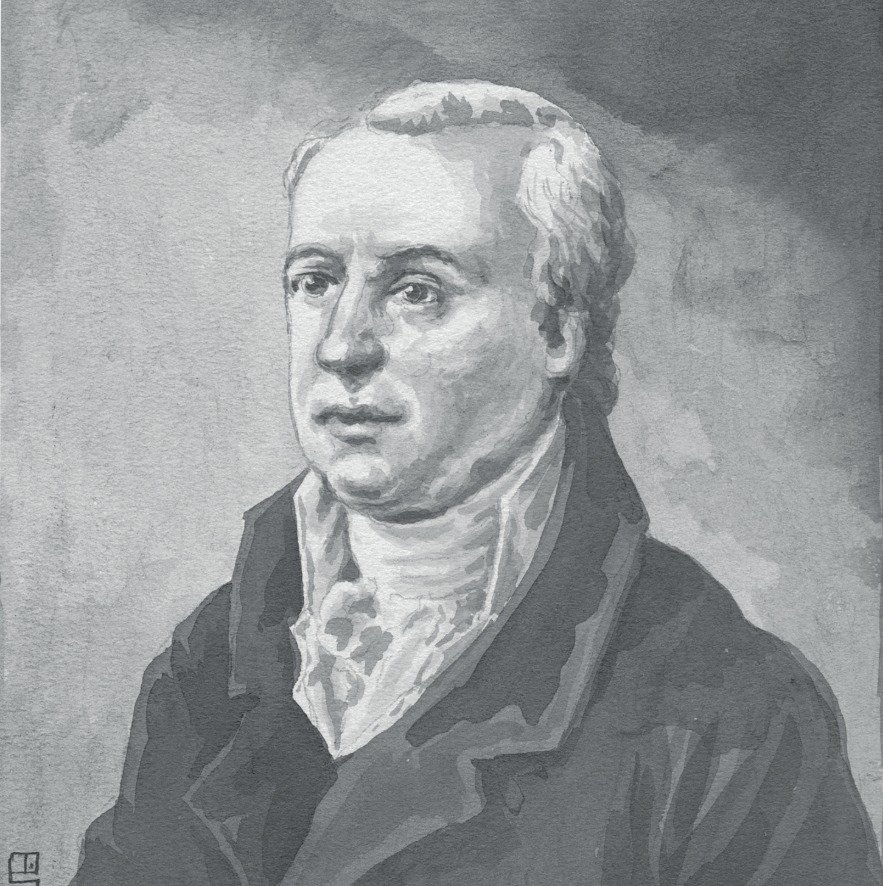
Tyrone to Philadelphia
John Dunlap was born around 1747 in Strabane, Tyrone, in the north of Ireland. He was sent as a boy to Philadelphia, where he was apprenticed to an uncle who was a successful printer and bookseller.
Dunlap took over the business in 1768 and reputedly often slept on the floor of his shop as he worked to establish himself. He soon gained a reputation as a skilled and innovative printer. In 1771, he launched the Pennsylvania Packet, a weekly newspaper that became one of the first American dailies.

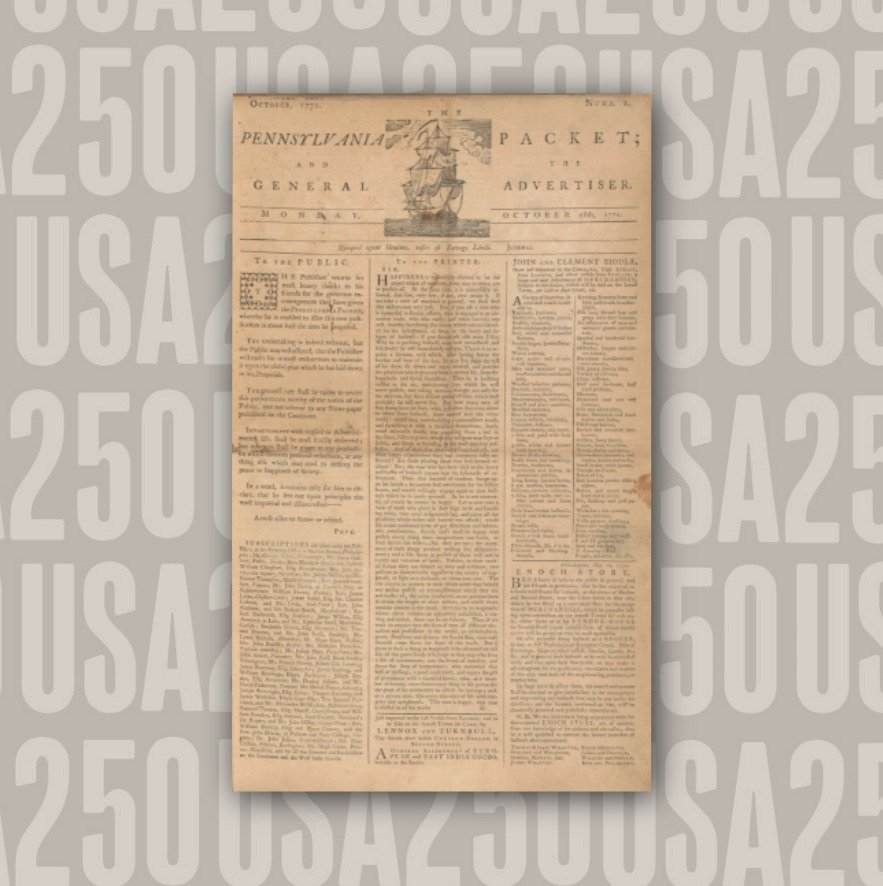
Dunlap’s press played a vital role in the circulation of revolutionary ideas, reprinting works such as Thomas Jefferson’s Summary View of the Rights of British America (1774) and acting as the official printer for the Continental Congress.
He co-founded the First Troop Philadelphia City Cavalry and went on to see active service during the American Revolution. In 1787, he and his business partner, David Claypoole, printed the constitution of the United States. He was a wealthy man by the time he died in 1812, reputedly owning 98,000 acres of land.

Dunlap’s press played a vital role in the circulation of revolutionary ideas, reprinting works such as Thomas Jefferson’s Summary View of the Rights of British America (1774) and acting as the official printer for the Continental Congress.
He co-founded the First Troop Philadelphia City Cavalry and went on to see active service during the American Revolution. In 1787, he and his business partner, David Claypoole, printed the constitution of the United States. He was a wealthy man by the time he died in 1812, reputedly owning 98,000 acres of land.

Dunlap broadside
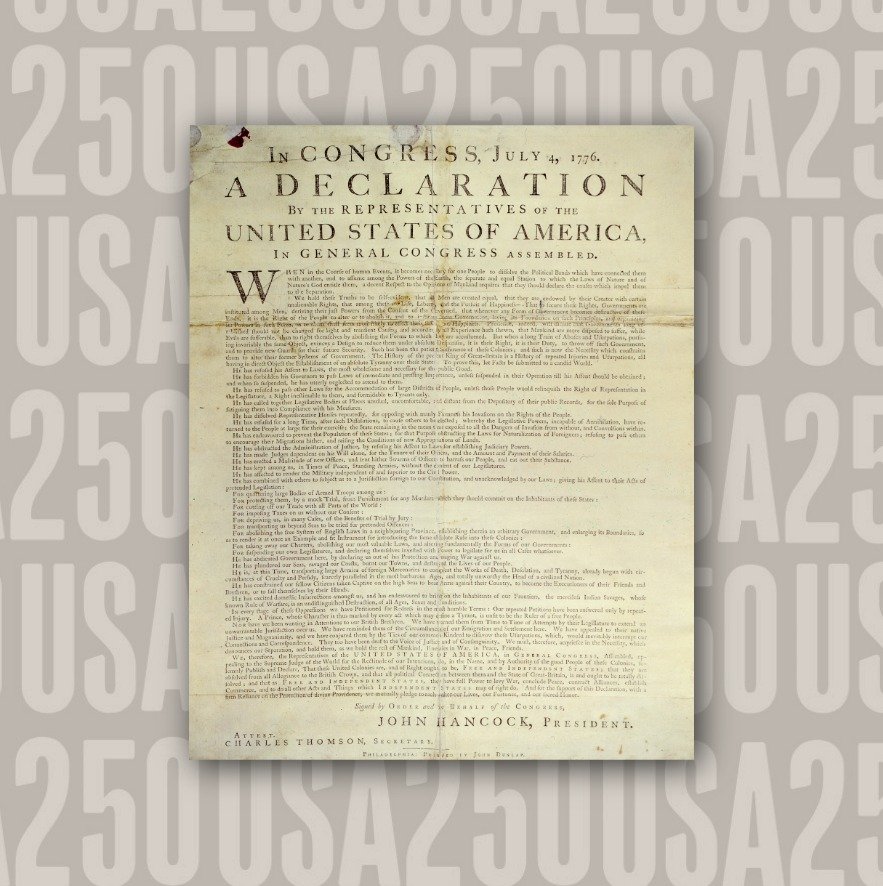
Dunlap’s most significant achievement came on the night of July 4, 1776, when he was entrusted with printing the first copies of the Declaration of Independence. Working through the night, he and his team produced around 200 broadsides, which by morning were dispatched to each of the 13 colonies and to commanders of the Continental Army, including George Washington.
Original copies of the document, known as the Dunlap broadside, are now among the most valuable historical records of the United States. Only 26 survive today.
Dunlap broadside
Dunlap’s most significant achievement came on the night of July 4, 1776, when he was entrusted with printing the first copies of the Declaration of Independence. Working through the night, he and his team produced around 200 broadsides, which by morning were dispatched to each of the 13 colonies and to commanders of the Continental Army, including George Washington.
Original copies of the document, known as the Dunlap broadside, are now among the most valuable historical records of the United States. Only 26 survive today.

He co-founded the First Troop Philadelphia City Cavalry and went on to see active service during the American Revolution.
In 1787, he and his business partner, David Claypoole, printed the constitution of the United States.
He was a wealthy man by the time he died in 1812, reputedly owning 98,000 acres of land.

He co-founded the First Troop Philadelphia City Cavalry and went on to see active service during the American Revolution.
In 1787, he and his business partner, David Claypoole, printed the constitution of the United States.
He was a wealthy man by the time he died in 1812, reputedly owning 98,000 acres of land.


Family intelligence
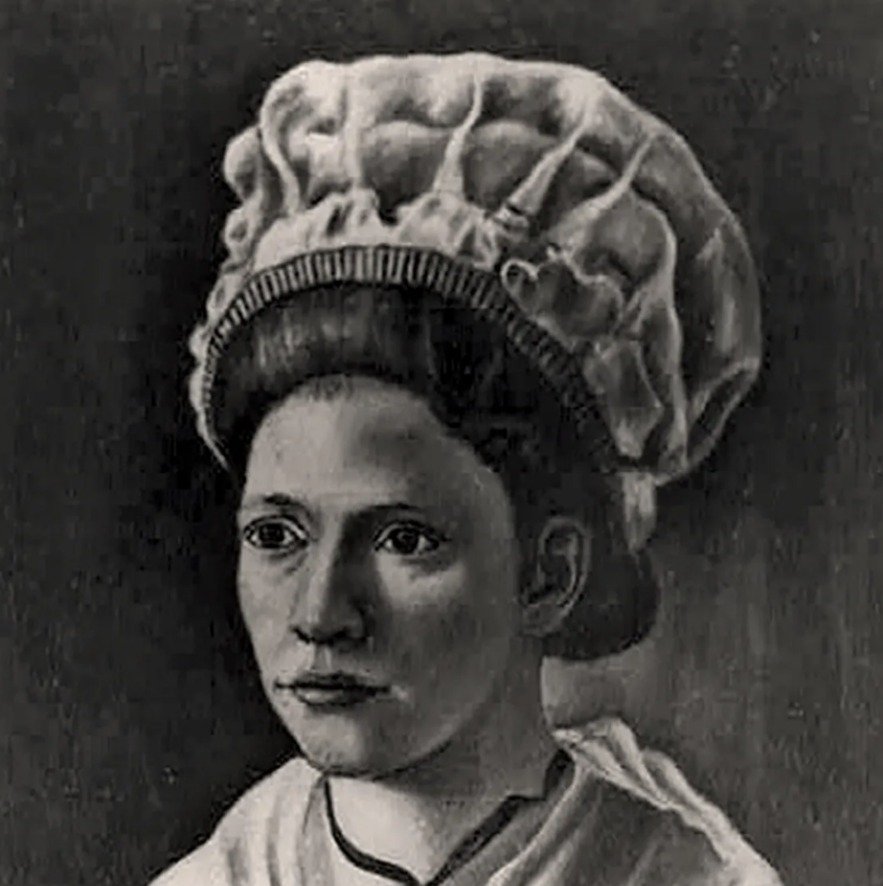
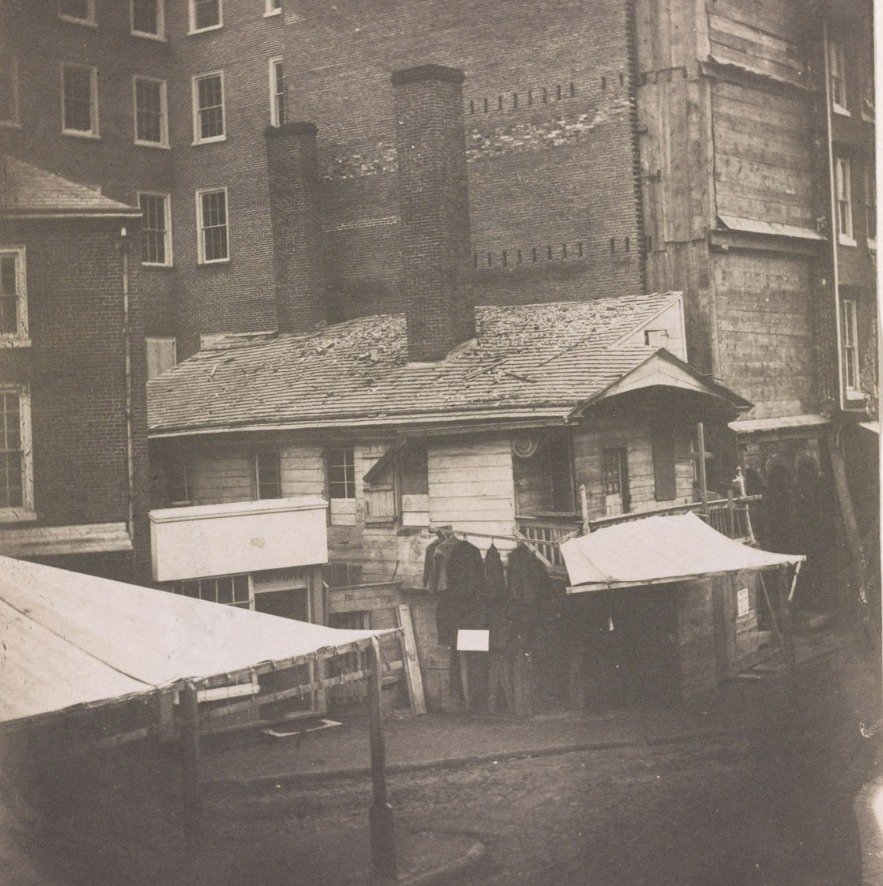
Lydia Darragh, a Dublin-born Quaker and nurse, was raising her family in Philadelphia when the American Revolution began. After British forces occupied the city in September 1777, General William Howe requisitioned a house across from their home on South Second Street for his headquarters and occasionally used the Darragh residence for meetings. Lydia was said to have eavesdropped on their discussions and relayed what she heard to her husband, William, who transcribed the information using special shorthand. According to family legend, the messages were then concealed inside cloth-covered buttons sewn onto the coat of their 14-year-old son, John. John’s young age allowed him to more easily cross British lines to American-held territory and bring the news to his older brother, Lieutenant Charles Darragh of the 2nd Pennsylvania Regiment of the Continental Army.
Family intelligence
Lydia Darragh, a Dublin-born Quaker and nurse, was raising her family in Philadelphia when the American Revolution began. After British forces occupied the city in September 1777, General William Howe requisitioned a house across from their home on South Second Street for his headquarters and occasionally used the Darragh residence for meetings. Lydia was said to have eavesdropped on their discussions and relayed what she heard to her husband, William, who transcribed the information using special shorthand. According to family legend, the messages were then concealed inside cloth-covered buttons sewn onto the coat of their 14-year-old son, John. John’s young age allowed him to more easily cross British lines to American-held territory and bring the news to his older brother, Lieutenant Charles Darragh of the 2nd Pennsylvania Regiment of the Continental Army.

Critical warning
On the night of December 2, 1777, Lydia Darragh received intelligence that would lead to her most daring act in aid of the American cause.
British officers had come to her house for a meeting and requested that the family retire early to bed so that they could speak in private.
Darragh later crept out of her room to listen in on their meeting and overheard General Howe planning a surprise attack on Washington’s forces at Whitemarsh for December 4.

Critical warning
On the night of December 2, 1777, Lydia Darragh received intelligence that would lead to her most daring act in aid of the American cause.
British officers had come to her house for a meeting and requested that the family retire early to bed so that they could speak in private.
Darragh later crept out of her room to listen in on their meeting and overheard General Howe planning a surprise attack on Washington’s forces at Whitemarsh for December 4.
Under the pretext of going to buy flour from a nearby mill, she secured a pass to leave the city and was able to pass the message to an American military officer.
The intelligence was shared with Washington, corroborating other reports. When British forces arrived at Whitemarsh on December 5, they found the Continental Army prepared and waiting. After a series of skirmishes, the British withdrew and returned to Philadelphia.
The city was finally evacuated in June 1778. Darragh lived in Philadelphia until her death in 1789.
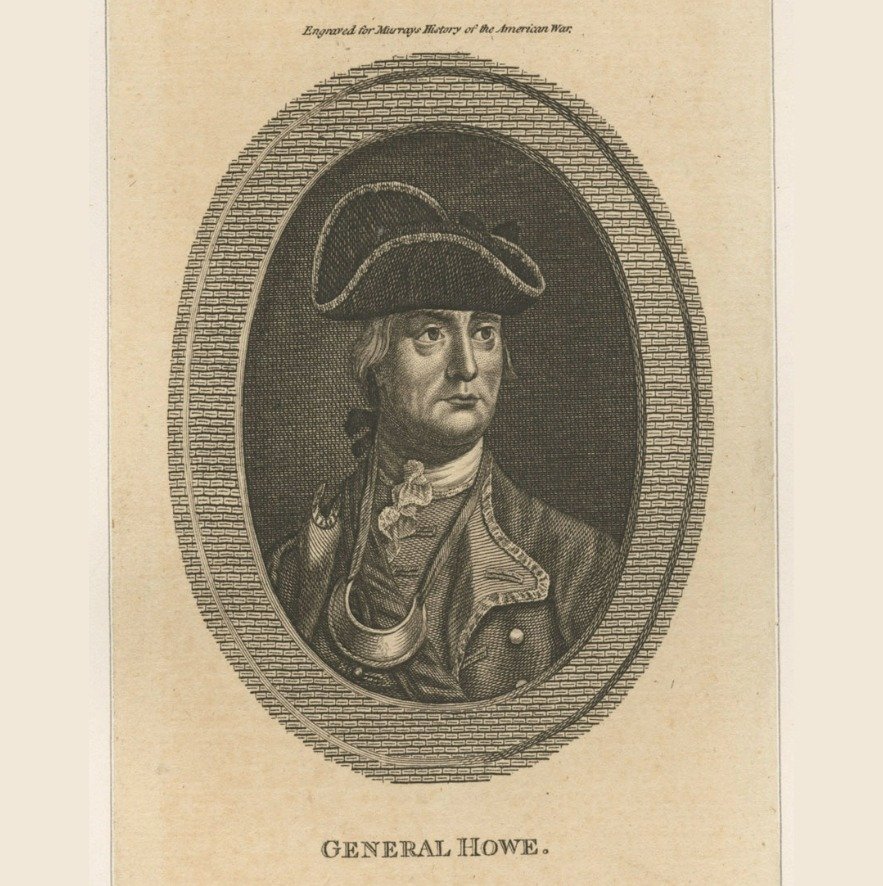
Under the pretext of going to buy flour from a nearby mill, she secured a pass to leave the city and was able to pass the message to an American military officer.
The intelligence was shared with Washington, corroborating other reports. When British forces arrived at Whitemarsh on December 5, they found the Continental Army prepared and waiting. After a series of skirmishes, the British withdrew and returned to Philadelphia.
The city was finally evacuated in June 1778. Darragh lived in Philadelphia until her death in 1789.


Entering American life
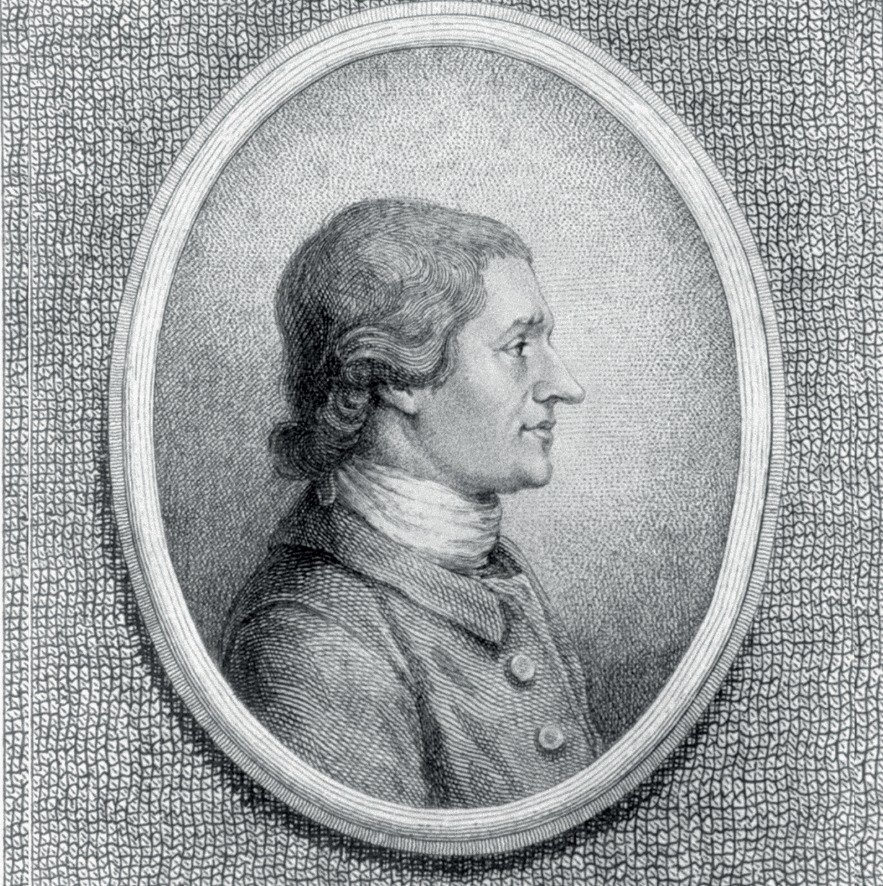
Born into a Presbyterian family in Derry in 1729, Charles Thomson emigrated to North America as a boy. His recently widowed father died during the Atlantic crossing, leaving Thomson and his brothers orphaned. On reaching Delaware, the brothers were separated.
Thomson eventually found his way to Chester County, Pennsylvania, and received a classical education at the New London Academy, established by Francis Alison from Donegal. He later became the first tutor employed by the Academy of Philadelphia, a predecessor to the University of Pennsylvania, where he taught Latin for several years.

Entering American life
Born into a Presbyterian family in Derry in 1729, Charles Thomson emigrated to North America as a boy. His recently widowed father died during the Atlantic crossing, leaving Thomson and his brothers orphaned. On reaching Delaware, the brothers were separated.
Thomson eventually found his way to Chester County, Pennsylvania, and received a classical education at the New London Academy, established by Francis Alison from Donegal. He later became the first tutor employed by the Academy of Philadelphia, a predecessor to the University of Pennsylvania, where he taught Latin for several years.
Thomson’s involvement in colonial politics began through his work as secretary to Teedyuscung, leader of the Lenape (Delaware) Native Americans, during treaty negotiations in the late 1750s.
He went on to play a leading role in Philadelphia protests against the Stamp Act of 1765, British legislation that raised new taxes on the American colonies.
Thomson’s involvement in colonial politics began through his work as secretary to Teedyuscung, leader of the Lenape (Delaware) Native Americans, during treaty negotiations in the late 1750s.
He went on to play a leading role in Philadelphia protests against the Stamp Act of 1765, British legislation that raised new taxes on the American colonies.

Revolutionary service
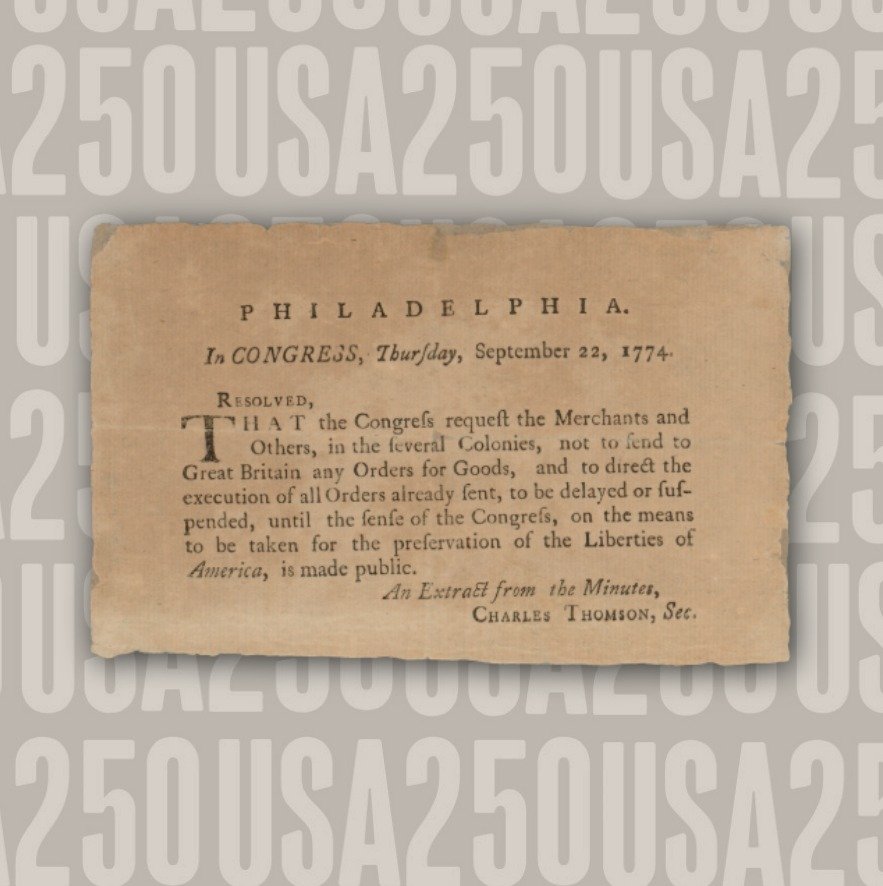
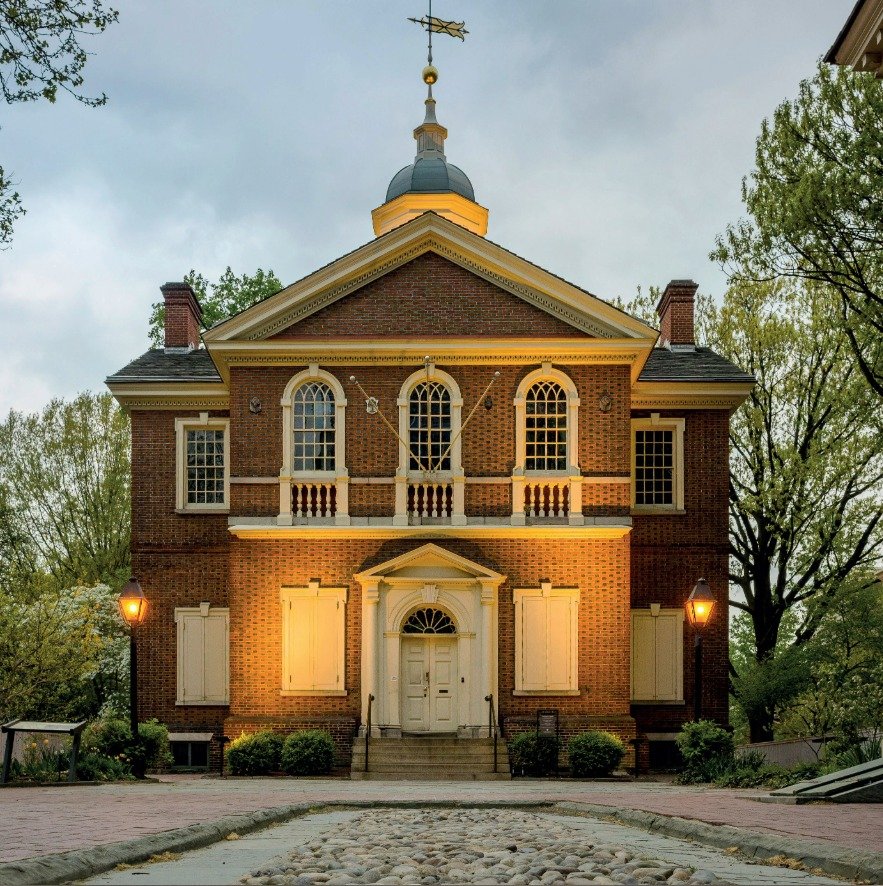
Thomson was unanimously elected secretary of the Continental Congress at its first meeting on September 5, 1774. His signature appears alongside John Hancock’s on the earliest printing of the Declaration of Independence. For 15 years, he sat among delegates, recording every resolution, motion and debate, and maintained custody of all official records. The manuscript journals of the Continental Congress that survive today are almost entirely in his handwriting.

Revolutionary service
Thomson was unanimously elected secretary of the Continental Congress at its first meeting on September 5, 1774. His signature appears alongside John Hancock’s on the earliest printing of the Declaration of Independence. For 15 years, he sat among delegates, recording every resolution, motion and debate, and maintained custody of all official records. The manuscript journals of the Continental Congress that survive today are almost entirely in his handwriting.
Thomson’s contributions extended beyond recordkeeping. He created the final approved design for the Great Seal of the United States in 1782, incorporating America's native bald eagle and the Latin motto ‘E pluribus unum’.
When George Washington was elected as the first president in 1789, Thomson personally delivered the news to Mount Vernon, his last official act before retirement.
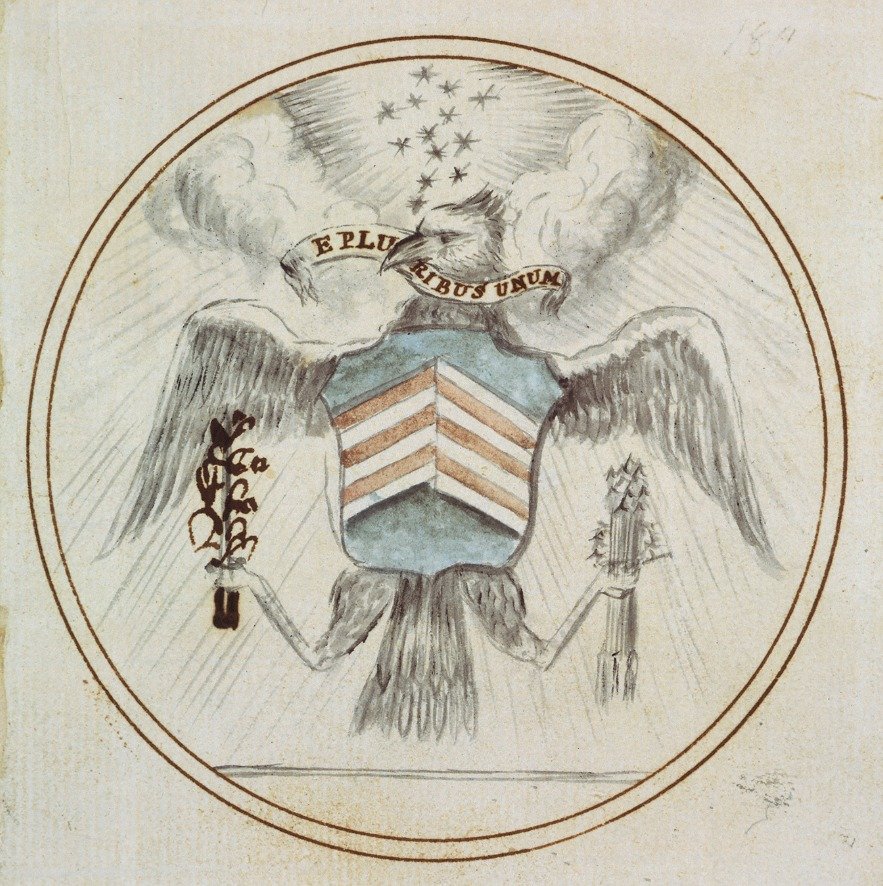
Thomson’s contributions extended beyond recordkeeping. He created the final approved design for the Great Seal of the United States in 1782, incorporating America's native bald eagle and the Latin motto ‘E pluribus unum’.
When George Washington was elected as the first president in 1789, Thomson personally delivered the news to Mount Vernon, his last official act before retirement.


American influence
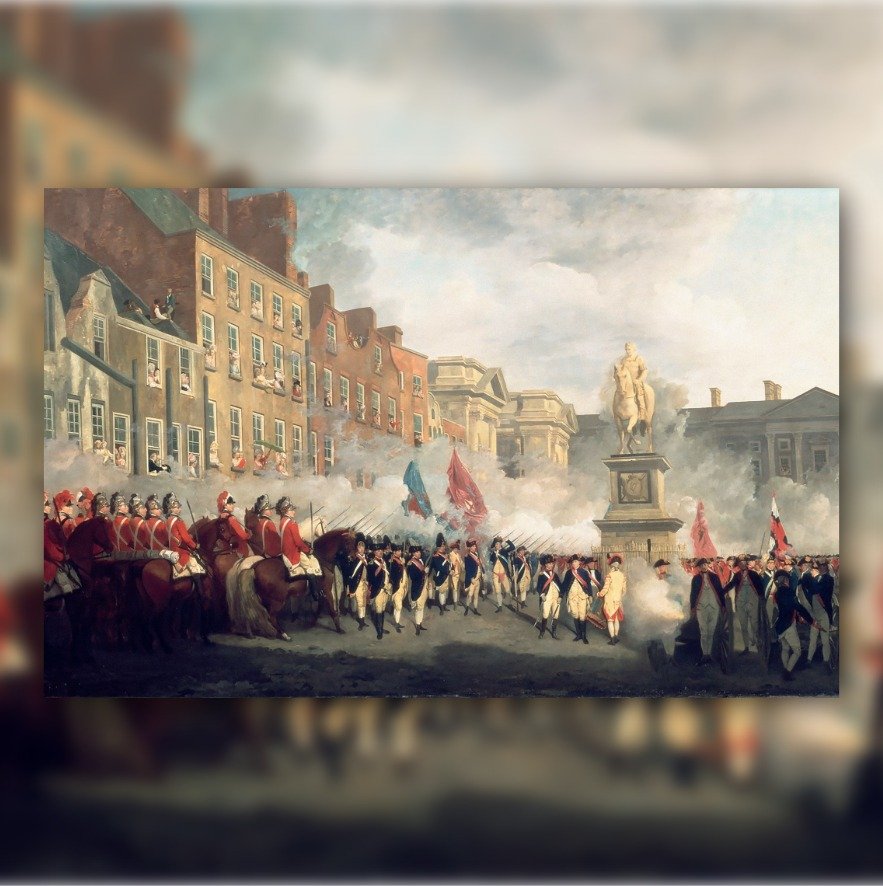
The American revolt was widely written about and debated in Ireland. Irish newspapers such as the Freeman’s Journal closely reported on the war and provided an outlet for criticism of British policy, publishing letters that highlighted the political and commercial constraints faced by both Ireland and the rebelling colonies.
Ireland had been considered a possession of the English crown since the twelfth century, and from the 1650s English legislation had restricted Irish trade with the Americas. The Declaratory Act (1719) reinforced Ireland’s subordinate status by confirming that the Parliament of Great Britain had ‘full power and authority to make laws’ on its behalf. This later provided a model for the American Colonies Act (1766).
American influence
The American revolt was widely written about and debated in Ireland. Irish newspapers such as the Freeman’s Journal closely reported on the war and provided an outlet for criticism of British policy, publishing letters that highlighted the political and commercial constraints faced by both Ireland and the rebelling colonies.
Ireland had been considered a possession of the English crown since the twelfth century, and from the 1650s English legislation had restricted Irish trade with the Americas. The Declaratory Act (1719) reinforced Ireland’s subordinate status by confirming that the Parliament of Great Britain had ‘full power and authority to make laws’ on its behalf. This later provided a model for the American Colonies Act (1766).

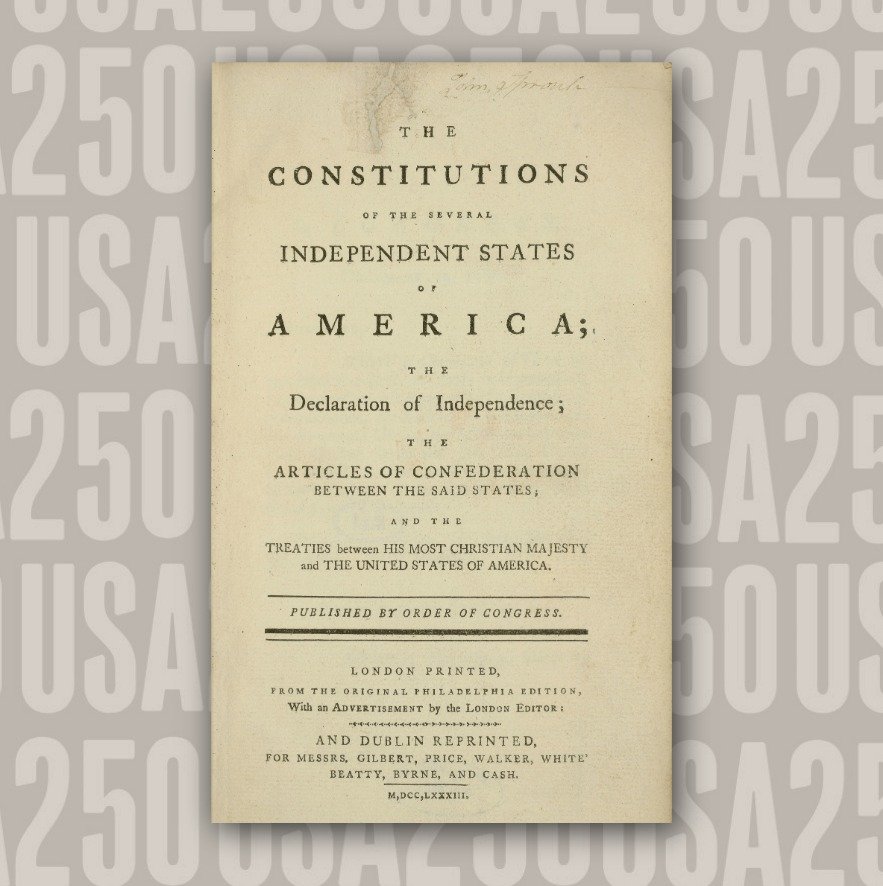
When war broke out in 1775, Irish observers recognised that the constitutional stakes extended across the Atlantic. An American defeat would assert Britain’s ability to tax its colonial possessions without their approval, undermining the Irish case for free trade. The Irish Volunteers, a militia formed from 1778 to defend Ireland while British troops fought in North America, soon evolved into a powerful force for parliamentary and economic reform.
Influenced by events in America, local associations were formed across the country to promote the boycott of British goods. Britain conceded trade reforms in 1779, and in 1782 it finally granted the Irish Parliament legislative independence.

When war broke out in 1775, Irish observers recognised that the constitutional stakes extended across the Atlantic. An American defeat would assert Britain’s ability to tax its colonial possessions without their approval, undermining the Irish case for free trade. The Irish Volunteers, a militia formed from 1778 to defend Ireland while British troops fought in North America, soon evolved into a powerful force for parliamentary and economic reform.
Influenced by events in America, local associations were formed across the country to promote the boycott of British goods. Britain conceded trade reforms in 1779, and in 1782 it finally granted the Irish Parliament legislative independence.

United Irishmen
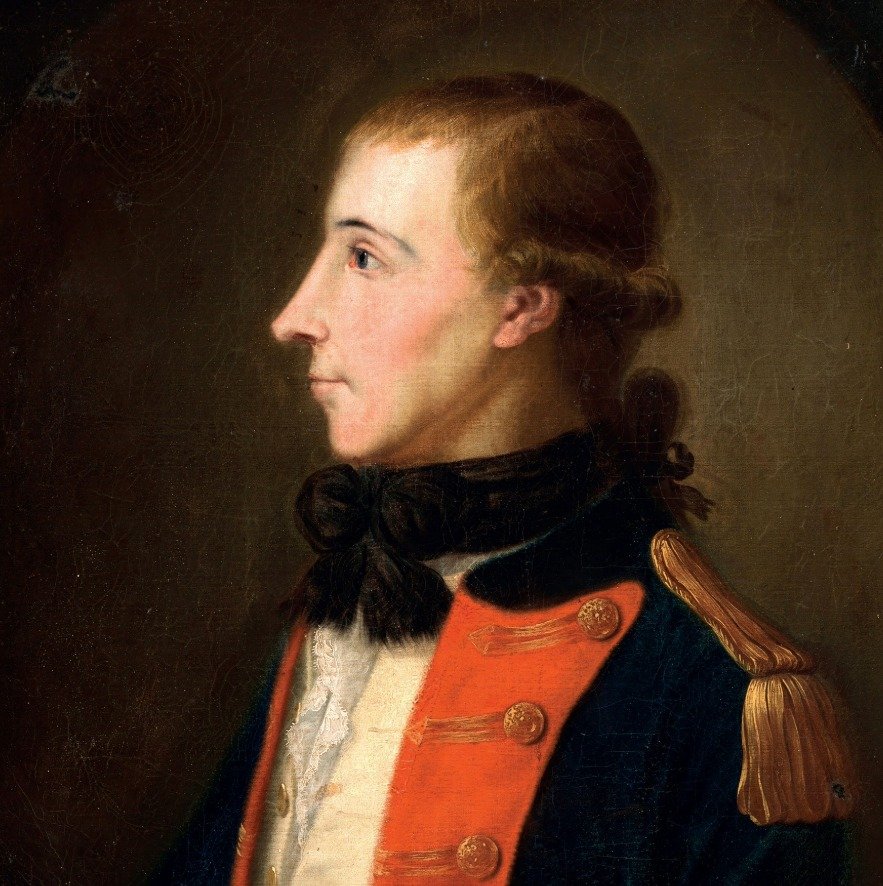
The Society of United Irishmen was founded in Belfast in 1791 by Theobald Wolfe Tone, James Napper Tandy and Thomas Russell. A nonsectarian republican movement, it sought to unite Anglican Protestants, Catholics and Presbyterians in the pursuit of Irish independence.
Wolfe Tone saw in the American example a template for transcending religious difference, pointing out that ‘Catholic and Protestant sit equally in Congress’. In 1798, the United Irishmen launched an uprising against British rule but were swiftly crushed.
United Irishmen
The Society of United Irishmen was founded in Belfast in 1791 by Theobald Wolfe Tone, James Napper Tandy and Thomas Russell. A nonsectarian republican movement, it sought to unite Anglican Protestants, Catholics and Presbyterians in the pursuit of Irish independence.
Wolfe Tone saw in the American example a template for transcending religious difference, pointing out that ‘Catholic and Protestant sit equally in Congress’. In 1798, the United Irishmen launched an uprising against British rule but were swiftly crushed.

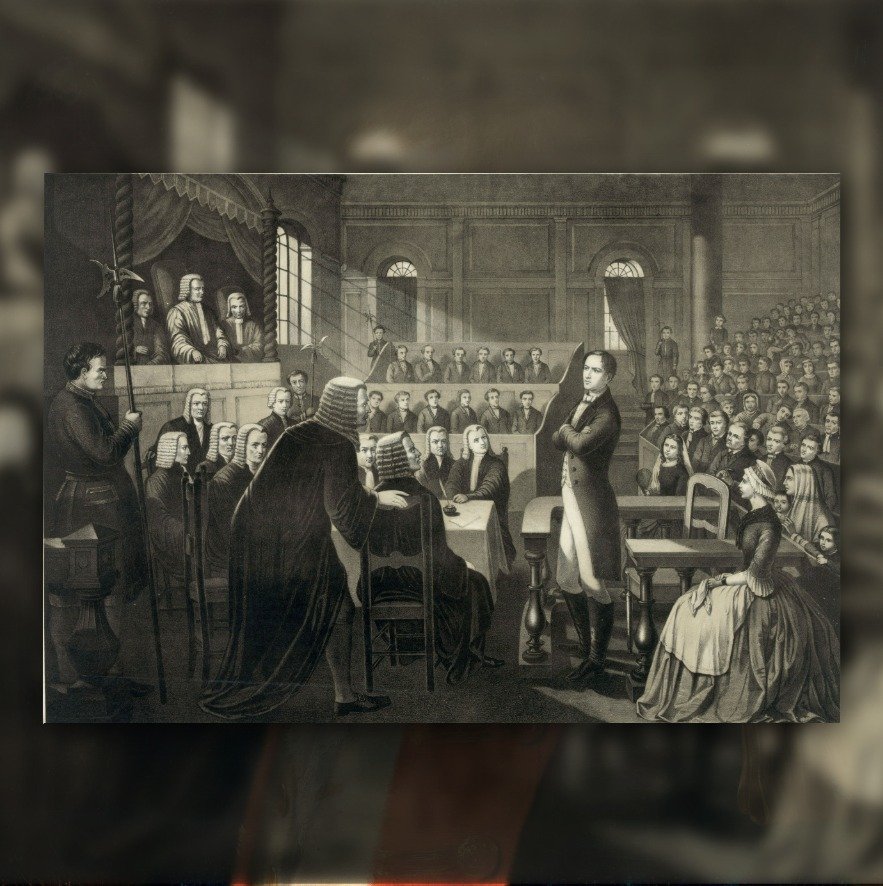
The British government responded by introducing the Act of Union (1801), which formally united the Kingdom of Ireland with the Kingdom of Great Britain, abolishing the Irish Parliament.
Many United Irishmen found exile in the United States, where they became prominent writers, newspaper editors and political leaders. The ideals of the American revolution continued to inspire Irish nationalists such as Robert Emmet, who staged an unsuccessful uprising against the British in 1803.

The British government responded by introducing the Act of Union (1801), which formally united the Kingdom of Ireland with the Kingdom of Great Britain, abolishing the Irish Parliament.
Many United Irishmen found exile in the United States, where they became prominent writers, newspaper editors and political leaders. The ideals of the American revolution continued to inspire Irish nationalists such as Robert Emmet, who staged an unsuccessful uprising against the British in 1803.

Irish soldiers and nurses
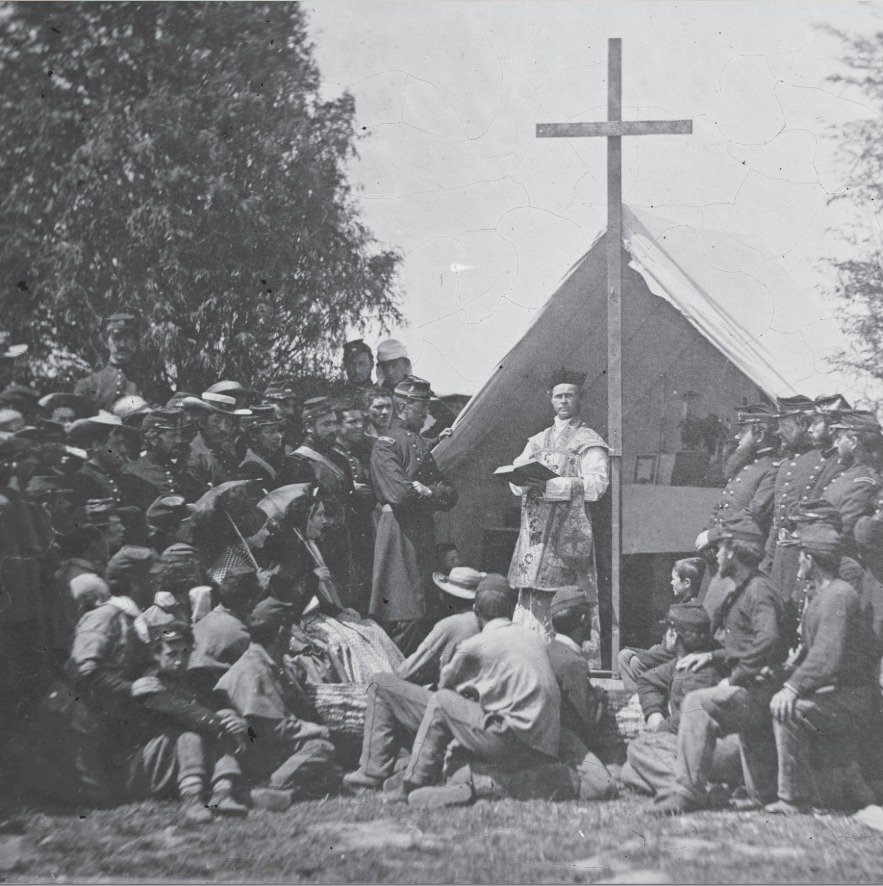
Irish immigrants and their descendants have continued to occupy a prominent place in the military life of the United States. Around 150,000 Irishmen fought with the Union Army during the Civil War (1861-1865), many of them in Irish regiments such as Thomas Francis Meagher’s Irish Brigade and the Chicago Irish Brigade, commanded by Colonel James Mulligan.
At least 146 Irish-born men were awarded the Medal of Honor during the conflict. Religious sisters, including hundreds of Irish Catholic nuns, also tended to the wounded and dying in battlefield hospitals.
Irish soldiers and nurses
Irish immigrants and their descendants have continued to occupy a prominent place in the military life of the United States. Around 150,000 Irishmen fought with the Union Army during the Civil War (1861-1865), many of them in Irish regiments such as Thomas Francis Meagher’s Irish Brigade and the Chicago Irish Brigade, commanded by Colonel James Mulligan.
At least 146 Irish-born men were awarded the Medal of Honor during the conflict. Religious sisters, including hundreds of Irish Catholic nuns, also tended to the wounded and dying in battlefield hospitals.

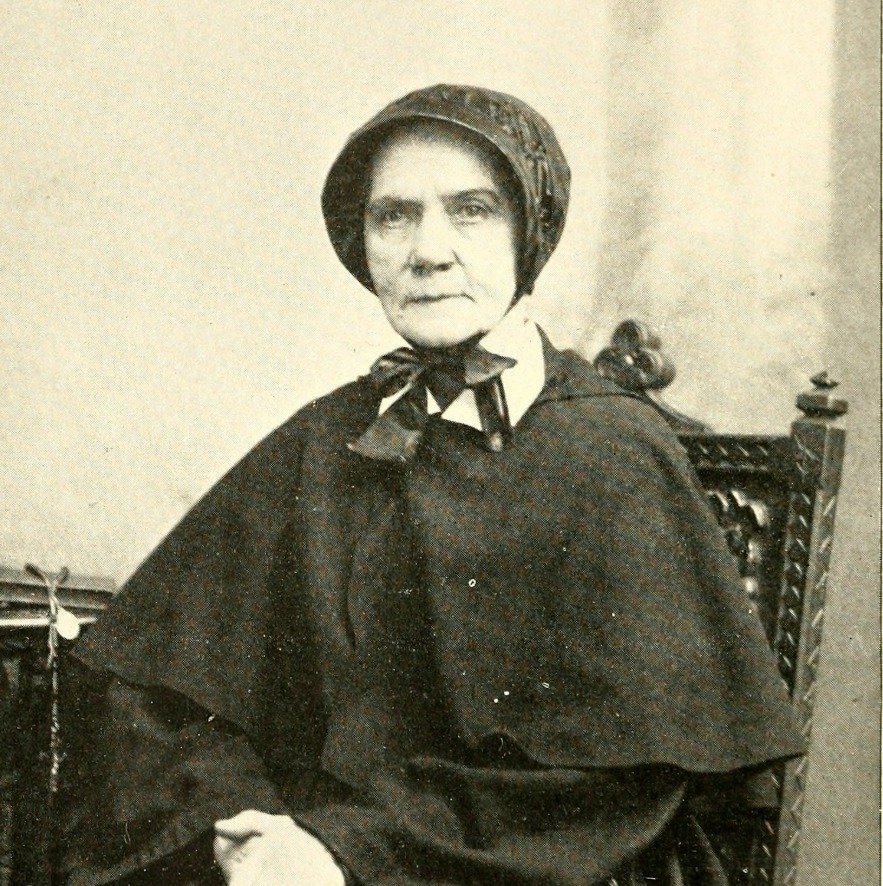
One such nurse was Limerick-born Mary O'Connell, or Sister Anthony, of the Sisters of Charity of Cincinnati, who developed pioneering triage techniques for the treatment of soldiers.
This tradition of service continued into the 20th century, with thousands of Irish-Americans distinguishing themselves in the Allied forces during World War II.
Pearse Edmund ‘Ed’ Ryan, from Dublin, a sergeant in the US Army Rangers, was among those to land in Normandy on D-Day, while Irish-American Bob Murphy, of the 82nd Airborne Division, was one of the first US paratroopers on the ground.

One such nurse was Limerick-born Mary O'Connell, or Sister Anthony, of the Sisters of Charity of Cincinnati, who developed pioneering triage techniques for the treatment of soldiers.
This tradition of service continued into the 20th century, with thousands of Irish-Americans distinguishing themselves in the Allied forces during World War II.
Pearse Edmund ‘Ed’ Ryan, from Dublin, a sergeant in the US Army Rangers, was among those to land in Normandy on D-Day, while Irish-American Bob Murphy, of the 82nd Airborne Division, was one of the first US paratroopers on the ground.

Fighting fire
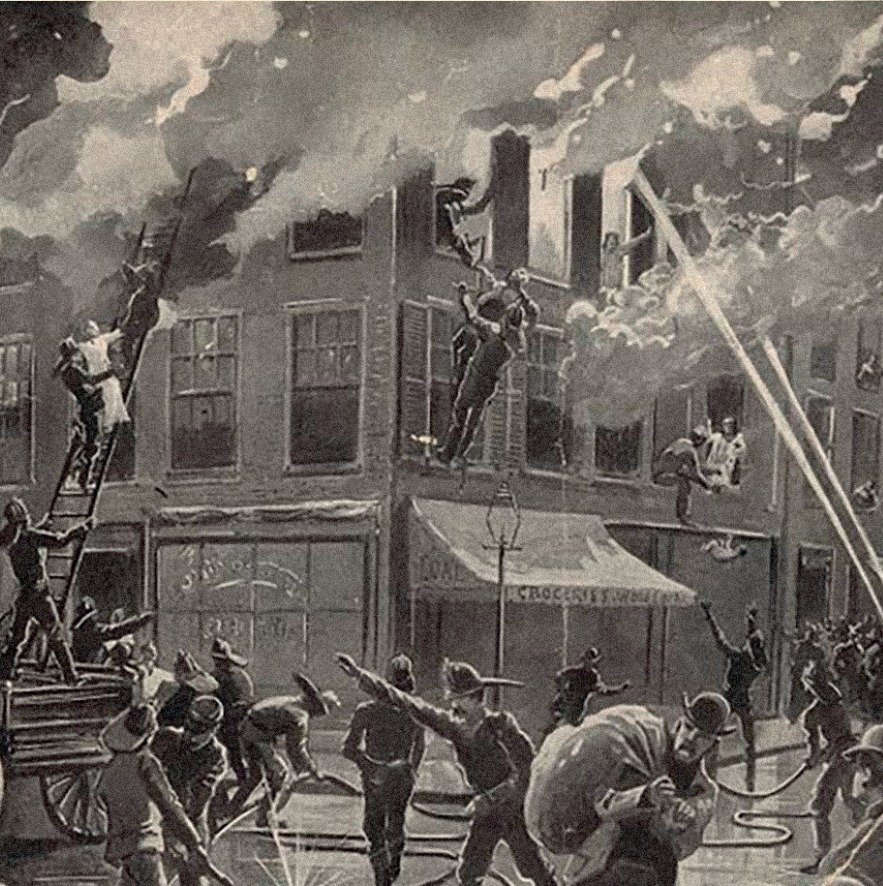
The Irish have been instrumental, too, in public institutions across the nation, from police and fire departments to state and federal government. Fire was a constant risk in nineteenth-century US cities, where tenement buildings were typically built from cheap, combustible materials.
Irishmen joined volunteer fire companies in large numbers and came to dominate the profession in several cities when firefighting became a paid, full-time occupation. It has been estimated that more than a quarter of firemen in the New York City Fire Department (FDNY) in 1888 were born in Ireland.
Fighting fire
The Irish have been instrumental, too, in public institutions across the nation, from police and fire departments to state and federal government. Fire was a constant risk in nineteenth-century US cities, where tenement buildings were typically built from cheap, combustible materials.
Irishmen joined volunteer fire companies in large numbers and came to dominate the profession in several cities when firefighting became a paid, full-time occupation. It has been estimated that more than a quarter of firemen in the New York City Fire Department (FDNY) in 1888 were born in Ireland.

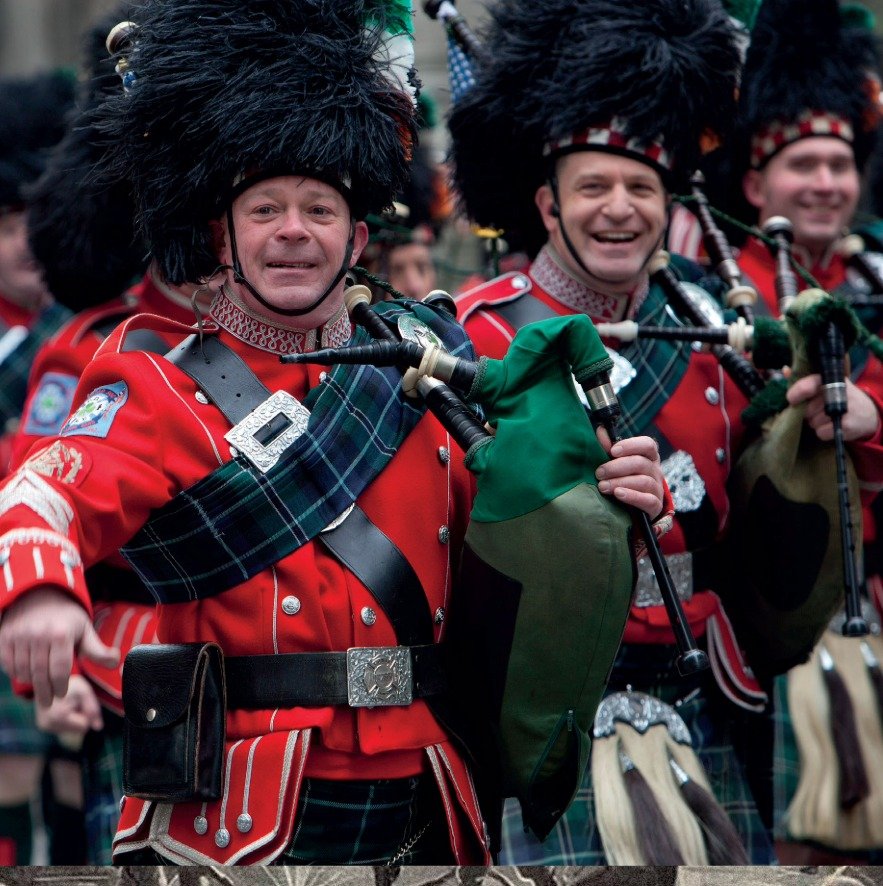
Many Irish-American firefighters have lost their lives in the course of their work, including in the attacks of 9/11. Among the firefighters killed that day was 26-year-old Seán Tallon, born to Irish immigrant parents in the Bronx.
A memorial in Tallon’s honour can be found in Ireland’s Donadea Forest Park, close to where his father grew up.
The FDNY’s Irish heritage is commemorated today by its Emerald Society, a fraternal organisation with thousands of members.

Many Irish-American firefighters have lost their lives in the course of their work, including in the attacks of 9/11. Among the firefighters killed that day was 26-year-old Seán Tallon, born to Irish immigrant parents in the Bronx.
A memorial in Tallon’s honour can be found in Ireland’s Donadea Forest Park, close to where his father grew up.
The FDNY’s Irish heritage is commemorated today by its Emerald Society, a fraternal organisation with thousands of members.

Famine exodus
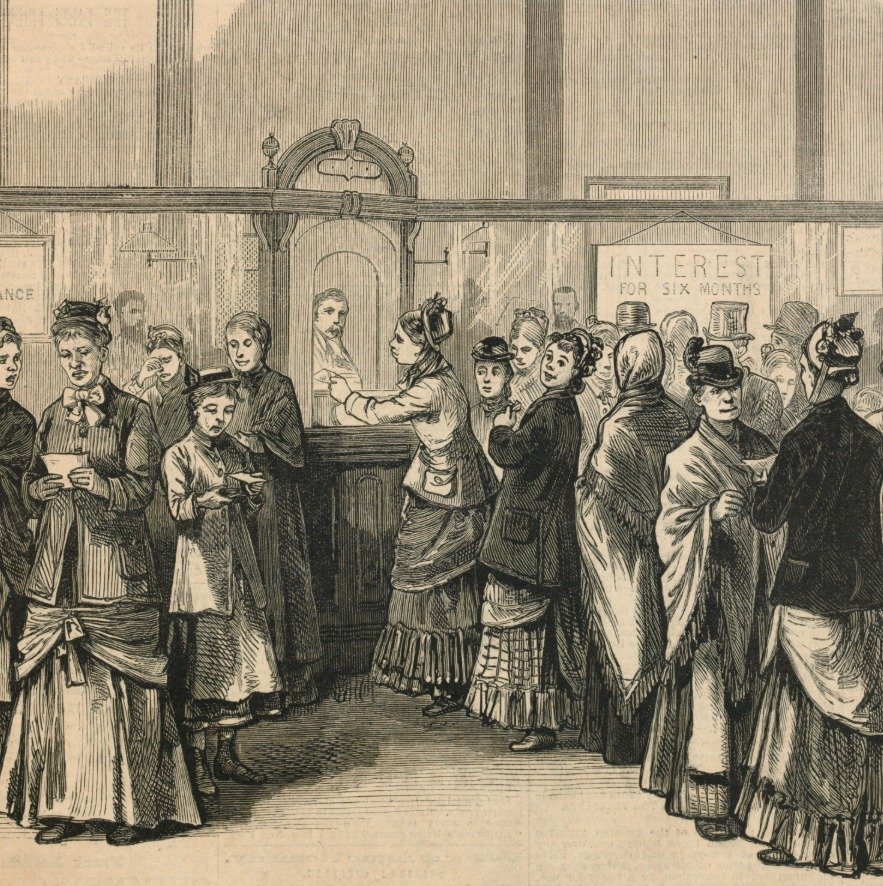
The US provided refuge and opportunity to generations of Irish emigrants. No event accelerated this movement more dramatically than the Great Famine (1845-1852), when potato blight destroyed Ireland’s staple crop. An estimated 1.8 million Irish poured into North American ports in the decade after 1845, settling primarily in New York, Boston and Philadelphia. Largely Catholic, they came from poorer, more rural backgrounds than earlier Irish arrivals.
Irish people continued to cross the Atlantic in large numbers throughout the late 19th and early 20th century. Between 1876 and 1920, 84% of Irish emigrants went to the US. Chain migration was common, with established immigrants sending passage money home to relatives. Many faced hardship and prejudice, but their determination to overcome poverty laid the groundwork for future advancement, and their children and grandchildren achieved greater economic security.
By the turn of the 20th century, second-generation Irish women comprised around 10% of all female teachers in the US, rising to a third in New York and Chicago.

After Irish independence
Irish migration to America declined after the introduction of US immigration restrictions in the 1920s and the onset of the Great Depression. Although Britain became a more popular destination, many Irish still crossed the Atlantic in search of opportunity. More than 100,000 undocumented Irish immigrants are thought to have entered the US in the 1980s alone.
The Donnelly visa programme, spearheaded by Congressman Brian Donnelly, and the Morrison visas, named after Congressman Bruce Morrison, allowed tens of thousands of Irish to legally move to the US in the late 1980s and early 1990s, providing a path to American citizenship. By the late 20th century, Ireland’s improving economy caused emigration levels to fall dramatically and drew many emigrants back home.

After Irish independence
Irish migration to America declined after the introduction of US immigration restrictions in the 1920s and the onset of the Great Depression. Although Britain became a more popular destination, many Irish still crossed the Atlantic in search of opportunity. More than 100,000 undocumented Irish immigrants are thought to have entered the US in the 1980s alone.
The Donnelly visa programme, spearheaded by Congressman Brian Donnelly, and the Morrison visas, named after Congressman Bruce Morrison, allowed tens of thousands of Irish to legally move to the US in the late 1980s and early 1990s, providing a path to American citizenship. By the late 20th century, Ireland’s improving economy caused emigration levels to fall dramatically and drew many emigrants back home.
Did you know?
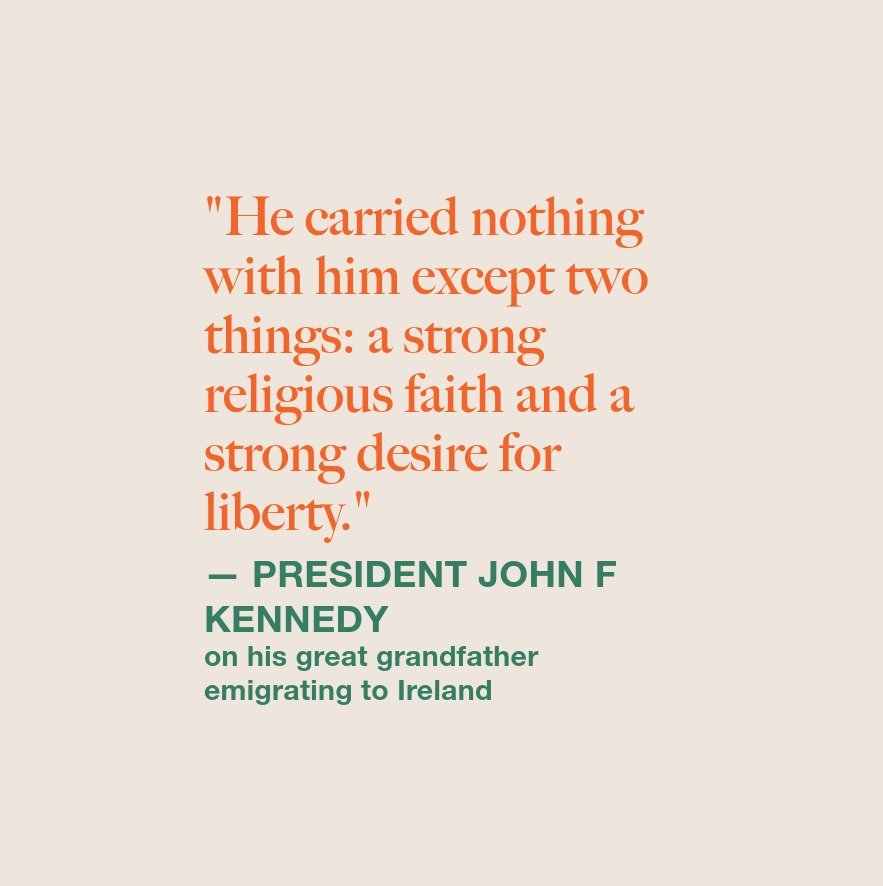
President John F. Kennedy’s great-grandparents were among the many emigrants to leave Ireland during the Great Famine.
Patrick Kennedy and his wife, Bridget, settled in Boston, where they raised five children, including JFK’s grandfather, Patrick Joseph Kennedy, who was the first family member to receive a formal education. Bridget worked hard to make ends meet after losing her husband, running a grocery store and taking in lodgers. She lived to see her youngest child, Patrick Joseph, elected to the Massachusetts state legislature in 1884.
Political achievement also ran through JFK's maternal line: John F. Fitzgerald, his other grandfather, rose to prominence as mayor of Boston and as a member of the US House of Representatives.
Did you know?
President John F. Kennedy’s great-grandparents were among the many emigrants to leave Ireland during the Great Famine.
Patrick Kennedy and his wife, Bridget, settled in Boston, where they raised five children, including JFK’s grandfather, Patrick Joseph Kennedy, who was the first family member to receive a formal education. Bridget worked hard to make ends meet after losing her husband, running a grocery store and taking in lodgers. She lived to see her youngest child, Patrick Joseph, elected to the Massachusetts state legislature in 1884.
Political achievement also ran through JFK's maternal line: John F. Fitzgerald, his other grandfather, rose to prominence as mayor of Boston and as a member of the US House of Representatives.


Enduring connections
More than 30 million Americans – around 9% of the population of the United States – today claim Irish heritage. The large majority are third-generation Irish or even further removed, with no immediate family in Ireland. Yet many retain a strong sense of Irish identity, feeling connected to Irish history, music and literature.
Irish-American organisations, from the Irish Arts Center in New York to the Celtic Junction Arts Center in Minnesota, celebrate this heritage and draw new audiences to Irish cultural works. Milwaukee Irish Fest, one of the world’s largest Irish music festivals, regularly attracts over 100,000 attendees each summer.

Irish culture was once primarily consumed by Americans with Irish roots. Now, it has become woven into the wider fabric of American cultural life. Authors such as Sally Rooney and Colm Tóibín have garnered widespread acclaim, while Irish acts including Fontaines DC and Hozier have sold out shows nationwide.
The success of Martin McDonagh's The Banshees of Inisherin prompted much discussion of the so-called ‘green wave’, a surge of interest in Irish films and actors. Irish dancing has also become hugely popular on social media, where millions have watched performers like Morgan Bullock and the Gardiner Brothers Irish dance to contemporary music.
Diverse stories
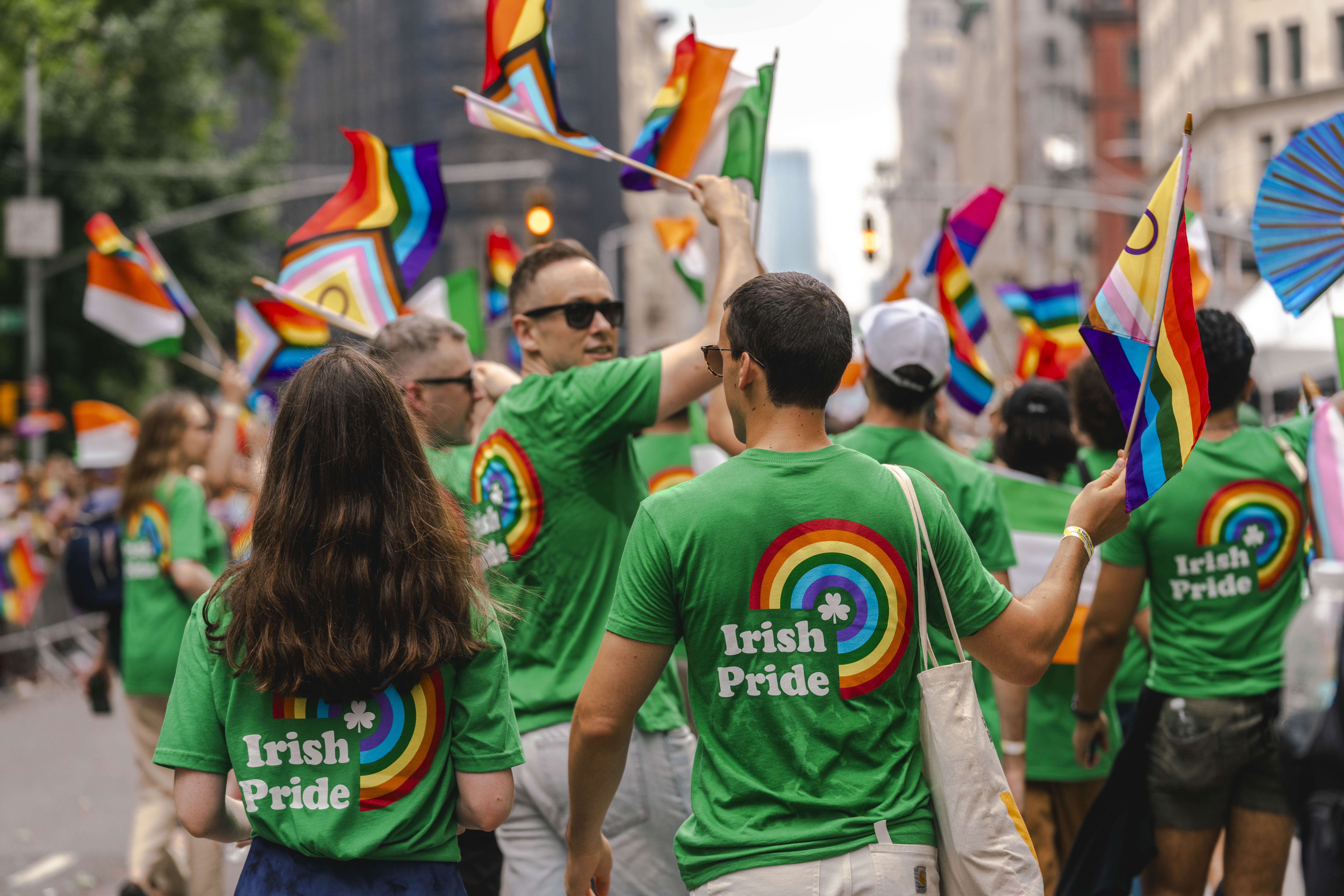
The popular understanding of Irish America has evolved in recent years to include a broader range of diaspora experiences. It is estimated, for instance, that up to 38 per cent of African-Americans have Irish ancestry. The African-American Irish Diaspora Network, formed in 2020, is one of several initiatives that have highlighted the historical ties between Irish and African-American people.
Ireland’s LGBTQ diaspora has also received greater recognition, challenging past exclusionary narratives of Irish-American identity. Governor Maura Healey of Massachusetts, who is of Irish descent, became one of the first two openly lesbian governors in the US when she was elected in 2022. Such diverse voices have helped to reshape what it means to be Irish-American.
Diverse stories
The popular understanding of Irish America has evolved in recent years to include a broader range of diaspora experiences. It is estimated, for instance, that up to 38 per cent of African-Americans have Irish ancestry. The African-American Irish Diaspora Network, formed in 2020, is one of several initiatives that have highlighted the historical ties between Irish and African-American people.
Ireland’s LGBTQ diaspora has also received greater recognition, challenging past exclusionary narratives of Irish-American identity. Governor Maura Healey of Massachusetts, who is of Irish descent, became one of the first two openly lesbian governors in the US when she was elected in 2022. Such diverse voices have helped to reshape what it means to be Irish-American.
Credits
This exhibition is a joint collaboration between EPIC The Irish Emigration Museum and Ireland’s Department of Foreign Affairs and Trade (DFAT).
Curated by Catherine Healy, Historian-in-Residence at EPIC The Irish Emigration Museum. Physical exhibition designed by Joanne Byrne, and digitised by DFAT.