
Irish women's rugby: Through the years
Irish women’s rugby has travelled a remarkable path in just a few short decades. What began in the 1990s with a small band of players pushing for recognition has grown into a sport followed and celebrated on the international stage.
From makeshift pitches and limited resources to a historic Grand Slam victory and World Cup appearances, the women’s game has continually broken barriers in Ireland.
As the Irish women's rugby team competes in the Rugby World Cup 2025 in Great Britain, this exhibition traces that journey, capturing the spirit, struggle and pride of those who built the foundations, and those players who are pulling on the jersey and carrying the Green Wave forward today.
Breaking through - The early years
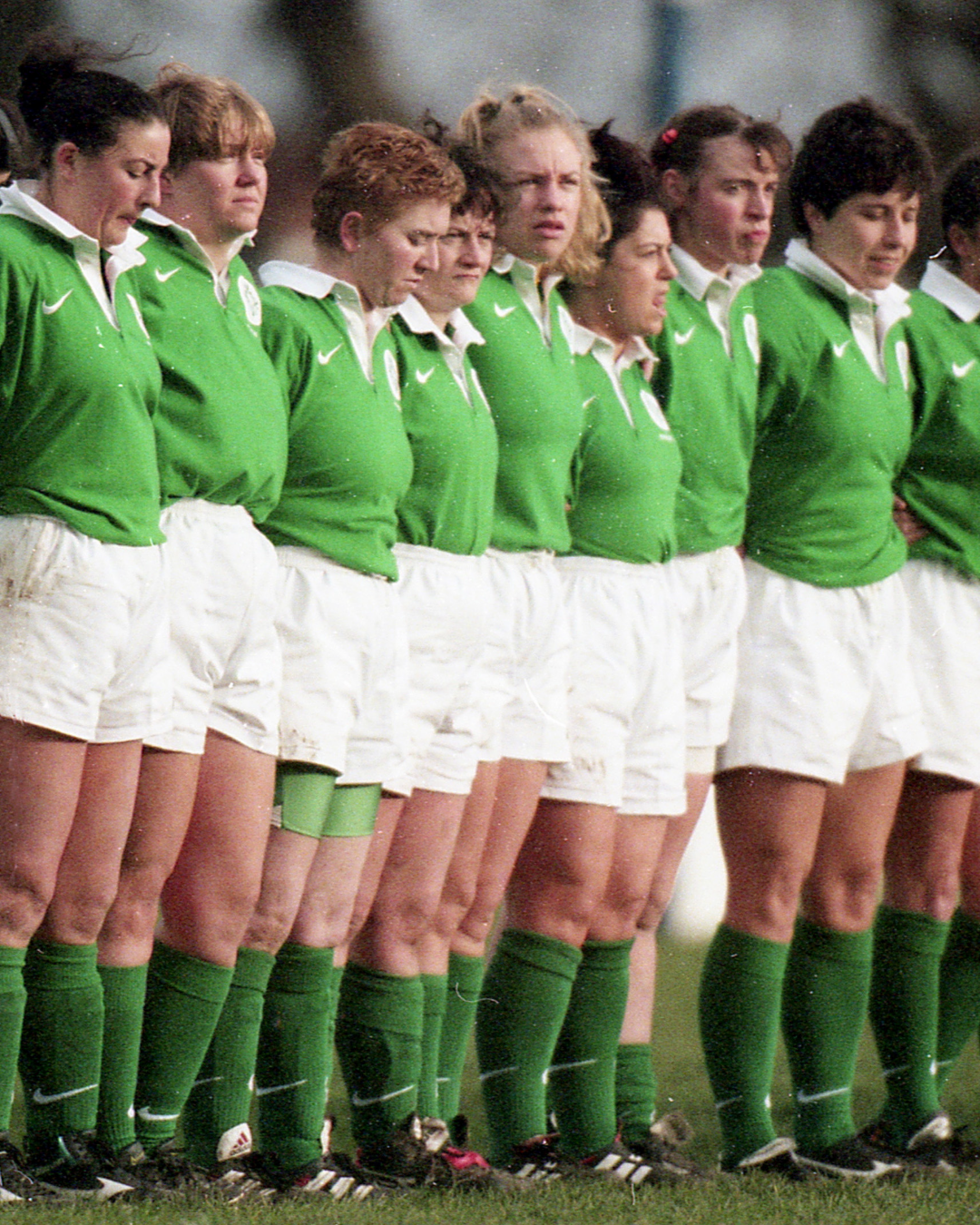
1990s
The 1990s was a pioneering and formative decade for Irish women’s rugby. Internationally women’s rugby gained momentum in Europe and North America in the 1980s but Ireland had to wait until 1992 with the establishment of the Irish Women’s Rugby Football Union (IWRFU) for the formation of our first national team.
Ireland’s inaugural international match was played in 1993 away to Scotland. This first international was hugely significant in raising the profile of the women’s game in Ireland.
1994 saw our first home international in Ravenhill, Belfast and also World Cup debut. In 1996 Ireland joined the inaugural Women’s Six Nations Championship, then known as the Women’s Home Nations Championship.
In 1998, the team qualified for their second World Cup finals.
1990s
The 1990s was a pioneering and formative decade for Irish women’s rugby. Internationally women’s rugby gained momentum in Europe and North America in the 1980s but Ireland had to wait until 1992 with the establishment of the Irish Women’s Rugby Football Union (IWRFU) for the formation of our first national team.
Ireland’s inaugural international match was played in 1993 away to Scotland. This first international was hugely significant in raising the profile of the women’s game in Ireland.
1994 saw our first home international in Ravenhill, Belfast and also World Cup debut. In 1996 Ireland joined the inaugural Women’s Six Nations Championship, then known as the Women’s Home Nations Championship.
In 1998, the team qualified for their second World Cup finals.
2000s
In 2002, Ireland returned to the Six Nations after a two-year absence and competed in their third World Cup. In 2005, Ireland won their first Six Nations game, beating Wales 11-6 in Cardiff Arms Park.
This decade’s success was often measured by the incremental progress being made on and off the field rather than by test match victories. The decade was rounded off with Ireland’s first wins against Scotland in 2007 and against France in 2009.
Off the pitch, the IWRFU affiliated with the Irish Rugby Football Union (IRFU) in 2001 and the IRFU took over responsibility for the management of the women’s national team in 2009.
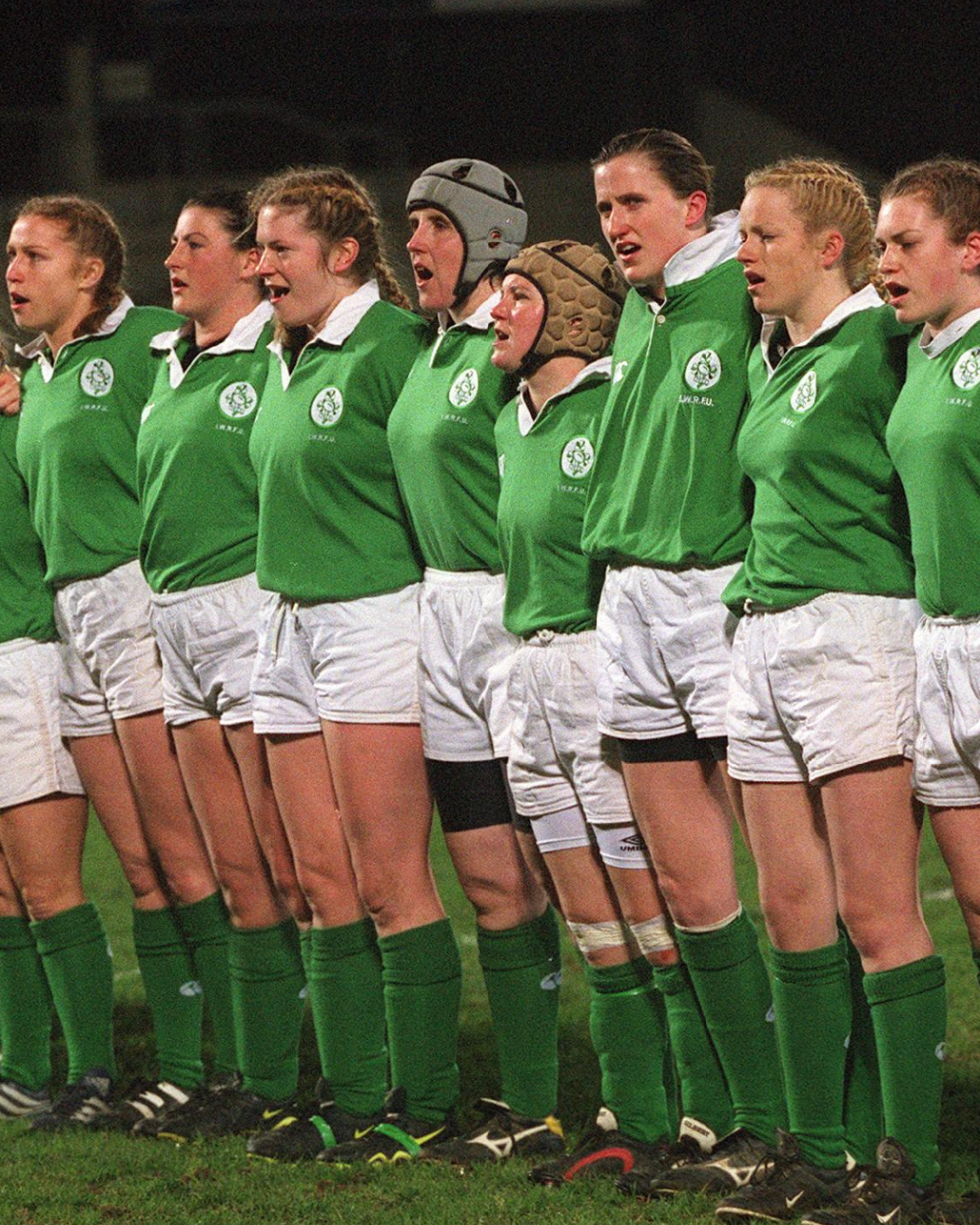
2000s
In 2002, Ireland returned to the Six Nations after a two-year absence and competed in their third World Cup. In 2005, Ireland won their first Six Nations game, beating Wales 11-6 in Cardiff Arms Park.
This decade’s success was often measured by the incremental progress being made on and off the field rather than by test match victories. The decade was rounded off with Ireland’s first wins against Scotland in 2007 and against France in 2009.
Off the pitch, the IWRFU affiliated with the Irish Rugby Football Union (IRFU) in 2001 and the IRFU took over responsibility for the management of the women’s national team in 2009.
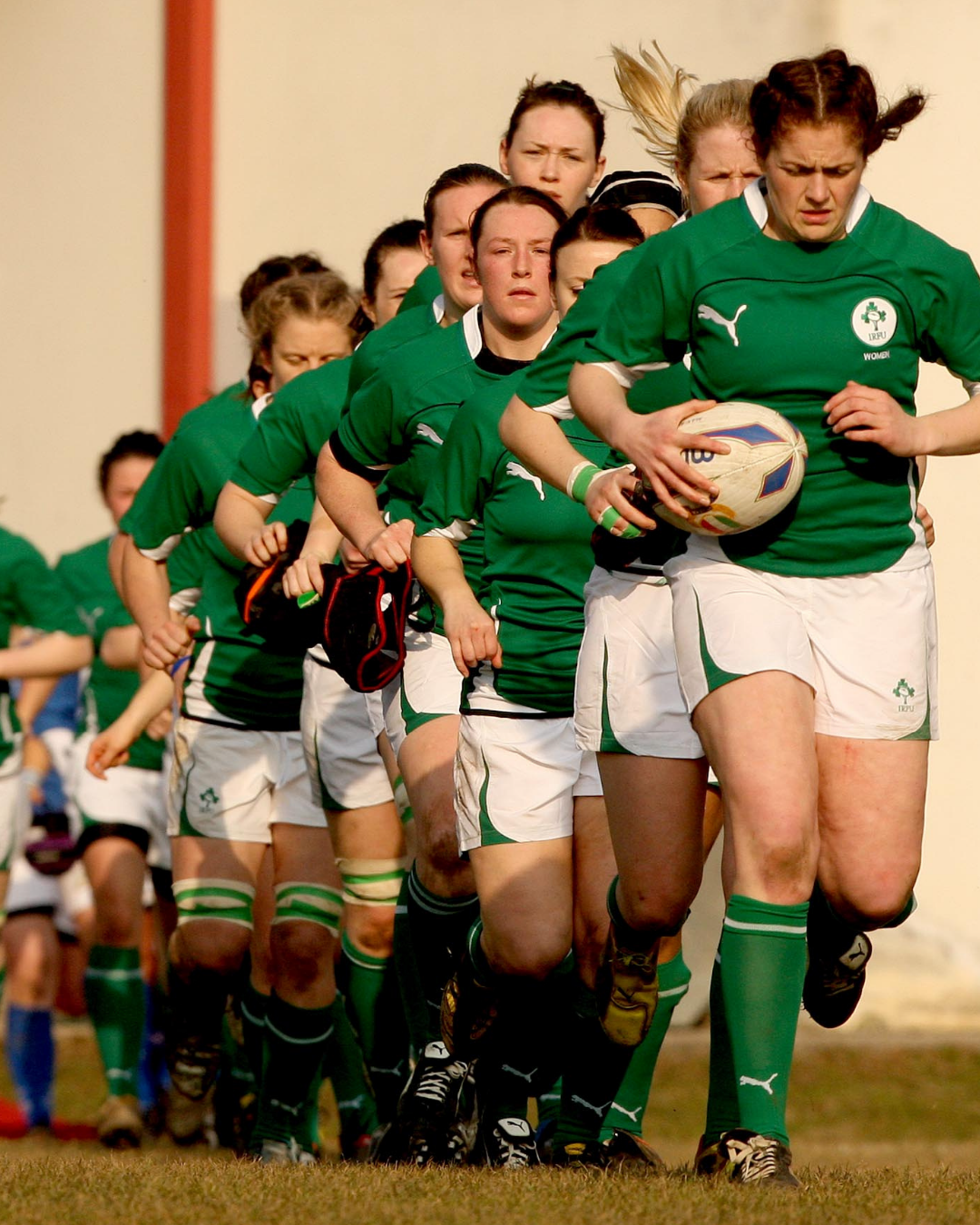
2010s
The 2010’s saw the hard work, determination and persistence of the early pioneers leaving solid foundations in place for the most successful period for the national team.
This decade would see Ireland’s women rise to new heights, receiving their first silverwave and later playing a World Cup tournamnet on Irish soil. In 2013, Ireland went unbeaten to capture their first and only Grand Slam in the Six Nations.
The 2014 World Cup campaign brought a historic victory over the Black Ferns and cemented the team’s place in the history books as they became the first Irish national team to beat New Zealand.
In a match that has become known as one of the biggest upsets in WRWC history, Ireland defeated the reigning World Champions and bought their 20 match unbeaten streak to an end. The team achieved their highest ranking at a World Cup competition with a 4 place finish.
2010s
The 2010’s saw the hard work, determination and persistence of the early pioneers leaving solid foundations in place for the most successful period for the national team.
This decade would see Ireland’s women rise to new heights, receiving their first silverwave and later playing a World Cup tournamnet on Irish soil. In 2013, Ireland went unbeaten to capture their first and only Grand Slam in the Six Nations.
The 2014 World Cup campaign brought a historic victory over the Black Ferns and cemented the team’s place in the history books as they became the first Irish national team to beat New Zealand.
In a match that has become known as one of the biggest upsets in WRWC history, Ireland defeated the reigning World Champions and bought their 20 match unbeaten streak to an end. The team achieved their highest ranking at a World Cup competition with a 4 place finish.
The 2014 World Cup achievements were followed by a second Six Nations win in 2015. Ireland entered their last game of the 2015 championship requiring a winning margin of more than 27 points to clinch the title and secured a resounding 73-3 win over Scotland to capture their second championship.
As England and France moved to more professional set-ups, gaps started to emerge in the Six Nations but a runners-up finish and two third positions between 2016 and 2018 demonstrated that Ireland remained highly competitive.
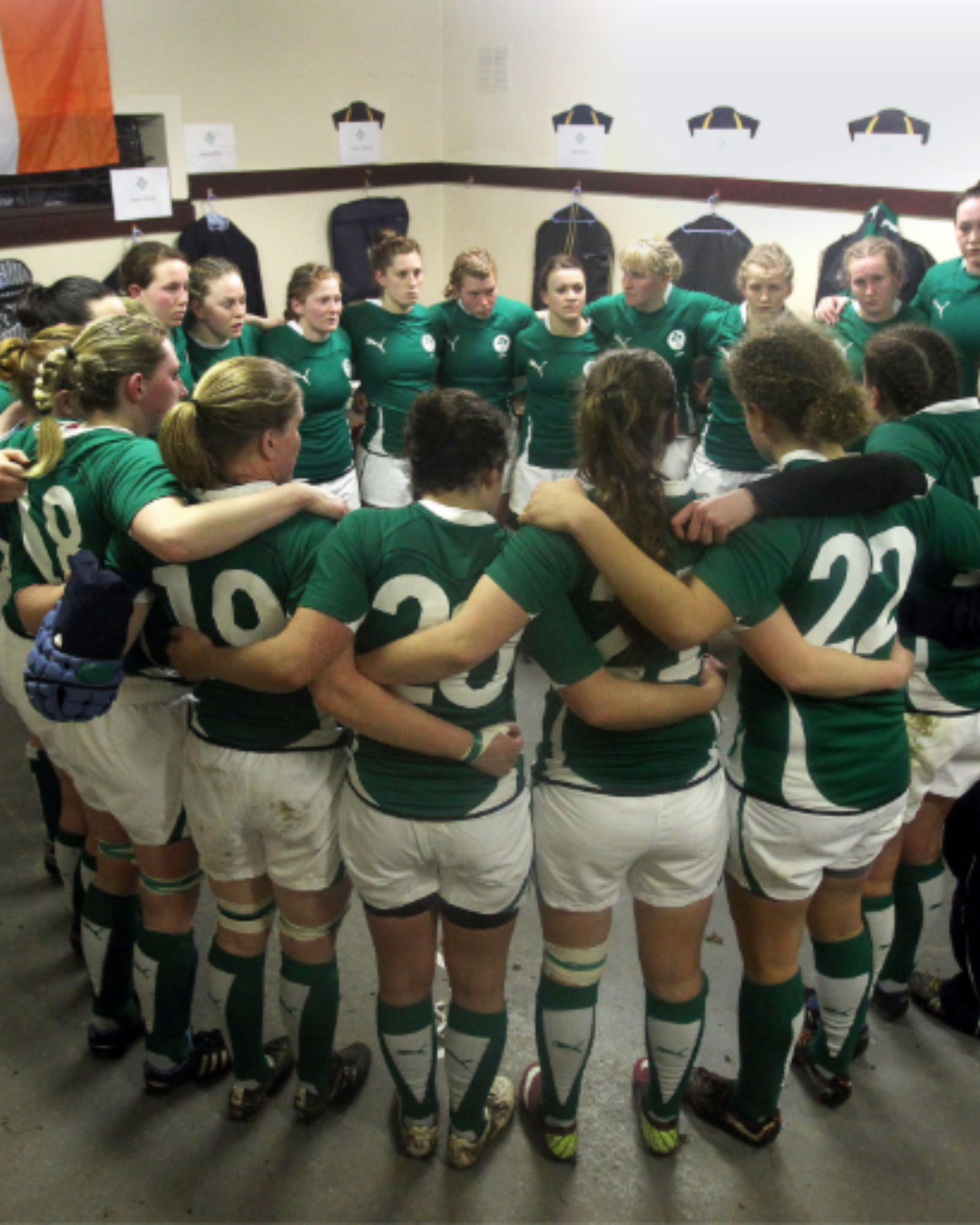
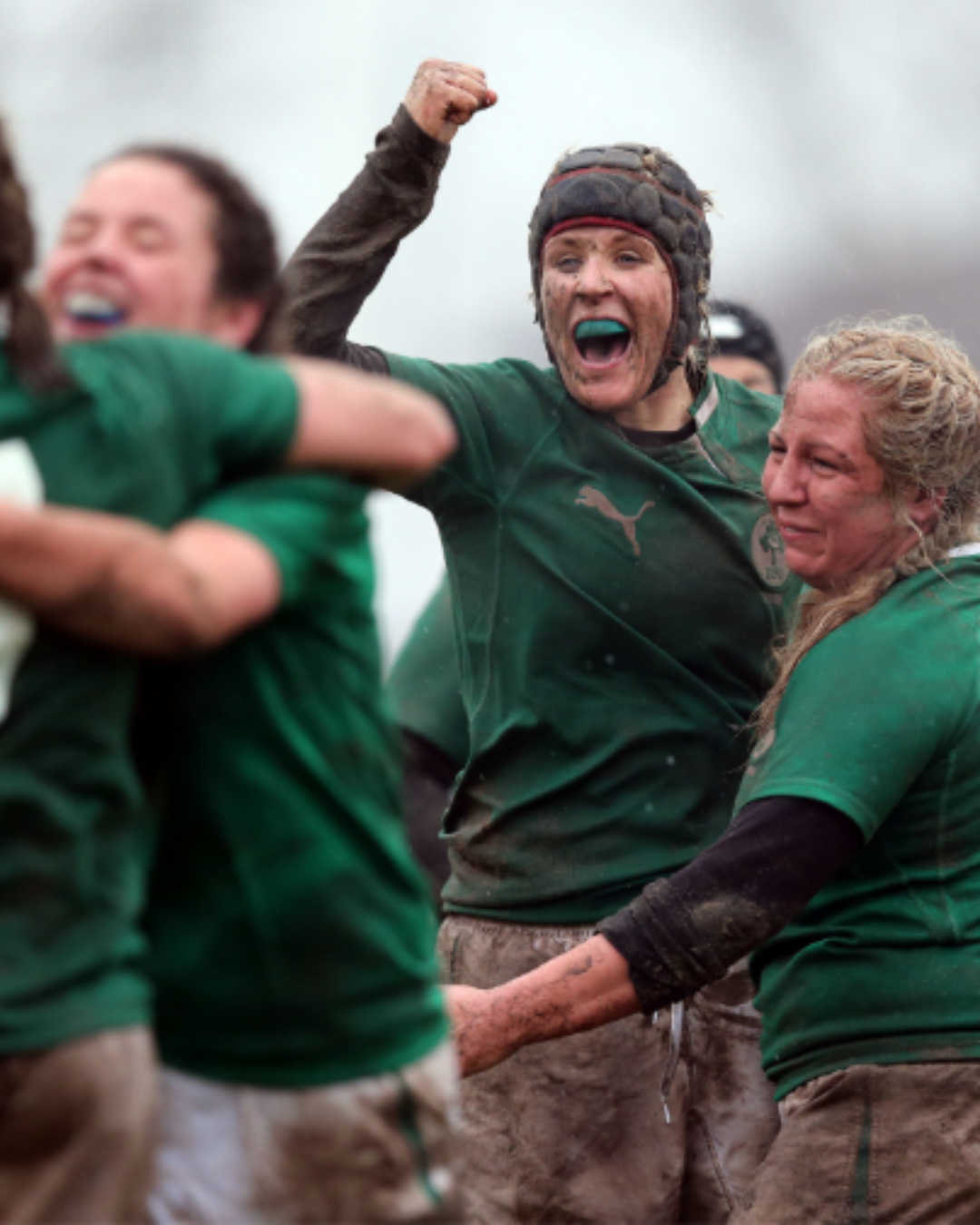
Rebuilding trust in the 2020s
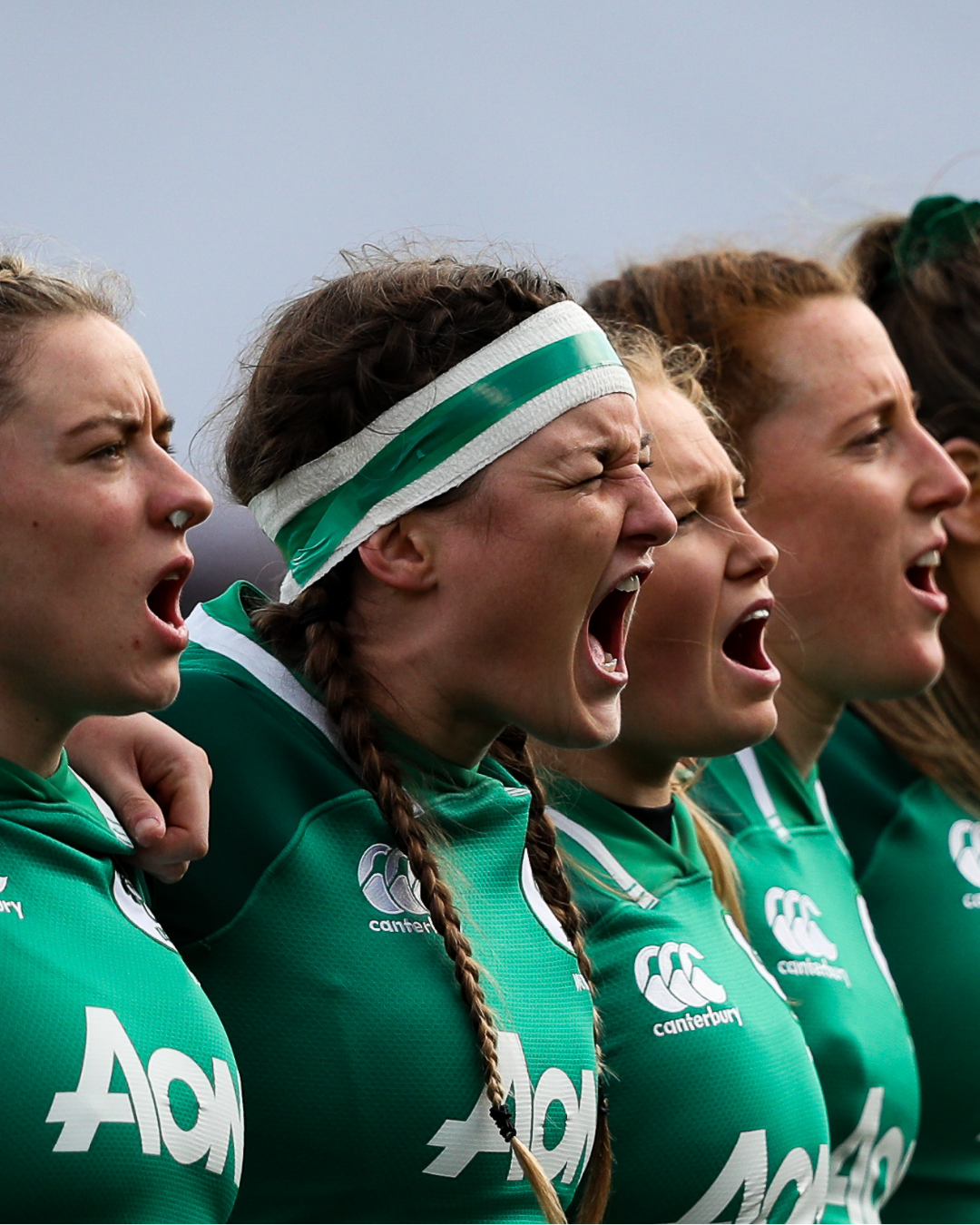
2020s
A low point for the women's game came in 2021 in the wake of the failure to qualify for the 2022 Rugby World Cup.
In December 2021, a large number of current and former players sent a letter to the Irish Government expressing a loss of trust and confidence in the Irish Rugby Football Union (IRFU) due to a perceived lack of commitment and transparency in the management of the women's game.
The players sought government support for "meaningful change" from grassroots to international level, citing "substandard commitment, inequitable and untrustworthy leadership" from the union.
2020s
A low point for the women's game came in 2021 in the wake of the failure to qualify for the 2022 Rugby World Cup.
In December 2021, a large number of current and former players sent a letter to the Irish Government expressing a loss of trust and confidence in the Irish Rugby Football Union (IRFU) due to a perceived lack of commitment and transparency in the management of the women's game.
The players sought government support for "meaningful change" from grassroots to international level, citing "substandard commitment, inequitable and untrustworthy leadership" from the union.
This action and multiple independent reviews prompted a significant series of responses by the Government and the governing body.
Since 2021, the IRFU has appointed additional people to full-time roles to support the women’s set-up. This includes a new head of women’s performance and pathways, focusing purely on the women’s game.
The Union has also provided multi annual funding increases for the women's game, introduced professional contracts and achieved 40% gender balance on the Union Committee.
In partnership with the Scottish and Welsh Unions, the Celtic Challenge has been created and developed as a method of raising performance domestically through elite cross border competition.
The 2020's so far have seen a degree of consistency in the Six Nations with multiple 3rd place finishes. 2023 saw a disappointing campaign with the team receiving the ‘Wooden Spoon’ however the team bounced back in 2024 with another 3rd place and later that year produced an upset as they stunned world champions New Zealand 29-27 in their opening WXV1 clash.
A second-place finish at the tier one WXV1 compeition rounded off a fantastic year of progression for Ireland which had earlier included RWC 2025 qualification.
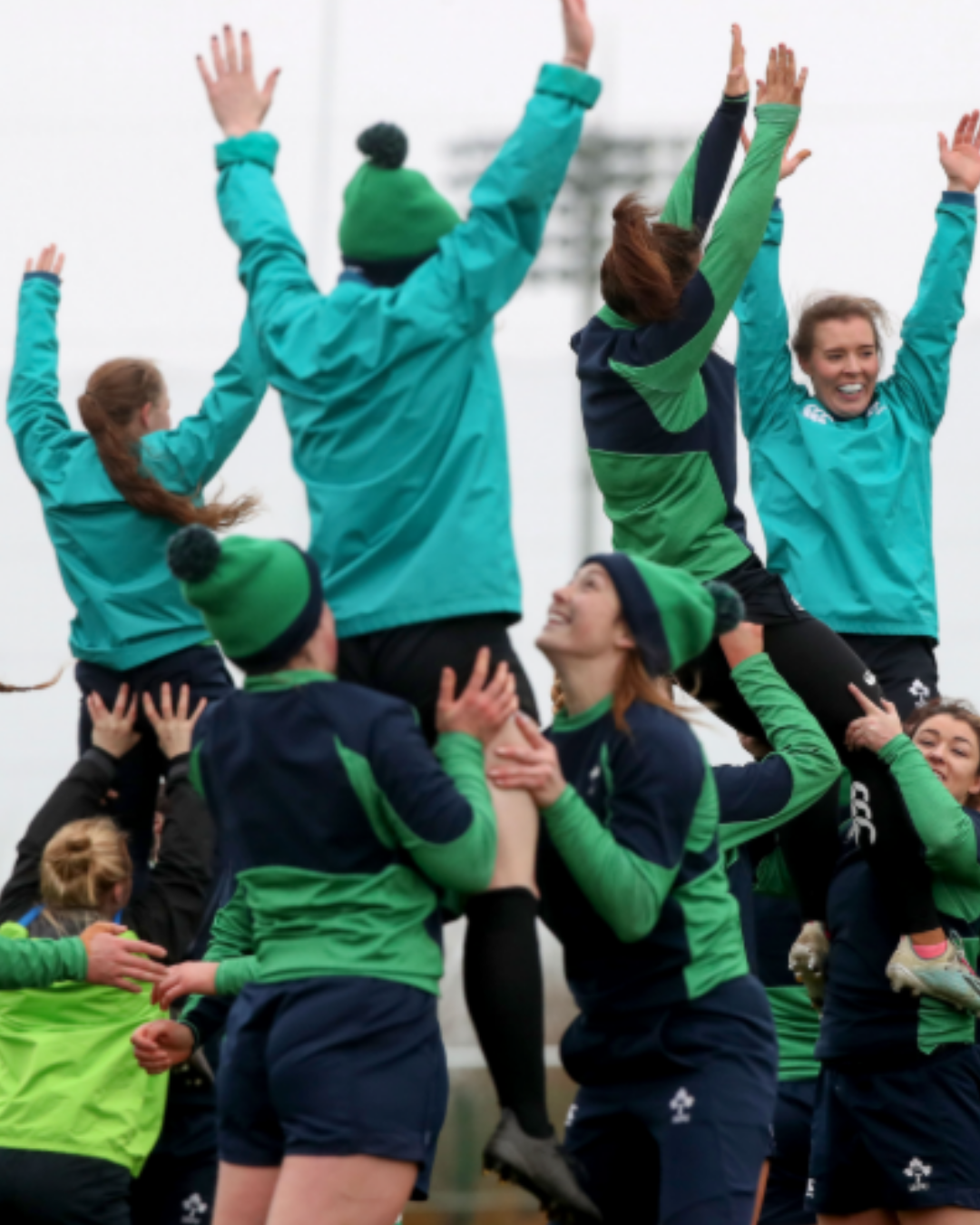
In partnership with the Scottish and Welsh Unions, the Celtic Challenge has been created and developed as a method of raising performance domestically through elite cross border competition.
The 2020's so far have seen a degree of consistency in the Six Nations with multiple 3rd place finishes. 2023 saw a disappointing campaign with the team receiving the ‘Wooden Spoon’ however the team bounced back in 2024 with another 3rd place and later that year produced an upset as they stunned world champions New Zealand 29-27 in their opening WXV1 clash.
A second-place finish at the tier one WXV1 compeition rounded off a fantastic year of progression for Ireland which had earlier included RWC 2025 qualification.
Irish women's rugby ties to Great Britain
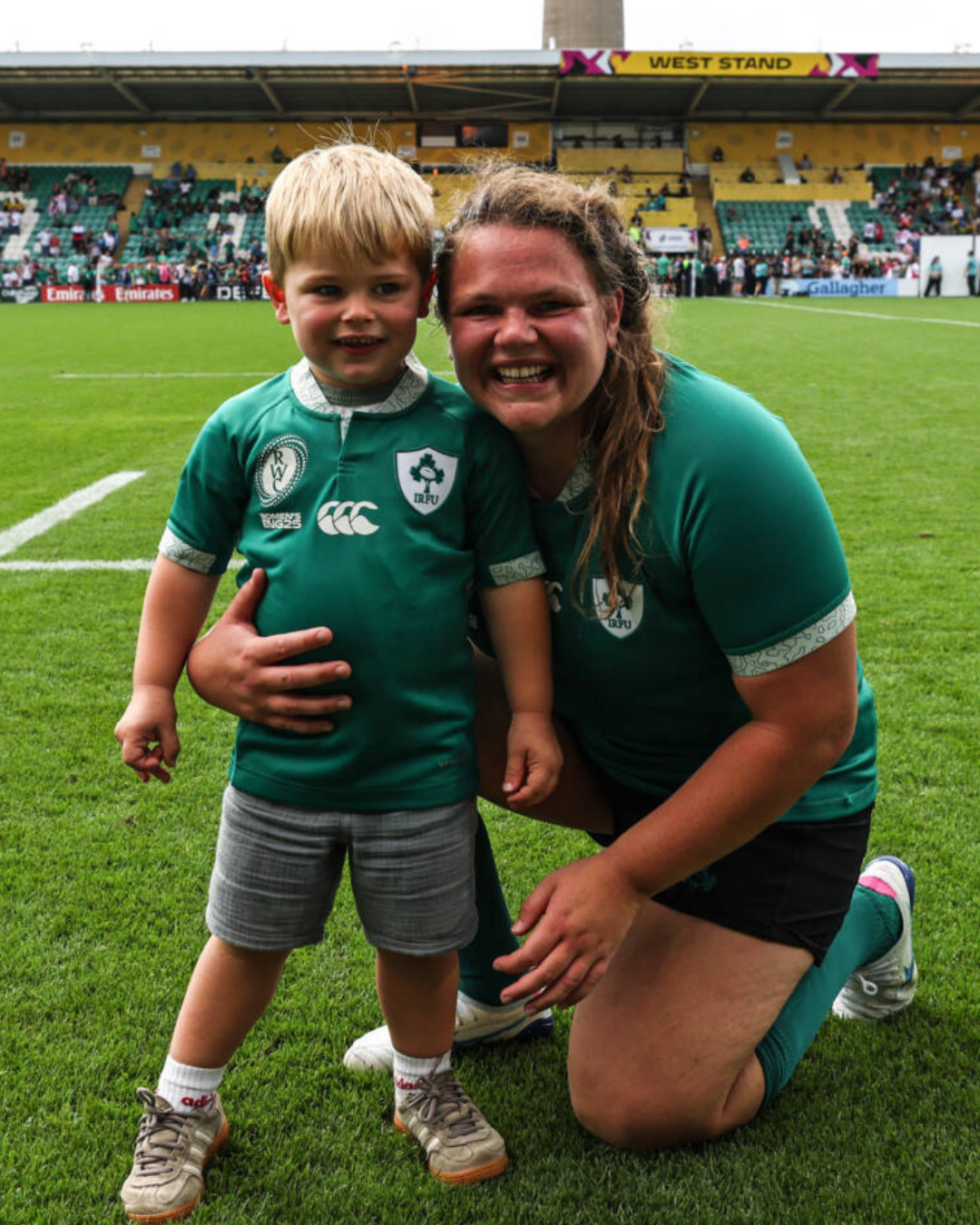
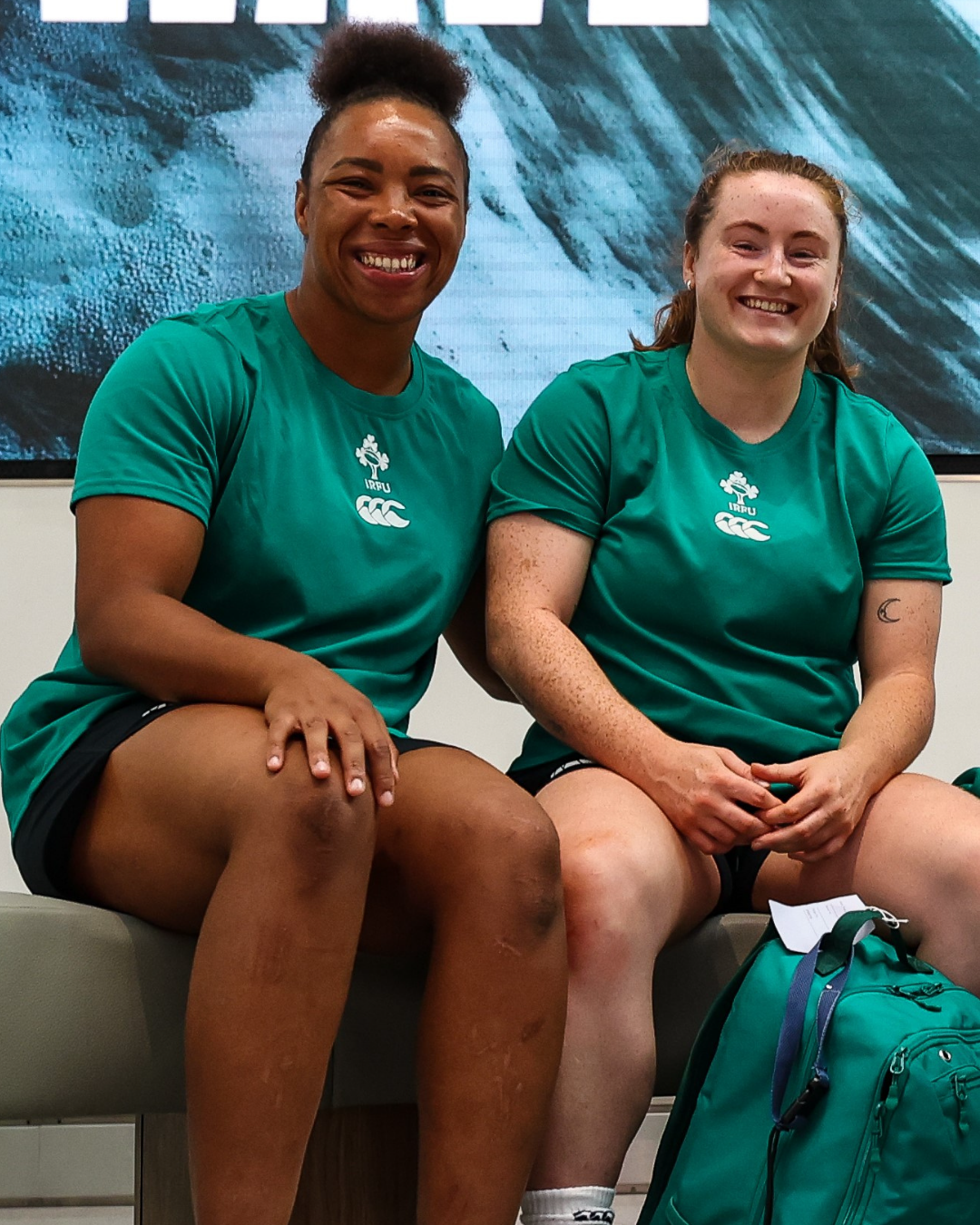
Even before the 2025 World Cup, women’s rugby in Ireland has always had strong connections to Great Britain, with the first trials for a national team taking place both on the island of Ireland (Cooke RFC, Belfast) and also in Manchester (Sale Rugby Club).
The early national teams included a large number of ‘Irish Exiles’, names such as Clare Hoppe, Ruth McKeown, Kathryn Hennessy, Marie Myles, Annie Parsons, Raeltine Shrieves, Marie Kerrin and Helen Siwek featured prominently on team sheets.
A number of other players have also come through the same pathway and the GB arm of the ‘Irish Qualified’ programme, including Grand Slam winners Sophie Spence and Leigh Dargan, while exile Megan Williams has been capped for Ireland at both Sevens and fifteen-a-side.
Current Irish players Grace Moore and Ellena Perry were born and raised in Great Britain, while many of Ireland’s most talented players including six of the World Cup squad play their club rugby in the English Premiership Women’s Rugby competition.

The pioneers through the years
On Valentine’s Day 1993, 15 women emerged onto the historic rugby ground at Raeburn Place in Edinburgh to represent Ireland in the first ever international match for the Irish Women’s Rugby Team.
This began a dramatic and challenging journey for women’s rugby in Ireland over the next three decades
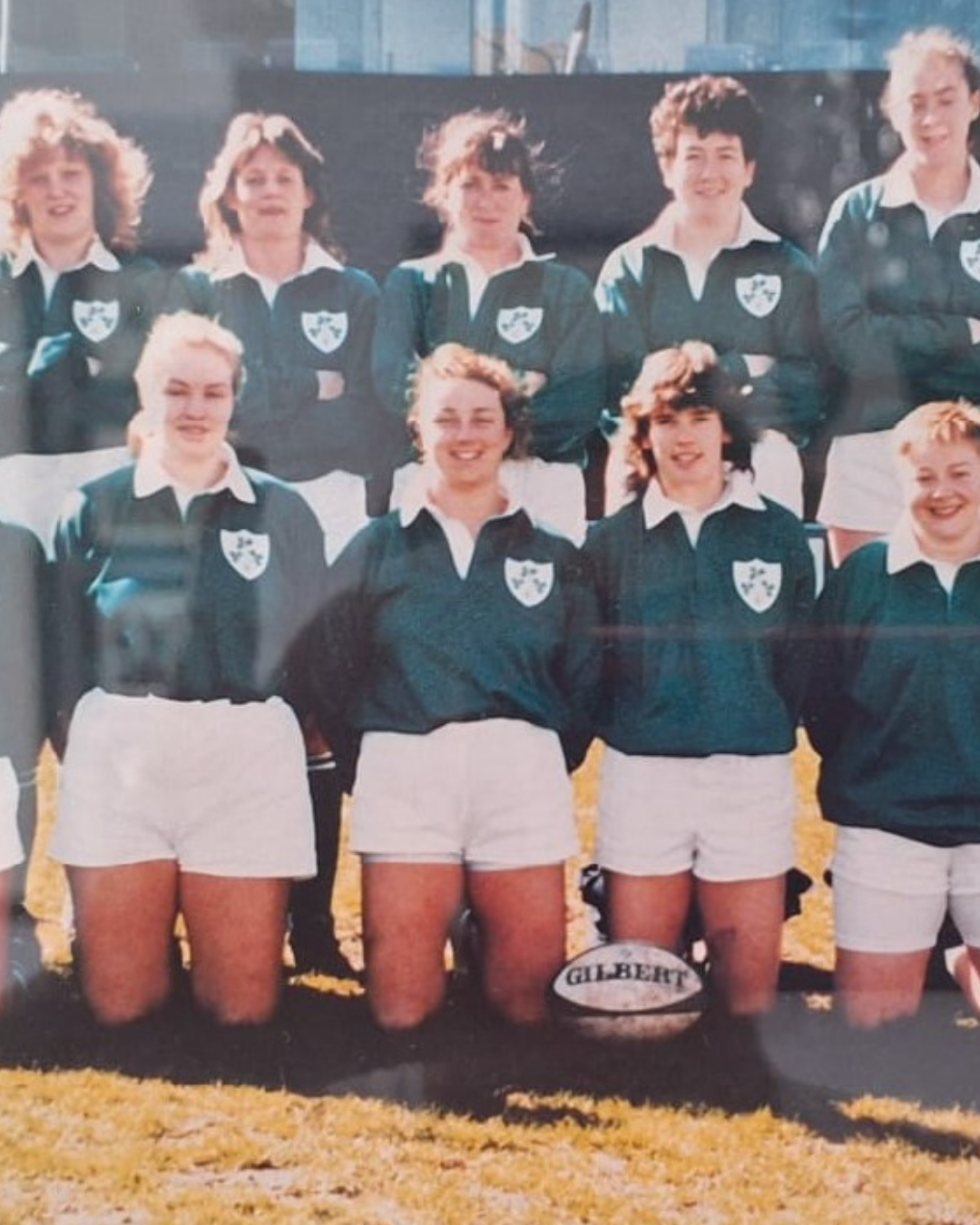
On Valentine’s Day 1993, 15 women emerged onto the historic rugby ground at Raeburn Place in Edinburgh to represent Ireland in the first ever international match for the Irish Women’s Rugby Team.
This began a dramatic and challenging journey for women’s rugby in Ireland over the next three decades
“We had no funds, there was no money, there was no sponsorship...there was nothing but we wanted to play this international match”
- Tanya Waters

“A lot of our disappointment was frustration because we weren’t getting the support that we needed...no funding. Those early kits, no teams sponsorship no were really really important in terms of trailblazing”
- Carole Ann Clarke (Byrne)

“I looked at it and I only ever saw men and boys playing rugby...I myself and remember I don't know where it even questioning ever came from but [I thought] why can’t I do that”
- Rosie Foley

“I had friends who didn't really understand what I was doing, they’d never seen a women’s game before, they didn’t understand where it was at but I always felt the potential was huge and that we could go somewhere really special”
- Fiona Coughlan
Women's rugby: The why
Explore photos of the Irish women's rugby teams, their supporter and the community around the sport in through this photo gallery.