


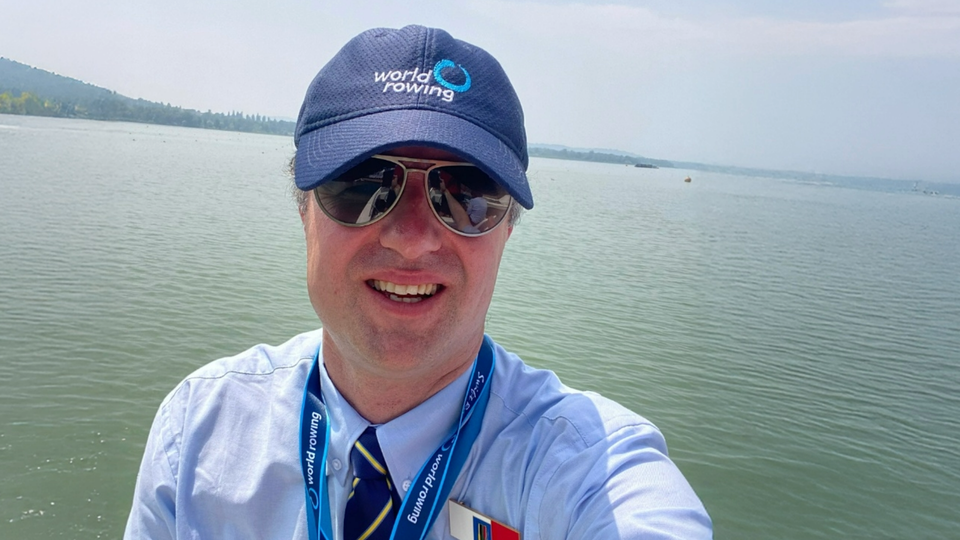
Meet Ciarán Hayes: first Irishman to umpire the Oxford–Cambridge Boat Race
For 186 years, rowing crews from Oxford and Cambridge universities have lined up on the Championship Course of the River Thames in one of the world’s oldest sporting events.
Regularly attended by nearly a quarter of a million spectators, the Boat Race, run over a 4.25-mile course, is a fixture of the sporting calendar and, for the students themselves, the culmination of years of hard graft, both on the water and in the classroom.
An Irish umpire for the Boat Race
For the first time this year, an Irishman, Ciarán Hayes, will umpire the men’s Boat Race.
Ahead of the 2026 race, we sat down with Hayes to hear more about his journey, from a junior rower on the River Ilen in Skibbereen, Co. Cork, to officiating one of Britain’s most high-profile races.
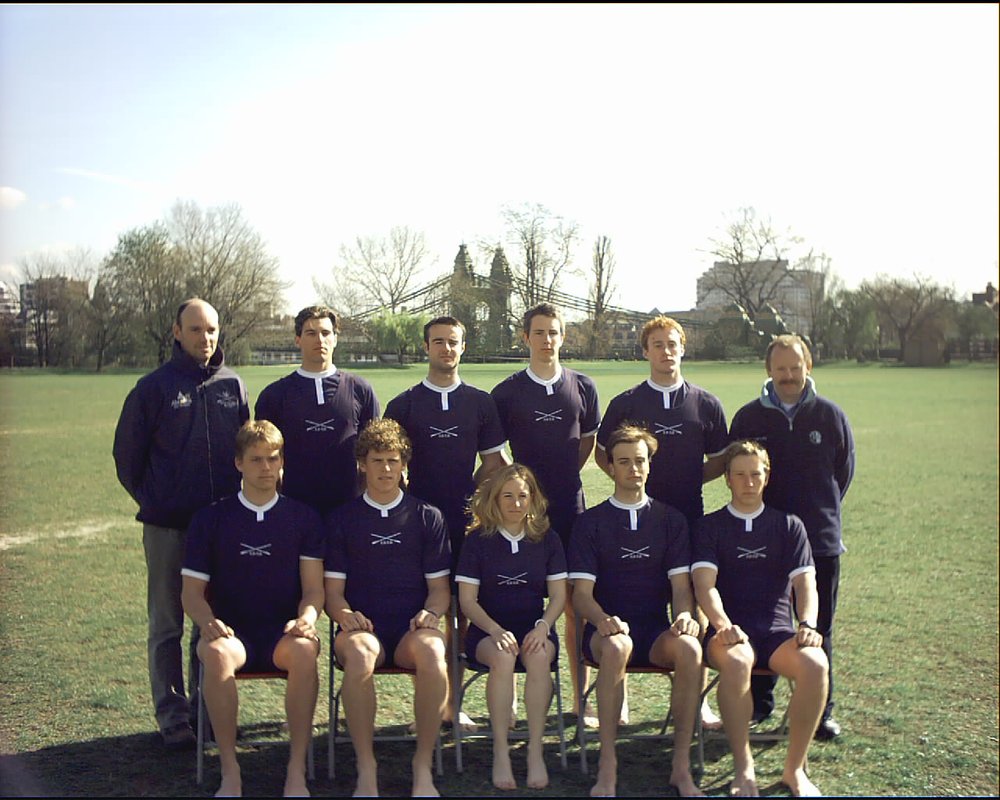
Hayes will take to the launch well acquainted with the challenge facing both crews. He himself competed for the University of Oxford in 2003 in the reserve ‘Isis’ boat, named after the River Isis, the stretch of the Thames that runs through Oxford.
He recalls the dual pressures of meeting the physical demands of competing at university level while also reading for his degree in Economics and Management.
“There are these cuts that happen at various points in the year and you’re constantly trying to create that team spirit, whilst competing against everybody to make the top group and then to get into the boat.”
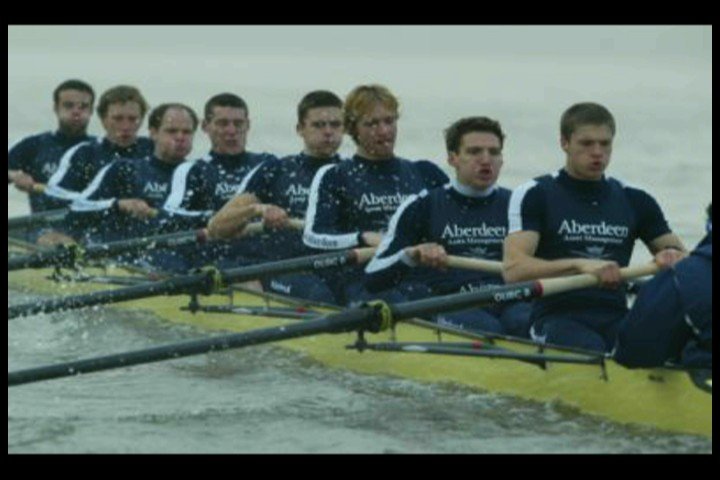
Despite the cutthroat nature of trials, a recurring theme throughout our conversation was the endurance of friendships forged through rowing. Confined to a boat of up to eight athletes, each working towards the shared goal of moving as quickly through the water as possible, the experience fosters a strong sense of community, one that Ciarán says has stayed with him for life.
A Skibbereen beginning
It was, after all, friends who first sparked his affinity for the sport. He tried rowing for the first time on the recommendation of a friend from his local Scouts group. He picked up his first set of oars in his first year of secondary school and, after a Skibbereen Rowing Club coach noted that he “looked tall”, began increasing his hours on the water week by week, never looking back.
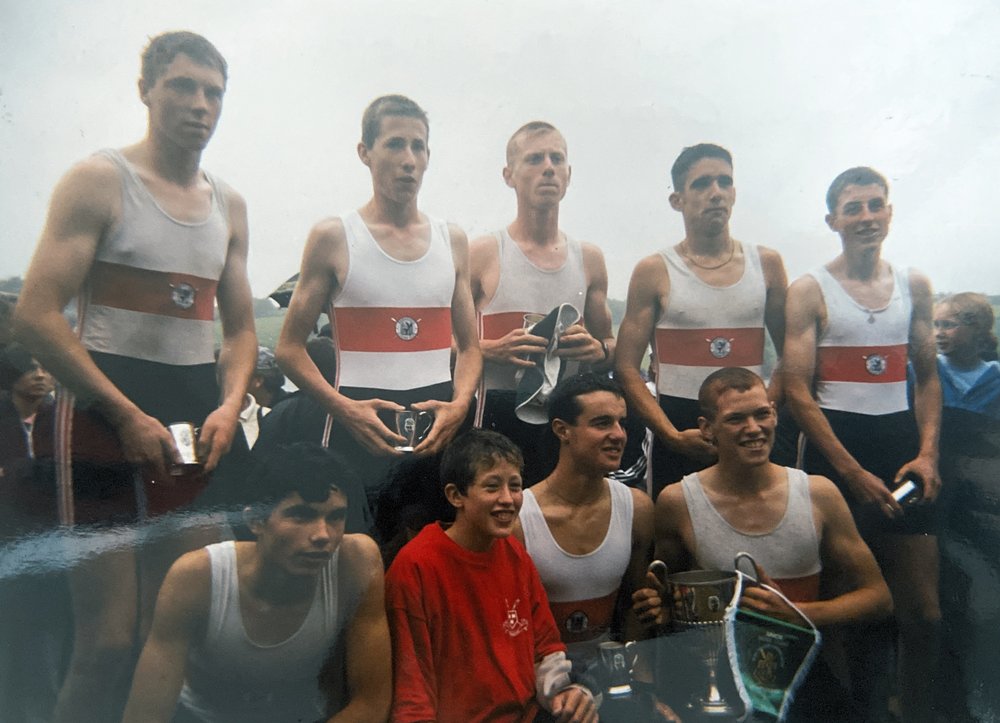
Since then, whether racing internationally for Ireland, rowing in London with London Rowing Club as a graduate, or returning to the courses he once raced on to umpire European events, Ciarán has continually reflected on the power of these enduring friendships. Today, he still keeps in touch with rowers from Oxford, Skibbereen, and across the world.
A sense of purpose
Umpiring, he says, gave him a renewed sense of purpose in the sport beyond club level. He began in a voluntary capacity while living in London, driven by a “desire to give a better experience for athletes”. Drawing on years of racing, he brings empathy to the role, helping ensure the sport remains both fun and competitive for the next generation.
“The Boat Race is the one where as the umpire you are much more front and centre than any other race. In most races, people would struggle to say who the umpire was, whereas in the Boat Race there is a camera in your face and you’re miced up.”
Preparation through umpiring races such as Head of the River and last year’s Women’s Reserve Boat Race has been essential ahead of this weekend. He notes that umpiring still stirs the same nerves and anticipation that racing once did. Yet, Hayes approaches the event with a balance of adrenaline and the confidence gained from experience and preparation.
“So much of it is just having done the preparation, having worked through the scenarios and looked at previous races. You use all that experience to deal with what’s right in front of you when making judgement calls.”
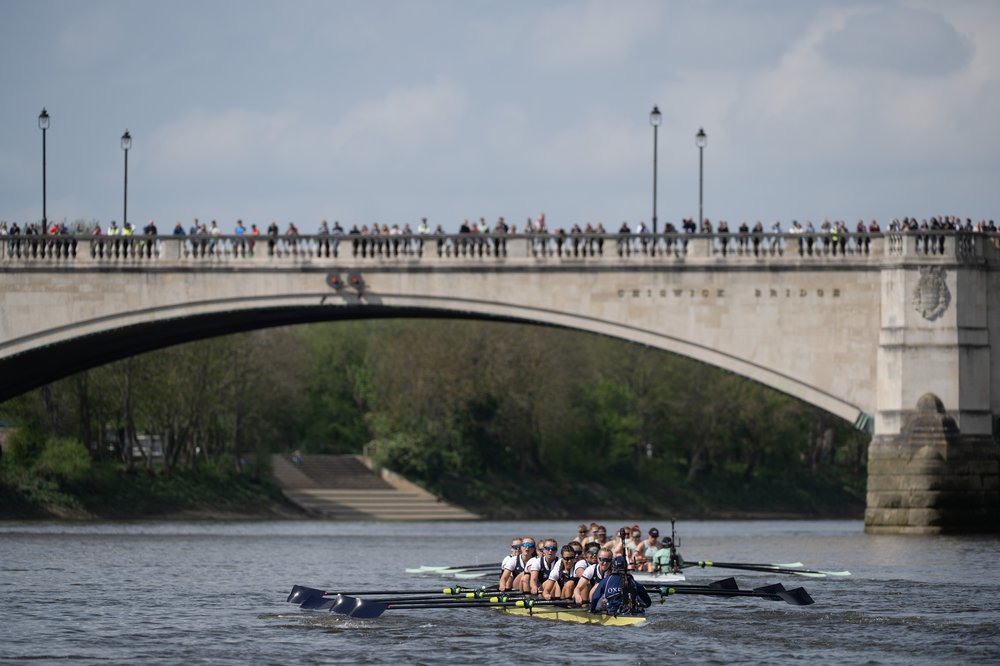
As the first Irishman to umpire the men’s Boat Race, he is proud to be leaving a legacy for the next generation of rowers. Reflecting on a career that has taken him as far afield as New Zealand and Serbia, Hayes emphasises the opportunities the sport can offer.
He also highlights the wider benefits of rowing, from instilling structure and discipline to developing the ability to work towards long-term goals. Above all, he stresses that the sport creates friendships for life, many of which he still cherishes decades on.
Irish rowing is on the up and up
There has never been a better time to get involved in Irish rowing, which is going from strength to strength. Recently, Ireland placed a record fifth overall at the 2025 World Championships, and Team Ireland has medalled in rowing at the last three Olympics.
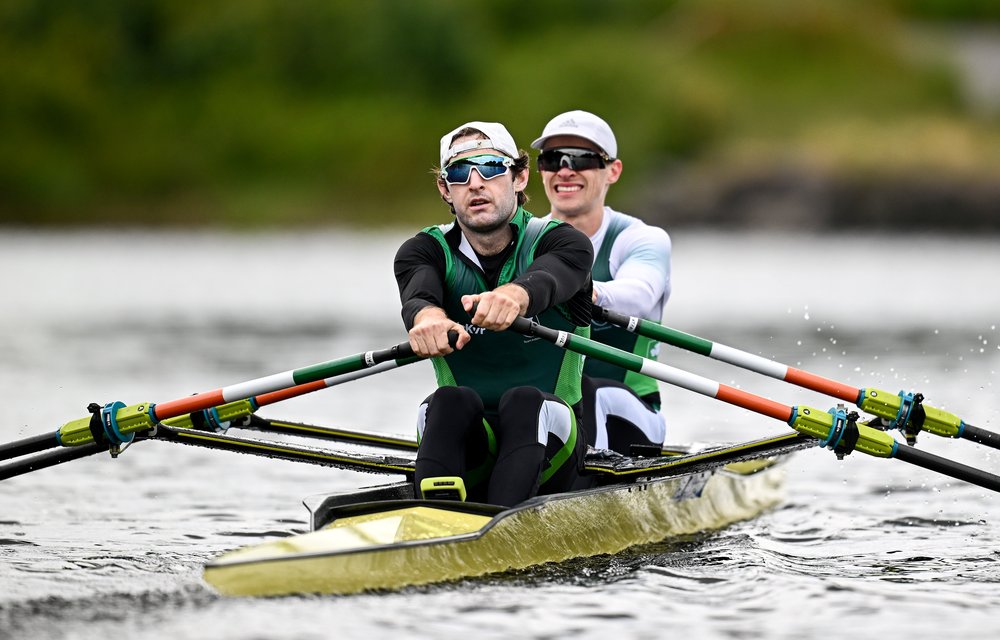
Paul and Gary O’Donovan won Ireland’s first ever medal in rowing – a silver for lightweight double sculls – just under a decade ago at Rio 2016, and Paul O’Donovan continued his success winning back-to-back gold medals at Tokyo 2020 and Paris 2024 in the same event with Fintan McCarthy. In addition, Ireland took home bronze in the women’s coxless four in Tokyo, and in the men’s double sculls in Paris 2024, marking a growing legacy in rowing at the Games.
Adding to the achievements of Irish rowers in recent years, this year's Boat Race will once again capture global attention, but this year, it also marks a proud milestone for Irish representation within the sport.
The 2026 Boat Race takes place on Saturday 4 April and can be watched live on Channel 4.
See the Boat Race’s website for more details if you are interested in spectating the race along the Thames in London.