What is the GAA?
From parish fields to global clubs: discover Ireland's Gaelic Games
Few organisations are as deeply woven into Irish life as the Gaelic Athletic Association, more commonly known just as the GAA. It’s not just a sporting body, but instead a structure that has, throughout its history, held Irish communities together.
Gaelic games, Ireland's traditional sports, are something many grow up with, often without noticing how deeply embedded they are in everyday life: from weekend fixtures on the parish pitch to the summer colours of county jerseys, and from local clubhouses that double as social centres to the stories passed down about past finals and near misses.
With clubs spanning from the Mourne mountains in County Down to the streets of New York City, the GAA’s reach, and through it, the reach of Irish communities and culture, spans the globe.
An amateur endeavour
The GAA is one of the most powerful and wide-reaching amateur sporting movements in the world. It promotes Gaelic games played by amateur athletes, supported by communities and volunteers.
With over 2,200 clubs and a county team for each of the 32 counties of Ireland, more than a million people attend county GAA matches each summer. Today, there are over 500 GAA clubs operating outside of Ireland, in nearly every corner of the world.
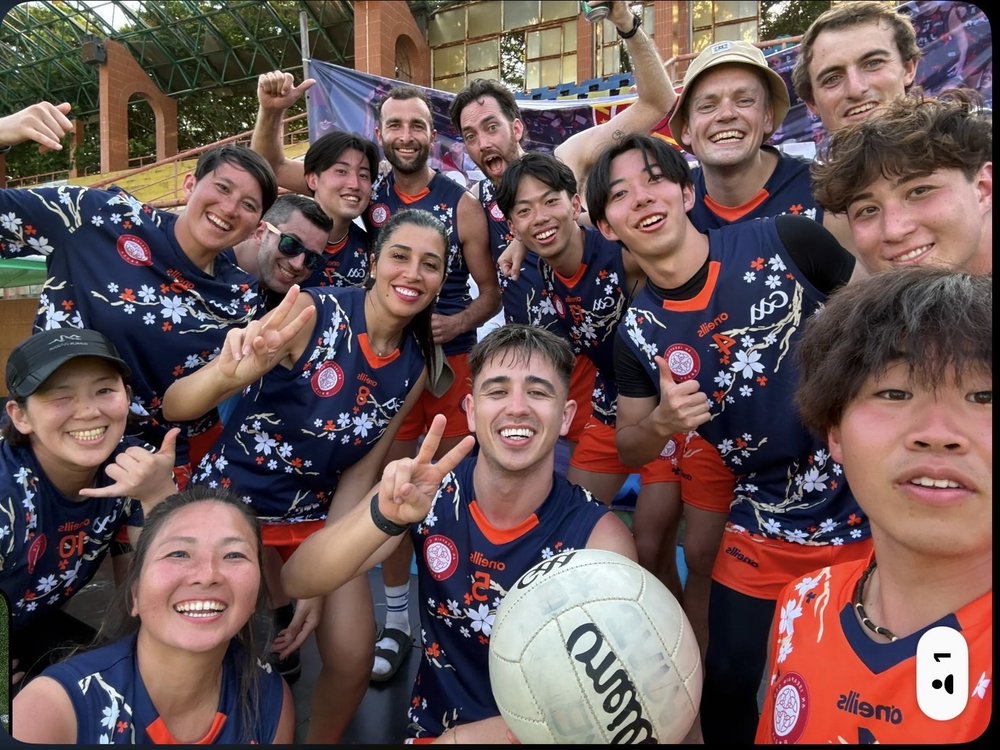
Despite its global spread, the heart of the GAA remains local. Clubs are community-run, volunteer led and deeply rooted in place. Most people engage not as spectators in Croke Park, Ireland’s largest stadium and home to the GAA, or as supporters of only their county teams – but as players, mentors, parents, stewards and neighbours, week in and week out, come rain or shine.
The history of the GAA
The GAA was founded in 1884, at a moment of Irish cultural revival. National identity was being suppressed under British rule, and Irish games were losing ground to imported sports like rugby and cricket.
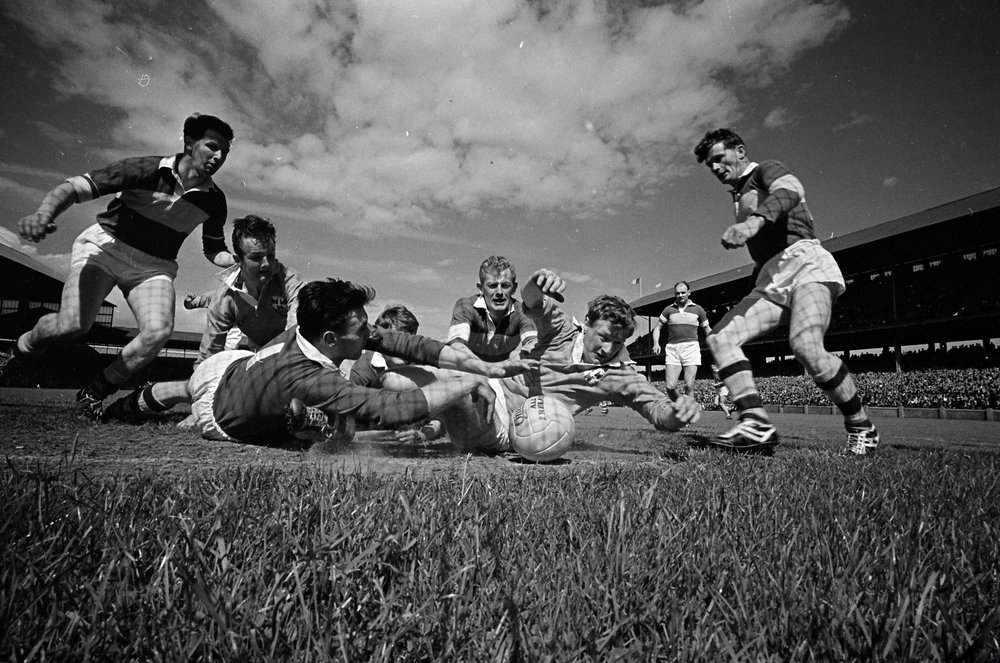
In Hayes’ Hotel in Thurles, Co. Tipperary, a group of nationalists - including Michael Cusack, a teacher from Clare - set out to revive and codify traditional Irish sport.
With support from figures like Charles Stewart Parnell, Michael Davitt, and Archbishop Croke, the GAA quickly became more than a sporting body. It became a cultural force, preserving Irish identity through games, language, music, and community.
Images courtesy of the National Library of Ireland.
By the early 20th century, the GAA had established a county structure, set formal rules, and launched the All-Ireland Championships - still the jewel in the Irish sporting calendar's crown.
Croke Park became a national symbol, not just of sport, but of memory: in 1920, British forces opened fire during a match there on what would become known as Bloody Sunday.
Through independence, emigration, economic highs and lows, the GAA has remained a constant presence in Irish life – at once both traditional and evolving.
Structure and spirit
At the heart of the GAA is the club. Nearly every town and village in Ireland has at least one GAA club, often more. These are volunteer-run and community-owned, serving as focal points for sporting and social life. Many people stay involved with their clubs for life, long after they’ve stopped playing.
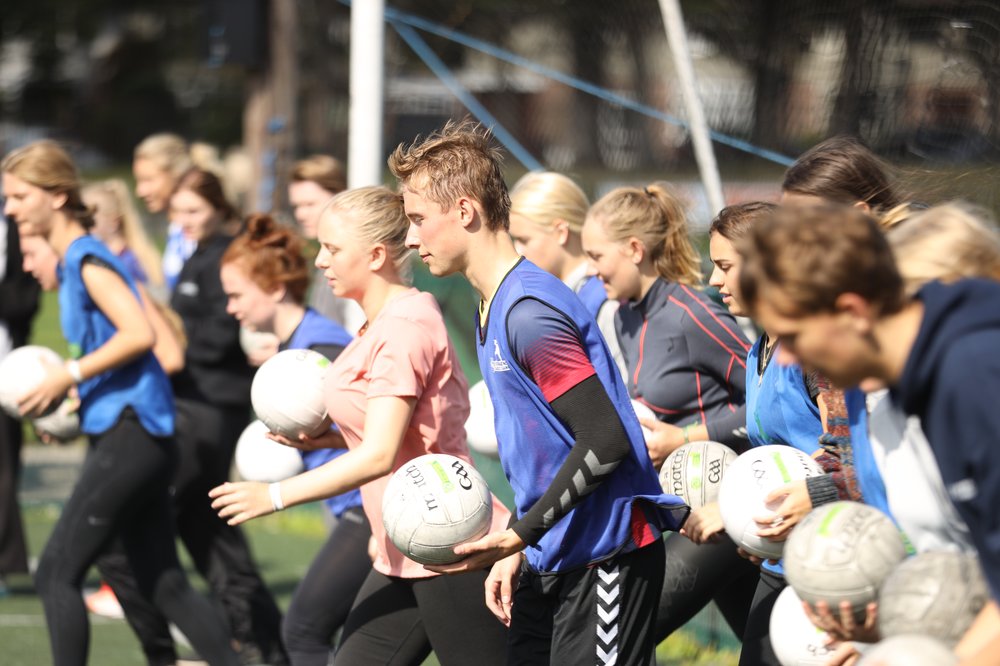
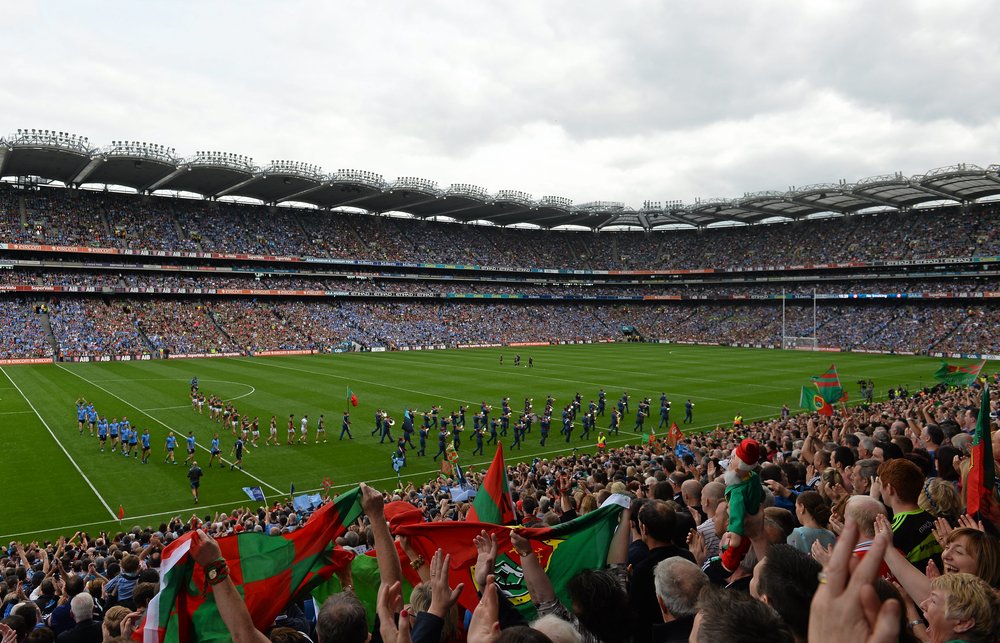
County teams draw their best players from these clubs and compete in the All-Ireland Championships. A sell out attendance of 82,300 is guaranteed in Croke Park for the All Ireland Finals in hurling and football, and the quest for tickets is intense, as Ireland’s top counties do battle for the right to be All-Ireland champions.
The championship season has a unique rhythm in Ireland, one that brings the country together and sometimes divides it just as passionately.
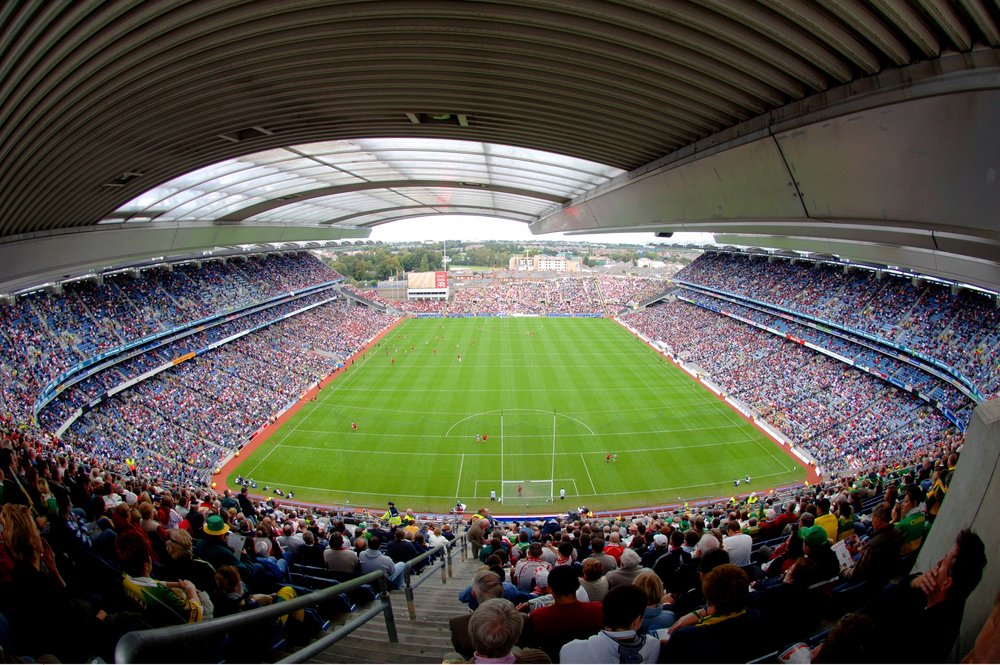
What makes the GAA remarkable is that it remains amateur. Even the most celebrated players, those training like professionals and performing in front of 80,000 fans, receive no salary. They play for pride, for place, and for the love of the game.
What are the games of the GAA?
The GAA supports the development of Gaelic sports including hurling, football, handball and rounders, and works with its partner organisations to promote women's football and camogie.
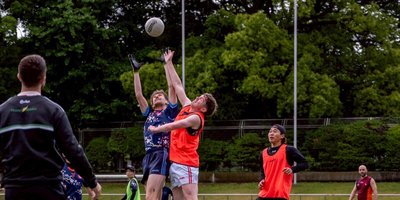
Gaelic football
Played with a round ball and 15 players per team, Gaelic football blends elements of basketball, rugby and soccer into a uniquely fast, physical game. Played with 15 players per side, the game involves kicking or hand-passing a round ball, with scores for getting the ball over the bar (1 point) or into the net (3 points).
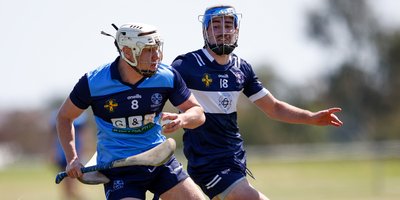
Hurling
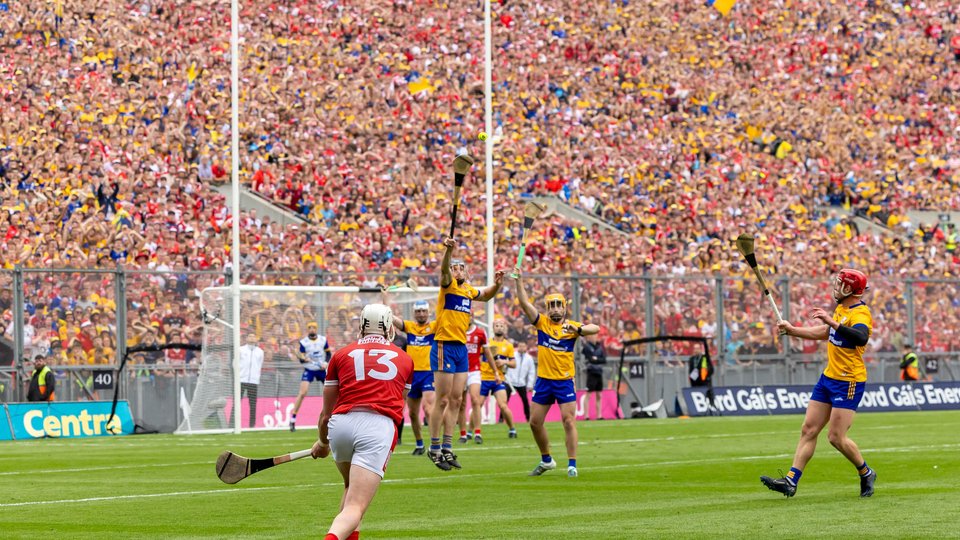
Hurling is one of the world’s oldest field sports, with references of it dating back to 1272 BC. It is also one of the fastest field games in the world. It brings big crowds but you need to have a watchful eye to keep up with the skill and ability of its players. Hurling is played with a wooden stick (hurley) and a small leather ball (sliotar). Players catch, strike, and balance the ball while running at pace. Like football, scoring happens over the bar or into the net.
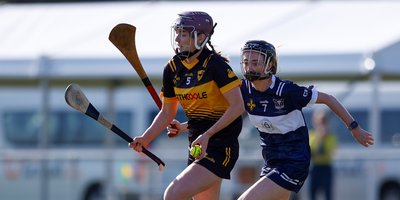
Camogie
Camogie is the women's version of hurling, played similarly fast, with the same skill and precision. Players still strike, catch and solo at pace, with a hurley and sliotar as in hurling. While the rules are slightly modified to reduce contact, the intensity and athleticism is just as fierce as on the men's side. Camogie has a strong national presence, with its own All Ireland Championships and a strong club structure. It is governed by the Camogie Association.
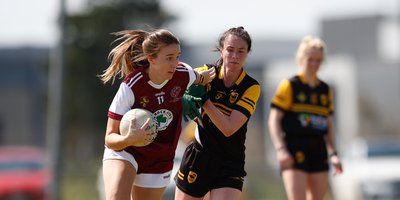
Women's Gaelic football
Women's Gaelic football is one of the fastest growing sports in Ireland. It is played with the same scoring system and structure as the men's game, with a few minor rule differences setting the two apart, mostly around more limited physical contact. Run by the Ladies Gaelic Football Association, the sport has growing visibility, strong participation across club and county teams, and record crowds at recent All Ireland finals.
Gaelic handball
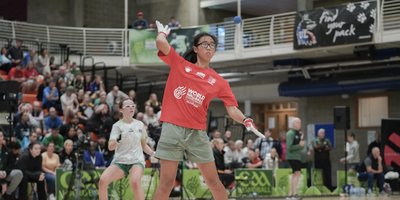
Handball is a court-based sport, that shares similarities with squash and racquetball, but is played with the palm of the hand. It can be played as singles or doubles, with fast, strategic rallies requiring exceptional reflexes and stamina. GAA Handball, a subsidiary organisation of the GAA, governs the sport. Though it doesn’t have the national visibility of football or hurling, it has produced world champions and retains strong pockets of support across Ireland and the Irish diaspora.
Gaelic rounders
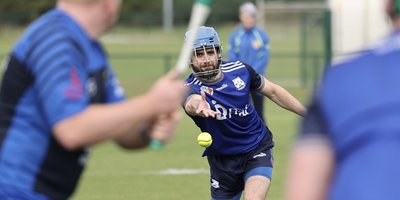
GAA rounders is a bat-and-ball game similar to baseball, with teams of 9 players each batting, fielding and running bases, across five innings. It is managed by the GAA Rounders National Council. Most Irish children play rounders in school, and it has a structured competitive scene through the GAA.
The Global GAA
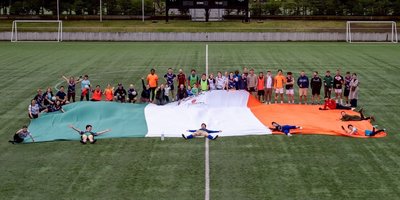
The GAA is no longer confined to Irish soil. With the Irish diaspora, the games have travelled around the world. There are thriving clubs across Great Britain, North America, Australia, and the Middle East, with growing scenes in Europe, South America and Asia. These clubs often act as cultural hubs for Irish communities abroad, offering a link to home through sport, music, and friendship.
For many Irish abroad, joining a GAA club offers a powerful connection to home. But the appeal of the games, and the community around them, extends beyond the diaspora.
Local players are picking up hurleys and footballs, drawn by the speed, skill, and community spirit of the games. This global growth has been supported by the GAA’s international units, which ensure that wherever there’s an Irish community, there’s likely a GAA club nearby.
Events like the GAA World Games bring together teams from across the globe, showcasing how adaptable and expansive these Irish sports have become.
Why the GAA matters
The GAA is not just a pastime. From its earliest days, it has shaped more than sport, influencing politics, culture and identity in Irish society. During the War of Independence, GAA grounds were used to shelter rebels; in peacetime, they became sanctuaries of togetherness. In times of grief or celebration, it is often the GAA club that gathers people together.
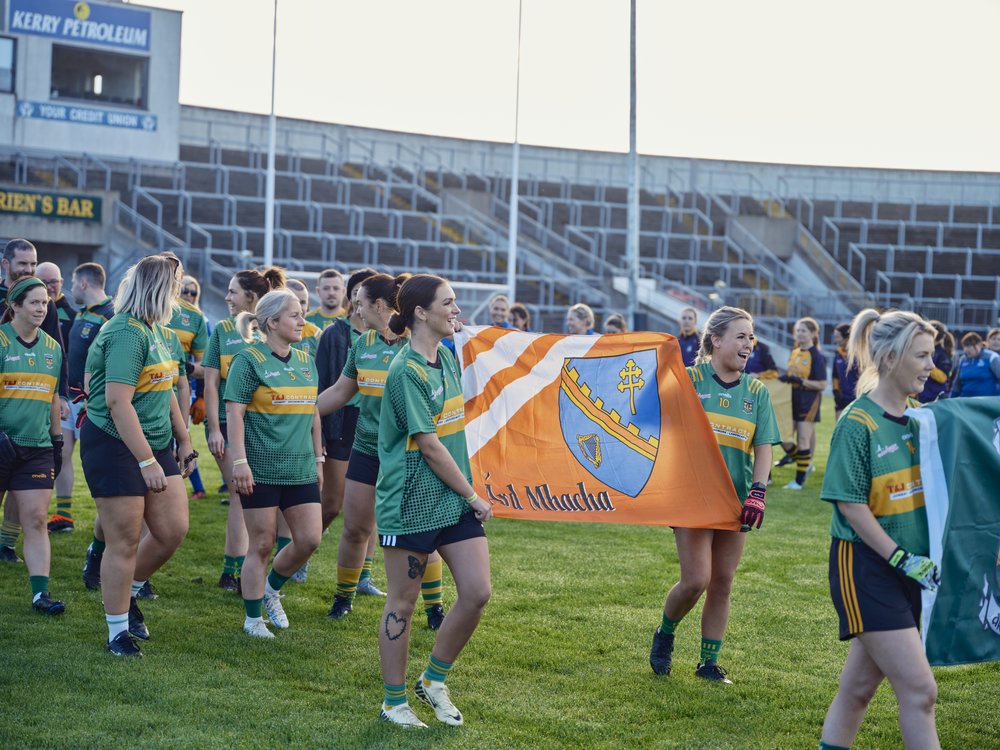
The GAA has survived, and continues to thrive, because it belongs to the people. Every pitch is maintained by neighbours. Every match is stewarded by volunteers. Every victory is shared by the community. And that spirit stretches across the globe.
From Dublin to Dubai, Kerry to Kyiv, Mayo to Melbourne, and beyond, the clash of the ash and the thud of the football carry the same heartbeat. Clubs formed by emigrants become lifelines for the Irish abroad, and anchors for new communities that embrace the games as their own.
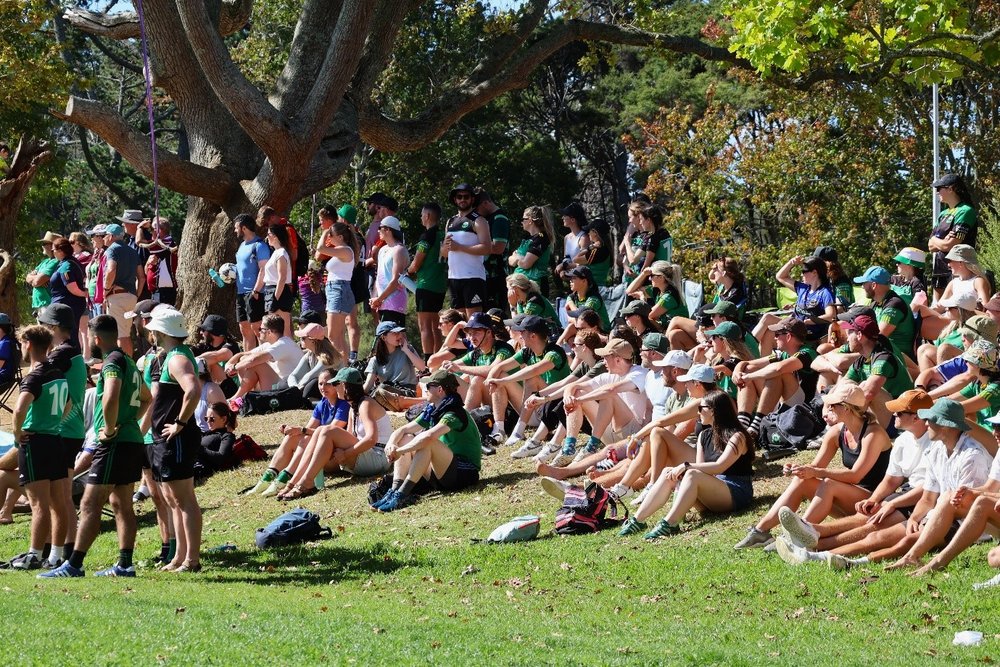
The GAA is not just something Ireland has carried with us, it’s something we have offered to the world. It’s a legacy built on fields and friendships, and wherever these games are played, they create something local, no matter how far from home.