

Presidency of the Council of the European Union
Ireland holds the Presidency from 1 July until 31 December 2026. During its Presidency, Ireland will host:
- 22 Informal ministerial meetings
- An informal meeting of Heads of State or Government of the EU in November 2026
- Over 250 other important meetings and conferences
You can check out the full calendar of events.
Additionally, during the Irish Presidency a rich cultural programme will take place in Dublin, Brussels, other European capitals and around the world. Find more information on the full cultural programme.
What is the Council of the European Union?
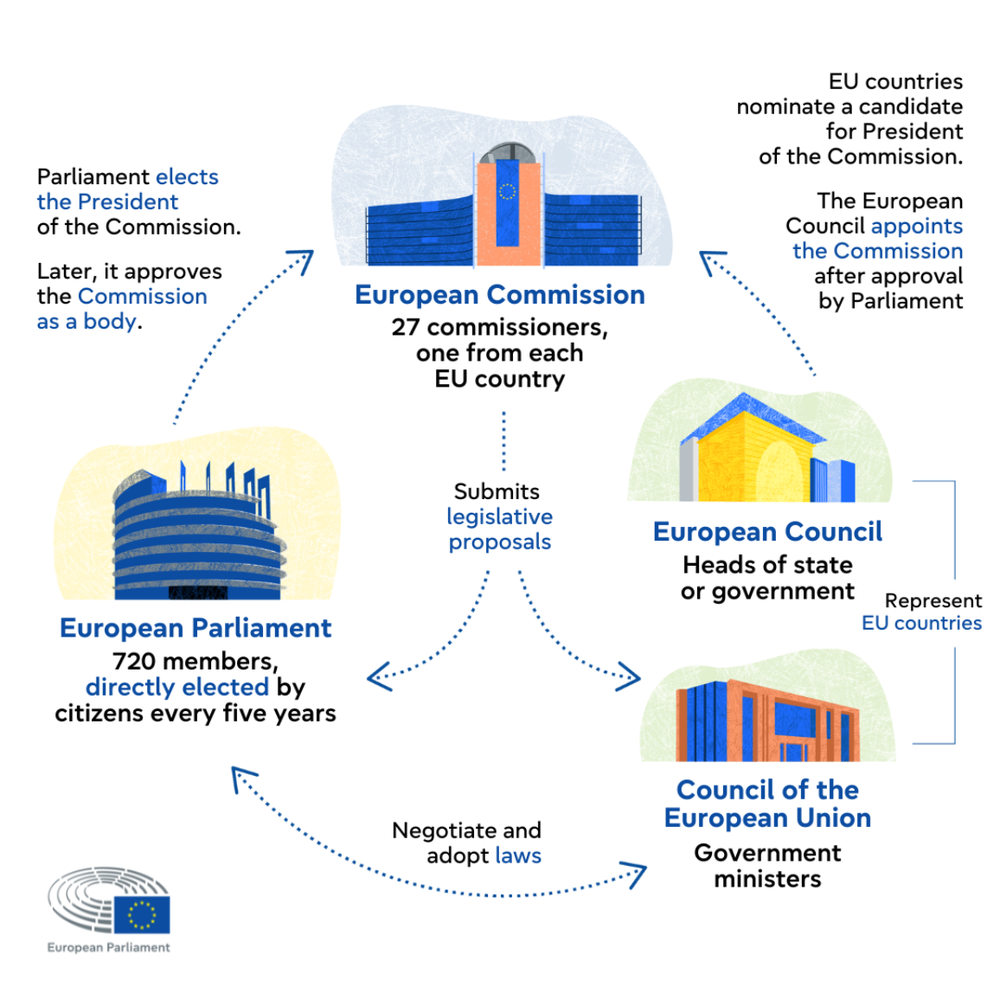
The Council of the European Union – often simply called “the Council” – is one of the EU’s main decision-making institutions. It represents governments of the 27 EU Member States.
National ministers meet in the Council to debate, amend and adopt EU laws and coordinate policy.
The Council:
- Negotiates and adopts EU laws with the European Parliament
- Coordinates member state policies across key areas
- Shapes the EU’s foreign and security policy
- Agrees the EU’s annual budget with the European Parliament
- Concludes agreements between the EU and international partners.
The Council meets in 10 different policy configurations, from environment and agriculture to foreign affairs and finance. Each country is represented by the Minister responsible for the relevant policy area.
What are the Presidency’s main tasks?
In the coming months, the key tasks of the Irish Presidency will include:
- Planning and chairing meetings of the Council and its preparatory bodies.
- Ensuring that the Council’s rules of procedure and working methods are observed.
- Representing the Council in relation toother EU institutions (European Parliament and European Commission), including the important work of trilogues.
- Delivering reliable and transparent information on the results of Council meetings.
- Working closely with the President of the European Council and the EU High Representative for Foreign Affairs and Security Policy.
Pre-Presidency stakeholder consultations
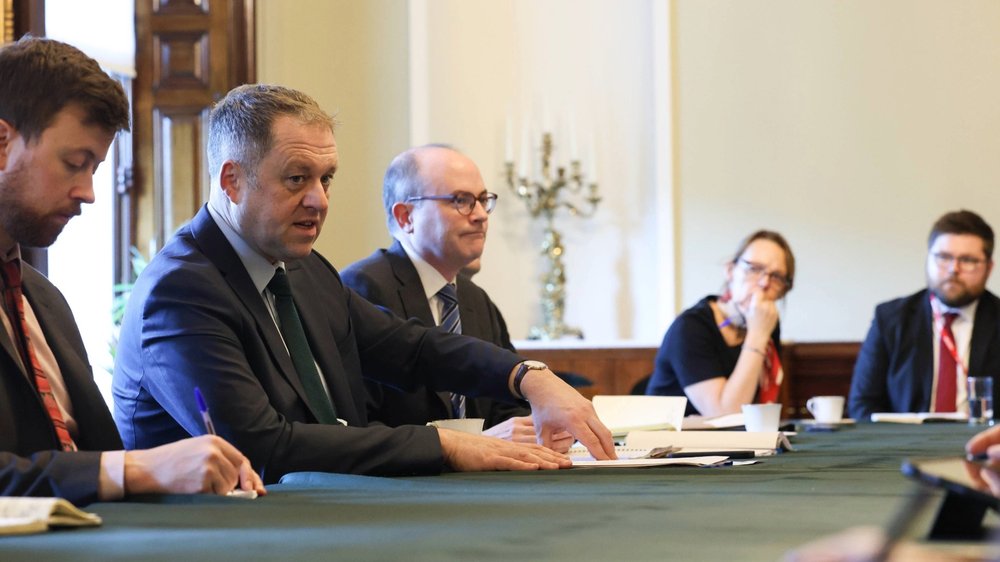
A diverse range of voices from across Irish society helped to shape the development of Ireland’s Presidency priorities and policy programme.
Priorities of the Irish Presidency of the Council of the EU
Ireland’s 2026 EU Presidency will be defined by action and by delivery.
Delivery on European competitiveness, on European values and on European security.
We will be guided by the enduring principle of strength with unity.
The current global environment is unstable and deeply challenging. There are many external factors we cannot control. But in vital areas, Europe has the means to take determined action:
On competitiveness – fostering prosperity and wellbeing
On values – upholding the indispensable foundation of our Union
On security – protecting our citizens
Events
Throughout 2026, a nationwide programme of engagement will connect communities with the work of the Presidency and create opportunities for people to participate in conversations about Ireland’s role in Europe.
You can find the official calendar of meetings and events of the Irish Presidency of the Council of the European Union on the Events page of the Presidency website.
Community connections
Each county will be paired with an EU Member State for the duration of the Presidency, creating opportunities to build lasting local links across Europe. Ambassadors of EU Member States in Ireland, accompanied by Irish Ambassadors based in those Member States, will visit schools, libraries, sports clubs and community organisations to take part in a wide range of public events and conversations.
Launching this initiative, Minister of State for European Affairs, Thomas Byrne TD, said:
“Since last year, I have visited villages, towns and cities across Ireland, to talk with people about the importance of our EU membership and the role that Ireland will play during our EU Presidency. In all these visits, the strong interest in discussing Ireland’s place in the EU, and our relationships with other parts of Europe, has been very evident. I know this initiative will help to build on that interest and deepen the relationships communities across the country have with our European partners.”
Youth engagement
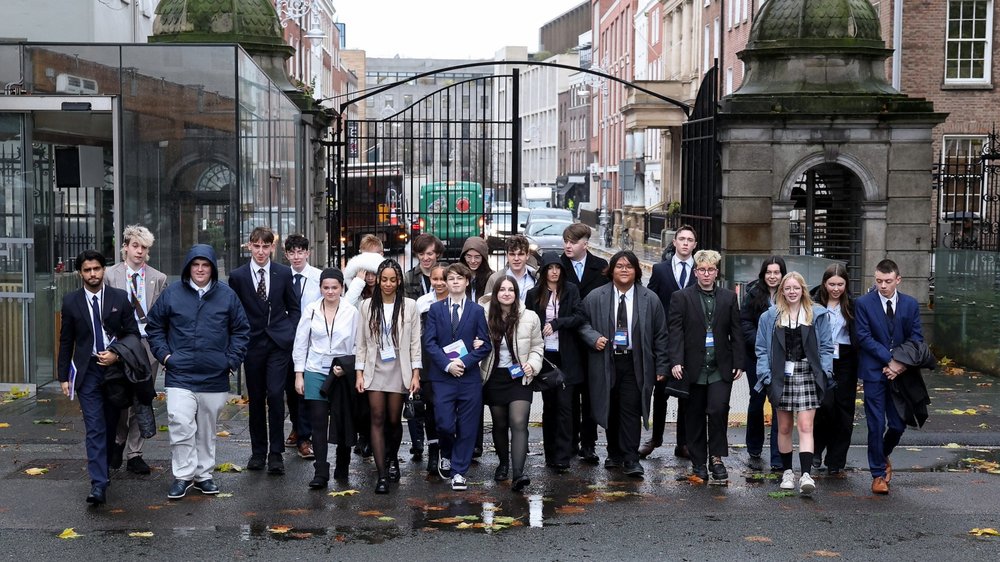
Engaging young people will be an important part of Ireland’s Presidency. Through youth assemblies, school and university visits, and structured dialogue nationwide, students will have opportunities to learn more about how the European Union shapes their lives and futures, and to share their views on the issues that matter most to them.
This work is already underway. Delegates from Seanad na nÓg, representing Comhairle na nÓg and youth organisations across Ireland, have developed a set of recommendations to help inform Ireland’s Presidency priorities. Youth-friendly versions of the Presidency programme and tailored learning resources will also be made available to primary and post-primary schools to build understanding of Ireland’s role in Europe and encourage the next generation to take an active interest in European issues.
Cultural programme
Ireland’s Presidency will also be a chance to celebrate our culture with communities at home and across Europe. The Department of Culture, Communications and Sport is developing a Presidency Cultural Programme with domestic and international elements, working with cultural institutions, local authorities and partners nationwide.
Through a range of events, performances and initiatives, a programme will reach communities across Ireland and abroad, showcasing Ireland’s creativity and strengthening cultural connections with our European partners.
News
Keep up to date with the latest news from Ireland’s EU Presidency on the Presidency website.